The Gilded Age Returns to HBO for Its Fourth Season With High Stakes and Grand Scale

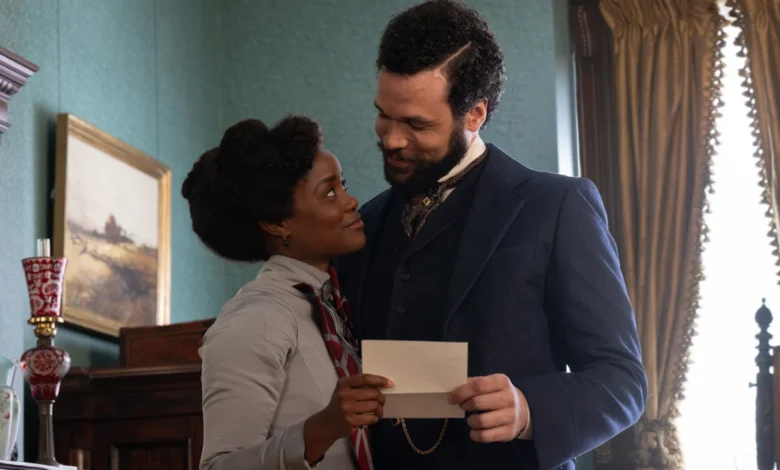
HBO has officially launched the fourth season of its lavish period drama The Gilded Age, returning audiences to the opulent, rapidly transforming world of late 19th-century New York City. Created by Julian Fellowes, the acclaimed series has established itself as a cornerstone of prestige television, blending historical ambition with high-society melodrama. As the show enters its fourth installment, critics and viewers are welcoming back a narrative deeply rooted in class mobility, industrial wealth, and the rigid social hierarchies that defined America’s post-Civil War boom.
Main Facts and Plot Developments
The premiere of Season 4 sets an immediate tone of international scope and domestic intrigue. The opening sequence transports viewers across the Atlantic to a stately English manor house in the dead of night, where a carriage delivers a doctor just in time to avert a medical crisis. This transatlantic shift accommodates the storyline of Bertha Russell, played by Carrie Coon, who is currently stationed in England to oversee her pregnant daughter, Gladys, now elevated to the rank of Duchess following her marriage.
Back in New York, the domestic landscape remains fiercely contested. Bertha is temporarily estranged from her husband, railroad tycoon George Russell, portrayed by Morgan Spector. Meanwhile, the Russell family’s eldest son, Larry, played by Harry Richardson, uses a high-profile social gathering as an opportunity to rekindle his romance with Marian Brook, played by Louisa Jacobson, following the intricate emotional developments of Season 3.
Simultaneously, writer Peggy Scott, portrayed by Denée Benton, navigates a new professional milestone as she prepares for the publication of her first book, occasionally finding the literary venture more captivating than the traditional societal expectations of selecting lace for an upcoming wedding. In the traditional bastion of Old New York, Aunt Agnes, played by Christine Baranski, is consumed by the meticulous preparations required to host a dinner party for the President of the United States—a social coup of the highest order.
Background Context and Historical Setting
To understand the enduring appeal of The Gilded Age, critics often look to its thematic parallels with Fellowes’s previous monumental success, Downton Abbey. While Downton explored the twilight of the British aristocracy, The Gilded Age investigates the aggressive ascension of American industrialism. Set primarily in the 1880s, the series captures a distinct historical epoch defined by the rapid accumulation of unprecedented wealth by industrialists, inventors, and financiers commonly referred to as robber barons.
This era fundamentally reshaped the American socio-economic landscape. The influx of "new money" clashed violently with the entrenched power of New York’s traditional elite, represented by families like the Van Rhijns. This cultural friction provides the fertile ground from which the series derives its dramatic tension. The historical backdrop is not merely aesthetic wallpaper; it reflects real-world power struggles over architecture, philanthropy, opera houses, and marital alliances that ultimately forged modern American capitalism.
Chronology and Narrative Progression
Over its four-season run, The Gilded Age has evolved from a cautious introduction of rival social factions into a confident, sprawling saga. Season 1 established the geographical and social divide between the old-guard brownstones of East 61st Street and the palatial new mansions of Fifth Avenue. Season 2 escalated the conflict, notably through the bitter war for dominance between the Academy of Music and the newly established Metropolitan Opera, alongside the physical dangers faced by George Russell amidst escalating labor strikes and assassination attempts.
Season 3 deepened personal entanglements, culminating in international marriages and career breakthroughs that have now matured into the complex webs seen in Season 4. The current season accelerates these narrative threads, balancing international royalty with local political maneuvering, and ensuring that no single storyline overshadows the intricate canvas of the ensemble cast.
Supporting Data and Production Scale
From a production standpoint, The Gilded Age remains one of HBO’s most ambitious and costly endeavors. Recreating the Gilded Age of New York requires extensive location shooting across Rhode Island, Troy, and Long Island, alongside massive soundstage construction in New York City. The wardrobe department, helmed by master costume designers, manufactures hundreds of bespoke historical garments per season, utilizing authentic fabrics, corsetry, and millinery techniques to accurately portray the staggering opulence of the era.
Audience metrics and critical reception indicate steady growth for the series. Industry analysts note that historical dramas occupying the intersection of high production value and soap-opera accessibility maintain exceptionally high retention rates on streaming platforms such as Max. The series successfully captures a demographic that values meticulous artistic direction paired with emotionally accessible narrative stakes.
Cast Expansion and Standout Performances
Season 4 introduces notable shifts in the show’s ensemble cast. While Carrie Coon continues to anchor the series as Bertha Russell—a character praised for her balance of ruthless social ambition and genuine maternal warmth—the new season features the elevation of Kelley Curran to the main cast. Curran’s character, Enid Winterton, has evolved from a subservient lady’s maid into a formidable social player, providing sharp comedic timing and tactical ruthlessness that has quickly made her a fan favorite.
The supporting cast, featuring veterans such as Cynthia Nixon as Ada Brook, alongside younger talents like Taissa Farmiga and Jordan Donica, continues to receive critical acclaim for grounding the heightened dialogue in credible emotional stakes.
Broader Impact and Implications for Television
The sustained success of The Gilded Age underscores a broader trend in contemporary television programming: the enduring demand for high-end escapism. In a media landscape frequently dominated by bleak dystopian narratives and cynical true-crime adaptations, period dramas offering elaborate set designs, moral clarity, and heightened social conflict serve a distinct psychological function for audiences seeking comfort and aesthetic immersion.
Furthermore, the series has contributed to a renewed public interest in late 19th-century American history, driving museum attendance, architectural tourism in historical districts, and academic engagement with the era’s labor history and minority experiences, as highlighted by Peggy Scott’s storylines within the Black elite of Brooklyn.
As Season 4 unfolds, with lingering threats such as George Russell’s ongoing pursuit of his would-be assassin through the Pinkerton Detective Agency, The Gilded Age demonstrates that it has successfully found its rhythm. By pairing high-class historical craftsmanship with unashamedly theatrical storytelling, HBO has solidified the franchise as a defining fixture of modern prestige television.