Mastering Social Media Engagement: A Comprehensive Guide to Essential Tools for Modern Businesses

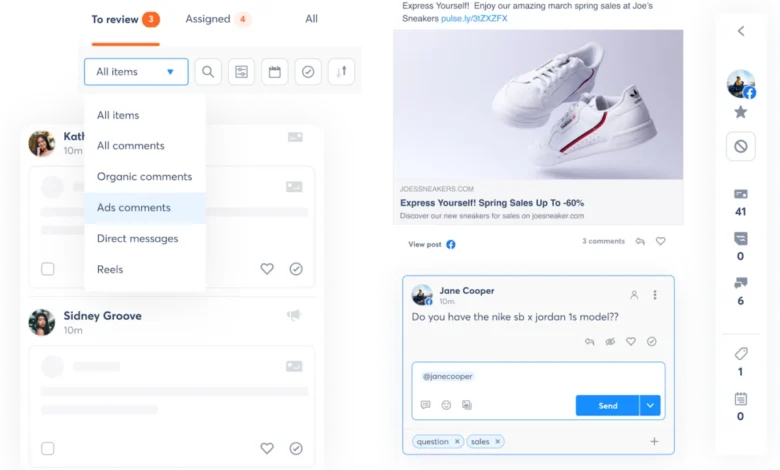
Social media is no longer merely a broadcast mechanism for one-way messaging; it has evolved into a complex, multidimensional ecosystem that demands active participation. As digital landscapes shift, the necessity for a cohesive social media strategy—one that balances content creation with proactive community management—has become the primary driver of brand loyalty. However, the operational reality for creators, small business owners, and large-scale agencies is often fraught with friction. Neglecting direct messages, leaving public comments unanswered, or failing to acknowledge brand mentions can result in a measurable decline in audience trust and algorithmic visibility.
The Evolution of Community Management
The transition from simple broadcasting to active engagement began in earnest as social platforms prioritized human-to-human interaction in their ranking algorithms. According to industry data, replying to comments can boost overall engagement rates by 5% to 42%, depending on the specific platform and audience demographic. This correlation between responsiveness and reach has transformed engagement from a "nice-to-have" activity into a critical component of digital marketing.
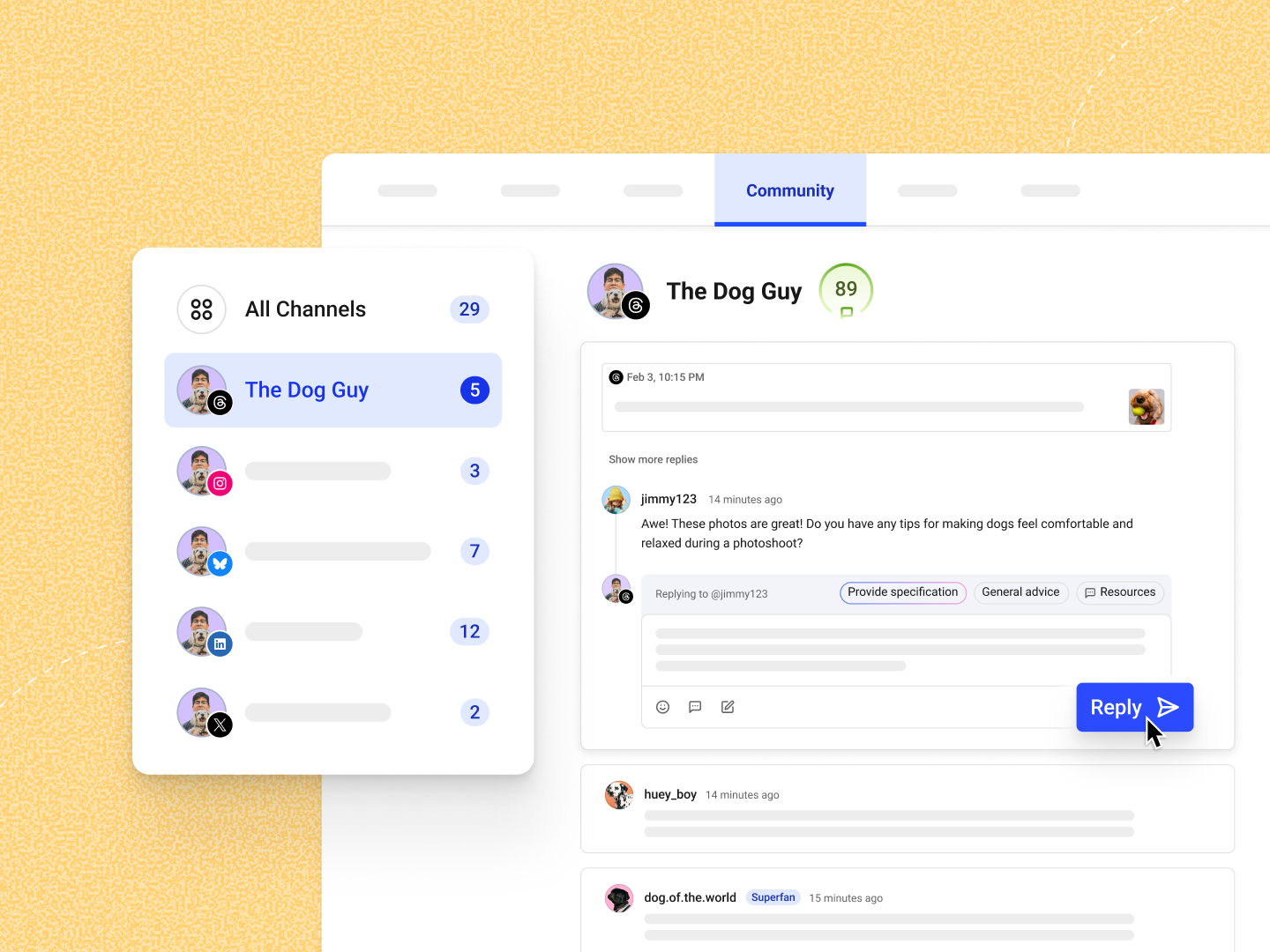
Historically, community management was a manual, platform-specific chore. Users had to toggle between native applications—Facebook, Instagram, LinkedIn, and X—to monitor notifications. As the number of active channels for a typical business grew, this fragmented approach became unsustainable. The current market for social media engagement tools emerged to solve this "inbox exhaustion," consolidating dispersed interactions into unified, searchable, and collaborative dashboards.
Comparative Analysis of Engagement Platforms
When evaluating the current market of engagement software, it is essential to distinguish between all-in-one management suites and specialized modular tools. As of October 2026, the competitive landscape is defined by 12 primary solutions, each catering to distinct operational needs ranging from enterprise-level crisis management to automated creator-led interactions.

| Tool | Primary Use Case | Accessibility Model |
|---|---|---|
| Buffer | Creators & Growing Teams | Free/Freemium |
| Sprout Social | Large Enterprises | Paid/Trial |
| NapoleonCat | High-Volume Customer Service | Paid/Trial |
| Manychat | DM Automation | Freemium |
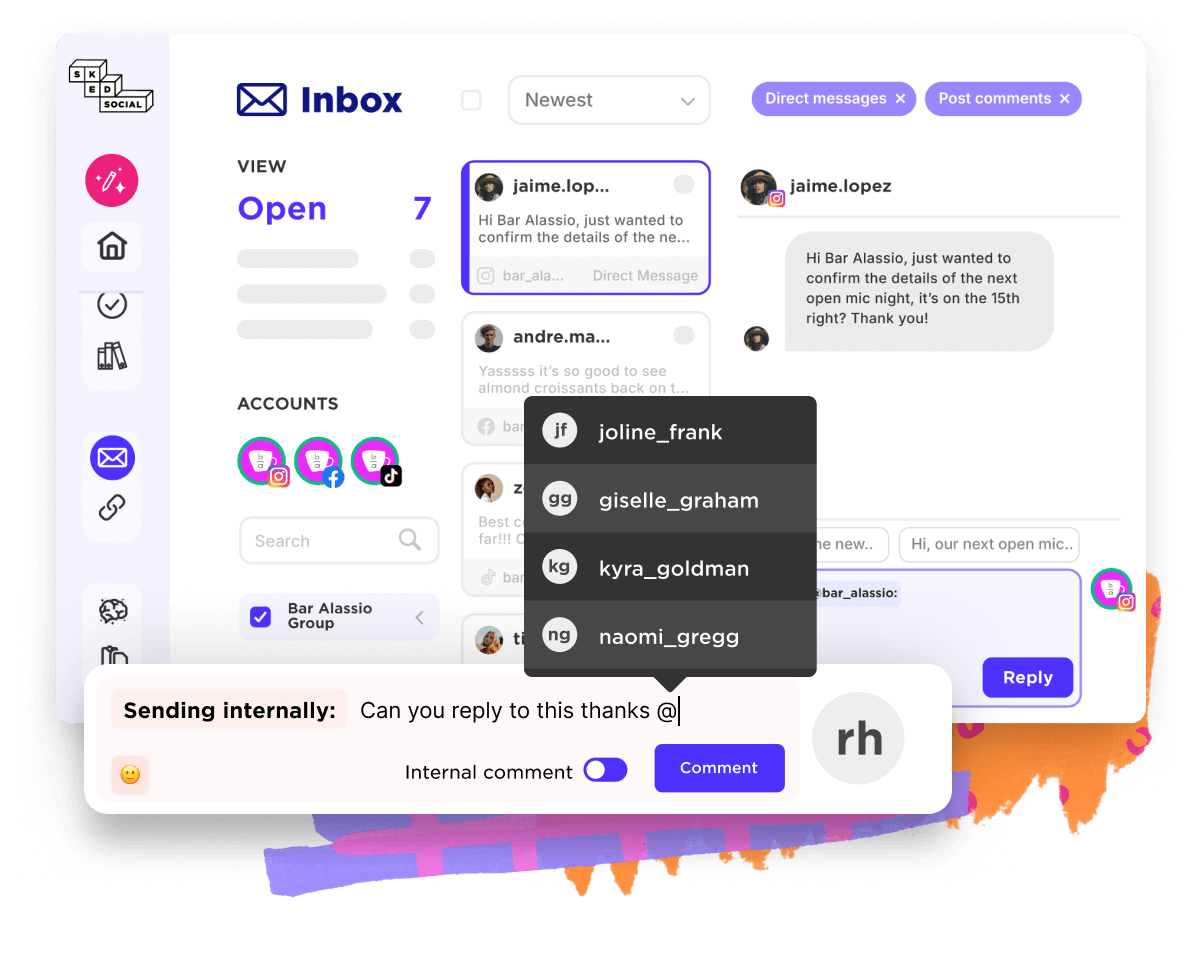
| Sked Social | Agency Client Approvals | Paid/Trial |
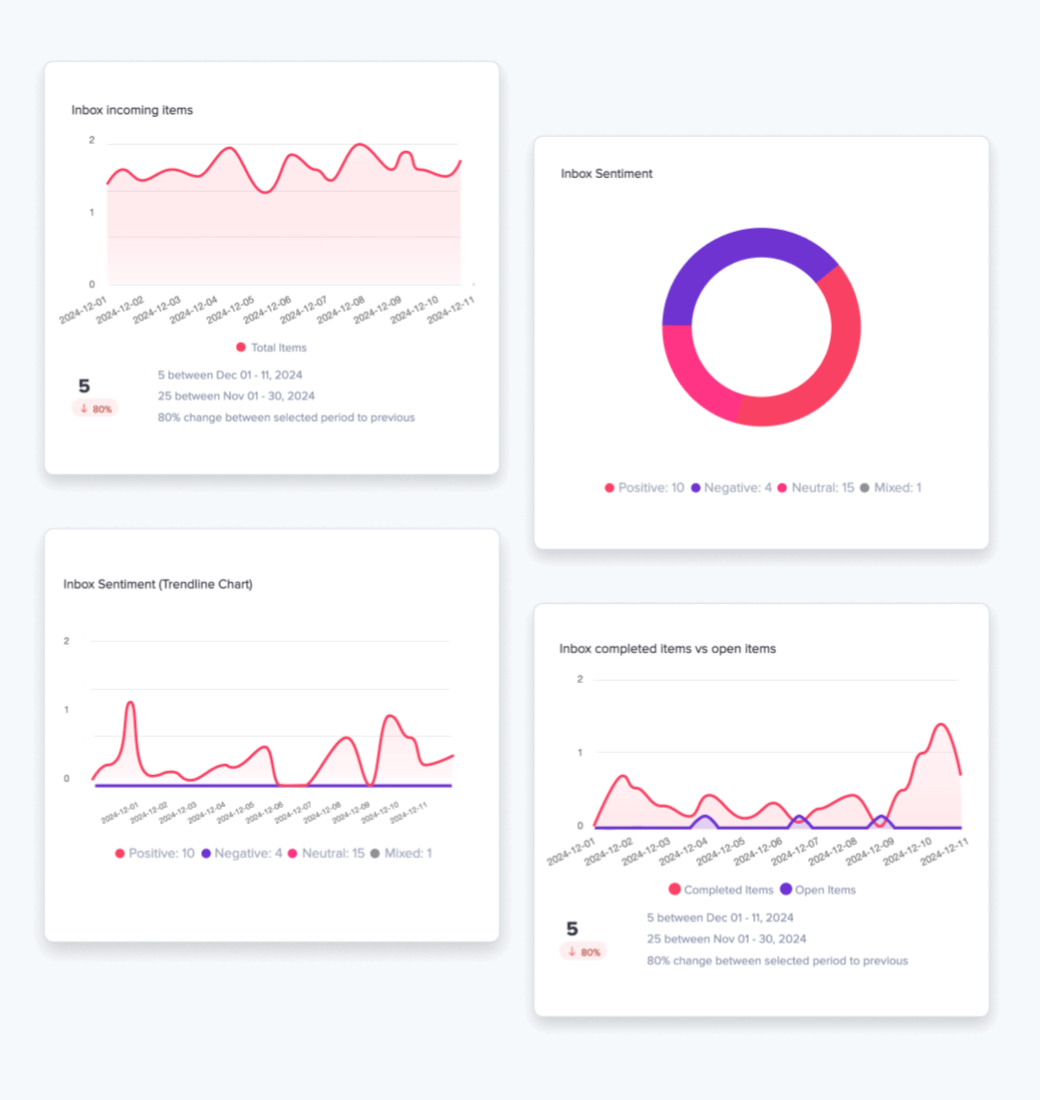
| Eclincher | Advanced Inbox Analytics | Paid/Trial |
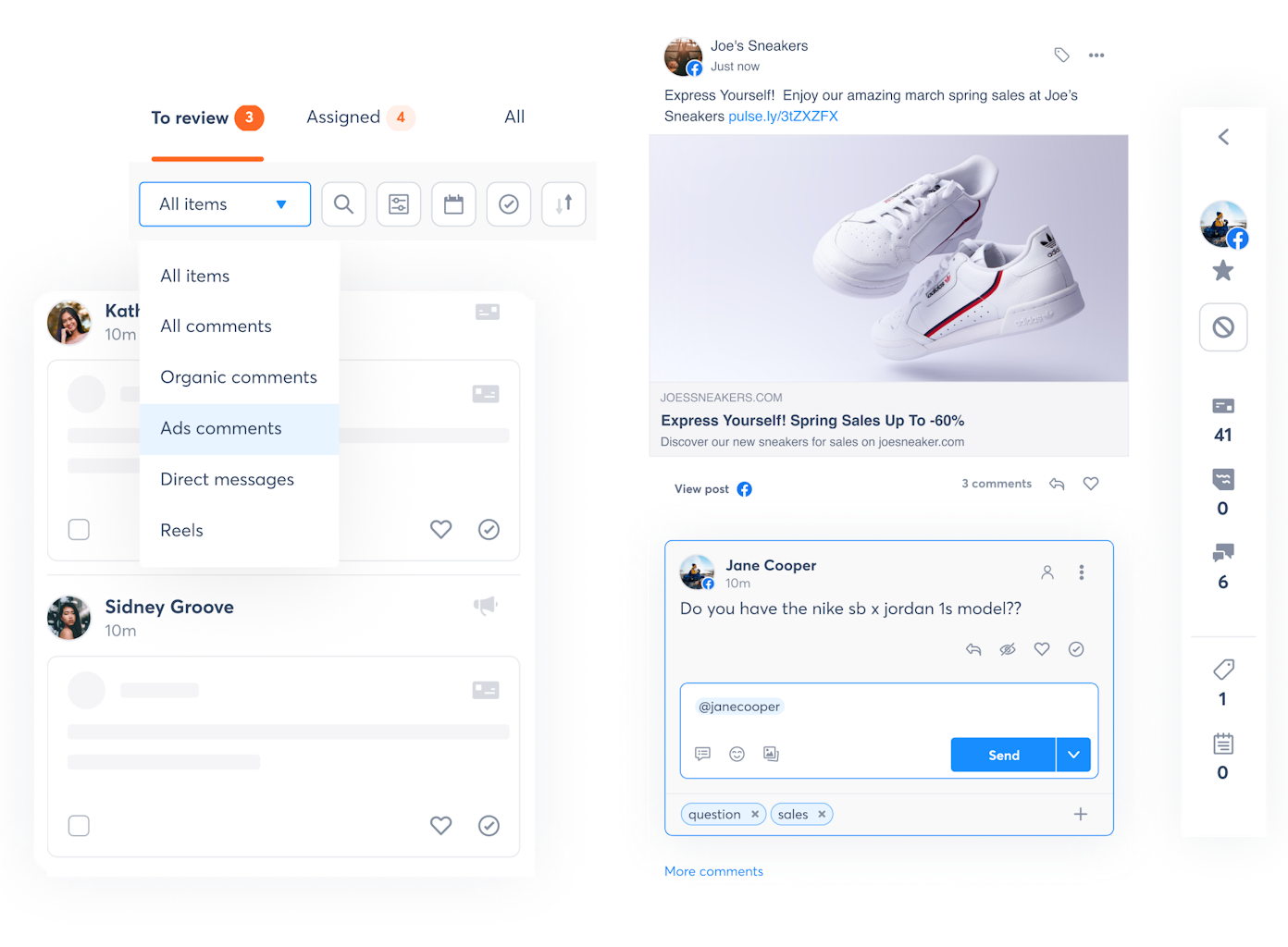
| Agorapulse | Ad Comment Moderation | Paid/Trial |
| BrandBastion | Global Multi-Language Moderation | Enterprise Demo |
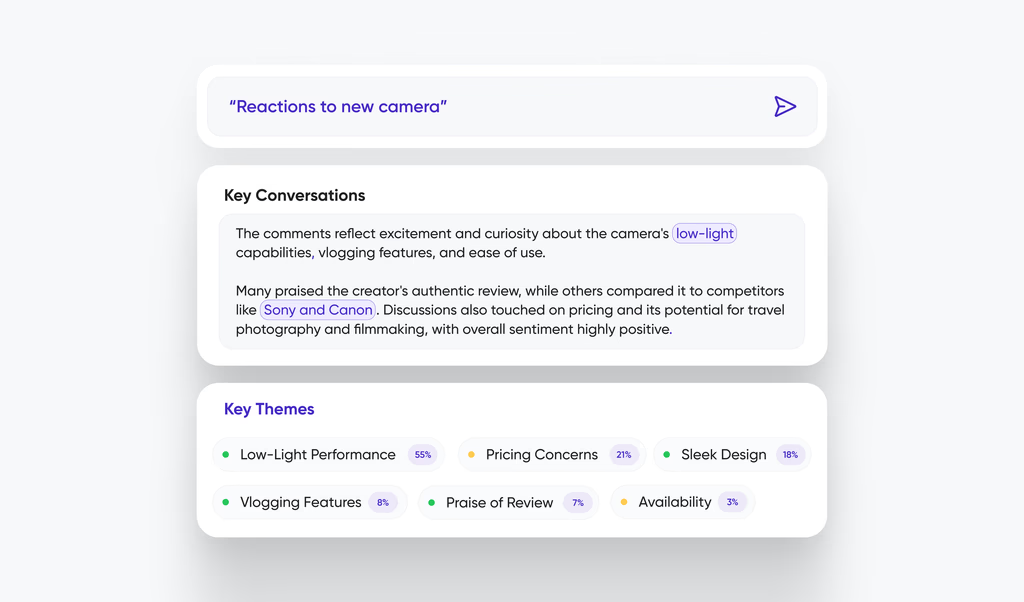
| Siftsy | Comment Section Intelligence | Enterprise Demo |
| Hootsuite | Enterprise-Wide Integration | Paid/Trial |
| CommentGuard | FB/IG Moderation | Paid/Trial |
| Meta Business Suite | Native Meta Management | Free |
Strategic Implementation: All-in-One Suites
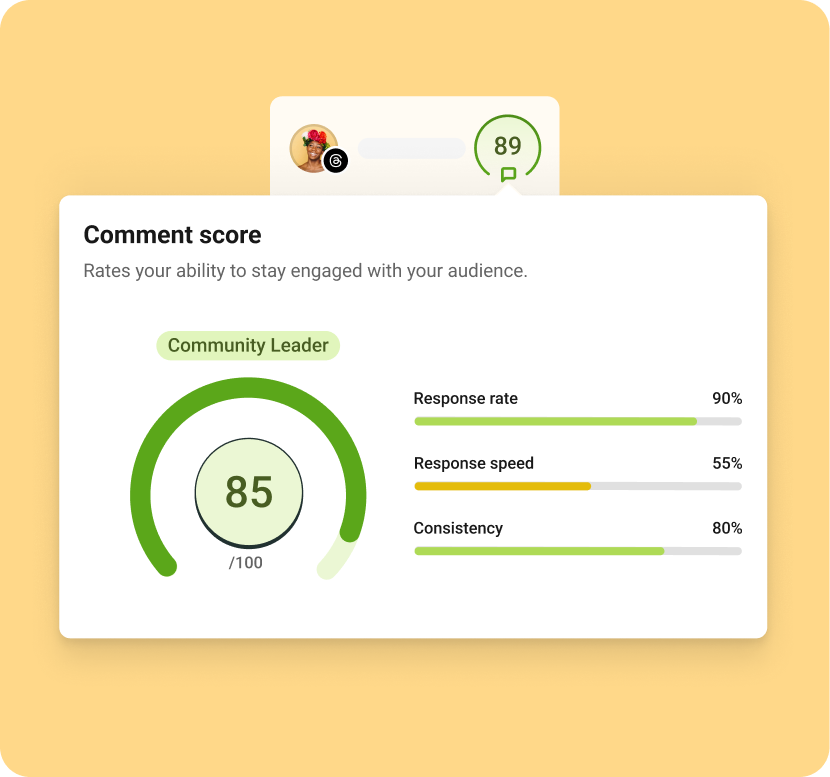
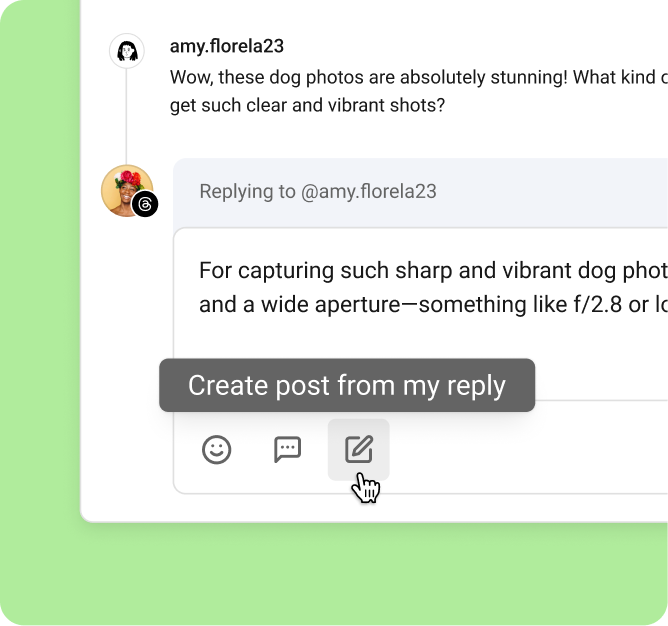
For organizations requiring a comprehensive approach, platforms like Buffer, Sprout Social, and Hootsuite offer the most robust feature sets. Buffer distinguishes itself through an affordable, streamlined interface that integrates across 10 networks, including emerging platforms like Bluesky and Mastodon. Its "comment score" feature acts as a performance metric for teams, nudging users to maintain consistent response times.
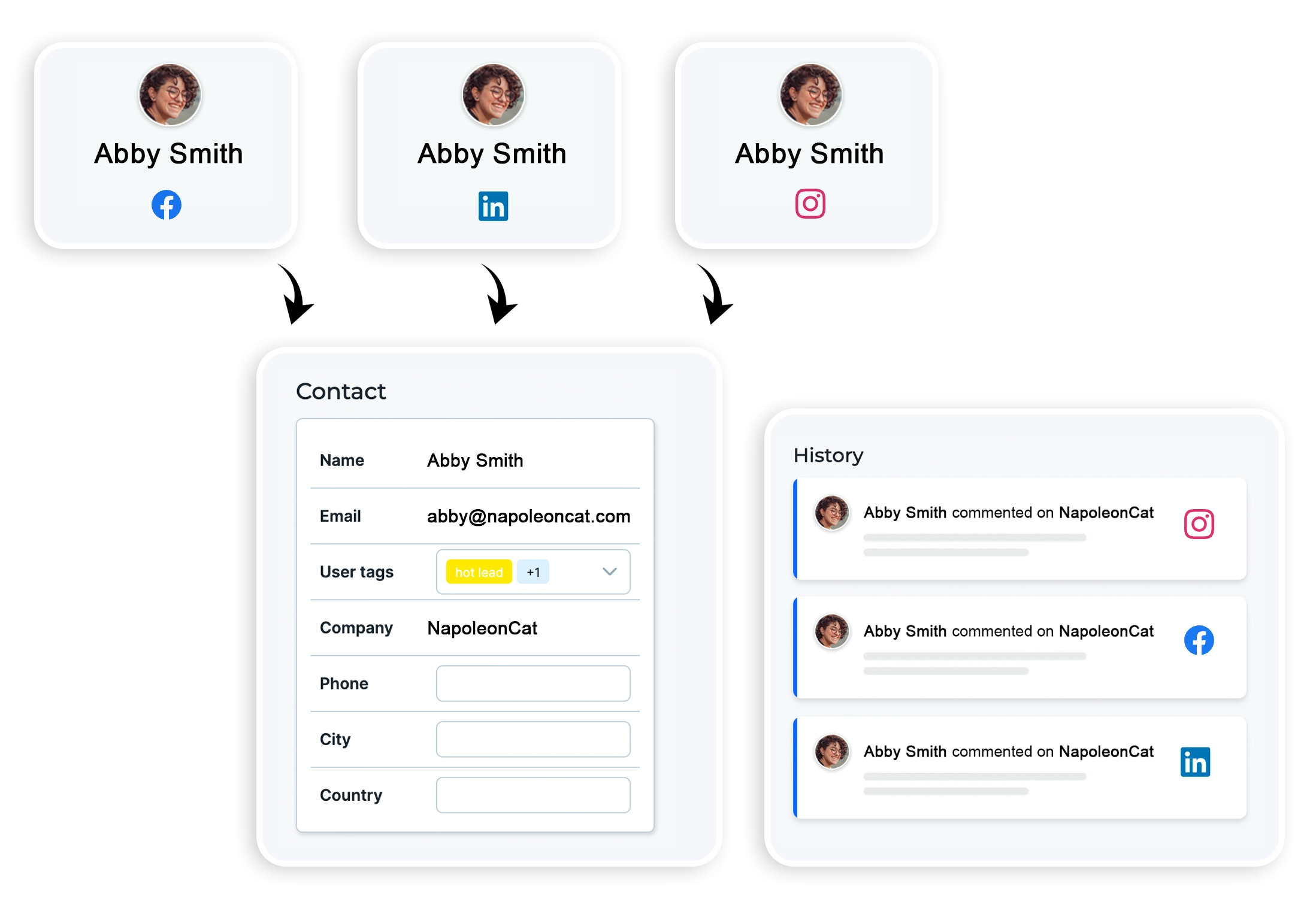
Conversely, Sprout Social and Hootsuite target the enterprise market. Sprout Social provides sophisticated real-time alerts that trigger when brand mentions spike, a vital feature for crisis management and public relations. Hootsuite, meanwhile, offers complex workflow automations and data masking, which are critical for organizations handling sensitive consumer data or operating under strict regulatory requirements.
Specialized Solutions: Automation and Intelligence
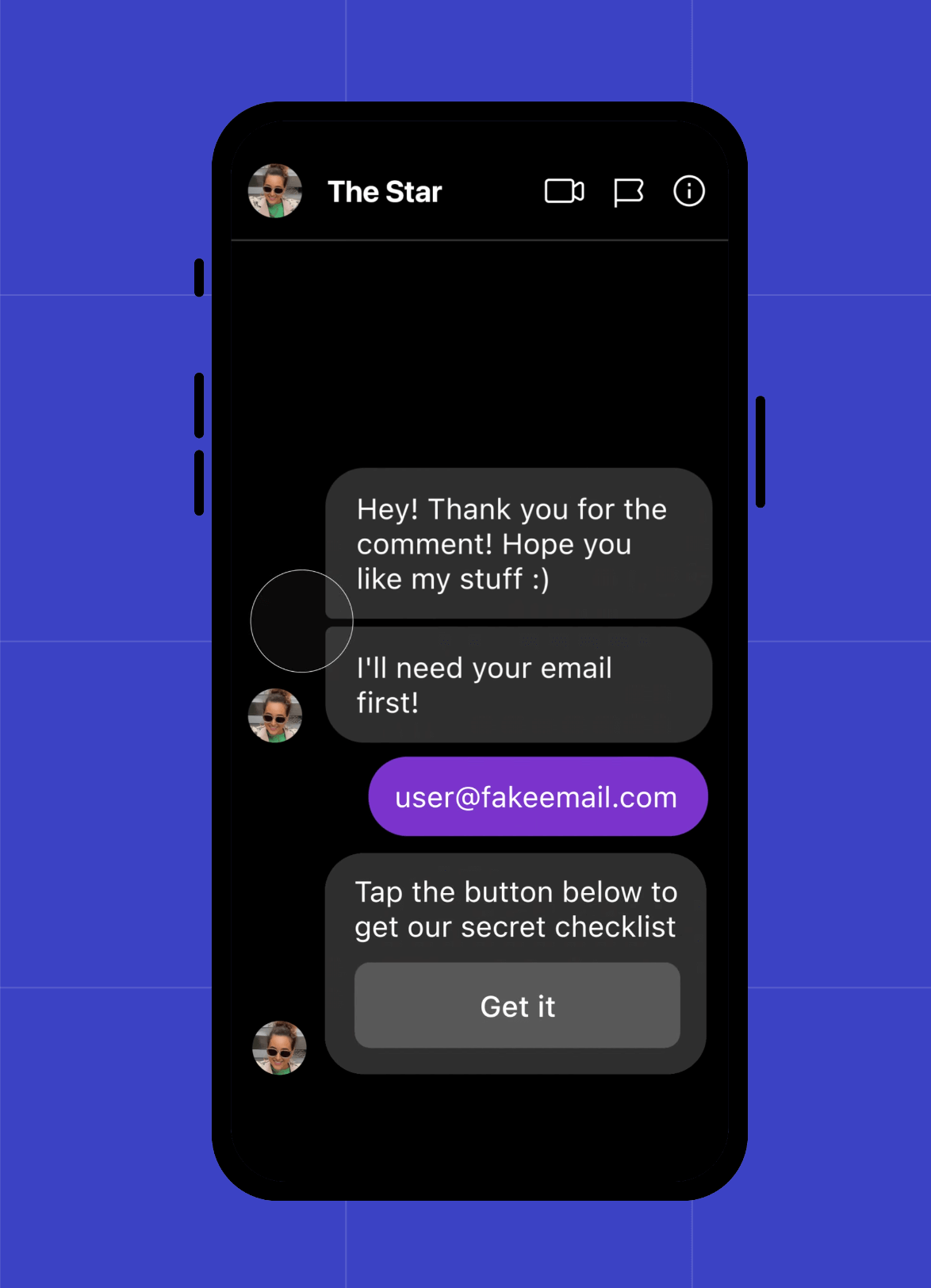
The rise of niche tools has allowed businesses to automate the more repetitive aspects of community management. Manychat has emerged as the industry standard for DM automation, allowing creators to trigger responses based on specific user-entered keywords. This functionality effectively turns a social media presence into a 24/7 lead-generation engine.
For brands facing significant public scrutiny or high-volume comment sections, moderation-specific tools are essential. BrandBastion utilizes proprietary AI trained on millions of conversations to detect nuance, sarcasm, and regional slang across 109 languages. This reduces the risk of human error in global campaigns. Similarly, Siftsy provides a different layer of intelligence by analyzing the sentiment and thematic content of comment sections, providing brands with qualitative data on what their audience values—or dislikes—about their products.
The Role of Native Tools
Despite the influx of third-party software, Meta Business Suite remains a cornerstone for organizations whose primary audience resides on Facebook, Instagram, and WhatsApp. As a native, cost-free solution, it is often the first point of entry for small businesses. While it lacks the cross-platform integration of a paid suite, it offers sufficient tools for standard community management, including unified inboxes for DMs and ad comments.
Analytical Implications and Future Outlook
The shift toward automated and intelligent engagement tools carries significant implications for digital strategy. The ability to track "first response time" and "completion time" allows for data-driven staffing decisions. Teams can now identify which social channels require human intervention and which can be managed via AI-assisted workflows.
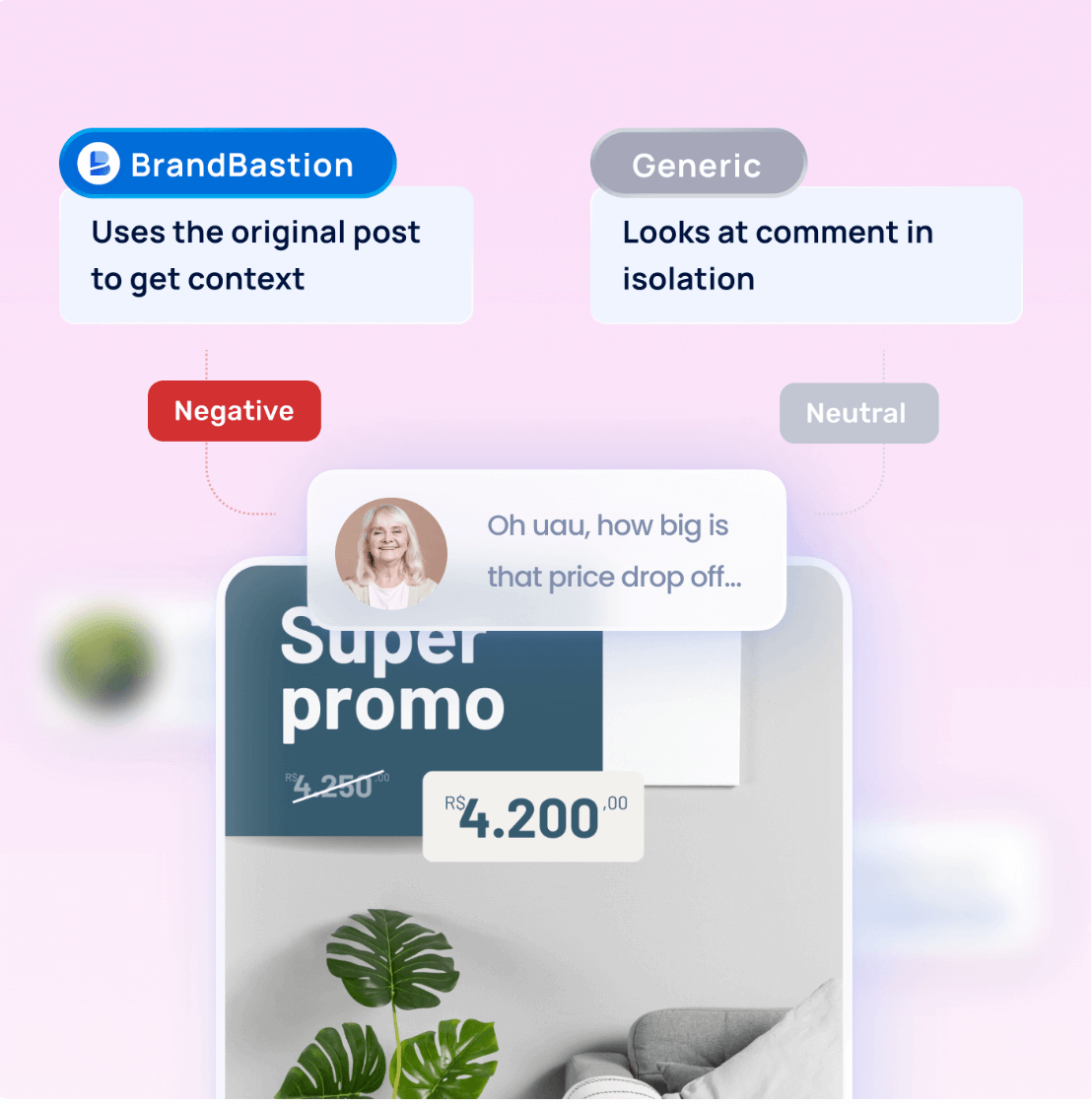
However, the rapid adoption of AI-driven responses presents a challenge: maintaining brand voice. While AI assistants—such as those integrated into Buffer—are designed to mimic the user’s tone, over-reliance on automation can lead to a sterile, corporate-sounding presence. Industry analysts suggest that the most successful brands use tools to filter and organize data, but reserve high-stakes, high-emotion interactions for human team members.
Selecting the Right Tool for Your Organization
Selecting a platform is a balance of technical requirements, budget constraints, and the volume of incoming interactions. Organizations should prioritize tools based on these four criteria:
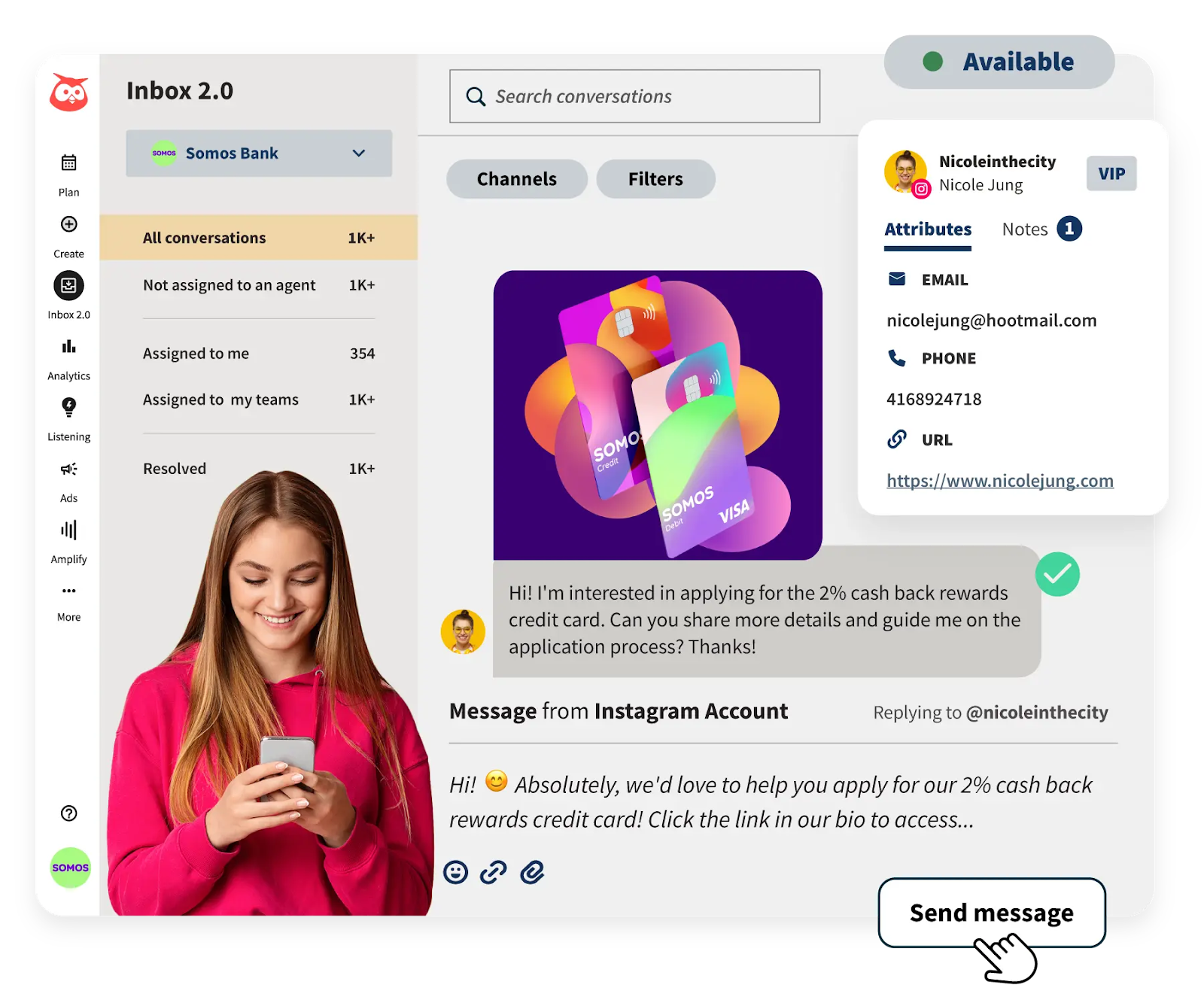
- Volume and Scalability: Does the tool handle the volume of comments you receive daily without hitting pricing tiers that make it cost-prohibitive?
- Channel Coverage: Does the platform support all the networks where your audience is active?
- Collaboration Features: If you work in a team, does the tool allow for internal notes, task assignment, and approval workflows?
- Integration Potential: Can the tool pull data into your existing CRM or customer support systems?
The consensus among digital marketing professionals is that the "best" tool is the one that minimizes the time spent in the interface while maximizing the impact of the human connection. Whether utilizing a robust, all-encompassing suite like Sprout Social or a lightweight, specialized tool like Manychat, the primary objective remains the same: to turn a digital comment section into a genuine, responsive, and valued community. As the digital landscape continues to fragment, the reliance on these engagement tools will only increase, making them the essential infrastructure for any brand seeking to maintain relevance in the modern attention economy.