The modern media landscape is defined by a fundamental shift in consumer behavior, as audiences increasingly dictate what content they consume, the precise timing of their viewing, and the specific formats, platforms, and screens they use. For traditional broadcasters, production houses, and digital publishers seeking to build and maintain deeply engaged communities, the imperative is clear: media organizations must meet viewers on their own terms. Against the backdrop of the MIPCOM 2026 conference, European media companies and global broadcasters are increasingly pivoting toward YouTube, deploying sophisticated strategies to align with billions of daily users who utilize the platform to discover diverse genres and independent creators. Far from cannibalizing traditional television, these digital-first initiatives are proving that legacy media and tech platforms can operate in a symbiotic relationship to expand overall industry reach.
The Evolving Digital Ecosystem and the Shift to Video-First Strategies
As traditional television viewing declines among younger demographics, legacy media companies face an urgent need to diversify their distribution models. Industry gatherings like MIPCOM have long served as barometers for the entertainment sector, but recent years have highlighted a stark transformation in how content is monetized and consumed. Broadcasters are no longer merely competing against rival channels; they are vying for attention in an attention economy dominated by on-demand, algorithmic discovery platforms.
YouTube has emerged as a primary engine for this transformation. With billions of active users globally, the platform offers an unmatched infrastructure for audience acquisition. Rather than viewing the platform as a threat to linear broadcast models, forward-thinking media executives are leveraging YouTube as the top of their marketing and monetization funnels. By deploying high-quality journalism, restored archival content, and pilot concepts directly to the platform, media companies are successfully bridging the gap between linear broadcasting and digital-first consumption.
1. Building Resilient and Multi-Stream Revenue Models on YouTube
Monetization on YouTube has evolved far beyond basic ad-revenue sharing. Today, media companies utilize a sophisticated suite of financial tools that mirror traditional subscription and licensing models while retaining the agility of digital platforms. Standard partner programs ensure that publishers receive the majority of ad revenue generated by their uploads, but sophisticated enterprises are layering additional revenue streams on top of programmatic advertising.
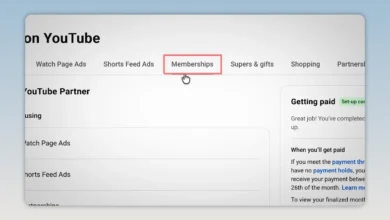
Direct-sold premium ad slots allow major media brands to negotiate bespoke deals with corporate sponsors for high-visibility content. Furthermore, Channel Memberships enable dedicated fan bases to pay a monthly recurring fee in exchange for exclusive perks, behind-the-scenes footage, and community badges.
A prominent European success story is the United Kingdom-based production company Goalhanger, the creative force behind acclaimed history and political podcasts such as The Rest is History and The Rest is Politics. Generating 63 million watch hours and accumulating 1.4 million subscribers across its network channels, Goalhanger has built a robust financial ecosystem on the platform. Notably, nearly a quarter of the company’s total YouTube-derived revenue stems directly from Channel Memberships, proving that audiences are willing to pay for premium community access.
To maximize these financial returns globally, media companies are increasingly deploying advanced infrastructure tools. YouTube’s automated dubbing capabilities allow broadcasters to scale their programming across linguistic barriers rapidly, thereby opening new geographic markets and multiplying ad-revenue potential. Simultaneously, rights-management tools like Content ID enable organizations to automatically identify, protect, and monetize their proprietary intellectual property if it is uploaded by third parties, ensuring revenue integrity across the ecosystem.
2. Revitalizing Archives and Driving Discovery for Legacy Programming
One of the most effective strategies employed by legacy broadcasters is the strategic release of library assets, full-length episodes, and live events onto YouTube. Far from giving away valuable content for free, this approach functions as a powerful discovery mechanism. When new viewers stumble upon archival programming or daily news broadcasts via algorithmic recommendations, they are frequently funneled back toward the broadcaster’s proprietary subscription applications and linear television schedules.
Public service broadcasters have led the charge in this domain. France Télévisions has utilized this tactic effectively by making its flagship national and local news broadcasts, including editions of "13h" and "20h," as well as investigative current affairs programs like Envoyé Spécial and L’Heure de Vérité, available on the platform. The impact has been substantial: the franceinfo YouTube channel recorded 110 million views in September alone, subsequently surpassing the milestone of 1 million subscribers.
Similarly, international heritage brands are finding new life for classic intellectual property. The iconic Dutch children’s series Fabeltjeskrant undertook a massive restoration project, bringing all 1,600-plus episodes to the platform. By digitally enhancing, remastering, and dubbing the historical footage, the copyright holders have successfully introduced a mid-20th-century cultural staple to entirely new generations of viewers worldwide.

3. Utilizing Real-Time Analytics to Test and Refine Creative Concepts
In the traditional television industry, greenlighting a new show historically involved significant financial risk, relying on focus groups, expensive pilot episodes, and executive intuition. In contrast, digital-native creators have long utilized iterative production methods, releasing experimental content and refining formats based on live audience data. Media companies are now adopting this agile development framework.
By leveraging YouTube Studio’s granular, second-by-second audience retention metrics, producers can analyze precisely where viewers engage, lose interest, or abandon a video entirely. This quantitative feedback loop allows creative teams to iterate on pacing, tone, and narrative structure before committing major capital to full-scale production.
The efficacy of this model is exemplified by independent filmmaker Curry Barker, whose micro-budget horror film Obsession grossed over $100 million during its opening weekend. Prior to directing the theatrical release, Barker used his YouTube comedy channel as an active testing ground. By meticulously studying second-by-second retention data on short-form and serialized sketches, he honed his storytelling instincts and pacing strategies, translating digital viewer feedback directly into cinematic success.
4. Collaborating with Native Creators to Cultivate Engaged Communities
Audiences in news, sports, and entertainment increasingly demand authenticity—a quality that institutional media brands sometimes struggle to project independently. To bridge this gap, forward-thinking broadcasters are partnering directly with native digital creators, combining traditional journalistic and production credibility with the personal, trusted voices of platform veterans.
A notable example of this collaborative approach comes from the Netherlands, where the national public broadcaster NPO bypassed the traditional route of simply adapting a television format for the web. Instead, NPO backed The FOMO Show, a digital series hosted by established creators Daan Boom, Tobias Camman, and Jasper Demollin. The resulting production resonated deeply with young demographics, garnering millions of views and capturing top television industry accolades. The success of the digital experiment yielded structural benefits for the broadcaster as well: the creators have since transitioned into prominent, regular figures on NPO’s own proprietary streaming service, NPO Start.
5. Optimizing Content for the Living Room and Smart TV Audiences
The consumption of digital video has increasingly migrated away from mobile screens and desktop monitors and onto the largest screen in the household. Globally, users now watch more than 1 billion hours of YouTube content on smart televisions daily. This shift has transformed the platform from a supplemental web destination into a primary living-room entertainment hub.
Major media organizations are actively restructuring their content delivery strategies to capture this audience. Production conglomerates like Banijay and public broadcasters like the BBC utilize features such as structured "Shows" playlists to package marquee intellectual properties—ranging from classic comedies like Mr. Bean to premium natural history content like BBC Earth—in a lean-back, television-like format.
Live events are also receiving the smart TV treatment. During major cultural events such as the Coachella Valley Music and Arts Festival, YouTube deployed features like Multiview, enabling home viewers to stream up to four concurrent stage feeds simultaneously. This innovation replicates and enhances the multi-stage festival experience directly from a living room sofa, proving that digital platforms can successfully reinvent traditional broadcasting formats.
The Broader Implications for the Media Industry
The convergence of traditional broadcasting and digital video platforms represents a structural evolution rather than a transient trend. Industry analysts note that these initiatives are deliberately designed to be complementary rather than disruptive to legacy business models. By expanding the top of the funnel through global reach, data-driven content testing, and diversified revenue streams, media companies are safeguarding their economic futures.
As broadcasters continue to refine their strategies at major forums like MIPCOM, the overarching consensus is that the future of media belongs to organizations that embrace cross-platform collaboration. By working in tandem with platforms like YouTube, traditional media companies can scale their operations, modernize their monetization strategies, and secure enduring engagement in an increasingly competitive global marketplace.