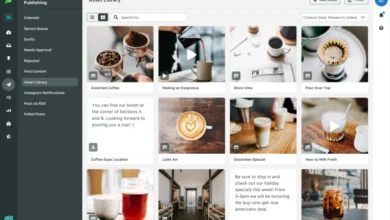
Later has long established itself as a cornerstone tool for visual-first creators and social media managers, particularly those whose digital strategy revolves heavily around the Instagram ecosystem. By offering a highly intuitive grid preview, specialized Instagram scheduling capabilities—such as product tagging and collaborative post management—and a built-in creator marketplace, the platform has successfully carved out a niche for influencers and visual brands. However, as social media strategies evolve toward multi-platform omnichannel presence, many power users are finding that Later’s specific focus on visual grids can become a bottleneck. As businesses scale, the limitations regarding cross-platform support, advanced analytics, and team-based workflows often force a reevaluation of their tech stack. For those currently navigating these constraints, a diverse market of alternatives offers specialized solutions ranging from enterprise-grade listening to streamlined, budget-friendly scheduling.
The evolution of social media management software reflects the changing demands of the digital economy. In the early 2010s, tools were primarily focused on simple post-scheduling to maintain a consistent presence. By 2020, the focus shifted toward community engagement, and by 2026, the industry has pivoted toward AI-assisted creation, influencer relationship management, and complex data-driven reporting. This shift has created a clear divide: platforms that prioritize the "aesthetic" of a social feed, such as Later, and platforms that prioritize "performance," such as Sprout Social or Agorapulse.
Market Overview and Comparative Metrics
When evaluating a transition away from Later, marketing teams and individual creators must weigh their operational requirements against the pricing and feature sets of current market leaders. As of October 2026, the social media management landscape is defined by a clear distinction between "all-in-one" enterprise solutions and "creator-first" agile tools.

| Tool | Best For | Free Tier Availability | Starting Paid Price |
|---|---|---|---|
| Buffer | Flexible, multi-channel teams | Yes | $6/channel/mo |
| Meta Business Suite | Native Meta ecosystem users | Yes (Entirely free) | N/A |
| Sprout Social | Influencer campaign management | Trial Only | $99/mo |
| Hootsuite | Enterprise social listening | Trial Only | $149/user/mo |
| Agorapulse | Unified inbox management | Trial Only | $99/user/mo |
| Planoly | Direct-to-consumer sales | Yes | $16/mo |
| RecurPost | Video-centric publishing | Trial Only | $9/mo |
Analyzing the Top Contenders
1. Buffer: The Flexibility Benchmark
For creators and teams prioritizing a balance between affordability and robust cross-platform capability, Buffer remains a industry leader. Unlike tools that force users into high-cost, high-complexity enterprise plans, Buffer maintains a modular structure. Its "Create Space" feature allows teams to ideate, draft, and refine content before it reaches the scheduling queue, bridging the gap between a content calendar and a project management tool. For users managing three or fewer channels, the free plan is among the most generous in the industry, offering a clean interface that lacks the "bloat" often found in legacy software.
2. Meta Business Suite: The Native Authority
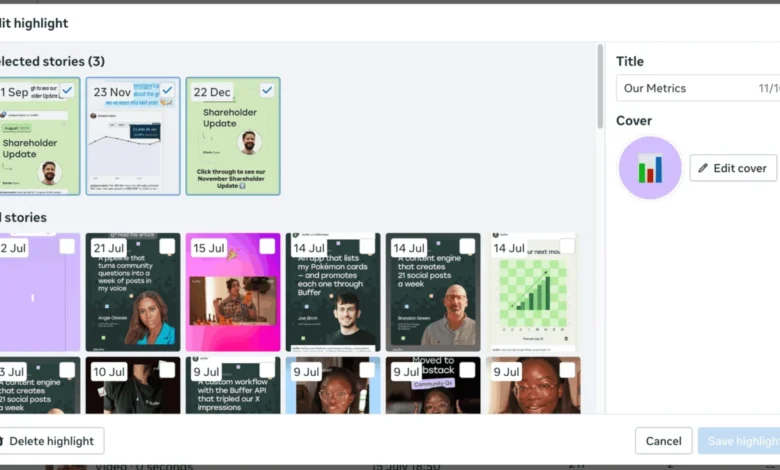
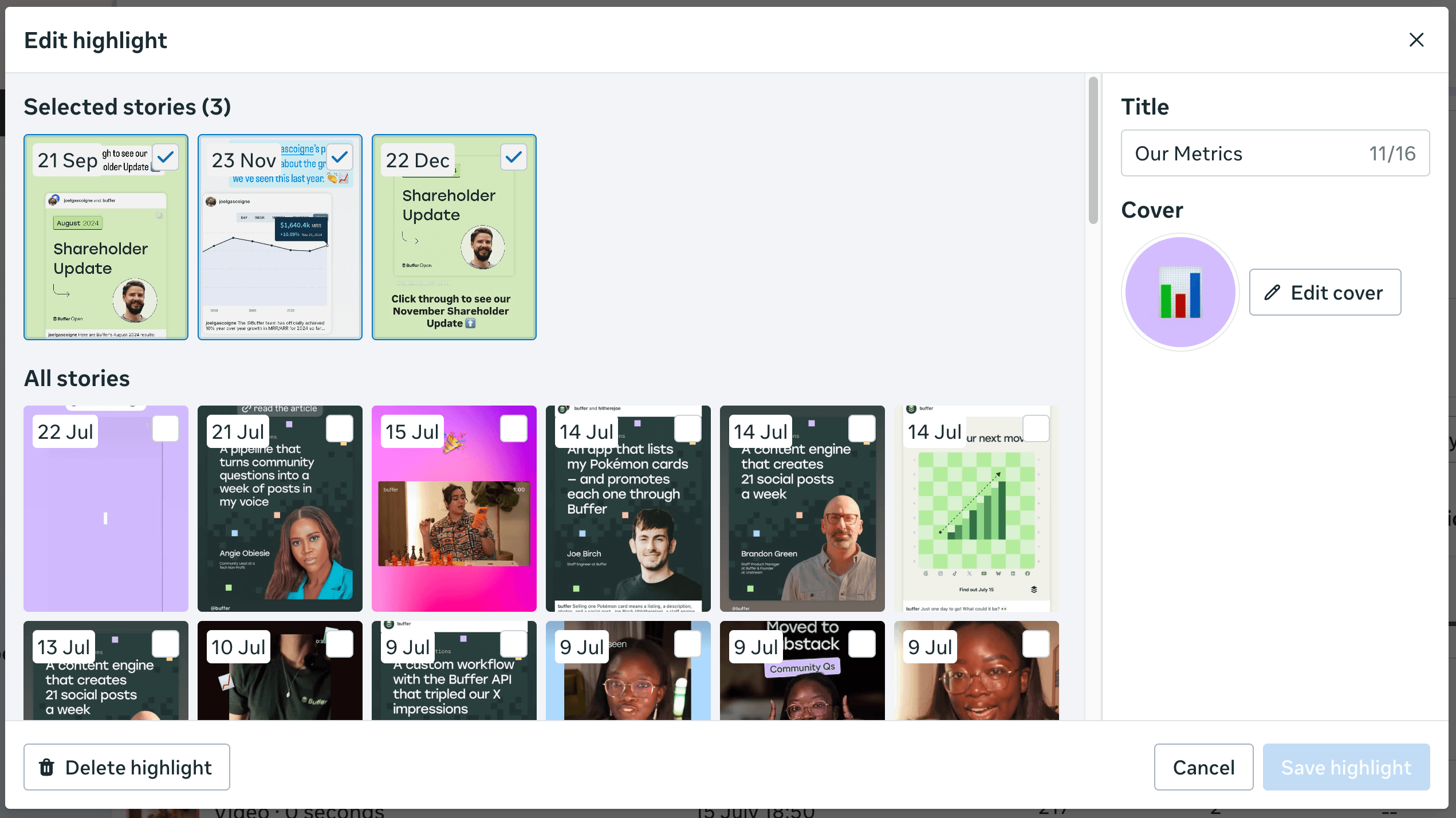
For small businesses that function exclusively within the Facebook and Instagram ecosystem, Meta Business Suite is the most logical, albeit limited, alternative. Because it is a native tool provided by Meta, it avoids the API delays that third-party schedulers occasionally encounter. Its integration with Ads Manager allows users to manage organic content and paid campaigns in a unified dashboard. While it lacks the ability to schedule for LinkedIn, TikTok, or X (formerly Twitter), its ability to manage Instagram Highlights and advanced ad-performance tracking makes it an essential, cost-free utility.

3. Sprout Social: The Enterprise Standard for Influencers
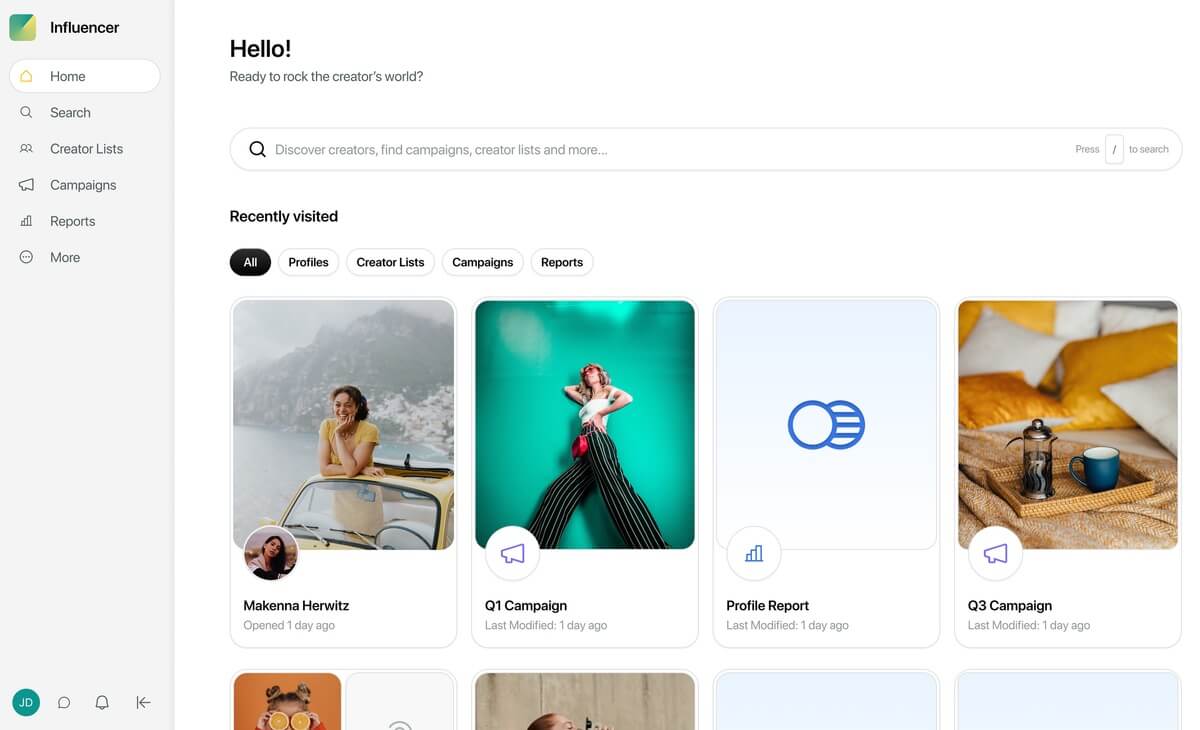
Sprout Social has positioned itself as the premier choice for brands running complex influencer marketing campaigns. In 2026, the integration of influencer discovery with performance reporting is no longer a "nice-to-have" but a requirement for high-growth brands. Sprout differentiates itself by keeping the entire influencer lifecycle—from scouting to ROI tracking—under one roof. While the price point of $99/month for solopreneurs and significantly higher for teams creates a high barrier to entry, the depth of data provided justifies the cost for organizations where influencer spend represents a significant portion of the total marketing budget.
4. Hootsuite: Benchmarking and Listening
Hootsuite continues to dominate the enterprise sector by focusing on social listening and industry benchmarking. For a global brand, knowing what consumers are saying about a competitor is just as important as knowing how their own posts are performing. Hootsuite’s extensive library of over 100 app integrations allows it to serve as the "hub" of a marketing tech stack, connecting to CRMs, customer support platforms, and specialized analytics tools. Its steep learning curve is mitigated by the sheer power of its analytics reporting, which remains a gold standard for corporate reporting.
5. Agorapulse: The Inbox Management Specialist
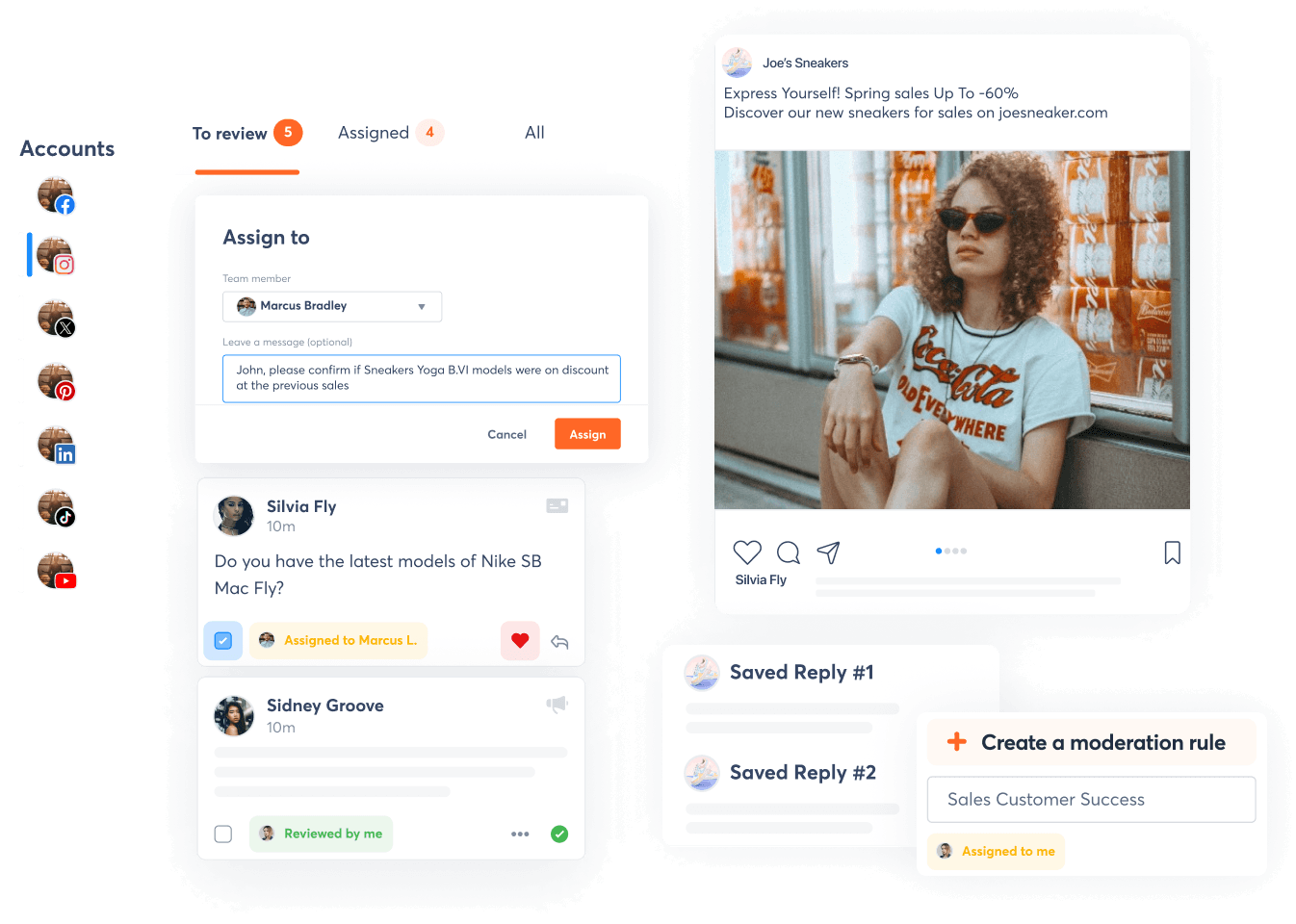
The "Social Inbox" has become the primary battleground for customer loyalty. Agorapulse excels here by providing a unified, filterable inbox that captures comments, DMs, mentions, and even comments on boosted ads. This is a critical differentiator; many other platforms fail to aggregate paid-ad comments, leading to missed opportunities for customer service or lead conversion. Furthermore, its "collision detection" feature prevents multiple team members from responding to the same customer query, a common pain point in high-volume environments.
6. Planoly: Monetization-Focused Creator Tools
Planoly has effectively pivoted from a simple grid planner to a commerce-enablement tool. The "Creator Store" functionality allows users to sell digital and physical goods directly from their link-in-bio, transforming social media profiles into active revenue channels. By integrating with payment processors like Stripe and PayPal, Planoly empowers creators to bypass traditional affiliate marketing and move toward direct-to-consumer models. While it lacks the deep social inbox features of Agorapulse, it is an ideal tool for creators whose primary goal is monetization rather than community management.
7. RecurPost: The Video Powerhouse
As short-form video continues to dominate engagement metrics, RecurPost has gained traction by offering deep per-platform controls. It is one of the few tools that provides granular control over YouTube settings—such as "made for kids" tagging and custom thumbnail selection—and TikTok features like duet and stitch enabling. For video creators who need to repurpose content across Instagram, YouTube, and TikTok while maintaining platform-specific optimizations, RecurPost provides a highly efficient workflow.
Strategic Implications for Migration
Transitioning from one social media management tool to another involves more than just a change in interface; it requires a strategic audit of data and workflow. When moving away from Later, users should be mindful of the following:
- Historical Data: While most tools can sync posts, few can pull in years of historical analytics data. Organizations should export their existing reports to a CSV or data warehouse before canceling their legacy subscription.
- API Constraints: Different platforms have different API limitations regarding what can be automated. For instance, some tools may support "auto-publishing" for Instagram Reels, while others might still rely on "push notifications" for specific features. Always verify the current API capabilities of the new provider.
- Team Onboarding: Moving a team of five or more users requires a training period. Budgeting for a two-week transition period, where the old and new tools run in parallel, is standard practice to prevent publishing gaps.
The Future of Social Media Management
The social media landscape is becoming increasingly fragmented. With the rise of niche platforms like Bluesky and the continued dominance of video-first algorithms, the "all-in-one" tool is becoming harder to build. The market is shifting toward specialized, modular platforms that allow businesses to build a "stack" of tools rather than relying on a single, monolithic application.
For the average creator, the choice of a tool in 2026 should be guided by a single question: "Does this tool save me time on the tasks that generate my primary business outcome?" If that outcome is sales, Planoly is a clear choice. If it is brand awareness and community trust, Agorapulse or Buffer offer the necessary tools to scale. If it is high-level data analysis and enterprise strategy, the higher price points of Sprout or Hootsuite are a necessary cost of doing business.
The consensus among digital marketing professionals is that the "best" tool is the one that minimizes friction. Whether that friction is manual scheduling, lack of customer engagement, or the inability to track influencer ROI, the current market offers a sufficiently mature ecosystem of alternatives to ensure that no creator or brand needs to settle for a workflow that no longer fits their needs. As these platforms continue to integrate AI-driven content generation and deeper predictive analytics, the gap between the features of these competitors will likely continue to narrow, making the selection process even more dependent on user interface preference and specific, niche-platform support.