Sony RIALTO 65 Camera Extension System Unveiled as a Transformative 65mm Upgrade for the VENICE 2 Platform

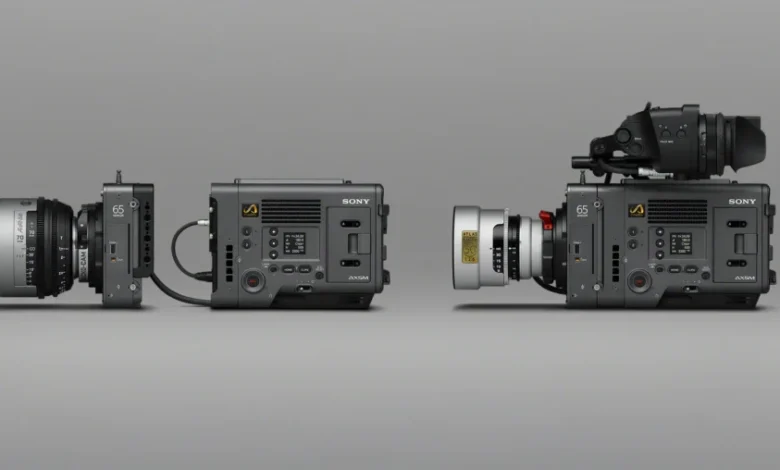
Sony’s announcement of the RIALTO 65 marks a significant pivot in the evolution of digital cinematography, effectively bridging the gap between high-end full-frame performance and the prestigious, expansive aesthetic of 65mm large-format film. By introducing a modular sensor block that integrates seamlessly with the existing VENICE 2 ecosystem, Sony is challenging the industry standard that high-resolution, large-format acquisition requires an entirely new camera architecture. The RIALTO 65, expected to reach the professional market in the first half of 2027 with an MSRP of $80,000, offers cinematographers a 9.6K sensor that promises to redefine the relationship between subject, depth, and environment.
The Genesis of the RIALTO 65: Context and Strategy
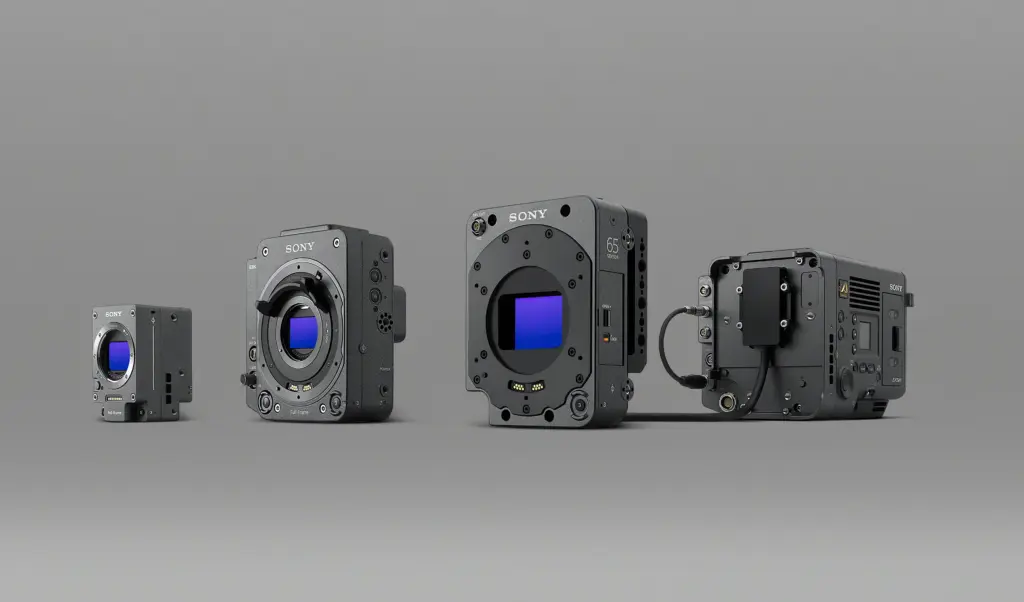
The development of the RIALTO 65 can be viewed as the logical culmination of Sony’s long-term strategy to maintain the relevance of its VENICE 2 platform. Since the release of the original VENICE, Sony has consistently pursued a modular design philosophy. The original RIALTO extension system for the first-generation VENICE proved that cinematographers highly valued the ability to decouple the sensor from the processing body, enabling cameras to fit into cramped vehicle interiors or tight architectural spaces that would otherwise be inaccessible.
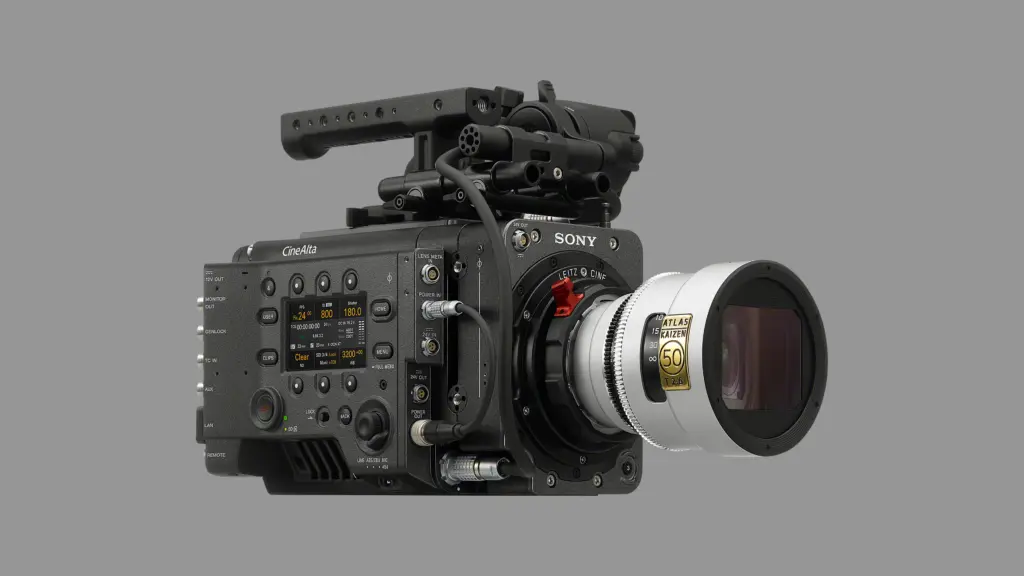
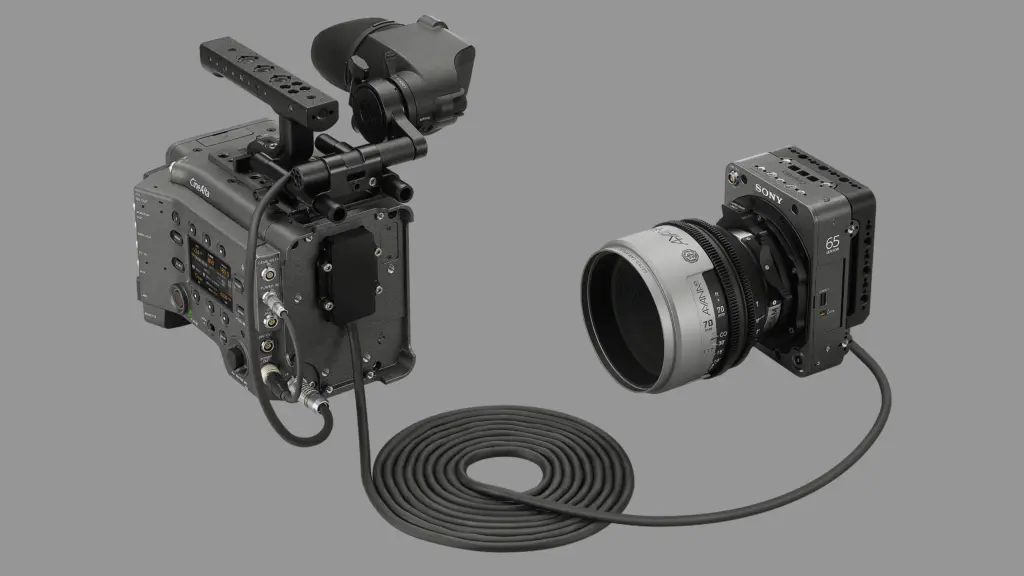
By applying this modular logic to a 65mm-format sensor, Sony is addressing a long-standing critique of large-format systems: that they are inherently bulky, cumbersome, and restrictive. Historically, 65mm cameras—whether film-based or early digital iterations—have been synonymous with large, heavy rigs that require significant support equipment. The RIALTO 65 changes this narrative by offering a 1.5kg sensor head that can be operated independently of the main recording unit, providing a degree of maneuverability previously unseen in this imaging class.
Technical Specifications and Imaging Capabilities
At the heart of the RIALTO 65 lies a sensor measuring 53.75 x 35.83mm, boasting a diagonal of approximately 64.60mm. This 3:2 imaging area is significantly larger than the standard full-frame sensors found in current flagship digital cinema cameras, offering roughly 2.2 times the surface area. This physical size is the primary driver of the system’s distinctive look.
Key technical highlights include:
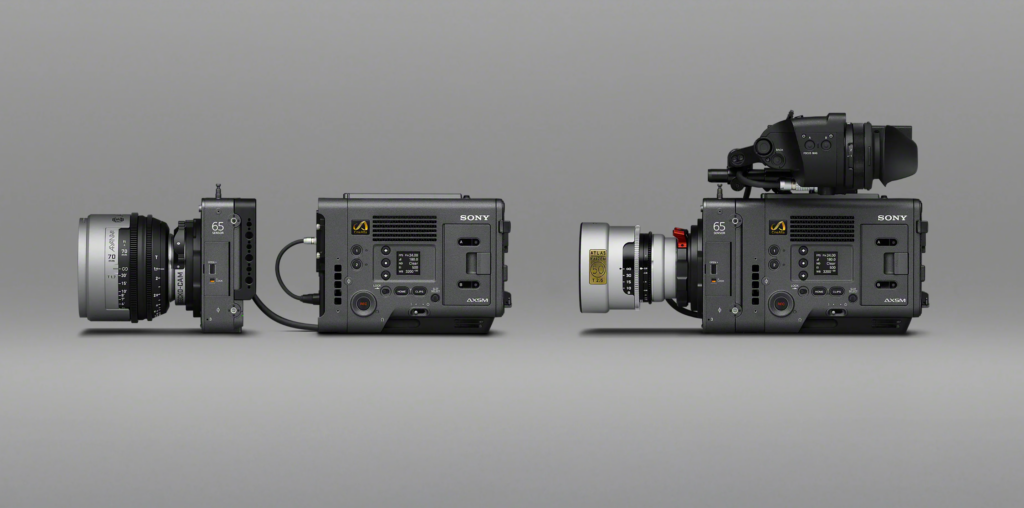
- Resolution: 9.6K 3:2 Open Gate capture, providing massive spatial detail for high-end visual effects and large-format projection.
- Readout Modes: A secondary 9.6K 2.20:1 readout mode allows for compatibility with a wider array of lenses that may not cover the full 3:2 image circle.
- Dynamic Range and Sensitivity: Inheriting the VENICE 2’s renowned image science, the system offers dual base ISOs of 2500 and 10000, with more than 15 stops of dynamic range, ensuring consistent performance in both high-contrast sunlight and low-light interiors.
- Workflow Continuity: The system maintains full compatibility with the existing X-OCN 16-bit recording workflow and AXS media, preventing the need for productions to overhaul their post-production data pipelines.
The Practical Advantages of Modular 65mm Cinematography
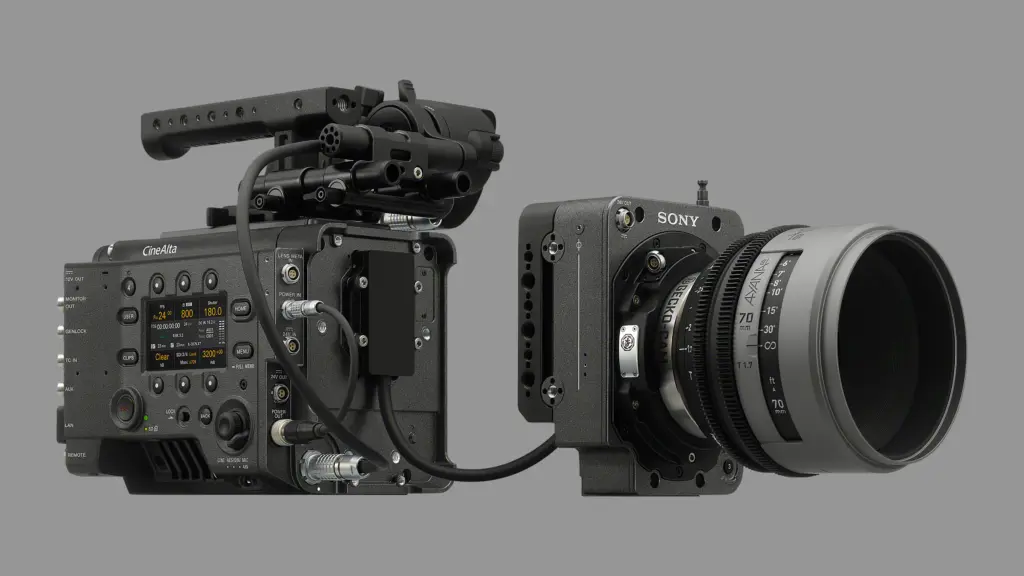
The decision to offer two primary configurations—Studio Mode and Extension Mode—is central to the RIALTO 65’s utility. In Studio Mode, the sensor block is mounted directly to the VENICE 2 body, acting as an integrated unit for traditional tripod or dolly-based cinematography. However, it is the Extension Mode that represents the most significant departure from traditional 65mm workflows.
By utilizing a dedicated cable system—available in 4.5-meter and optional 12-meter lengths—the operator can position the sensor independently of the camera body. For the cinematographer, this enables a unique creative vocabulary. Large-format imagery is often prized for its shallow depth of field and the way it renders subjects with a "painterly" quality, but this look has historically been restricted to wider, more static shots. The RIALTO 65 allows this same look to be captured in dynamic, handheld, or gimbal-mounted scenarios, or in tight physical spaces where a traditional camera body would physically not fit.
Lens Compatibility and the Challenge of Coverage
Perhaps the most daunting hurdle for any 65mm-format camera is the availability of glass that can cover the sensor’s massive image circle without vignetting or loss of resolution at the edges. Sony has wisely opted not to enforce a proprietary lens mount, instead designing the RIALTO 65 to accommodate third-party lens-mount adapters.
This openness is essential, as it allows rental houses and productions to leverage the vast library of existing large-format and medium-format optics. However, it places a higher burden of responsibility on the production’s camera department. Pre-production planning now requires rigorous testing of lens coverage for the 3:2 mode versus the 2.20:1 mode. To mitigate these challenges, the camera provides metadata transmission for compatible lenses, ensuring that focus, aperture, and focal length data are accurately recorded for use in virtual production environments and VFX pipelines.
Furthermore, the integration of an electronically controlled, drop-in ND filter system represents a significant quality-of-life improvement. By allowing the VENICE 2 body to automatically recognize the filter density, Sony has ensured that the exposure workflow remains as streamlined as the standard VENICE 2, despite the massive increase in sensor size.
Market Positioning and Industry Implications
The $80,000 price point firmly positions the RIALTO 65 as a premium tool for high-end feature film production and top-tier episodic television. It is not intended for the independent or low-budget market; rather, it is designed for productions that require the highest possible image quality while demanding the flexibility to work in complex, fast-paced shooting environments.
The existence of this system has several implications for the broader camera market:
- Validation of Modular Design: If the RIALTO 65 succeeds, it may encourage other manufacturers to move away from rigid, "all-in-one" body designs in favor of modular sensor-swapping architectures.
- Pressure on Competitors: Rivals in the high-end digital cinema space, such as ARRI and RED, will likely face increased pressure to provide similar flexibility in their own large-format offerings.
- Longevity of the VENICE 2: By allowing the VENICE 2 to evolve into a 65mm camera, Sony has effectively extended the life cycle of the camera body, protecting the investment of owners who have already built their inventory around the VENICE 2 platform.
A Timeline of Future Developments
While the official launch is slated for the first half of 2027, the rollout is expected to be iterative. Sony has hinted at future firmware updates that will introduce additional sensor readout modes, further expanding the flexibility of the framing options. This approach suggests that the RIALTO 65 is not just a one-time product release, but a platform that will continue to be refined based on feedback from the field.
Cinematographers are already anticipating the impact this system will have on visual storytelling. The field test conducted in the Mojave Desert served as a proof of concept, illustrating how the 9.6K resolution captures the vastness of the landscape while simultaneously preserving the intimate detail of a subject’s expression—a combination that is notoriously difficult to achieve with smaller formats.
Conclusion: A New Standard for Large-Format Production
The Sony RIALTO 65 represents a rare moment in professional cinematography where a manufacturer has prioritized practical utility as much as raw technical performance. By preserving the established VENICE 2 color science and workflow while significantly expanding the sensor’s imaging area, Sony has created a bridge to a new, more expansive visual language.
As the industry moves toward 2027, the success of the RIALTO 65 will be measured by its adoption among elite cinematographers and its ability to handle the rigorous, often unpredictable, demands of real-world production. It is a system built not just for the sake of higher resolution, but for the sake of giving directors and cinematographers a more versatile, capable, and expressive toolset. For those who believe that the future of cinema lies in the marriage of 65mm scale and digital agility, the RIALTO 65 stands as a defining step forward.