The evolution of LinkedIn from a specialized professional networking tool into a content-heavy, algorithm-driven social media platform has sparked a growing debate regarding its utility for modern job seekers and industry professionals. Originally founded in 2002 as a streamlined utility for resume hosting and professional connections, the platform has undergone significant structural changes following its $26.2 billion acquisition by Microsoft in 2016. These changes, characterized by a shift toward increased user engagement metrics, algorithmic content feeds, and a tiered subscription model, have prompted concerns among long-term users who perceive a decline in the platform’s core functional value.

The Evolution of a Professional Ecosystem
LinkedIn’s trajectory from a static repository of professional data to an active content ecosystem mirrors the broader shift in social media monetization strategies. In its early years, the platform functioned primarily as a digital Rolodex. However, the integration of features such as "LinkedIn Pulse," the acquisition of the professional education platform Lynda.com in 2015, and the subsequent pivot to an infinite-scroll feed model, signaled a strategic move toward competing for daily active user (DAU) time.
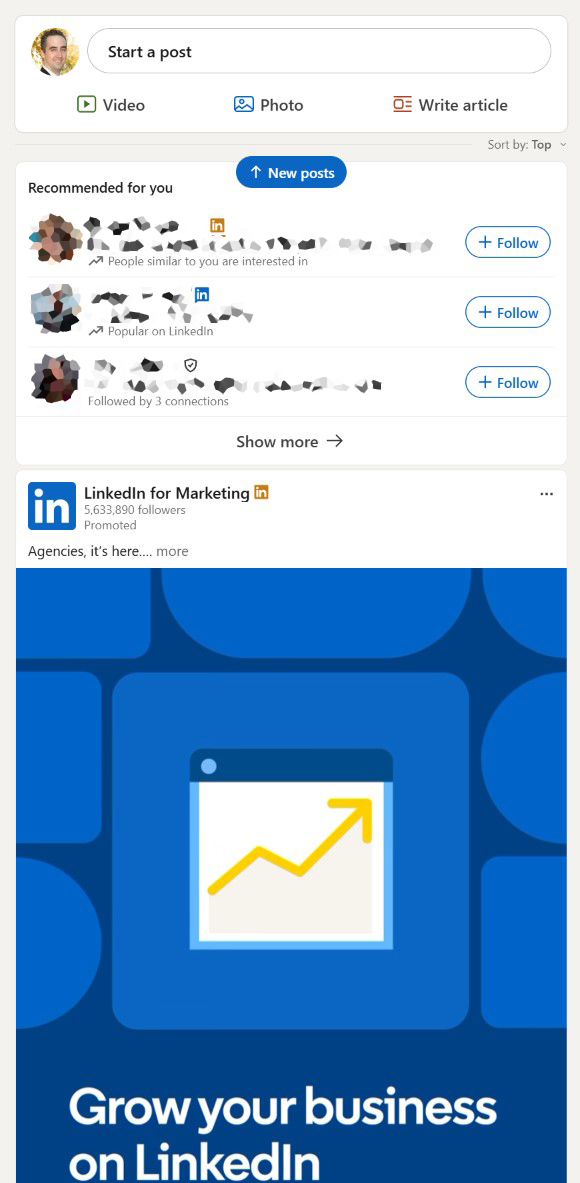
The 2016 acquisition by Microsoft accelerated this transformation. Under Microsoft’s ownership, LinkedIn was tasked with becoming a more integral part of the "professional life" of its users. This meant moving beyond job applications to hosting industry news, personal anecdotes, and viral media. By 2023, reports indicated that LinkedIn’s revenue from its Talent Solutions, Marketing Solutions, and Premium Subscriptions had reached record highs, with total annual revenue exceeding $15 billion. This fiscal success, however, has coincided with user reports of "feed fatigue," where professional networking is increasingly obscured by unrelated viral content and aggressive upselling of the LinkedIn Premium tier.
Algorithmic Shifts and the Problem of "Feed Noise"
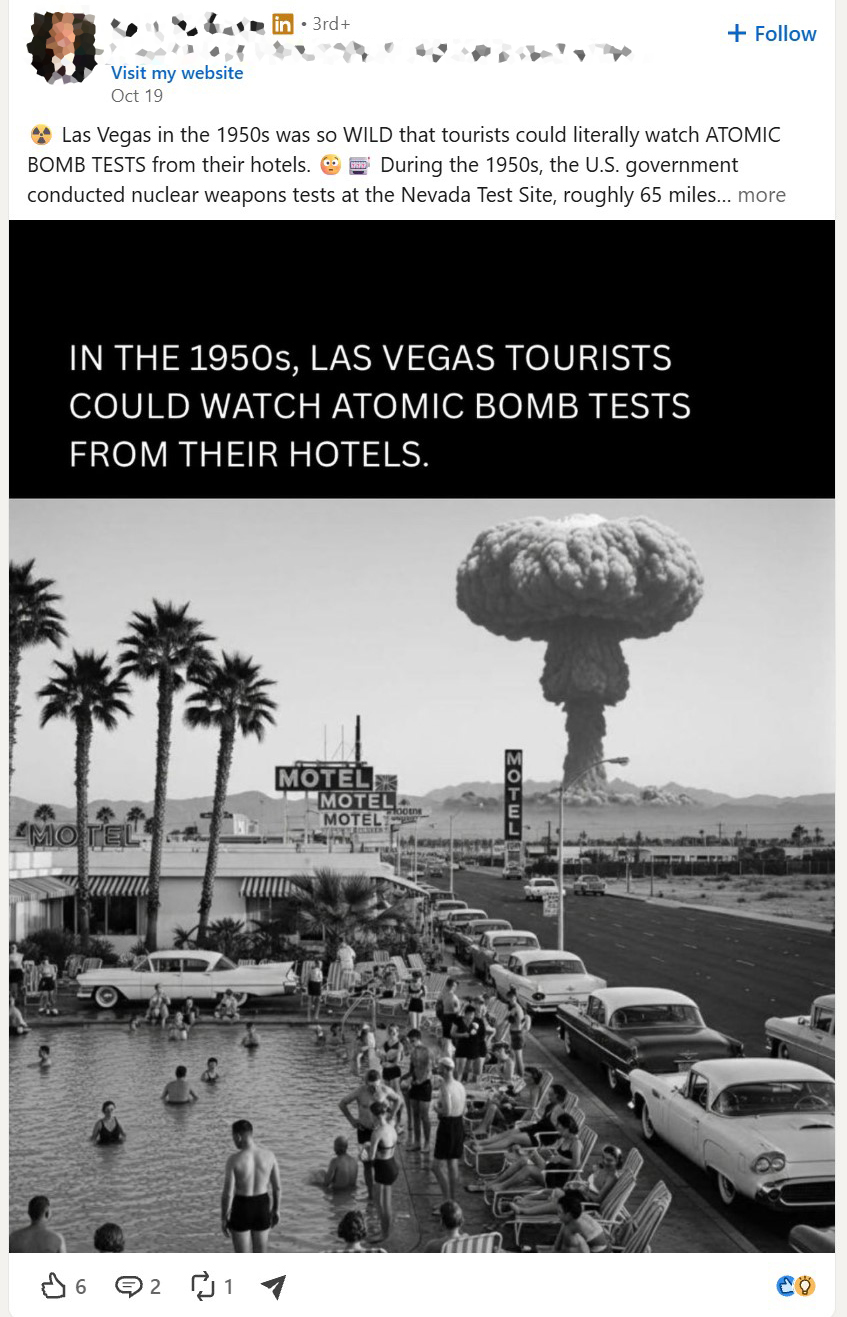
Central to user dissatisfaction is the current state of the algorithmic feed. Modern LinkedIn users frequently report that their feeds contain content from second- and third-degree connections that lacks professional relevance. This design choice, intended to increase platform engagement, often results in a fragmented experience.
Data suggests that social platforms prioritize content that maximizes time-on-site. For LinkedIn, this has led to the inclusion of "engagement-bait" posts—content that triggers comments and reactions, such as personal career epiphanies or generic industry commentary. When users attempt to curate their feeds by pruning their connections, the algorithmic nature of the platform often fails to adjust, continuing to surface "recommended" content that may be disconnected from the user’s specific field of work. This has led to a perception that the platform has moved away from its foundational purpose of fostering high-value, direct professional connections.
The Monetization of Professional Frustration
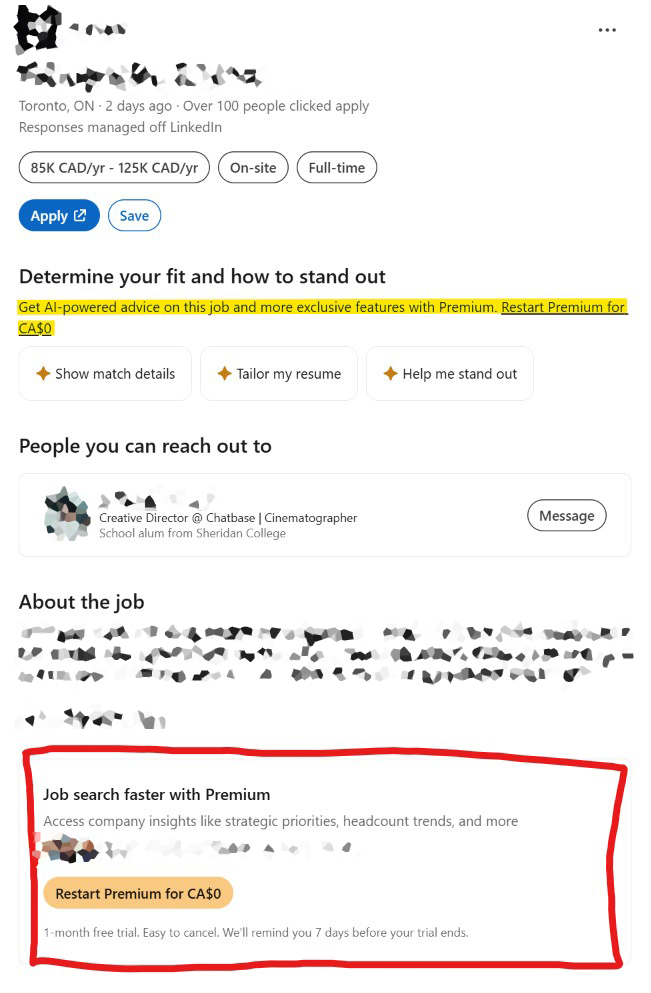
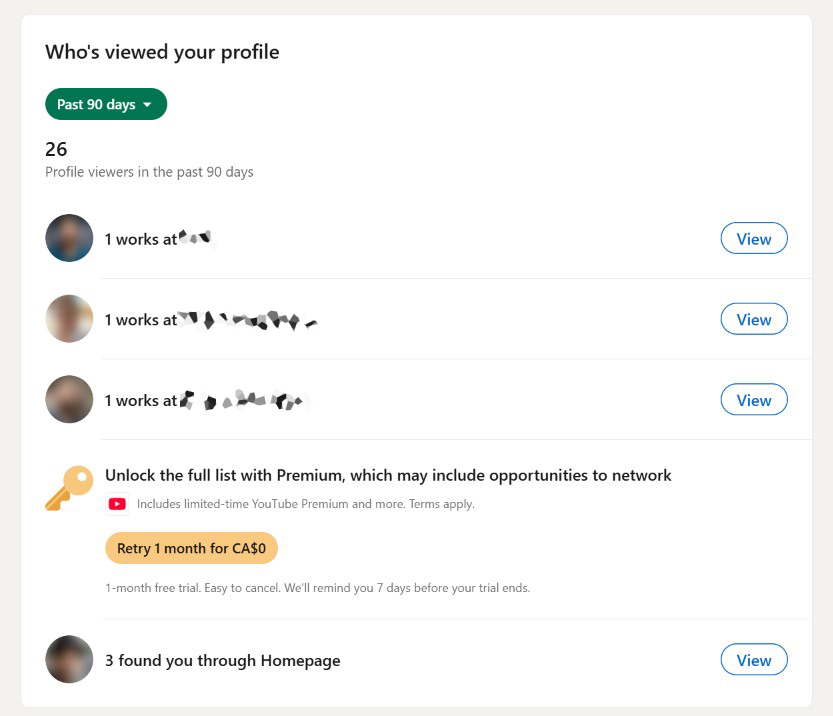
The tension between the platform’s utility as a job-seeking tool and its revenue model is most visible in the promotion of LinkedIn Premium. For those in the midst of a job search, the barrier between basic and premium features—such as viewing the full list of who has visited one’s profile—can feel like a financial hurdle at a time of professional vulnerability.
Industry analysts have noted that LinkedIn’s strategy of "gating" data is a standard SaaS (Software as a Service) business model. By limiting the visibility of applicant insights and profile viewers, the platform creates an incentive for users to upgrade. However, the juxtaposition of these prompts alongside job applications—often the most stressful part of a user’s experience—has drawn criticism. For many job seekers, the feeling that they must pay to gain a competitive edge in an already opaque hiring market creates a negative feedback loop, where the platform appears to be monetizing user anxiety.
The Decline of Educational Accessibility: The Case of LinkedIn Learning
The integration of Lynda.com into the LinkedIn ecosystem as "LinkedIn Learning" provides a case study in the trade-offs of corporate consolidation. Originally, Lynda.com was lauded for its high-quality, professional-grade technical training, often accessible through institutional partnerships like public libraries.
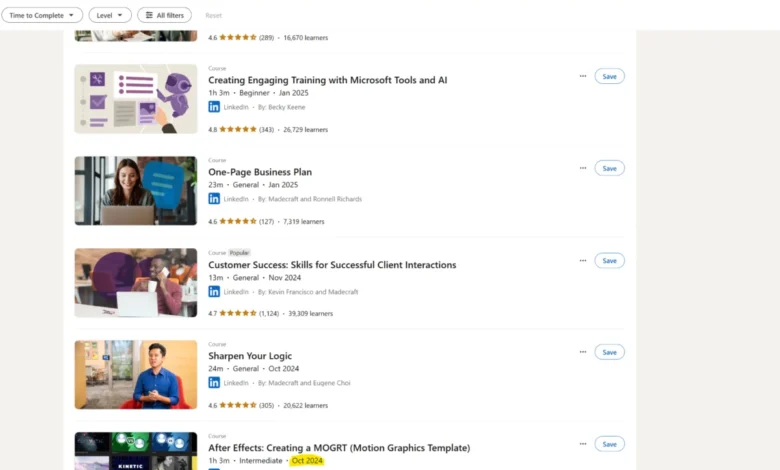
Following the acquisition, many users noted a shift in the accessibility and the technical currency of the library. As software in creative industries—such as video editing, graphic design, and 3D animation—evolves rapidly, the need for up-to-date training is paramount. Users have observed that some portions of the LinkedIn Learning library have not kept pace with industry updates, leading to a diminished utility for professionals who rely on these tools for technical certification. The loss of easy, library-based access for many users has further fueled the sentiment that the platform is prioritizing revenue over its original promise as a hub for professional development.
Industry Reactions and Competitive Landscape
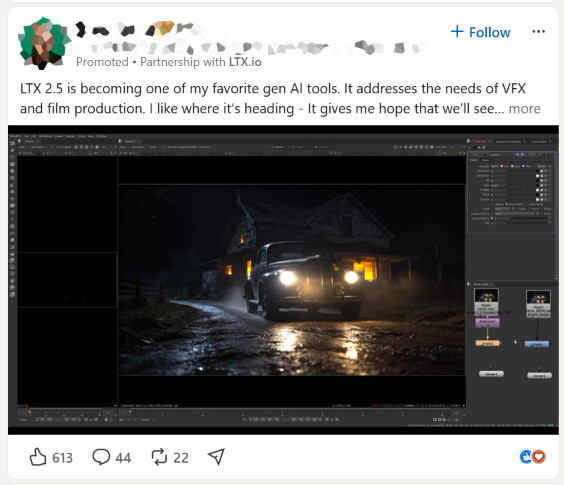
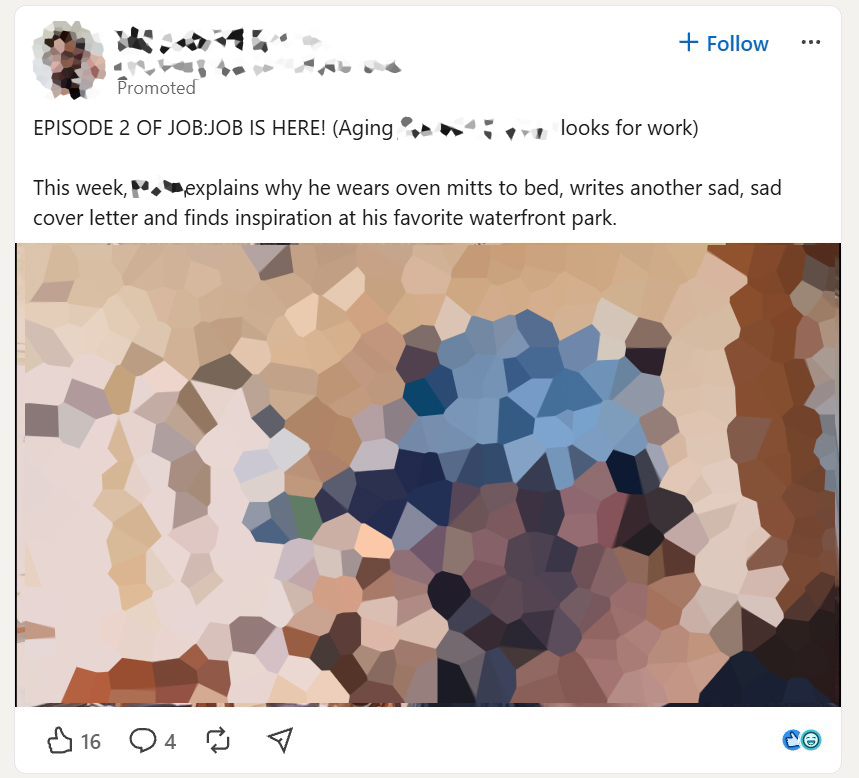
The frustration with LinkedIn’s current state has opened a niche for competitors. Various startups and niche platforms have begun marketing themselves as alternatives to LinkedIn, specifically targeting the "job search fatigue" that many users report. These companies often utilize advertising campaigns that directly contrast their services with the perceived inefficiency of the LinkedIn application process, highlighting the "black hole" of job applications where candidates receive little to no feedback.
While LinkedIn maintains a dominant market share, the emergence of these alternatives serves as a market indicator of the dissatisfaction among a core demographic: highly skilled professionals who feel the platform no longer serves their specific needs.
Broader Implications for Professional Networking
The fundamental question facing LinkedIn is whether it can maintain its status as the premier professional network while simultaneously operating as an ad-driven social media entity. The platform’s success in attracting a global user base is undisputed, yet the "noise" generated by its current feed architecture threatens the quality of the connections made.
When professionals view the platform as a source of distraction rather than a tool for advancement, the value of the network naturally degrades. If the content on the feed continues to move toward generic social media engagement, there is a risk that the platform will lose the "professional" signal that made it indispensable in the first place.
The Resilience of the Core Value Proposition
Despite these structural issues, the fundamental premise of LinkedIn remains valid. A recent inquiry into whether users successfully secure employment through the platform yielded varied but positive results. Many professionals report that LinkedIn remains an essential tool for reaching recruiters and maintaining industry contacts. The platform’s ability to facilitate networking that spans international borders and disparate industries is unmatched by any other current social media tool.
The challenge for LinkedIn leadership is to balance the fiscal demands of a publicly traded company with the user-experience requirements of a professional network. To retain its position as a tool for career advancement, the platform may eventually need to reconcile the disparity between its role as an advertising powerhouse and its role as a professional utility. Whether this will involve a refinement of the algorithm to favor professional utility over raw engagement, or a restructuring of the subscription model to better serve job seekers, remains to be seen.
Ultimately, the professional community remains tethered to LinkedIn because, for all its current flaws, it remains the primary directory of the global workforce. The future of the platform will likely depend on its ability to prove that it still prioritizes the professional success of its users above the metrics of its feed.