Apple introduces new MacBook Pro with PROLED XDR display and a touchscreen

The landscape of professional computing shifted significantly this week as Apple unveiled its latest iteration of the MacBook Pro, a machine that fundamentally alters the hardware paradigm for the company’s flagship laptop line. By integrating a PROLED XDR display and, for the first time in Mac history, a touchscreen interface, Apple has bridged the design philosophy of its mobile ecosystem with the robust performance requirements of professional creative workflows. These machines, powered by the new M5 Pro and M5 Max silicon, represent the most substantial hardware revision in recent years, prioritizing display fidelity and user interaction.
The Evolution of the Mac Interface
For over a decade, Apple maintained a staunch divide between its touch-centric iPad lineup and its pointer-based macOS environment. Industry analysts had long speculated about the eventual convergence of these platforms, particularly as iPadOS gained mouse and trackpad support. The introduction of a touchscreen on the MacBook Pro suggests a strategic pivot. While the company has not yet fully transitioned macOS to a touch-first interface, the inclusion of this technology serves as an acknowledgment of shifting user habits—where modern creative professionals, accustomed to the tactile control of the iPhone and iPad, increasingly expect seamless physical interaction with their digital content.
This shift follows a multi-year roadmap. Apple’s transition from Intel-based processors to its proprietary Apple Silicon (the M-series) provided the thermal efficiency and power management necessary to support more advanced, power-hungry display technologies like the PROLED XDR. By aligning the launch of these machines with the latest updates to Final Cut Pro and other creator-focused software, Apple is positioning the new MacBook Pro not merely as a laptop, but as an integrated studio environment.
Technical Specifications: The PROLED XDR Display
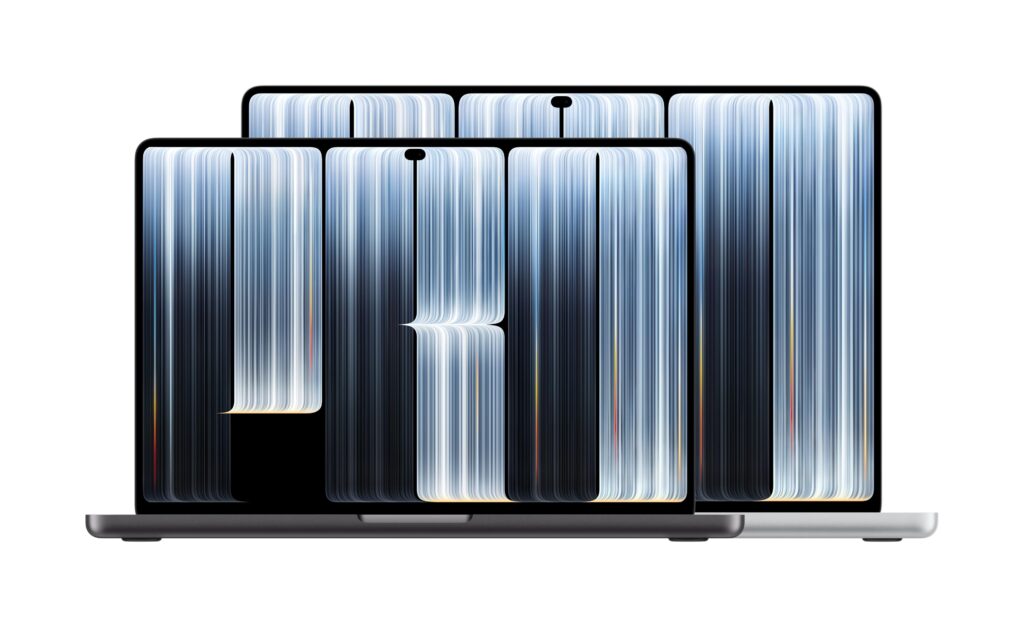
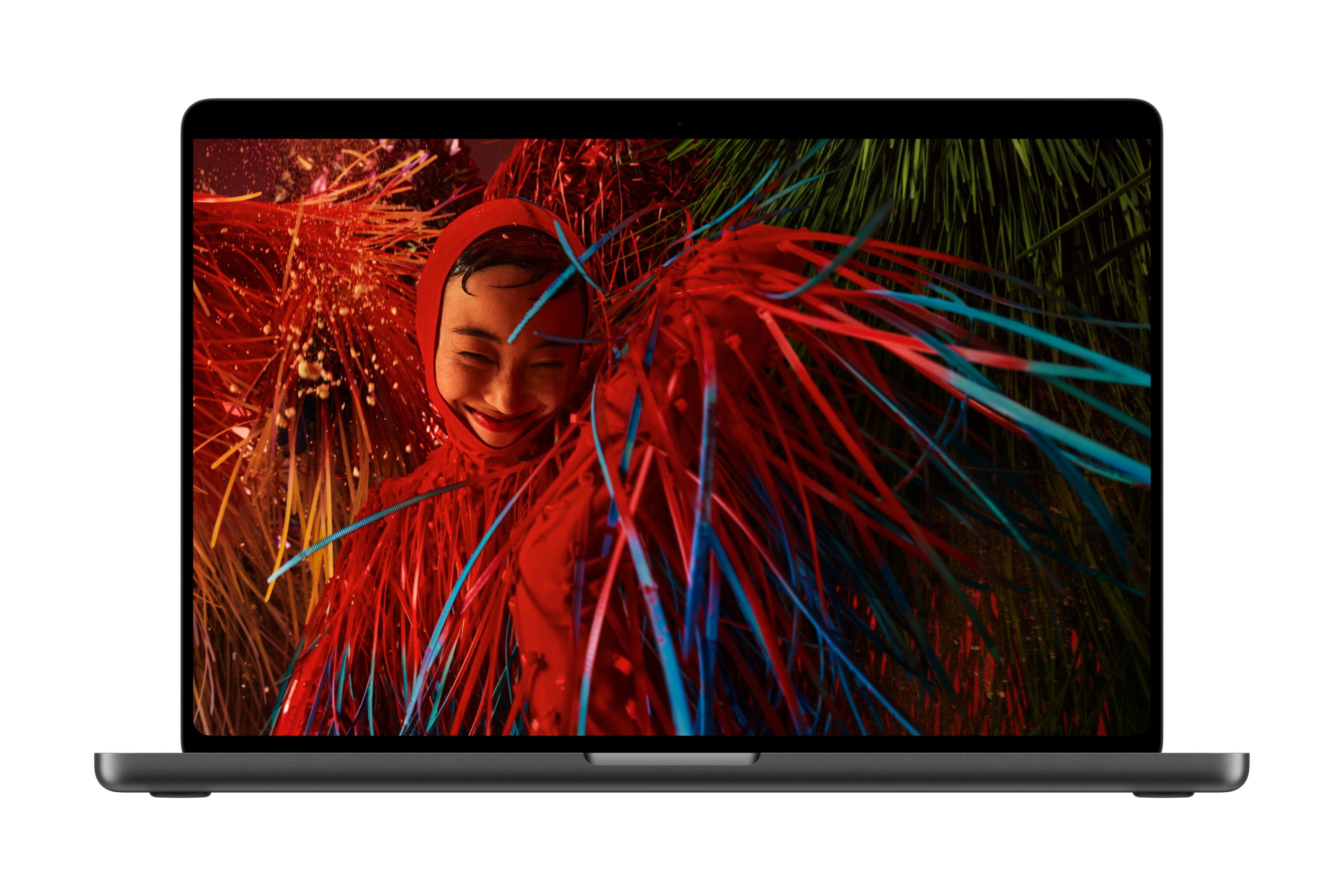
The centerpiece of the new MacBook Pro is the PROLED XDR display, which utilizes tandem OLED technology. Unlike traditional OLED panels, the tandem approach stacks two light-emitting layers to achieve greater longevity, higher brightness, and improved color accuracy.
Key performance metrics for the display include:
- Peak SDR Brightness: Sustained 2,000 nits, ensuring visibility in high-ambient light environments, a critical factor for editors working in varying professional settings.
- Contrast Ratio: 10,000,000:1, allowing for near-infinite black levels and precise highlight control, eliminating the blooming effects often associated with legacy backlighting systems.
- Color Gamut: Comprehensive coverage of P3 and Adobe RGB, catering to the specific needs of colorists and video editors who require color-critical output beyond the standard sRGB space.
- Refresh Rate: ProMotion technology supporting up to 120Hz variable refresh rates, essential for smooth playback of high-frame-rate motion graphics and video timelines.
Apple’s move to increase SDR brightness to 2,000 nits is a noteworthy departure from focusing solely on HDR performance. Most professional video work is still mastered in SDR, and providing HDR-level brightness for standard workflows offers a tangible benefit for daily productivity, reducing eye strain and increasing clarity in bright production environments.
Performance and Processing Architecture
Under the chassis, the new MacBook Pro utilizes the M5 Pro and M5 Max chipsets. These processors utilize an advanced node architecture that emphasizes efficiency and memory bandwidth. For the professional sector, the distinction between the two chips lies primarily in their media engines. The M5 Max includes double the number of media encode and decode engines compared to the M5 Pro, providing a distinct advantage for workflows involving intensive format conversion, high-resolution ProRes editing, and real-time color grading.
The memory bandwidth on the M5 Max configuration is designed to handle large-scale data throughput, allowing editors to manage multi-stream 8K workflows without the latency that often plagues desktop-class mobile workstations. While an "Ultra" variant remains reserved for the Mac Studio desktop line, the M5 Max MacBook Pro serves as the pinnacle of mobile compute power currently available within Apple’s hardware ecosystem.
Market Implications and Professional Adoption
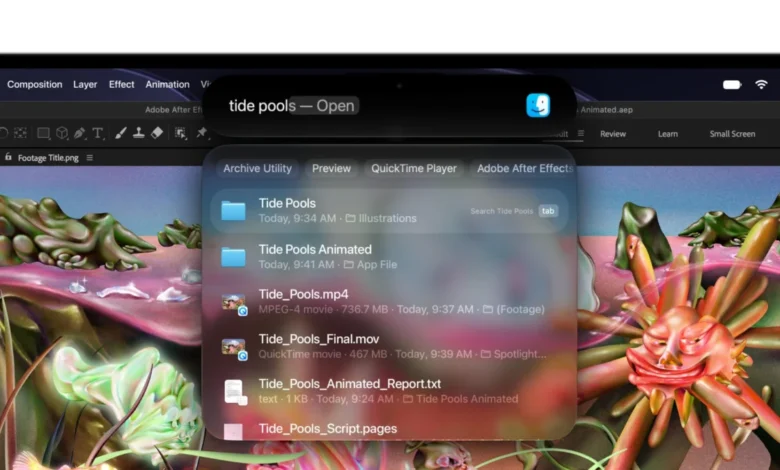
The introduction of these features carries broad implications for the creative industry. The inclusion of the Dynamic Island—a UI element previously exclusive to the iPhone—indicates a continued unification of the Apple interface design language. For developers, this creates a new challenge: updating software to accommodate both traditional pointer-based navigation and direct touch input.
Industry analysts suggest that this hardware update is aimed at securing the MacBook Pro’s position against rising competition from Windows-based mobile workstations, which have offered touchscreens for years. However, by coupling touch capability with a high-end OLED display that meets stringent color-accuracy standards, Apple is betting that it can deliver a more refined experience than its competitors.
Pricing, Availability, and Configuration
The new MacBook Pro is available in 14-inch and 16-inch form factors, catering to both the ultra-mobile professional and the user who requires maximum screen real estate. The 14-inch model starts at $2,899, while the 16-inch model begins at $3,399.

Storage options scale up to 16TB, though standard configurations starting at 2TB remain the recommended baseline for most creative professionals, given the maturity of high-speed external storage solutions. While premium configurations can exceed $5,000, Apple has structured the pricing to keep the core professional-grade machines within the traditional budget range for high-end production hardware. Shipping is scheduled to commence next week, with widespread availability expected across global retail channels.
Broader Industry Reaction
Initial responses from the creative community have focused on the integration of touch. While skepticism remains regarding the utility of a touchscreen in a vertical laptop form factor, the consensus is that the hardware itself—specifically the tandem OLED display—sets a new benchmark for laptop monitors.
"The transition to PROLED XDR is a significant engineering feat," noted one industry consultant. "By focusing on SDR brightness and contrast, Apple is addressing the actual daily pain points of colorists and editors, rather than just chasing peak HDR numbers that aren’t yet relevant for every broadcast or streaming delivery."
As the industry moves toward more collaborative, mobile-first workflows, the new MacBook Pro serves as a testament to the maturation of Apple Silicon and the company’s commitment to the professional market. Whether the touch interface becomes a standard tool for video editing or remains an auxiliary input method, the hardware foundations of the new MacBook Pro ensure it will remain a staple in professional creative environments for years to come.