The Art of Political Tailoring: How Jenny Gering Crafts the Visual Language of Power in The Diplomat Season 4

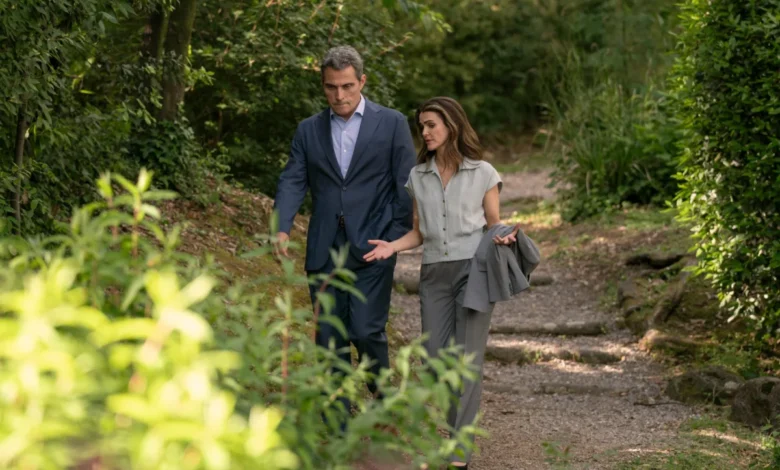
The political landscape presented in the fourth season of the Netflix series The Diplomat, created by Debora Cahn, serves as more than just a backdrop for international intrigue; it functions as a masterclass in visual storytelling. Central to this aesthetic is costume designer Jenny Gering, whose work has redefined how the modern political thriller approaches the "uniforms" of power. As the series navigates high-stakes summits, complex marital dynamics, and shifting geopolitical allegiances, the attire worn by characters like Kate Wyler (Keri Russell) and Hal Wyler (Rufus Sewell) provides a silent, sophisticated commentary on their evolving internal states.
The fourth season, which has garnered significant critical attention for its grounded yet aspirational depiction of Washington and international diplomacy, relies heavily on Gering’s character-driven design philosophy. In a world where every gesture is measured and every word is parsed for hidden meaning, clothing serves as the primary non-verbal communicator. For Gering, costumes are not merely fabrics; they are vessels of armor, vulnerability, and romanticism.
The Logistics of the G7 Summit Finale
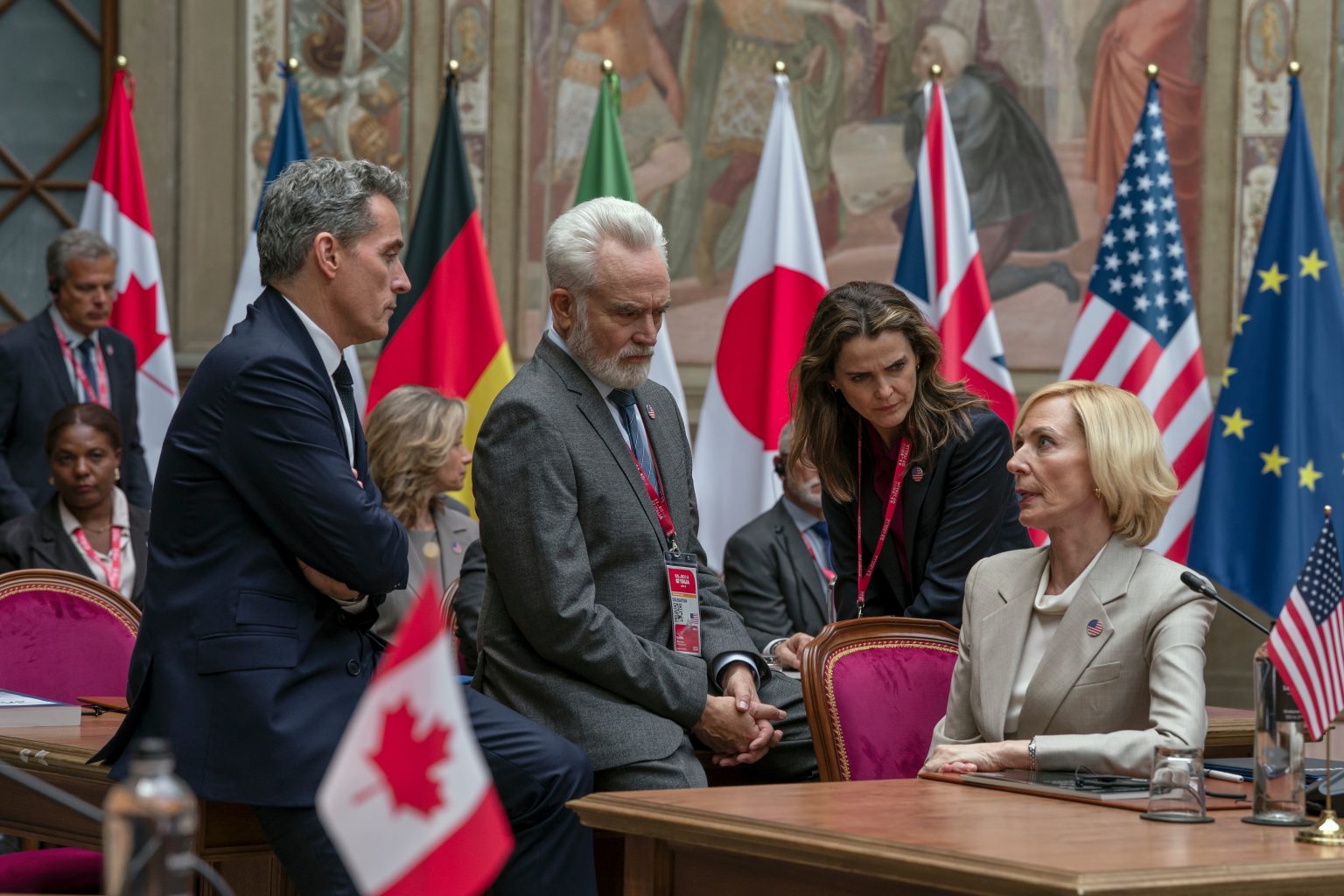
The season’s finale, centered on a massive G7 summit, represented the most significant logistical challenge of the production. Filming across multiple international locations—including New York, London, and Florence—required a level of coordination rarely seen in television production. Gering and her team began the intensive preparation for the finale episodes long before the scripts were finalized, working in tandem with the show’s writers to ensure the visual environment matched the narrative gravity of the event.
The G7 sequence required a meticulous approach to global representation. Gering’s team was tasked with ensuring that world leaders, aides, and support staff appeared authentically tied to their respective nations. This involved rigorous research into the tailoring, color palettes, and cultural nuances of political attire in Japan, France, Italy, and beyond. The objective was to maintain a level of realism that grounded the heightened drama of the series, ensuring that even background performers appeared as genuine conduits of international political machinery.
Character Evolution Through Sartorial Choices
Throughout the season, the character of Kate Wyler has undergone a subtle visual evolution. As the narrative progressed, Gering moved away from rigid, traditional structures, opting for modifications that reflect Kate’s growing comfort and shifting priorities. A notable example is the transition from her signature, utility-focused boots to lower-heeled shoes and a more relaxed silhouette during the Italy-based episodes. These changes, though seemingly minor, are deliberate signals to the audience regarding the character’s emotional state.
Similarly, the portrayal of President Grace Penn (Allison Janney) required a unique visual strategy. Rather than leaning on historical tropes of female political figures, Gering worked to create an original, authoritative look for the President—a style that balances strength with a certain "ivory tower" isolation. By utilizing custom-made suits and blouses rather than off-the-rack garments, Gering ensured that President Penn’s appearance remained consistently detached from the characters around her, reinforcing her narrative role as a figure increasingly isolated by her own decision-making processes.
The Language of Romanticism and Vulnerability
The fourth season also highlighted the relationship between characters Stuart Hayford and Eidra Park, particularly through a pivotal, tender moment in the finale. The choice of a softer, pink-toned gown for Eidra was a deliberate departure from her usual "battle armor" of sharp, structured jewel tones. This choice underscored a momentary vulnerability, allowing the audience to see the character outside of her professional context.
This attention to detail extends to the "three-dimensional chess" of group scenes. In diplomatic settings, where the visual composition often involves multiple characters in formal attire, Gering treats every scene as a painterly vignette. By carefully coordinating colors and cuts, she ensures that the visual hierarchy matches the narrative power dynamic of the scene, preventing the "sea of blue suits" that often plagues political dramas.
Technical Precision and Creative Collaboration
The collaboration between Gering and the cast, particularly Keri Russell, has become a cornerstone of the show’s aesthetic. Their working relationship is characterized by a shorthand built over multiple seasons. Discussions often focus on the functional requirements of the script: Can the character perform a specific action in this garment? Does the clothing allow for the necessary movement during intense dialogue scenes?
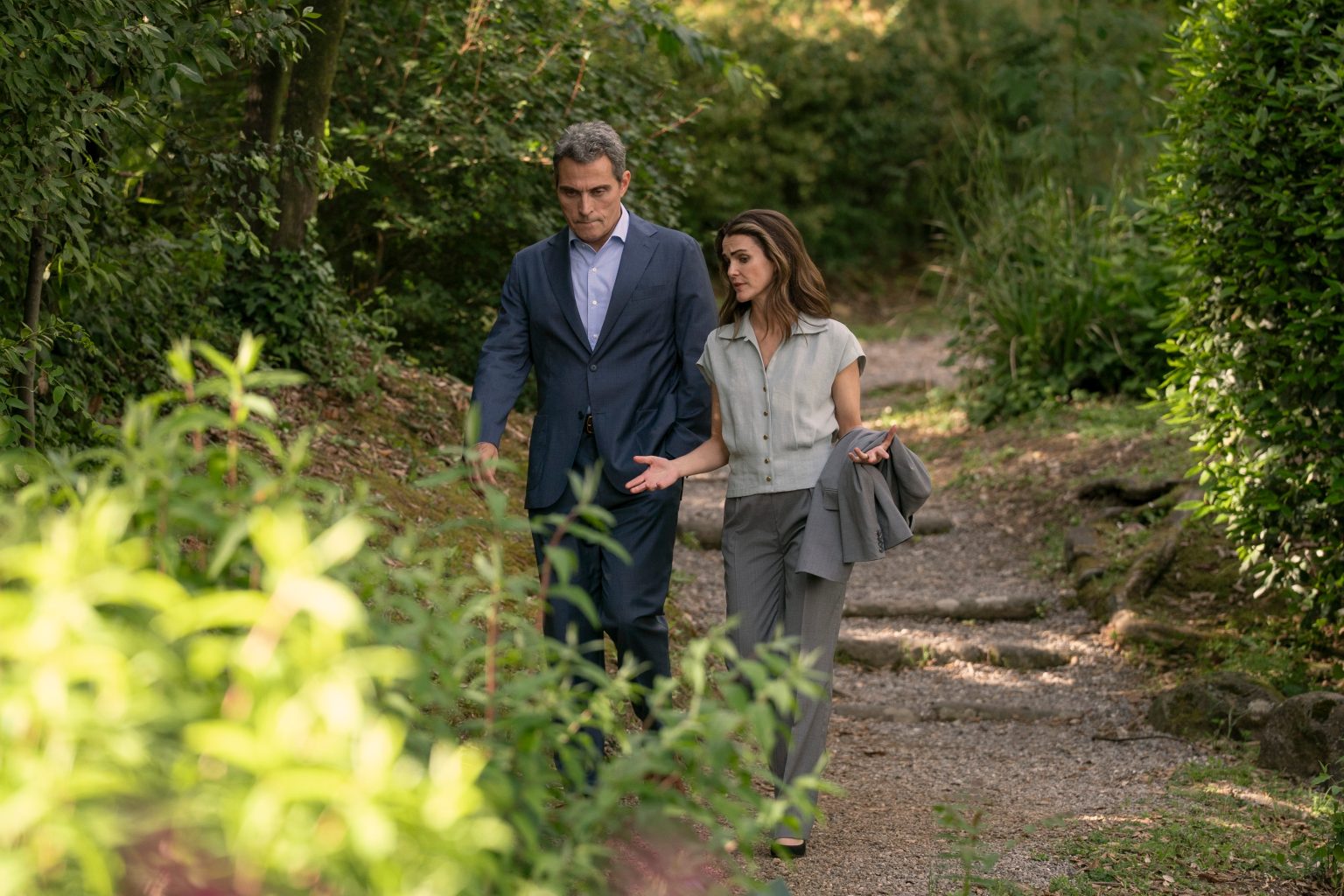
One specific instance involved a scene requiring a character to transition from a social event to a video conference with the President. Gering designed the dress to work in conjunction with a blazer, allowing the character to appear work-appropriate without requiring a full costume change. Such pragmatic considerations demonstrate Gering’s commitment to the intersection of aesthetic appeal and narrative utility.
Broader Implications: The "Uniform" of Politics
In the broader context of contemporary television, The Diplomat stands out for its adherence to the concept of clothing as a uniform for battle. For the characters, dressing for the day is akin to an act of preparation for the pressures of their profession. This is particularly true for women in positions of power, where the line between being "too soft" or "too masculine" is a constant point of tension. Gering’s designs navigate this line with precision, providing a look that is both aspirational and deeply rooted in the realities of the professional world.
The series has sparked discussions about the role of the costume designer in maintaining narrative consistency. By treating the script as the primary source material, Gering ensures that the costumes serve the story rather than distracting from it. This objective-driven approach has resonated with audiences, leading to increased interest in the behind-the-scenes processes that bring such high-stakes environments to life.
The Future of Political Aesthetic
While Gering maintains that she does not personally participate in costume-based holidays like Halloween, the success of the show’s aesthetic has led to a growing curiosity about the influence of fictional political wardrobes on real-world fashion. The show’s ability to turn the mundane elements of political dress—such as shirt shoulders, tie widths, and fabric weight—into elements of character development has elevated the standard for costume design in the political thriller genre.
As the production of the series continues, the integration of costume design into the early stages of the writing process remains a testament to the show’s dedication to quality. The collaborative efforts between the writers’ room and the wardrobe department ensure that the visual language of the show remains as dynamic as the geopolitical landscape it portrays.
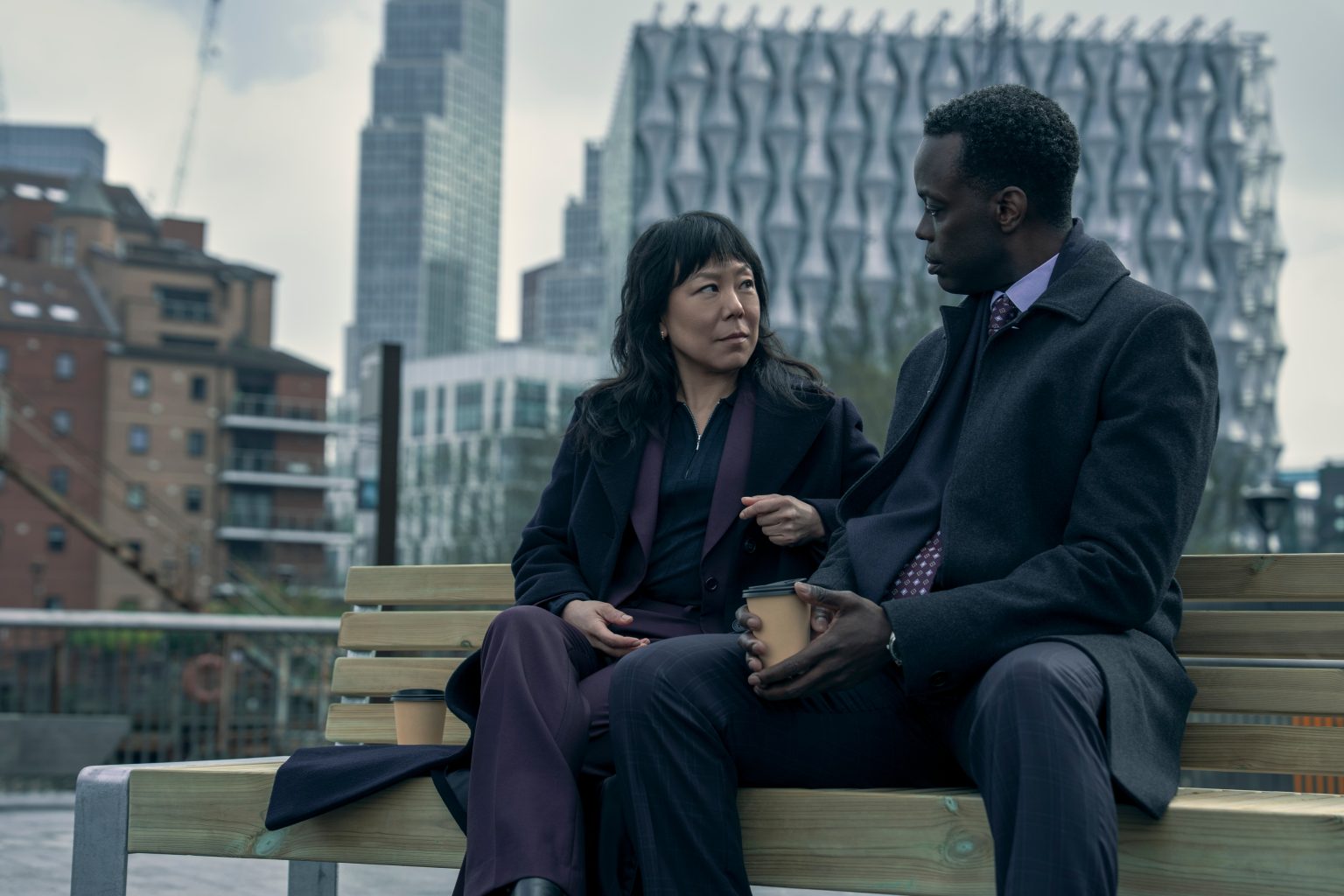
By grounding the visual presentation in extensive research and a deep understanding of character psychology, Jenny Gering has established a standard of excellence that reflects the seriousness of the world of The Diplomat. Whether through the choice of a specific shade of blue for a G7 summit attendee or the subtle softening of a character’s silhouette during a moment of personal crisis, the costume design remains an essential component of the series’ ability to bridge the gap between reality and high-stakes drama.
As viewers continue to analyze the motivations of the characters in the fourth season, they are increasingly looking to the visual cues provided by the costumes. This symbiotic relationship between performance and presentation is what distinguishes the series, ensuring that the visual world of The Diplomat is as complex, nuanced, and engaging as the political maneuverings that define it. The success of this season is, in no small part, due to the recognition that in the world of high-level diplomacy, what one wears is as important as what one says.