Staten Island Ferry Comedy Revival Marks a Calculated Pivot for Pete Davidson Colin Jost and Snapple

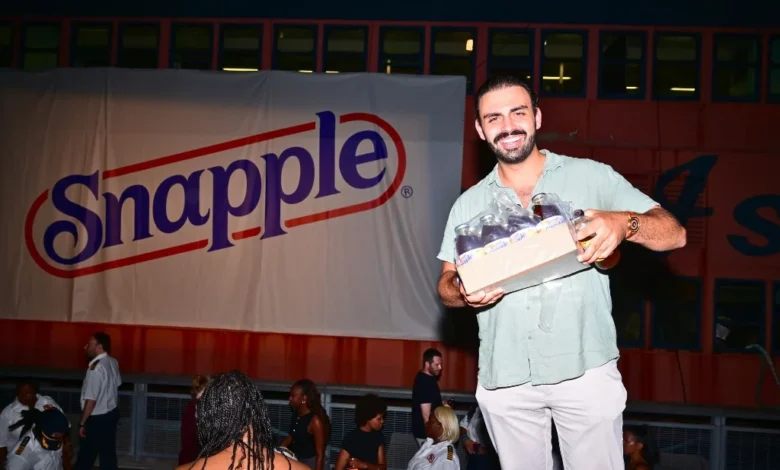
The decommissioning of a vessel once central to New York City’s infrastructure has transformed into a high-stakes experiment in brand rehabilitation and cultural reclamation. In 2022, comedians Pete Davidson and Colin Jost, alongside a group of private investors, purchased the John F. Kennedy, a retired Staten Island Ferry, for $280,000 at a municipal auction. What began as a punchline on Saturday Night Live—and a magnet for intense public skepticism—has evolved into a strategic partnership with Snapple, culminating in a series of exclusive comedy events that underscore a broader trend of corporate-sponsored experiential marketing targeting younger demographics.
A Chronology of a Rusted Gamble
The John F. Kennedy, constructed in 1965, served as a workhorse of the Staten Island fleet for over five decades. By the time it was retired in August 2021 due to mounting mechanical failures and maintenance costs, the vessel had become a symbolic relic of New York transit. When Davidson and Jost announced their acquisition the following year, the news was met with immediate backlash. Critics and former maritime employees questioned the viability of the project, citing the prohibitive costs of asbestos abatement, engine overhauls, and the logistical nightmare of retrofitting a 57-year-old ship for modern hospitality standards.
The public perception was largely negative, characterized by viral social media commentary that mocked the structural integrity of the ship. Despite these headlines, the ownership group remained largely silent regarding their long-term plans, allowing the vessel to remain a dormant point of contention in the city’s consciousness until the recent announcement of the Snapple-sponsored comedy residency.
Corporate Strategy and Brand Nostalgia
The partnership with Snapple represents a pivotal moment for the beverage giant. Since 2017, Snapple has navigated a controversial transition from its iconic glass bottles to a plastic format, a move the company justified as a sustainability initiative. However, the operational pivot—which significantly reduced production costs for parent company Keurig Dr Pepper—failed to resonate with the brand’s core consumer base.

Market research indicates that the brand suffered from a disconnect with younger consumers who associate the glass bottle with the brand’s heritage and perceived quality. In late 2025, in response to what the company described as "overwhelming consumer demand," Snapple initiated a limited-time return of glass packaging in select New York City markets. The "Snapple Island Ferry" events served as an aggressive, high-visibility activation to test the efficacy of this nostalgic marketing strategy. By utilizing the ferry as a venue, Snapple successfully aligned itself with the cultural cachet of two of New York’s most recognizable comedians, effectively rebranding a perceived "failed" investment into an exclusive, "must-attend" cultural experience.
The Economics of Exclusivity
Rather than adopting a traditional ticketing model that would have likely yielded significant revenue, the organizers opted for a limited, free-ticket distribution strategy. By releasing a small batch of tickets daily from September 3 through September 8, the event generated a "scarcity effect" comparable to the recent demand for high-end cinematic experiences like 70mm IMAX screenings.
This approach prioritized brand exposure and social media buzz over immediate ticket sales. For the investors, the value derived from this viral marketing and the positive press surrounding the "revival" of the ferry far outweighs the revenue that a standard, paid-entry show would have generated. The events functioned as a controlled test of public sentiment, gauging how effectively a brand can leverage "anti-marketing"—admitting to mistakes or embracing absurdity—to win over an audience that is increasingly wary of traditional corporate advertising.
Inside the Venue: Performance and Vulnerability
The comedy performances themselves, which featured a roster of rising comics alongside Davidson and Jost, were marked by a high degree of "crowd work." In modern stand-up, this form of interaction serves as a tool for creating an authentic, unscripted connection with the audience. The choice to host these sets in a non-traditional, often uncomfortable environment—characterized by high humidity and limited seating—created a sense of shared hardship between the performers and the attendees.
This dynamic reflects a shift in the comedy landscape, where performers are increasingly expected to display vulnerability to establish rapport with Gen Z and millennial audiences. During the shows, comedians utilized the intimate, high-stakes setting to experiment with raw material, a practice highlighted by veterans like Chris Rock, who has long argued that the development of successful comedy requires the freedom to fail in front of a live audience. By forcing attendees to engage with the material without the distraction of personal devices, the event forced a level of presence that is increasingly rare in live entertainment.

Implications for Future Urban Repurposing
The successful, albeit temporary, transformation of the John F. Kennedy into a functioning entertainment space offers a case study in urban repurposing. While the long-term future of the vessel remains unclear, the event proved that decommissioned public infrastructure can be successfully integrated into the private entertainment sector under the right conditions.
However, the logistical challenges remain significant. The heat, the lack of modern amenities, and the intense, recurring maintenance needs of a mid-20th-century vessel suggest that a permanent, full-scale venue remains a multi-million dollar challenge. The organizers have not yet committed to a permanent reopening of the ferry, and the current strategy appears to be one of "pop-up" viability.
Broader Market Analysis
The Snapple-Davidson-Jost collaboration highlights a maturing relationship between legacy brands and the creator economy. By partnering with figures who have existing, complex relationships with their audiences, companies are finding ways to navigate the "authenticity gap." The public’s willingness to forgive the initial "clowning" of the project in favor of an engaging, high-energy event suggests that brand perception is fluid.
Ultimately, the Snapple Island Ferry project is more than a comedy show; it is an exercise in damage control and brand repositioning. As companies continue to search for ways to engage younger demographics who are famously averse to traditional advertising, the use of large-scale, experiential, and slightly chaotic public events is likely to increase. Whether the John F. Kennedy will ever serve as a permanent fixture in the New York entertainment scene, or whether it will continue to exist as a temporary vessel for corporate branding, remains to be seen. For now, the experiment has succeeded in shifting the narrative from one of failure and decay to one of cultural relevance and renewed interest.
Related posts: