Reflecting on Twenty-Five Years of Bridget Jones: Specificity, Vanity, and the Changing Landscape of Cinematic Comedy

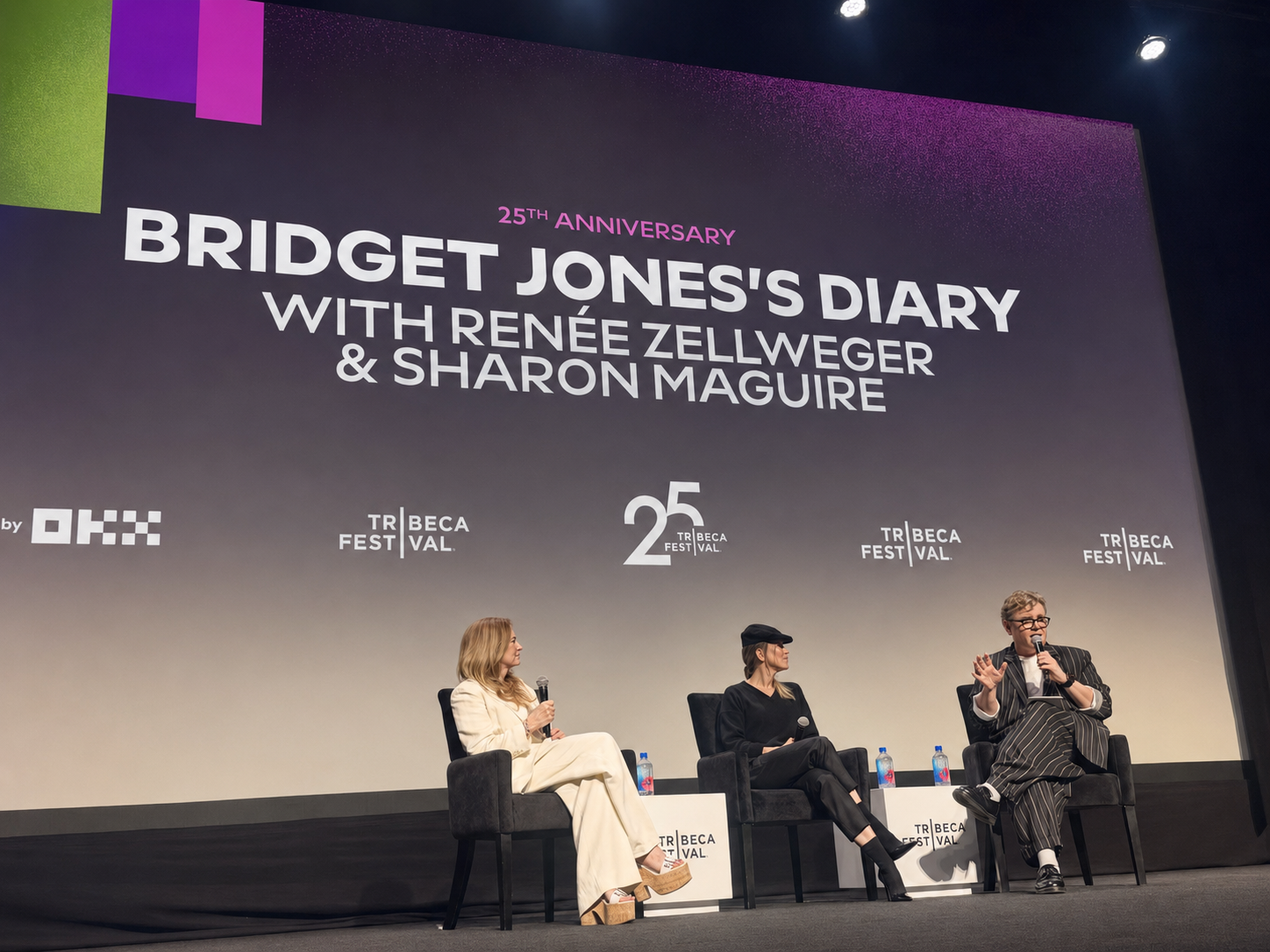
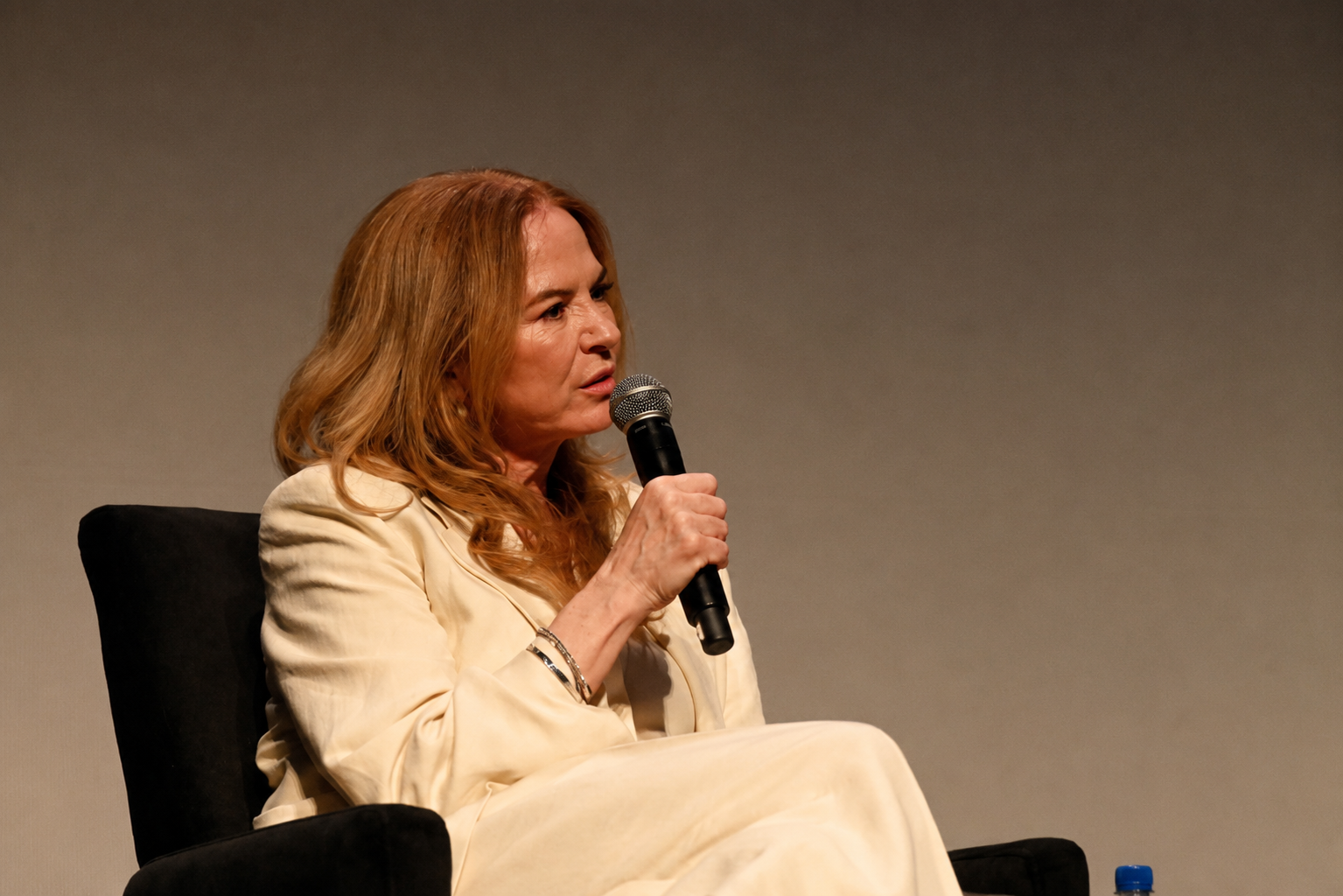
Twenty-five years after its initial theatrical release, Bridget Jones’s Diary continues to stand as a watershed moment in romantic comedy, celebrated not for its adherence to conventional Hollywood glamour, but for its uncompromising embrace of human awkwardness and unvarnished reality. During a retrospective screening and panel discussion at the 2026 Tribeca Festival, director Sharon Maguire and leading actress Renée Zellweger reunited to dissect the cultural impact, behind-the-scenes hurdles, and lasting design philosophy of a film that fundamentally reshaped contemporary cinematic character development. Moderated by H. Alan Scott, the quarter-century anniversary event offered both a nostalgic look backward and a sobering analysis of how the economics and critical discourse surrounding cinema have shifted over the past two decades.
The genesis of the film was characterized by frantic post-production schedules and a distinct lack of early validation. Maguire famously completed the final audio dubbing on Bridget Jones’s Diary mere minutes before an unpublicized screening for critics. Absent from the screening room due to ongoing technical labor, Maguire learned of the film’s potential success only when a producer relayed that audience members had spontaneously stood and applauded as the credits rolled—an encouraging premonition that preceded the official New York premiere and commercial reviews.
That modest beginning quickly gave way to high-profile industry validation during the Ziegfeld Theatre premiere. Hugh Grant, who portrayed the roguish Daniel Cleaver, sat directly behind Maguire having seen virtually no completed footage of the movie. Ten minutes into the projection, a deliberate tap on Maguire’s shoulder delivered an early assessment: “Shars, this is actually quite good.” Minutes later, a second tap followed with a wry concession: “You know what’s worse? Mrs. Firth is actually better than me.” Grant’s reference to Zellweger as “Mrs. Firth”—a running onset joke alongside his own moniker, Mr. Grant—acknowledged the Texan actress’s uncanny ability to inhabit the quintessential British literary protagonist despite initial skepticism from the public and press.
The Power of Unglamorous Specificity
For creative industries, the enduring legacy of Bridget Jones’s Diary extends far beyond nostalgia, offering a masterclass in narrative and visual specificity. When Maguire adapted Helen Fielding’s bestselling novel alongside co-writers, the production prioritized the texture of everyday life over clean, aspirational Hollywood tropes. This ethos was embedded in turkey curry buffets, weekend mini-breaks, Chardonnay-fueled evenings, and the now-legendary control-top underwear.
Notably, the iconic “big pants” sequence initially baffled male members of the production crew who failed to grasp the cultural shorthand of underwear designed strictly for practical containment rather than immediate romantic seduction. Maguire had to meticulously explain the function of the undergarments to producers, insisting that the humor derived from absolute authenticity rather than slapstick exaggeration. This creative discipline—trusting embarrassing, hyper-specific details over generalized polish—allowed the film to transcend its British setting and resonate with a global audience that recognized their own mundane vulnerabilities on screen.
Zellweger approached the physical demands of the role with a total absence of vanity. Throughout production, she welcomed the freedom to perform with running mascara, messy wind-blown hair, and authentic emotional exhaustion. In preparing for the big pants sequence, Zellweger actively requested a tighter pair of undergarments to ensure her physical struggle on camera appeared genuinely arduous. By refusing to soften the character’s physical flaws, both actor and director weaponized anti-glamour as a vital storytelling tool, proving that authenticity consistently outperforms aesthetic perfection.
Navigating Early Controversy and Critical Bias
The path to the film’s release was fraught with fierce public skepticism, most notably regarding Zellweger’s casting. As an American actress taking on one of modern British literature’s most cherished figures, Zellweger faced aggressive tabloid scrutiny during pre-production. Maguire recounted the intense pressure placed on the creative team as they waited to see if Zellweger could successfully master the precise British inflection required for the role—a hurdle she cleared so convincingly that many contemporary viewers assumed she was native to the United Kingdom.
Compounding the casting controversy was a wave of journalistic discourse in 2001 that fixated heavily on Zellweger’s physical weight. In order to embody Bridget, Zellweger gained approximately twenty pounds, a professional requirement that major media outlets treated as a sensationalist headline rather than a standard character transformation. Publications including the New York Post and Variety published reviews and headlines that mocked the actress’s physique, establishing a toxic media narrative that persisted into the promotional cycle of the 2004 sequel.
During the Tribeca retrospective, moderator H. Alan Scott revisited these headlines, prompting a visible reaction from the audience regarding the casual cruelty of early-2000s entertainment journalism. Zellweger addressed the retrospective criticism by reiterating that Bridget’s resistance to narrow beauty standards was entirely intentional. By refusing to conform to the polished, airbrushed archetype mandated for romantic comedy heroines of that era, Bridget instead mirrored a recognizable, human reality, cementing her status as an enduring cultural icon.
The Shrinking Economic Landscape of Mid-Budget Cinema
Beyond artistic reflections, the Tribeca conversation addressed the stark economic and structural changes facing the contemporary film industry. Maguire noted that the original production operated on a budget of approximately $46 million, a financial baseline that allowed for extensive rehearsal and shooting schedules. By contrast, a comparable project greenlit in the current media ecosystem would likely struggle to secure $11 or $12 million, compressing production timelines down to compressed seven-week windows.
Zellweger attributed this economic contraction to the radical fragmentation of media consumption and the steady erosion of the shared theatrical experience. As streaming platforms and shifting audience habits dismantle the traditional box office pipeline, mid-budget auteur-driven comedies have become increasingly rare commodities. Characterizing the current generation of independent filmmakers, Zellweger offered a pragmatic assessment: “We’re minstrels, and we’re going to just make it happen.”

Despite these industry headwinds, both creators remain actively engaged in production. Maguire recently wrapped principal photography on a feature chronicling the creation of the 1972 sex manual The Joy of Sex, starring Colin Firth alongside Julianne Moore and Laura Linney. Concurrently, Zellweger’s production banner, Big Picture, has championed new projects including A Woman in -The Sun, a generational family drama starring Zellweger and Sissy Spacek that began production following sales at the Cannes Film Market.
A Legacy That Outlived the Screen
Twenty-five years after its debut, Bridget Jones’s Diary occupies a rare space in popular culture where the protagonist has arguably eclipsed the confines of the original narrative. Zellweger frequently encounters fans who share personal anecdotes mirroring Bridget’s romantic and professional misadventures, treating the character as a collective friend rather than a fictional creation. Meanwhile, Maguire continues to recognize elements of her real-world friendship with author Helen Fielding embedded within the DNA of the film.
Ultimately, the enduring lesson of Bridget Jones’s Diary lies in the durability of character-driven storytelling built on unflinching observation rather than market-tested perfection. By prioritizing specificity over universality, its creators engineered a cinematic world that continues to instruct and resonate a quarter-century later, proving that the most relatable characters are often those brave enough to embrace their most unpolished flaws.