The smartphone industry has long grappled with the distinction between "computational photography" and "cinematic image science." While mobile devices have achieved incredible sharpness and high-dynamic-range (HDR) capabilities through software processing, they have often struggled to replicate the organic, filmic quality of professional cinema cameras. With the launch of the Honor Magic 9 Pro Max, the boundary between these two worlds is being fundamentally redrawn. By integrating ARRI’s legendary image science directly into a mobile handset, Honor is attempting to move beyond simple filter-based aesthetics, offering instead a professional-grade production workflow that fits in a pocket.
A Strategic Evolution: The Honor-ARRI Partnership
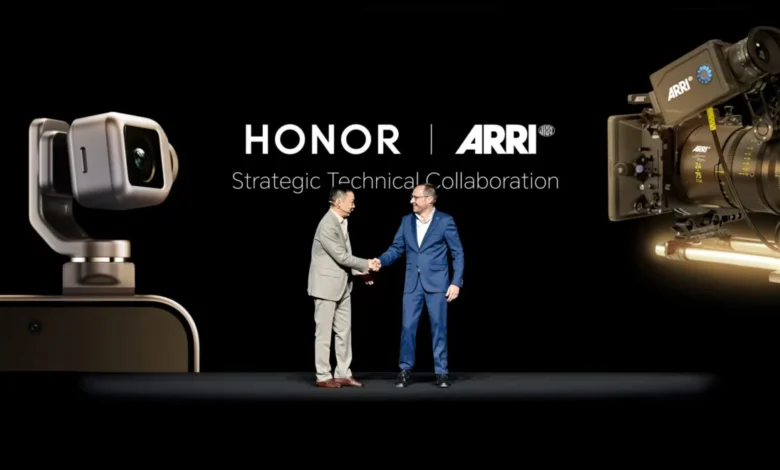
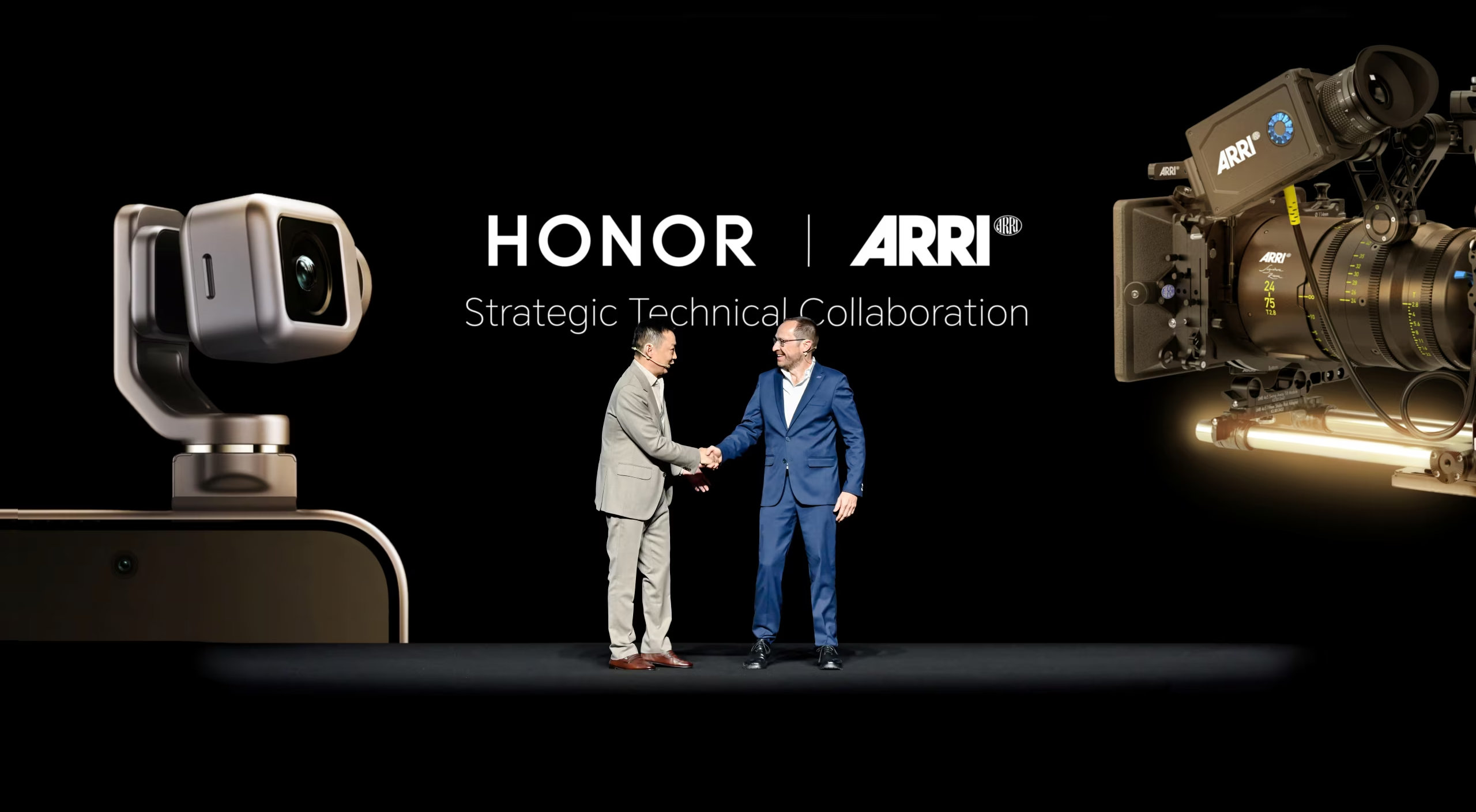
The trajectory of this collaboration began in March, when Honor officially announced its strategic partnership with ARRI, the world-renowned German manufacturer of professional motion picture equipment. The intent was clear: to leverage ARRI’s decades of experience in sensor technology, color science, and dynamic range management to revolutionize smartphone video capture.
This partnership hit its first major milestone in August with the release of the "Honor Robot Phone." This device served as the proof-of-concept for the collaboration, introducing a 200 MP camera system capable of producing high-fidelity video characterized by natural color reproduction, subtle highlight roll-off, and an authentic sense of depth. According to Dr. Benedikt von Lindeiner, Vice President of ARRI, the goal was to ensure that footage captured on a smartphone felt "authentic to how stories are meant to be seen."
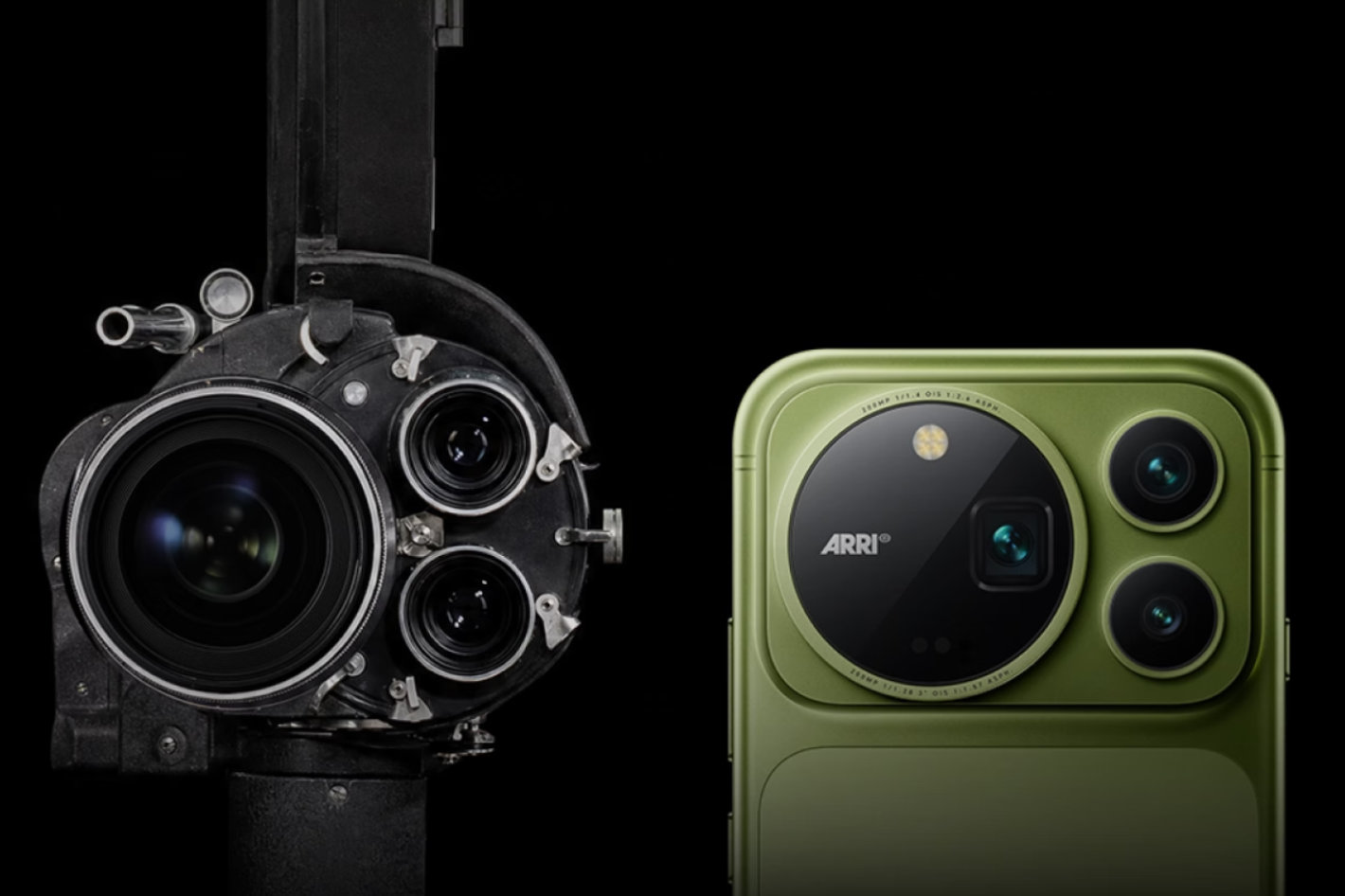
The release of the Honor Magic 9 Pro Max marks the next phase of this partnership, moving from an experimental flagship to a fully integrated ecosystem that brings the "Cinema Triple Camera System" to a wider market.
Technical Specifications: Bridging the Gap
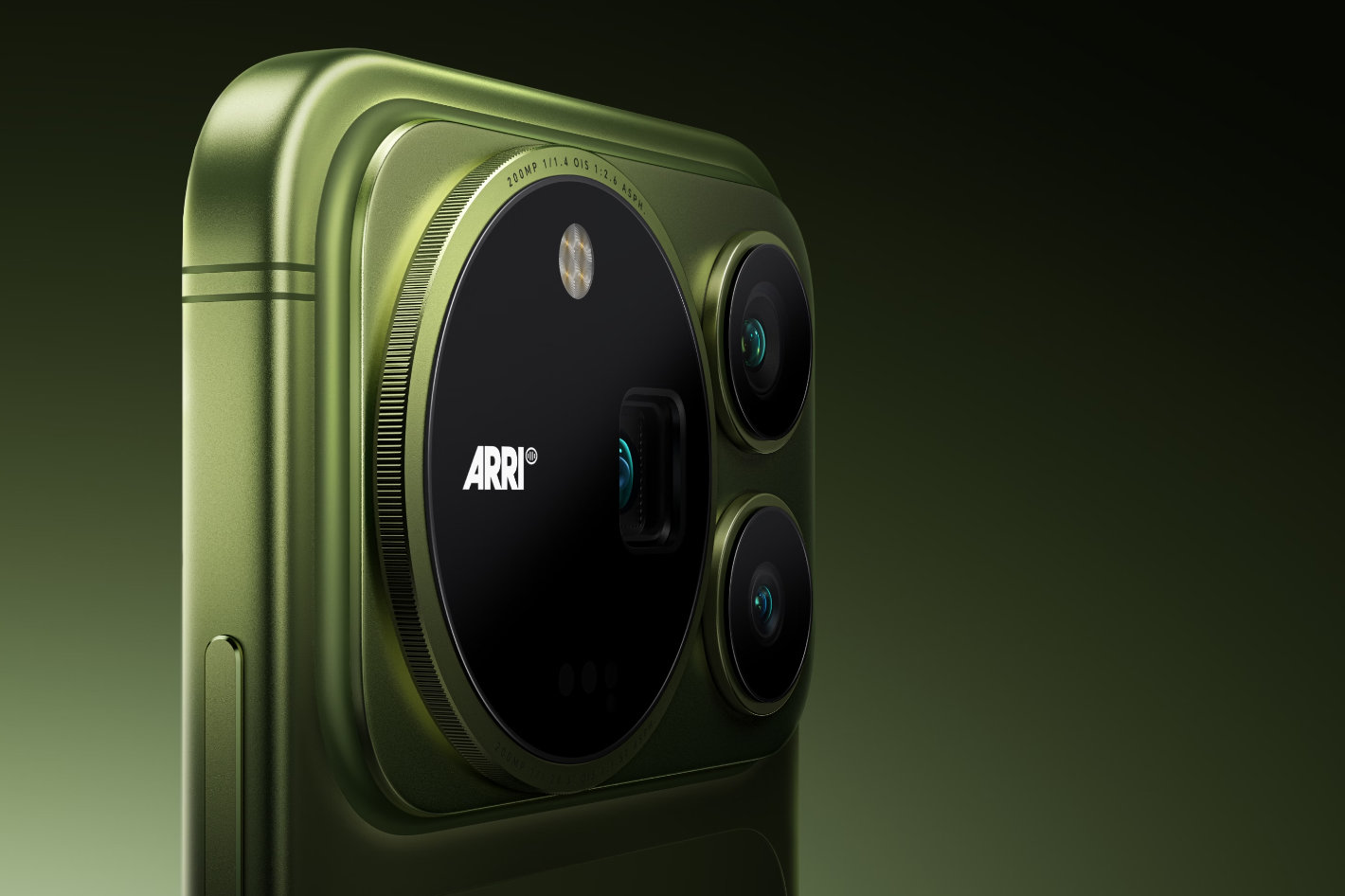
At the heart of the Honor Magic 9 Pro Max is an imaging architecture designed for professional-level control. The device features a sophisticated rear camera island that pays visual and functional homage to the iconic three-lens turret found on professional cinema cameras.
The hardware array consists of:
- Main Camera: A 200 MP sensor (1/1.28-inch) paired with an f/1.6, 23mm wide lens, featuring an Agile Gimbal for mechanical stabilization.
- Telephoto Camera: A 200 MP "super-night" periscope sensor (1/1.4-inch) designed for long-range clarity.
- Ultrawide Camera: A 50 MP sensor (1/2.88-inch) with an f/2.0 aperture and a 122-degree field of view.
Beyond the raw pixel count, the device supports an advanced video pipeline driven by the proprietary Honor H1 Image Chip. This hardware allows for 14-bit 4:4:4 data processing, which outputs 10-bit LogC3 video in a 4:2:2 format. By performing noise reduction early in the RAW domain, the system achieves an improvement in signal-to-noise ratio (SNR) of 8 dB. Furthermore, the integration of AI-driven dynamic range optimization allows the camera to handle up to 14 stops of dynamic range, a figure that approaches the performance of dedicated professional cinema sensors.
The Workflow: From Capture to Post-Production
What distinguishes the Magic 9 Pro Max from its competitors is its focus on the "post-production readiness" of its footage. Traditionally, smartphone video is heavily processed by onboard AI, leaving little room for professional color grading. Honor and ARRI have reversed this trend.
By utilizing ARRI LogC3 and ARRI Wide Gamut 3, the footage retains significant highlight and shadow information. This allows creators to import their mobile-captured files directly into professional editing software, such as DaVinci Resolve, where they can apply industry-standard ARRI Look-Up Tables (LUTs). This creates a seamless "capture-to-post" workflow, enabling a filmmaker to shoot on a smartphone while maintaining the same color-grading potential they would have with an ARRI ALEXA system.
For those who prefer a "baked-in" cinematic look, the device offers real-time ARRI Cinematic Looks. These are not merely Instagram-style filters; they are based on ARRI’s proprietary color science, allowing creators to preview the final aesthetic on the device’s display before the recording starts.
Expanding the Ecosystem: Accessories and Modularity
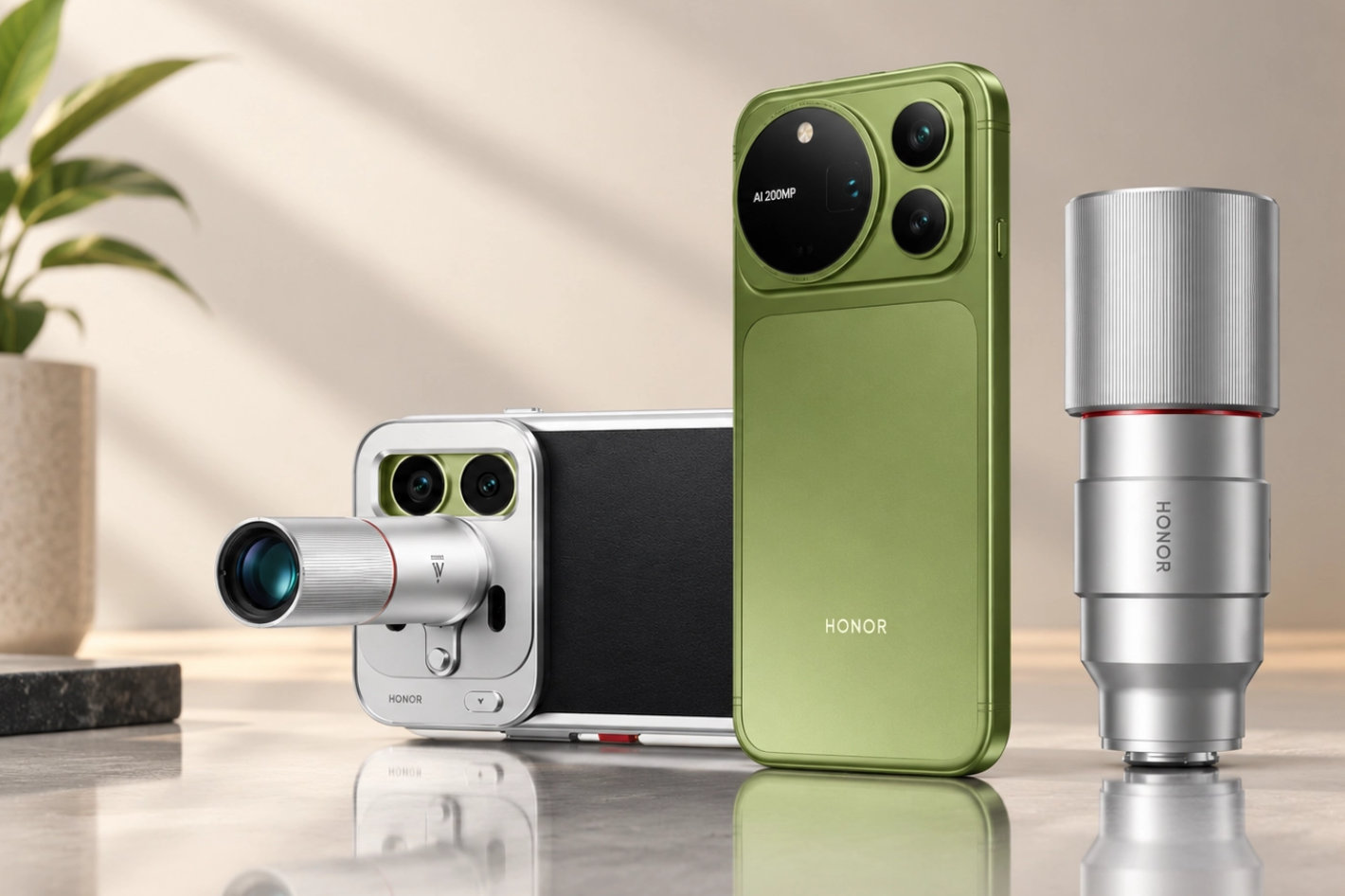
Understanding that professional filmmaking requires more than just a lens, Honor has introduced a modular approach to the Magic 9 Pro Max. The device is compatible with a 200mm teleconverter kit and a new 500mm teleconverter kit, effectively turning the smartphone into a versatile tool for long-range cinematography.
Furthermore, the integration with SmallRig accessories highlights the company’s commitment to the professional filmmaker. With dedicated expansion kits, the phone can be mounted onto rigs, gimbals, and tripods, providing the physical stability necessary for complex camera movements. Features such as peak autofocus, false color monitoring, and real-time histogram displays ensure that the device functions as a handheld cinema monitor and camera in one.
Industry Implications and Market Analysis
The launch of the Magic 9 Pro Max comes at a time when the "creator economy" is demanding higher technical standards. As social media platforms increase support for high-bitrate video, the distinction between "amateur" and "professional" content is narrowing.
Industry analysts note that by licensing professional image science, Honor is targeting a specific segment of the market: the professional videographer who needs a "B-camera" or a "crash cam" that can intercut seamlessly with primary cinema cameras. This is evidenced by the collaboration with Oscar-winning cinematographer Claudio Miranda, whose work with the device serves as a testament to its capabilities.
However, the transition from hardware capability to artistic output remains a challenge. While the Honor Magic 9 Pro Max provides the tools, it relies on the user to understand concepts like light, composition, and color science—skills that are typically the domain of professional cinematographers. The inclusion of these tools is a democratization of technology, but it also raises the bar for the average smartphone user.
A Chronology of Collaboration
- March 2024: Honor and ARRI announce a global partnership to integrate professional cinema image science into mobile devices.
- August 2024: Release of the "Honor Robot Phone," the first device to feature ARRI LogC3 recording and the H1 Image Chip.
- September 2024: Official announcement of the Magic 9 Series, featuring the Pro Max model with an expanded lens turret and professional accessory support.
- October 2024: Global rollout and showcases featuring celebrity ambassadors, such as Xiao Zhan, highlighting the practical application of cinematic color science in real-world environments.
The Road Ahead
The partnership between Honor and ARRI is explicitly described as an ongoing, iterative process. Both companies have stated that they will continue to refine their imaging algorithms based on technical validation and real-world feedback from cinematographers.
"The technologies developed through this partnership will continue to evolve," the company noted in its launch briefing. This suggests that the Magic 9 Pro Max is not a one-off attempt at "cinematic branding," but part of a long-term strategy to standardize professional workflows in the mobile form factor.
As the series launches in China and expands to global markets, the success of the Honor Magic 9 Pro Max will likely be measured by how many professional productions adopt it as a legitimate tool in their arsenal. If the device can successfully maintain a 14-stop dynamic range and a reliable 10-bit LogC3 output under varied lighting conditions, it may well signal the end of the era where smartphones are considered solely for casual snapshots, positioning them instead as indispensable instruments for the modern storyteller.