The cinematography landscape has witnessed a significant shift toward compact, high-performance optics that prioritize character over clinical sharpness. Thypoch, a manufacturer that has rapidly gained traction among independent filmmakers and mirrorless camera operators, has officially expanded its Simera-C lens series with the introduction of the 100mm T1.9 Cine lens. This new addition serves as the longest focal length in the current lineup, effectively bridging the gap between medium-telephoto portraiture and long-reach narrative storytelling.
The Simera-C 100mm T1.9 is designed specifically for Sony E and Leica M mount systems, catering to the growing market of filmmakers using compact, full-frame mirrorless cameras, such as the recently announced Sigma FP2. By providing a telephoto option that maintains the aesthetic consistency of the existing Simera-C range, Thypoch aims to provide a comprehensive solution for productions that require a lightweight footprint without compromising the visual depth characteristic of larger cinema-grade glass.
Technical Specifications and Optical Architecture
At the heart of the Simera-C 100mm T1.9 is an optical formula consisting of 11 elements arranged in 8 groups. This design has been engineered to produce a distinct image character, balancing high-resolution subject detail with a soft, natural bokeh transition. In narrative cinematography, the transition from in-focus subject matter to out-of-focus background—the "fall-off"—is a critical factor in creating depth. Thypoch has emphasized this aspect, along with stringent control over chromatic aberration, to ensure that the lens performs reliably in high-contrast lighting scenarios.
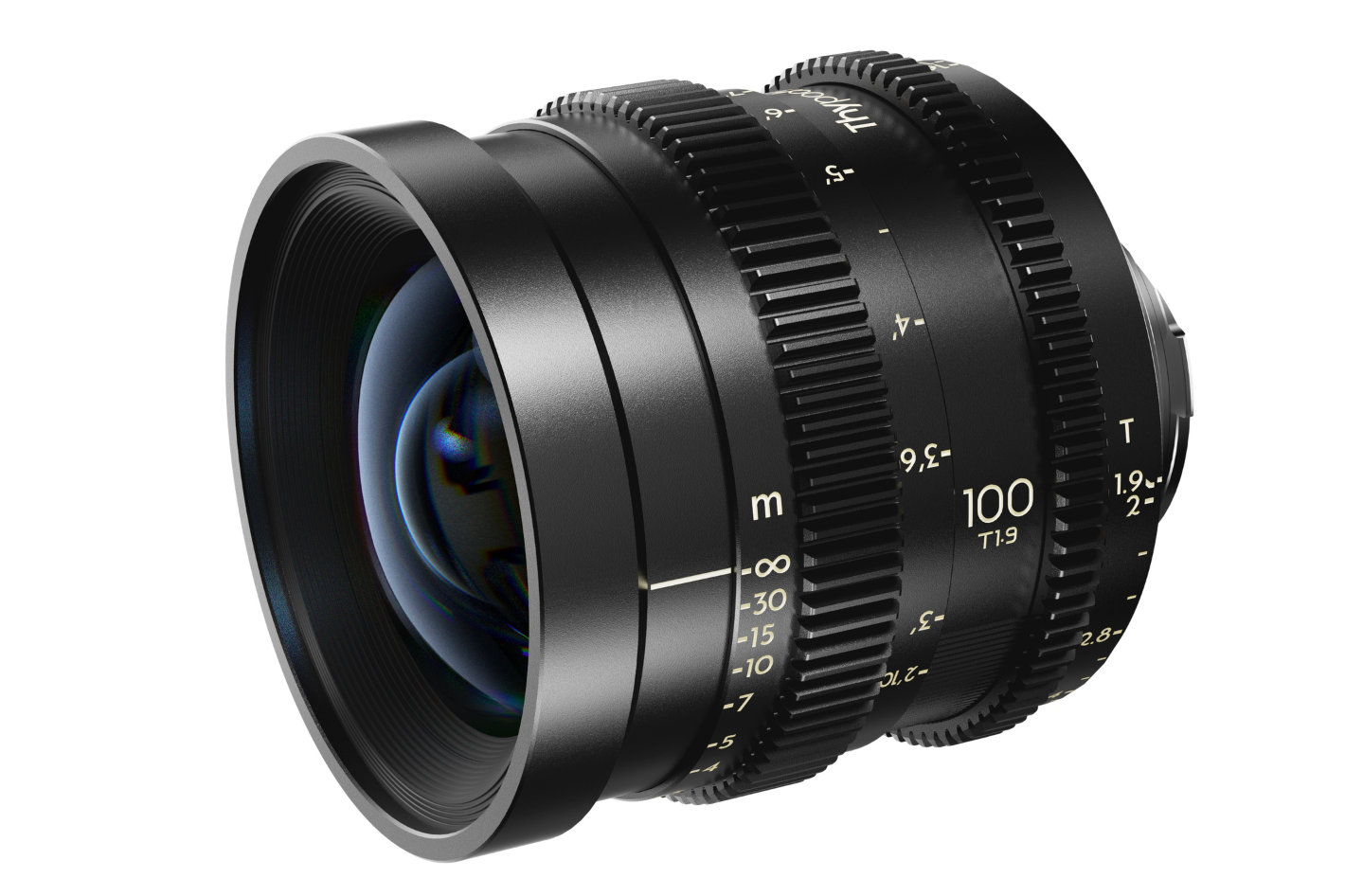
The lens features a 16-blade iris, a design choice intended to ensure that highlights in the bokeh remain circular and smooth, even when the lens is stopped down. With a maximum aperture of T1.9, the lens offers significant low-light capability and shallow depth-of-field control, which is essential for isolating subjects during close-ups or reaction shots. The horizontal field of view on full-frame sensors is 21.4 degrees, providing the compression typical of a 100mm focal length, which is frequently utilized to flatter human subjects and create cinematic intimacy.
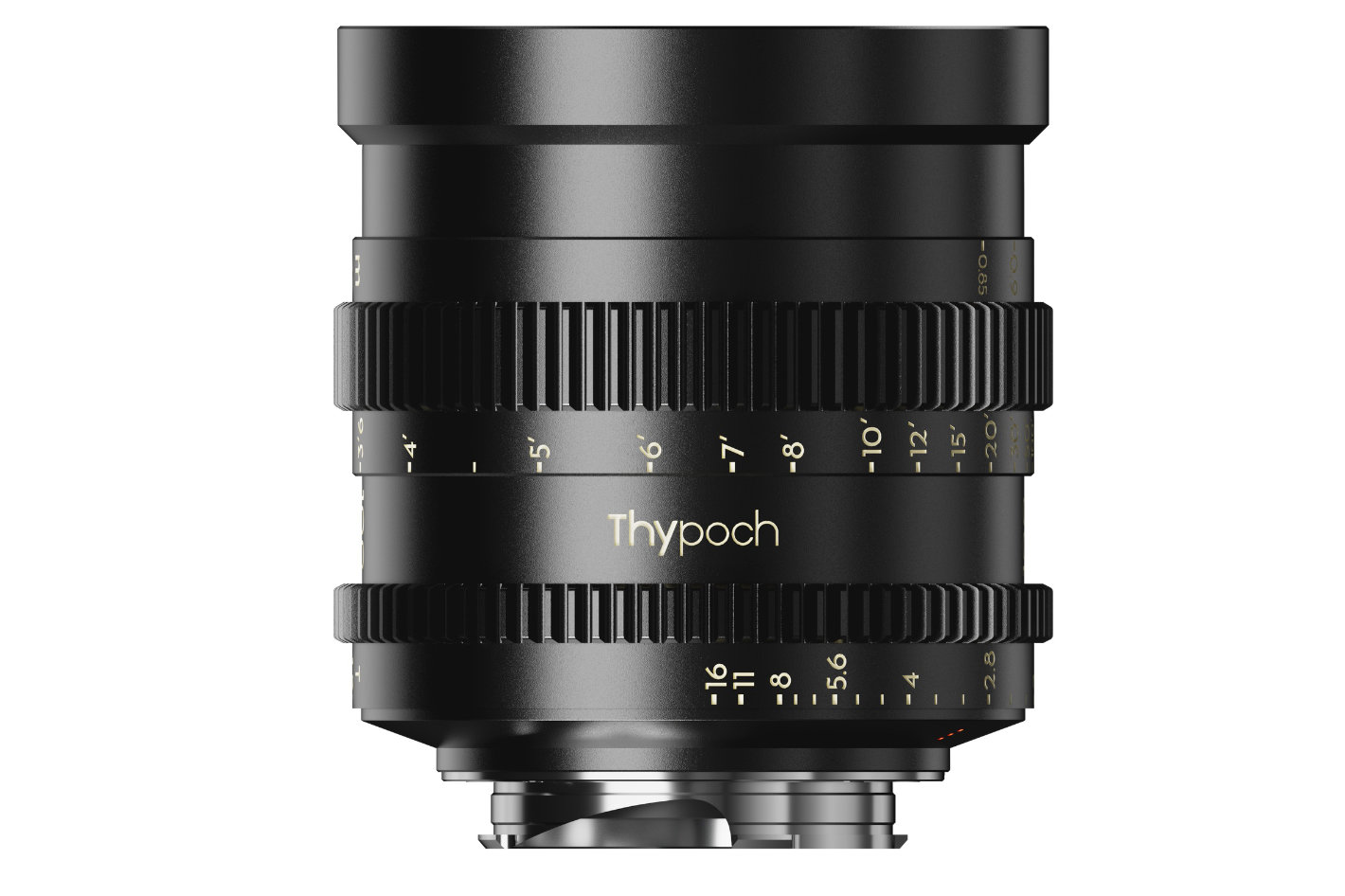
For focus pulling, the lens provides a 210-degree rotation angle, offering enough precision for manual focus operators to make minute adjustments. The barrel is equipped with industry-standard 0.8MOD gearing on both the focus and aperture rings, ensuring compatibility with standard follow-focus systems. Physically, the lens is built to be manageable: the Sony E-mount version measures 86.4mm in length and weighs 477 grams, while the Leica M-mount version is slightly more compact at 76.6mm and 451 grams. The consistent 72mm front diameter allows for easier use of matte boxes and filters, including the M67*0.75 filter thread for screw-in options.
Chronology of the Simera-C Development
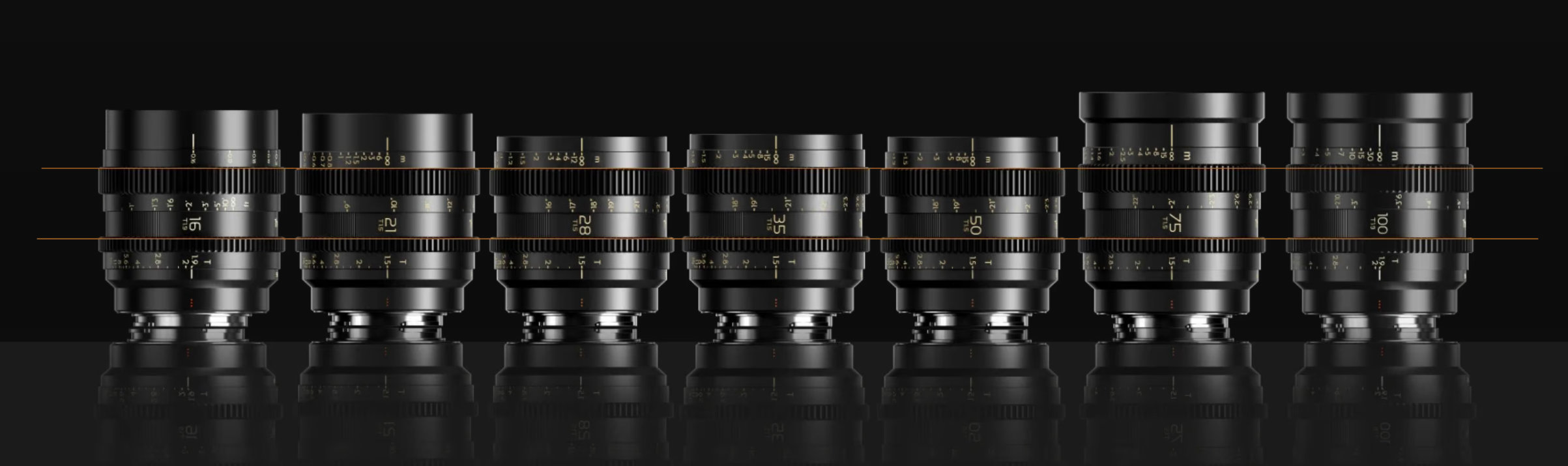
The launch of the 100mm marks a milestone for the Simera-C series, which has been developed systematically to provide a complete set of primes for filmmakers. The series now spans 16mm, 21mm, 28mm, 35mm, 50mm, 75mm, and the new 100mm focal lengths.
The development cycle of the Simera-C line has been defined by a rapid release schedule. By offering the 16mm and 100mm at a T1.9 aperture while maintaining a T1.5 aperture for the five intermediate focal lengths (21mm through 75mm), Thypoch has balanced the physical size of the glass with the light-gathering requirements of each specific focal length. This strategic approach suggests a manufacturer that is closely listening to user feedback regarding weight distribution and gear symmetry. The inclusion of the 100mm completes the core set, allowing cinematographers to build a "kit" that covers wide-angle, standard, and telephoto needs with a unified visual signature.
The "M to All" Philosophy and Mount Versatility
One of the most notable aspects of the Thypoch ecosystem is its "M to All" philosophy. While the lens is available in a native Sony E mount, the Leica M-mount version serves as a versatile hub for broader compatibility. Through the use of Thypoch’s positive-lock adapters, the Leica M-mount lens can be integrated into setups involving cameras from Canon, Fujifilm, Lumix, and DJI.
This modularity is increasingly important in a market where production houses often rent or own a diverse array of camera bodies. By standardizing the lens mount on the Leica M system, Thypoch reduces the barrier to entry for users who may be operating multiple camera systems simultaneously. It also future-proofs the investment; if a filmmaker decides to upgrade their camera body, they do not necessarily need to replace their lens kit, provided the lens is adaptable.
Market Positioning and Pricing
The Simera-C 100mm T1.9 is positioned as a mid-range professional tool. With a suggested retail price of US$879 for the Sony E-mount version and US$959 for the Leica M-mount, Thypoch is targeting the "prosumer" and independent filmmaker demographic. This segment often seeks a cinematic "look" that distinguishes their work from standard photographic lenses without the exorbitant costs associated with high-end cinema primes from established legacy manufacturers.
The retail strategy is centered on accessibility. Thypoch has established a network of authorized dealers, including major retailers like B&H Photo Video in the United States and CVP in Europe. The company’s official website serves as the primary hub for both direct sales and information regarding local dealer availability. Each purchase includes a comprehensive package: front and rear caps, a shim pack for precise back-focus adjustment, a mount tool kit, and a warranty card, signaling that the company expects users to perform basic maintenance and calibration.
Strategic Market Impact: Black Friday and Beyond
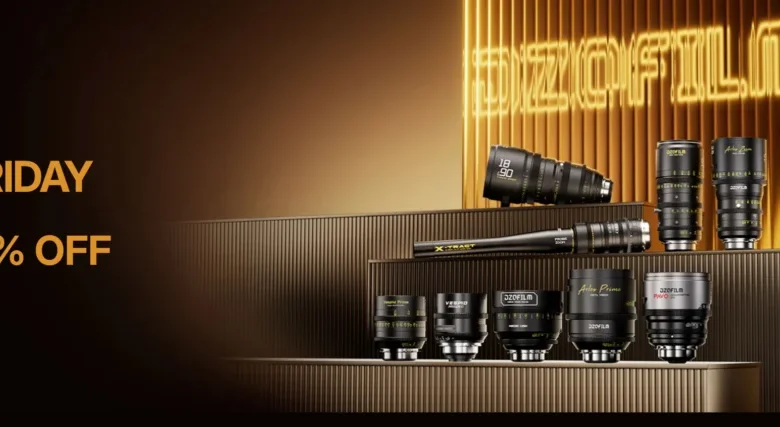
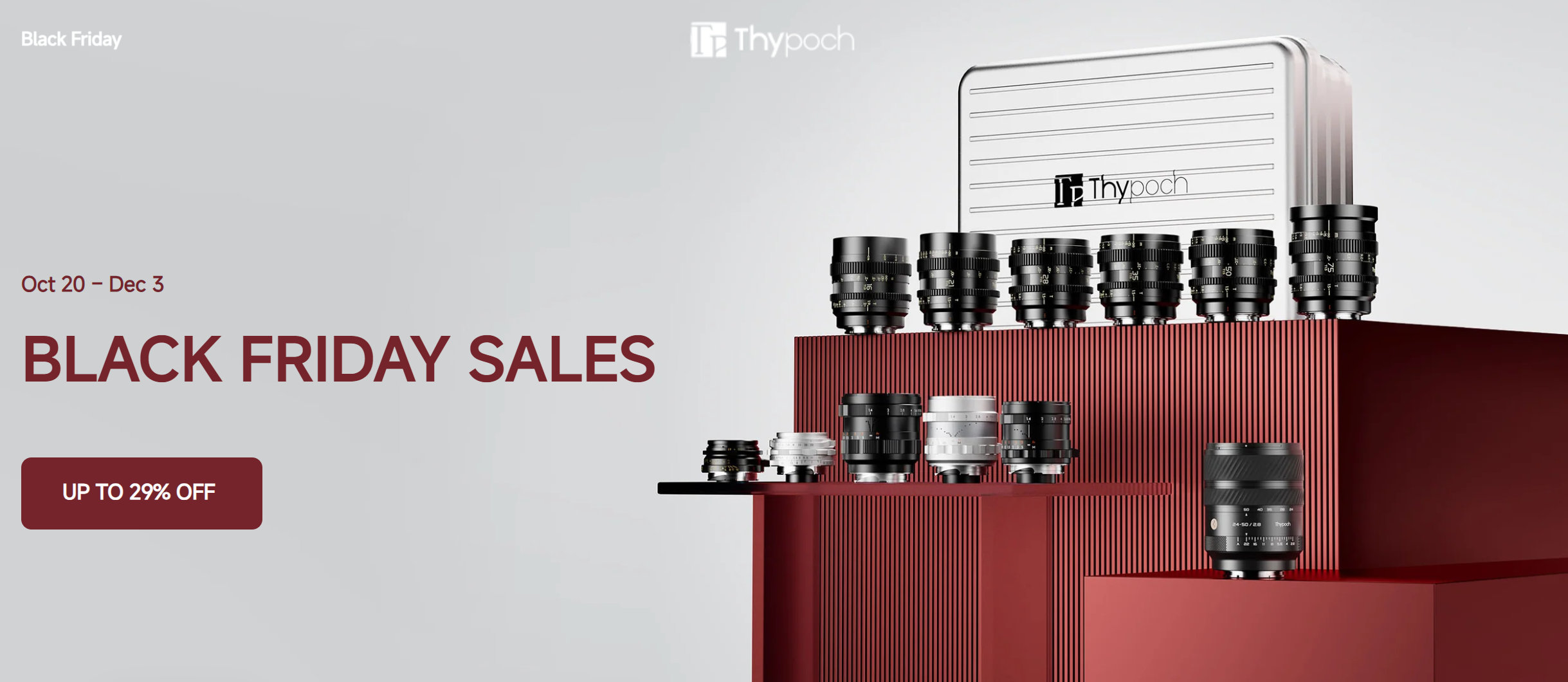
The timing of the product launch is underscored by a broader industry trend of aggressive end-of-year promotions. Thypoch, in collaboration with its industry partner DZOFILM, has initiated a Black Friday campaign that runs from October 20 to December 3, 2026. This promotion, which features discounts of up to 29% on various lens series, is an attempt to capture market share during the final quarter of the year—a time when independent production budgets are often finalized or exhausted.
The inclusion of the Simera-C series in these promotions suggests a strategy to incentivize filmmakers to build out their lens sets. For a filmmaker who already owns the 35mm or 50mm, a discount on the new 100mm provides a compelling reason to complete their set. Simultaneously, the seventh-anniversary celebration of DZOFILM, which offers even steeper discounts, creates a highly competitive environment for lens sales. This convergence of new product availability and heavy discounting suggests a concerted effort to maintain brand visibility in a crowded marketplace.
Analytical Implications for Independent Cinematography
The introduction of the Simera-C 100mm T1.9 carries several implications for the future of independent filmmaking. First, it reinforces the trend toward the "compact cinema" movement. As cameras like the Sigma FP2 and others continue to shrink in form factor, the demand for lenses that do not overwhelm the camera body has increased. Traditional cinema lenses, which are often heavy and bulky, are increasingly being relegated to high-budget studio work, leaving a vacuum in the independent sector that Thypoch is actively filling.
Second, the emphasis on "character" over "clinical sharpness" highlights a maturation in the independent filmmaker’s aesthetic requirements. In the early days of digital cinema, the focus was primarily on sharpness and pixel count. As digital sensors have become more capable, the industry has pivoted toward how a lens "renders" an image. By marketing the lens’s ability to create soft, natural bokeh and smooth transitions, Thypoch is directly addressing the desire for an "organic" look—an aesthetic often associated with high-end vintage glass but at a fraction of the cost and with modern mechanical reliability.
Finally, the success of the Simera-C series serves as a case study in manufacturer-community engagement. By providing shim packs and tools for back-focus adjustment, Thypoch is empowering the end-user to maintain their gear, which fosters long-term brand loyalty. As the company prepares for the shipping phase in late October 2026, the industry will be watching to see how the 100mm performs in real-world narrative conditions. If the performance matches the technical specifications, the Simera-C series could solidify Thypoch’s position as a primary competitor in the entry-level cinema lens market, challenging more established brands that have traditionally dominated the space.
In conclusion, the launch of the Simera-C 100mm T1.9 is a calculated move that completes a vital lens set for the modern cinematographer. By marrying classic optical characteristics with modern convenience, mount versatility, and a clear pricing structure, Thypoch has provided a compelling option for those looking to expand their creative toolkit. As the market continues to shift toward smaller, more nimble production setups, the relevance of this lens—and others in its class—will only continue to grow.
Related posts: