Matthews Studio Equipment Introduces the 33 Sliding Leg C-Stand with Grip Head and Arm to Revolutionize Compact Production Logistics

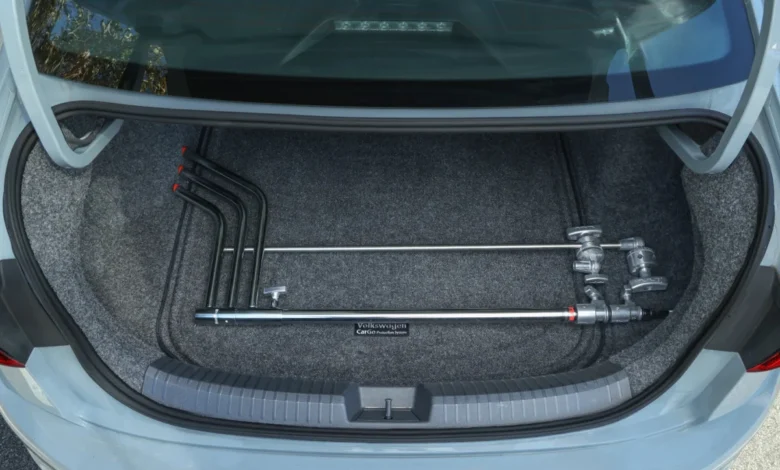
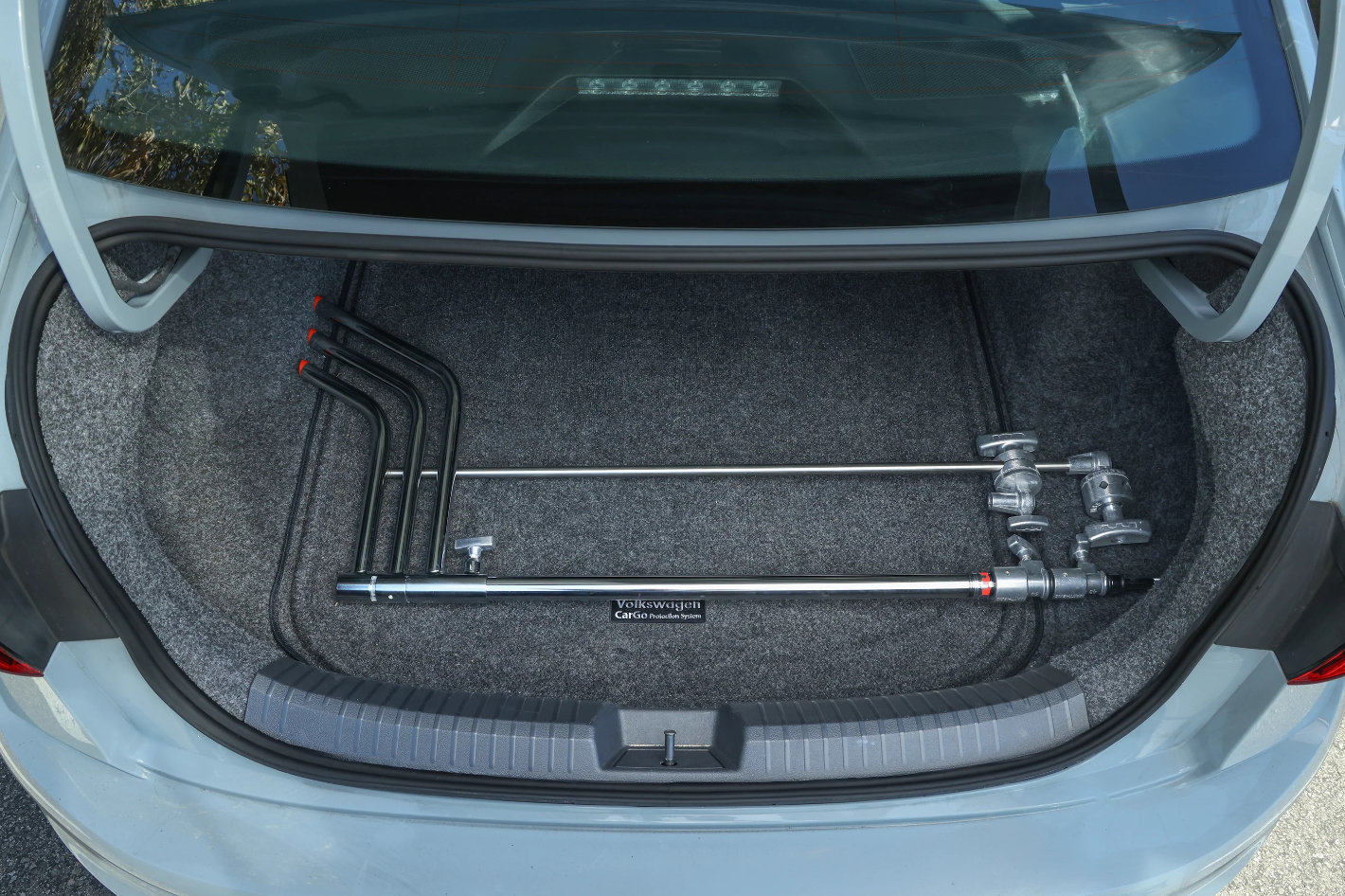
The landscape of modern film and video production has undergone a radical shift over the last decade. As independent filmmaking, digital content creation, and high-end boutique commercial production become the industry norm, the reliance on massive, dedicated production vehicles is waning. Today’s crews are increasingly mobile, often working out of compact SUVs, sedans, or ride-sharing services. Addressing the logistical demands of this lean production model, industry stalwart Matthews Studio Equipment (MSE) has officially unveiled the 33 Sliding Leg C-Stand with Grip Head and 40-inch Arm. This new offering represents a strategic evolution in set support, balancing the legendary ruggedness required for professional grip work with a form factor designed for the modern, space-constrained traveler.
A Legacy of Innovation: From 1974 to the Present
To understand the significance of the 33 Sliding Leg C-Stand, one must look at the historical trajectory of grip equipment. In 1974, Matthews Studio Equipment effectively standardized the industry by introducing the first folding-leg C-Stand. Before that, equipment was often cumbersome, bulky, and difficult to transport across diverse terrains. That innovation changed how cinematographers and gaffers approached lighting, allowing for faster setups and more efficient use of floor space on soundstages.
For fifty years, the "C-Stand" has remained the backbone of the film set. It is the silent workhorse that holds flags, silks, reflectors, and lighting fixtures. However, as the industry transitioned from the era of large studio backlots to the "run-and-gun" style of modern digital cinema, the standard 40-inch riser C-Stand often proved difficult to pack into smaller transport vehicles. By introducing the 33-inch variant, Matthews is not merely releasing a new product; it is acknowledging a shift in the production lifecycle, where the ability to fit a complete lighting support system into the trunk of a standard consumer vehicle is as important as the stand’s load-bearing capacity.
Design Specifications and Engineering Precision
The 33 Sliding Leg C-Stand is engineered to bridge the gap between heavy-duty studio equipment and portable location gear. At its core, the stand is designed for versatility, utilizing a sliding leg mechanism that allows for precise leveling. This is a critical feature for location shooting, where crews are frequently forced to set up on non-level surfaces such as stairs, uneven pavement, or narrow sidewalks. The ability to adjust one leg independently allows the base to remain level, ensuring the center of gravity remains safe and secure for mounted equipment.
Technical specifications for the new unit are as follows:
- Maximum Height: 110 inches (279.4 cm)
- Minimum Height: 46.3 inches (118 cm)
- Load Capacity: 22 lbs. (10 kg)
- Base Footprint: 27.5 inches (70 cm)
- Folded Base Width: 21 inches (54 cm)
- Weight (Stand only): 11 lbs. (5 kg)
- Weight (with Grip Head/Arm): 15 lbs. (6.8 kg)
The decision to limit the weight to 15 pounds while maintaining a 22-pound payload capacity is a testament to the materials engineering involved. By utilizing high-grade steel and refined manufacturing processes, Matthews has managed to retain the "serviceability" that the brand is known for. Unlike disposable, low-cost alternatives often found in consumer-grade photography kits, the 33 C-Stand is fully field-repairable. Every component—from the risers to the locking handles—can be serviced or replaced, ensuring that the unit can serve a production crew for decades.
Advanced Features for Modern Mounting
The 33 C-Stand introduces several refinements to the classic grip interface. Perhaps the most notable is the integration of V-shaped brakes. Traditional C-stands often struggle with "creep" when under heavy loads. The V-shaped brake system provides three distinct points of contact, ensuring a much firmer lock than the standard two-point systems found on older or generic models.
Additionally, the stand incorporates knurled, undercut baby pins on both the riser and the grip arm. This design choice is intended to provide superior friction and security for attached lights or modifiers. When a light fixture is tightened onto a knurled pin, the metal-on-metal interface creates a higher coefficient of friction, preventing the equipment from rotating unexpectedly under its own weight.
For users requiring further versatility, the grip arm features a 1/4-20 tap integrated into the baby pin. This small but significant addition allows operators to mount small accessories—such as monitors, microphones, or action cameras—directly to the arm without the need for additional clamps or adapters. This "system-first" approach is intended to reduce the total number of items a crew needs to carry, directly supporting the goal of a lighter, faster production footprint.
The Economic and Logistical Impact
The introduction of the 33 C-Stand carries broader implications for the production services market. Rental houses, which form the bedrock of film equipment procurement, are increasingly being asked to provide "compact" kits for smaller production teams. By offering the 33 C-Stand in both individual units and two-pack configurations, Matthews is enabling rental houses to curate high-end, portable packages that were previously unavailable.
Furthermore, the availability of the stand in both chrome and black powder coat finishes addresses the aesthetic needs of modern sets. Black powder coating has become increasingly popular for television and film production to minimize light reflections on set, particularly in highly controlled environments where spill light must be strictly managed.
From an economic standpoint, the durability of Matthews equipment remains a primary selling point. While the initial investment in a professional-grade C-stand is higher than that of mass-market alternatives, the Total Cost of Ownership (TCO) is significantly lower. Because these stands are designed for repair rather than replacement, production companies view them as long-term assets. In an industry where production budgets are under constant pressure, the ability to maintain equipment in the field—rather than shipping it back to a manufacturer or discarding it—provides a measurable advantage in operational continuity.
Field Performance and Safety Considerations
On a professional set, safety is the primary concern when selecting support equipment. The 22-pound load capacity of the 33 C-Stand makes it suitable for the vast majority of LED lighting fixtures used in contemporary production. As LED technology has matured, the weight of light fixtures has plummeted, meaning that a 22-pound capacity is more than sufficient for high-output COB (Chip-on-Board) lights, soft panels, and various modifiers.
The nesting base design is another crucial feature for spatial management. Because the legs of the 33 C-Stand are designed to nest, multiple stands can be placed in extremely tight configurations. This is essential when lighting a small interior space where floor real estate is at a premium. The compact nature of the base allows for a cleaner, more organized set, which in turn reduces the risk of accidents caused by tripping over wayward legs or sprawling equipment bases.
Conclusion: A Strategic Response to Industry Needs
The release of the 33 Sliding Leg C-Stand is a prime example of a manufacturer listening to the evolving requirements of its end-users. By distilling the core strengths of the 1974-era C-stand into a modern, travel-friendly package, Matthews Studio Equipment has addressed the primary pain point of the contemporary crew: the conflict between the need for professional-grade support and the realities of modern, compact transportation.
As the industry continues to decentralize, moving away from centralized studio hubs toward a more mobile, agile model, equipment that can travel anywhere without compromising on strength or reliability will become the standard. The 33 C-Stand is not merely a downsized version of a legacy product; it is a specialized tool designed for the efficiency, safety, and logistical demands of the current media landscape. Through careful material selection, intelligent mechanical design, and a commitment to field-serviceability, Matthews has ensured that the "33" will likely become as ubiquitous on modern sets as its 40-inch predecessors have been for the last half-century. Whether for a small production crew in a city apartment or a high-end commercial team traveling via regional airlines, this stand represents a balanced, pragmatic solution to the enduring challenge of on-location equipment support.