Viltrox Unveils the NexusFocus F1 Generation 2 at IBC 2026: A Paradigm Shift in Manual Lens Autofocus

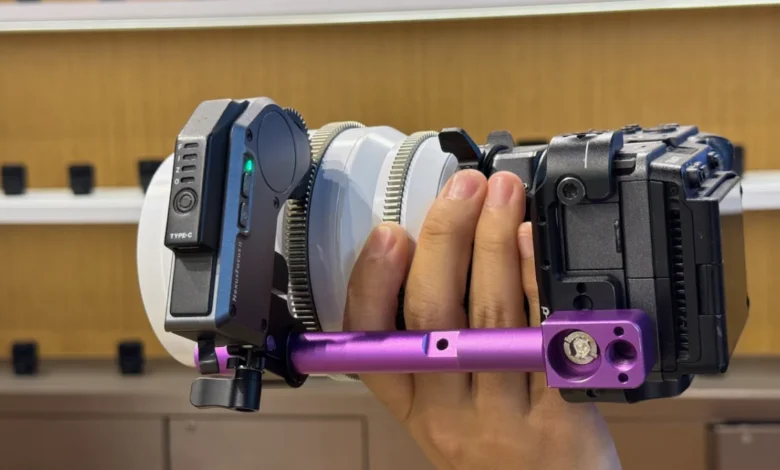
The professional cinematography landscape is currently undergoing a significant transformation at IBC 2026 in Amsterdam, where Viltrox has officially pulled back the curtain on its highly anticipated Viltrox NexusFocus F1 Generation 2. This new iteration of their innovative PL-to-Sony E-mount adapter represents a critical refinement of the original system, which debuted earlier this year to much industry intrigue. By addressing the logistical hurdles and technical quirks identified by early adopters of the first-generation unit, Viltrox is positioning this product as a cornerstone for filmmakers who wish to bridge the gap between high-end cinema glass and the sophisticated autofocus capabilities of modern Sony mirrorless sensor technology.
The Evolution of the NexusFocus System: A Brief Chronology
The journey toward the Generation 2 model began with the release of the inaugural Viltrox NexusFocus F1, which was introduced via a Kickstarter campaign. The original premise was ambitious: to allow cinematographers to use PL-mount manual cinema lenses while retaining the ability to pull focus electronically via the camera’s own autofocus algorithms.
Upon its release, the first-generation system garnered praise for its technical ingenuity but faced criticism regarding its usability. Users noted that the setup process was cumbersome, requiring complex configurations and a reliance on external cabling that could clutter a camera rig. Throughout the first half of 2026, Viltrox gathered extensive field feedback from independent filmmakers and rental houses. This iterative process of refinement has culminated in the Generation 2 prototype, which prioritizes a streamlined user interface and improved hardware reliability, marking a swift developmental pivot for the company.
Technical Innovations in the Generation 2 Architecture
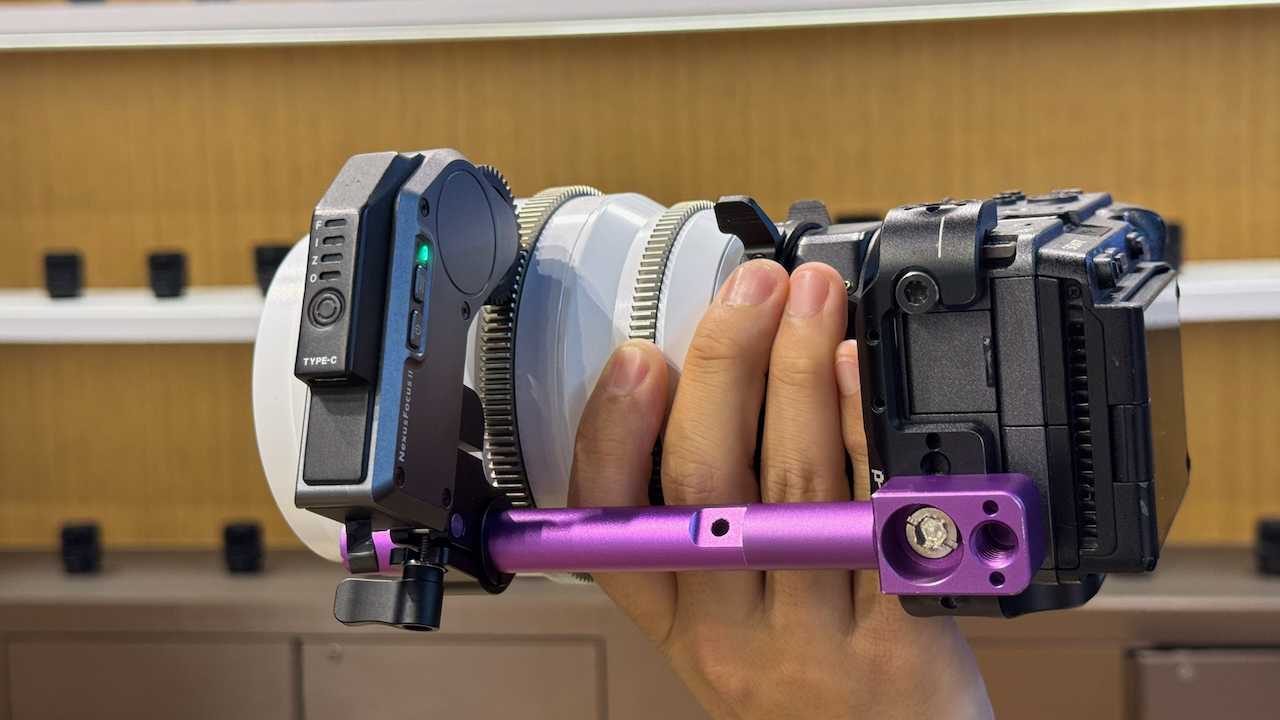
The most striking advancement in the Generation 2 system is the total elimination of external cabling. In the professional film production environment, where camera rigs are often complex configurations of monitors, wireless transmitters, and focus controllers, minimizing cable management is a priority for reliability and aesthetics.
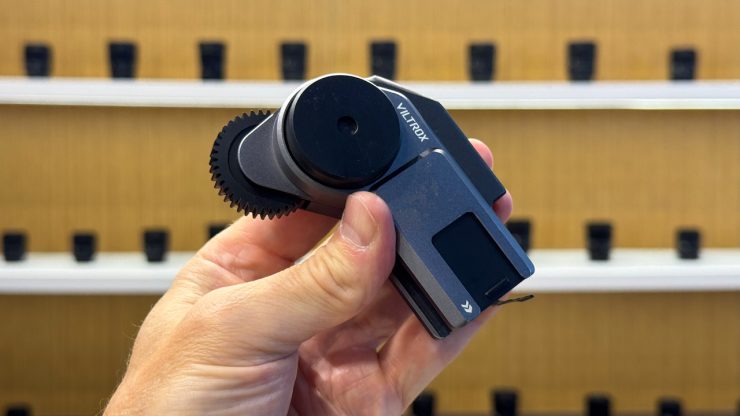
The new motors integrated into the Generation 2 system feature a removable, rechargeable battery architecture. This design choice effectively decouples the lens motor from the camera’s power supply, preventing the power drain that often accompanies high-performance electronic accessories. For long-form shoots where battery swaps are impractical, Viltrox has retained the option for USB-C power delivery, ensuring the system remains versatile across different shooting environments.
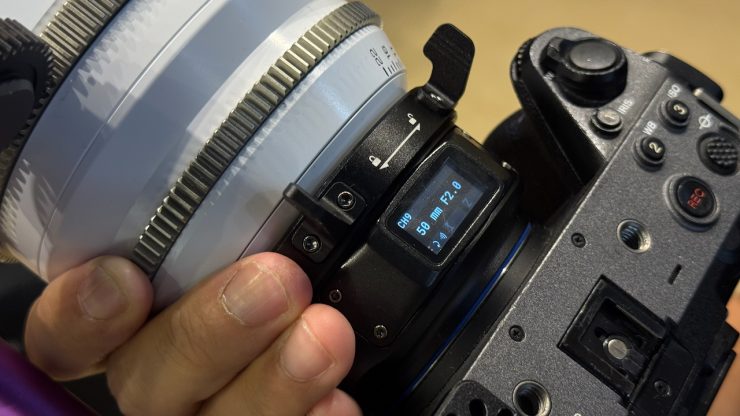
Furthermore, Viltrox has confirmed a level of cross-generational compatibility that is rare in the rapidly evolving world of camera accessories. The Generation 2 motors are fully backward compatible with the original NexusFocus F1 adapter, and conversely, the original motors remain functional with the new adapter hardware. This "ecosystem approach" is a significant value proposition for early adopters who invested in the first generation, allowing them to upgrade components incrementally without rendering their previous hardware obsolete.
Bridging Cinema Optics and Mirrorless AF Intelligence
To understand the broader implications of the NexusFocus F1 system, one must understand how it interprets the data pipeline between a cinema lens and a Sony sensor. The adapter functions as a sophisticated translator. When a camera operator touches the rear LCD screen to initiate focus tracking or subject detection, the camera’s processor generates a focus command intended for native Sony E-mount lenses.
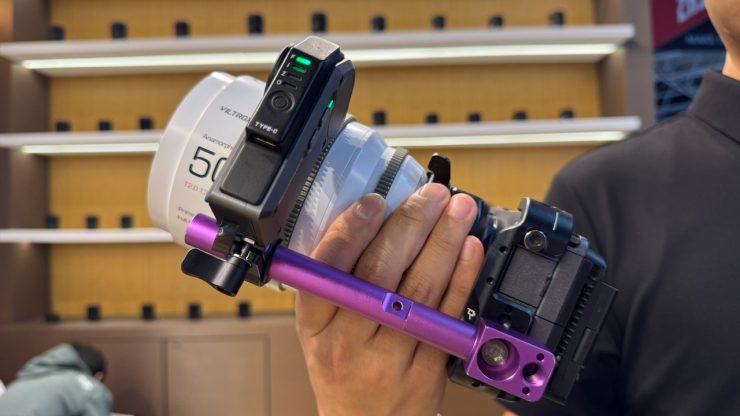
The NexusFocus system intercepts these electronic signals and converts them into mechanical movements for the lens motor, which in turn drives the focus ring of a manual cinema lens. This creates a seamless loop that allows for features previously impossible with manual glass: reliable autofocus tracking, real-time eye detection, and subject-tracking capabilities. By expanding the lens database—while still allowing users to manually calibrate and input their own cinema glass specifications—Viltrox has significantly lowered the barrier to entry for users who want to pair vintage or modern cinema prime lenses with the high-speed tracking of Sony’s latest Alpha or Cinema Line cameras.
Industry Context and Strategic Implications
The introduction of the Viltrox NexusFocus F1 Generation 2 occurs against the backdrop of an increasingly competitive market for camera accessories. As camera sensors become more sensitive and autofocus algorithms more aggressive, the demand for "smart" adapters has surged. Companies like Viltrox are filling a gap left by traditional lens manufacturers, who often produce cinema glass that is strictly mechanical by design.
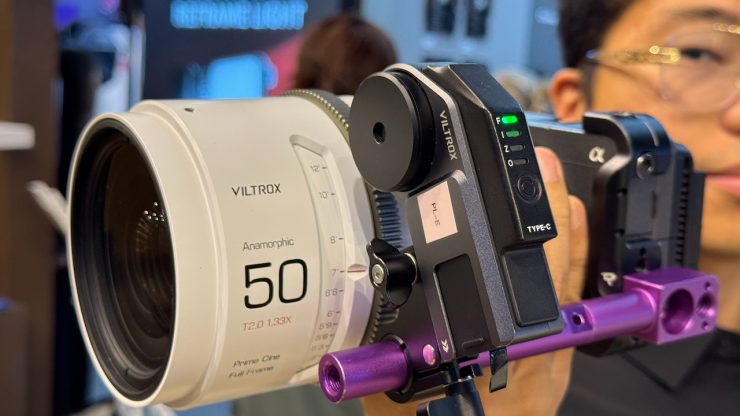
Industry analysts suggest that the "smart adapter" segment is poised for significant growth through 2027. By enabling cinema glass to behave like native autofocus lenses, Viltrox is effectively extending the operational life of high-quality, high-cost cinema lenses. A cinematographer who owns a set of vintage PL-mount lenses can now deploy them on a run-and-gun documentary shoot with the same ease as a native autofocus zoom, provided the lens focus throw is calibrated correctly within the Viltrox app.
The updated mobile application, which accompanies the Generation 2 hardware, is also a focal point of the release. Viltrox has overhauled the UI to provide more intuitive lens mapping. In the original version, calibrating a lens could be a time-consuming affair; the new app simplifies this by utilizing an improved interface that allows for faster lens indexing and tighter control over the motor’s sensitivity and torque settings.
Official Responses and Market Positioning
While official pricing for the Generation 2 has not been finalized, early statements from Viltrox representatives at IBC 2026 indicate that the company aims to offer the product at a more accessible price point than the original. This aggressive pricing strategy is likely designed to capture a larger share of the enthusiast and mid-tier professional market, where budgets are often tighter, but the desire for high-end optical quality remains paramount.
"We have listened to the feedback from the cinematography community," a Viltrox spokesperson noted during the IBC exhibition. "The goal was not just to make the NexusFocus better, but to make it a transparent part of the camera system—something you set up once and rely on for the duration of the project."
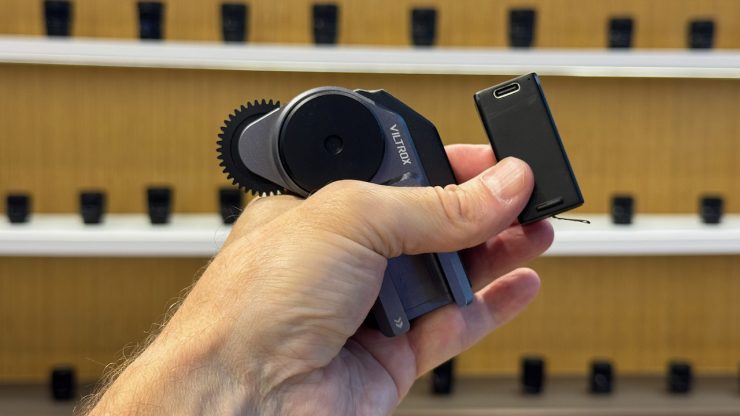
This focus on reliability and "transparent" operation is a direct response to the primary criticism of the original F1, which was that it felt like an "experimental" tool. The shift toward a standalone, battery-powered, cable-free design signals that Viltrox is aiming for a more professional, production-ready status.
Future Outlook: The Impact on Cinematography Workflows
The potential for this technology to change the way solo operators work cannot be overstated. For a filmmaker working without a dedicated focus puller, the ability to utilize the clinical precision of cinema lenses while leveraging the camera’s subject-tracking intelligence offers a "best of both worlds" scenario.
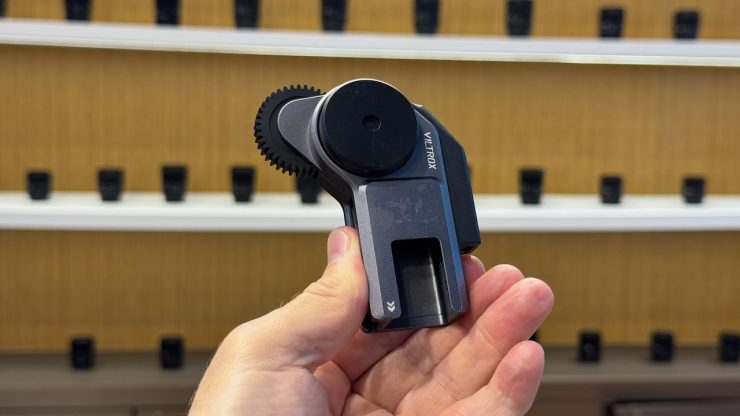
However, there remain technical challenges. The performance of the system is inherently tied to the quality of the lens’s mechanical focus ring. Lenses with heavy, long-throw focus gears may require more torque than shorter-throw stills lenses, and Viltrox’s ongoing development of the motor’s firmware will be critical in ensuring that the system remains responsive across a wide spectrum of lens weights and sizes.
As the industry looks toward the end of 2026, the arrival of the Viltrox NexusFocus F1 Generation 2 will be a key metric for how quickly manual cinema optics can be integrated into the automated autofocus ecosystem. If the product delivers on its promise of easier configuration and improved reliability, it may very well set a new standard for how we define "autofocus" in the context of professional cinematography. For now, the prototype on display at IBC provides a compelling look at a future where the mechanical limitations of the past are increasingly smoothed over by the computational power of the present.
Related posts: