Satellite Imagery Reveals the Massive Physical Footprint of the Artificial Intelligence Boom Across the United States

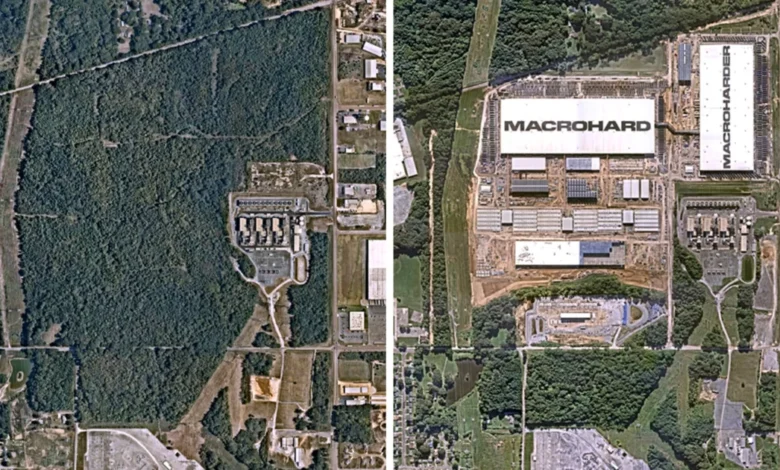
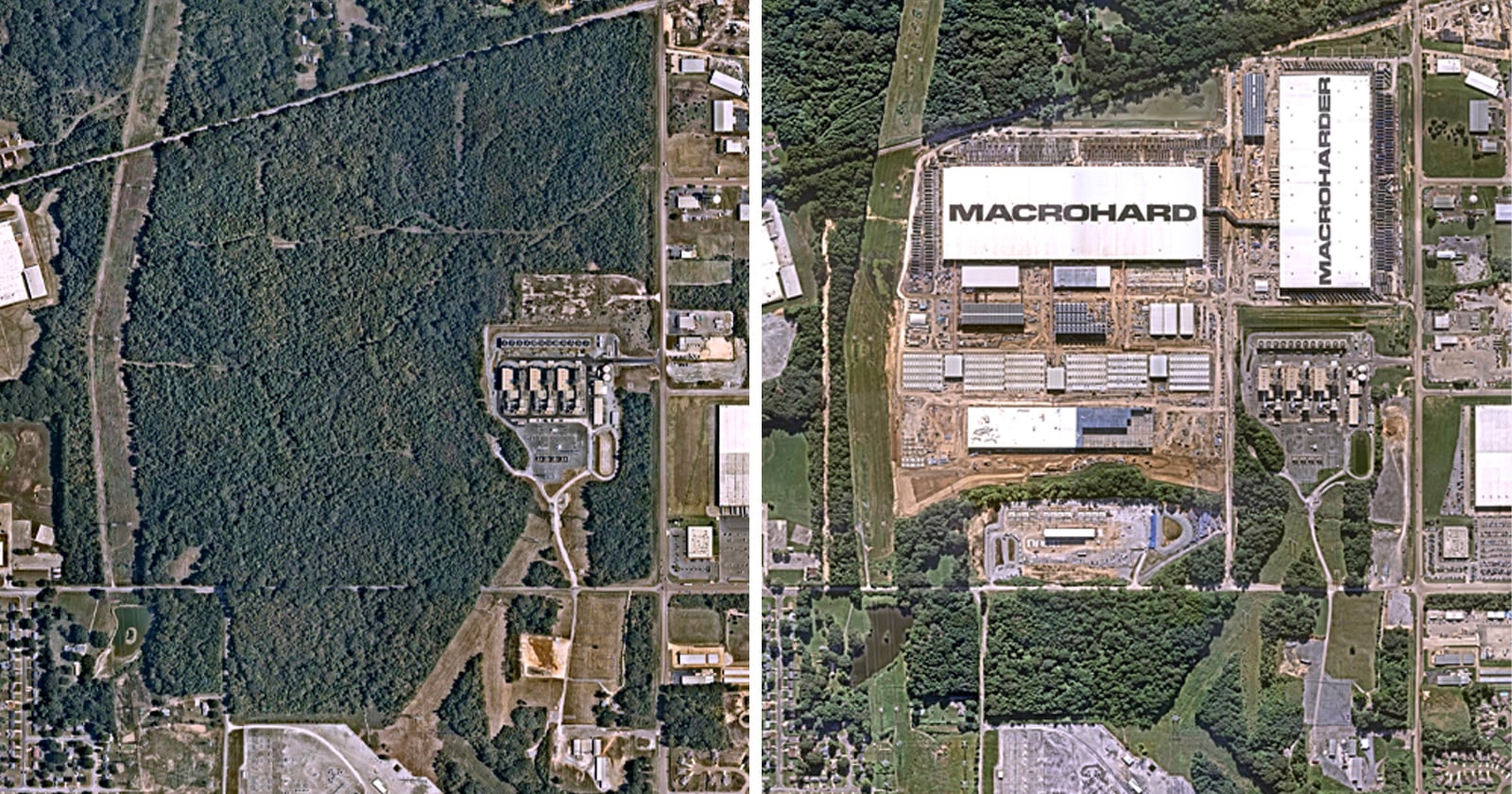
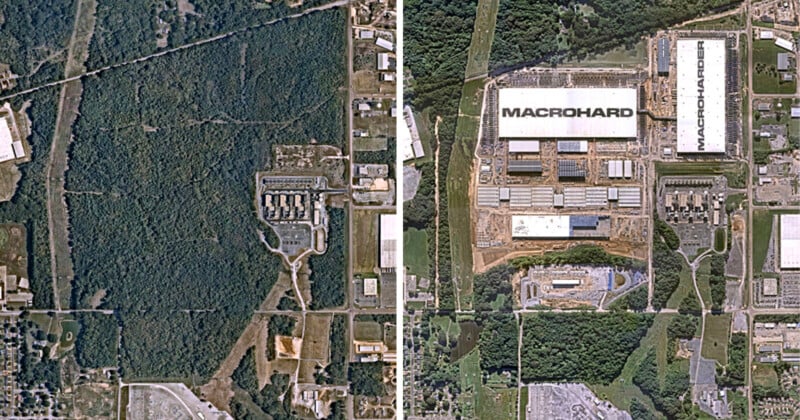
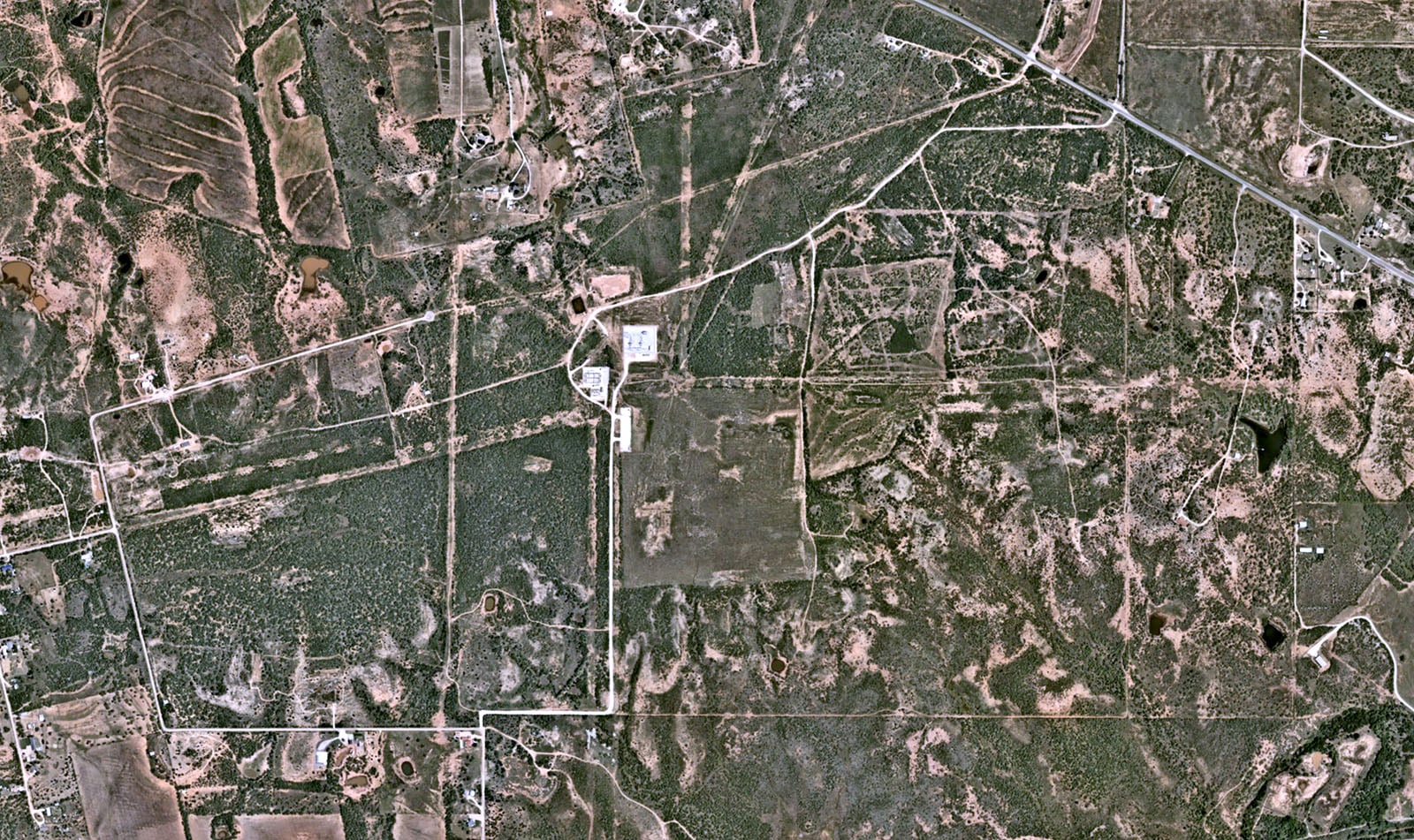
The rapid proliferation of artificial intelligence has long been marketed as a weightless, frictionless revolution driven by algorithms operating in ethereal digital spaces. However, striking new satellite photography and timelapse sequences reveal a starkly different reality—one characterized by heavy machinery, cleared forests, and sprawling industrial campuses transforming rural landscapes across the United States. Benjamin Grant, creator of the widely followed Daily Overview project, has compiled dramatic aerial comparisons illustrating the exponential physical expansion of major data center hubs between 2015 and 2026. These visual records capture multi-acre developments commissioned by leading technology firms, providing a tangible documentation of the infrastructure race underpinning the global artificial intelligence economy.
The release of these compelling visual datasets coincides with a critical juncture in the technology sector, defined by growing public pushback, environmental scrutiny, and unprecedented high-level debates regarding the pace of AI advancement. As communities grapple with the local realities of grid strain, water consumption, and land-use alterations, industry leaders themselves have begun questioning the sustainability of their current trajectory. The intersection of satellite surveillance, environmental impact, and corporate introspection offers an illuminating window into how the digital ambitions of Silicon Valley are fundamentally altering American geography.
The Chronology of an Infrastructure Boom
The physical foundation of the contemporary artificial intelligence boom did not materialize overnight; rather, it represents the acceleration of a long-standing trend in cloud computing that shifted into hyperdrive around 2022. For over a decade, major technology conglomerates quietly acquired vast tracts of rural and semi-rural land to house server farms. These locations were strategically chosen for their proximity to inexpensive electrical power, accessible water sources for cooling, and expansive acreage that allowed for modular, horizontal expansion.
Between 2015 and 2019, the data center footprint grew steadily to support streaming services, enterprise cloud storage, and early machine learning applications. However, the commercial debut of generative AI platforms in late 2022 fundamentally altered corporate priorities. Tech giants and newly minted AI pioneers scrambled to secure specialized computing hardware—predominantly high-performance graphics processing units (GPUs)—requiring unprecedented amounts of electrical capacity.
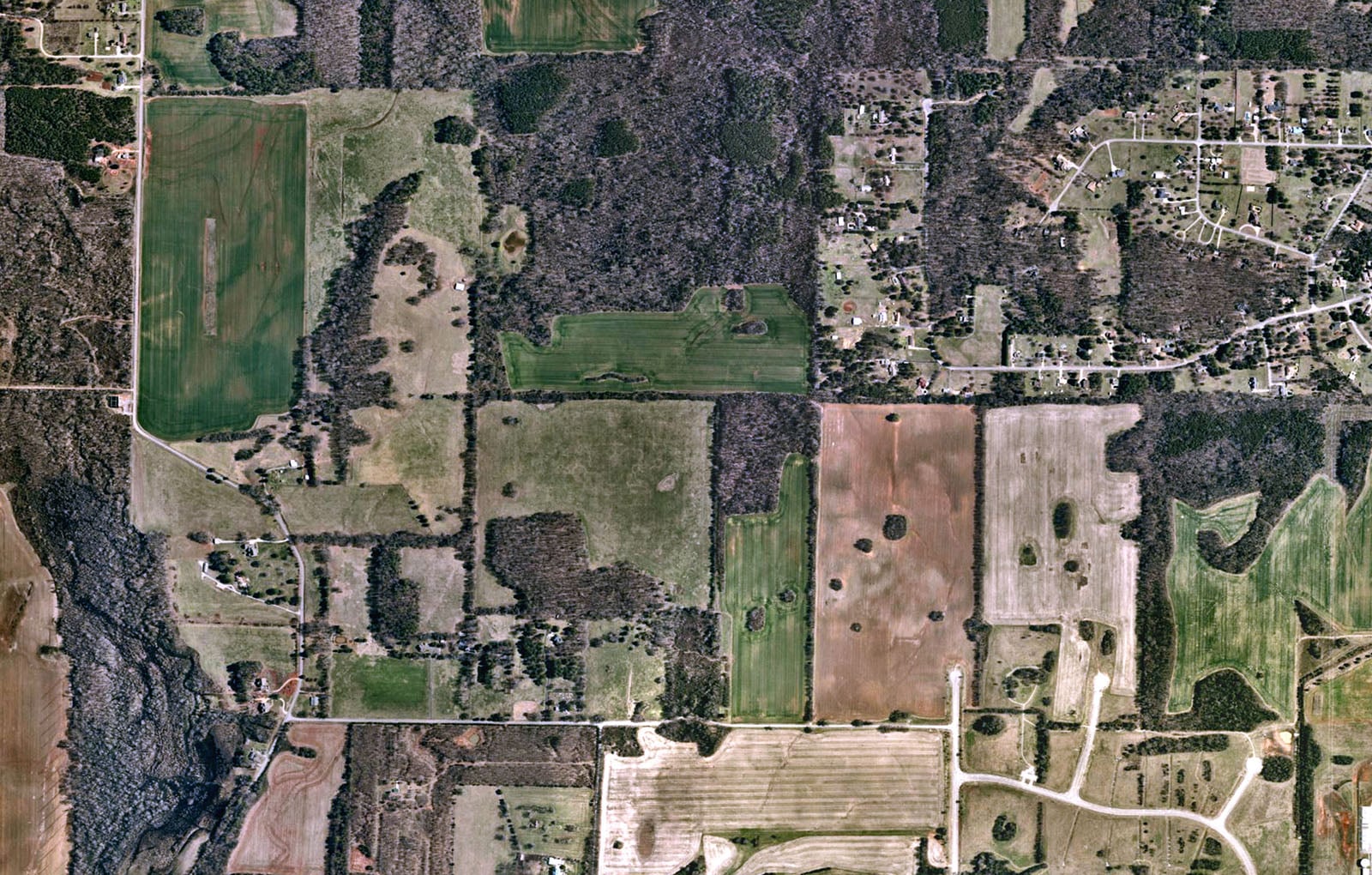
By 2024 and 2025, regional landscapes in states such as Tennessee, Texas, and Alabama began undergoing radical transformations. Sites that previously featured quiet agricultural fields, dense woodlands, or minor industrial parks were rapidly cleared, graded, and paved over to accommodate monolithic industrial buildings. The timelapse imagery shared by Daily Overview captures this exact inflection point, showcasing how a modest cluster of servers can expand into a sprawling campus capable of consuming as much electricity as a small city within the span of a few years.
Environmental Realities and Local Pushback
The sheer scale of these architectural footprints has transformed data centers from obscure utility buildings into prominent political and environmental flashpoints. Voters and municipal governments across the United States are increasingly pushing back against proposed developments, citing concerns over high energy demands, strain on local electrical grids, intensive water consumption, and the permanent alteration of local ecosystems.
When hundreds of acres of forest or farmland are cleared to construct a data center campus, the immediate ecological impact includes habitat fragmentation, loss of biodiversity, and altered stormwater runoff patterns. Furthermore, the operational phase of these facilities presents significant resource challenges. Advanced AI models require continuous, intensive computing cycles that generate substantial heat, necessitating massive cooling systems. Consequently, these facilities often demand millions of gallons of water daily and exert immense pressure on regional electrical utilities—frequently accelerating reliance on fossil fuel generation or delaying corporate green energy transition targets.
This grassroots resistance has crossed traditional political divides. Rural and suburban residents alike have voiced opposition at zoning board meetings, questioning the economic trade-offs of facilities that consume vast amounts of local resources while offering relatively few permanent, high-paying jobs once the construction phase is completed. The tension between national technological ambition and local environmental preservation has thus emerged as one of the defining domestic policy debates of the mid-2020s.
Industry Soul-Searching: Calls for a Paced Future
The physical expansion captured from orbit mirrors a parallel psychological and strategic shift occurring within the executive suites of the artificial intelligence industry. In a surprising convergence of perspectives, top executives from rival firms have recently broken ranks to advocate for a deliberate slowdown in the development of frontier models.
In a public statement released in late September 2026, Anthropic CEO Dario Amodei called for a formalized pacing of AI development, citing escalating safety risks, national security implications, and the need for regulatory frameworks to catch up with technological capabilities. Significantly, leaders from competing organizations—including OpenAI CEO Sam Altman and SpaceX and xAI founder Elon Musk—publicly concurred with the sentiment, acknowledging that the unbridled race toward artificial general intelligence (AGI) carries systemic risks that warrant a collective pause.
This sudden philosophical alignment among fierce competitors raises profound questions about the inertia of physical infrastructure. While software executives debate the wisdom of pressing pause on algorithmic training, the concrete and steel required to house future models continues to rise from the earth unabated. The immense capital investments already sunk into land acquisition, grid interconnection agreements, and hardware procurement suggest that the infrastructure race has acquired a self-sustaining momentum independent of software milestones.
A Meta-Perspective: AI Reflects on Its Own Habitat
In a unique creative exercise accompanying the release of the satellite imagery, Grant utilized Anthropic’s flagship conversational AI, Claude, to draft the accompanying text and select the background audio for the Daily Overview social media post. The resulting commentary provided a surreal meta-narrative on the physical costs of digital existence.
Reflecting on the aerial photographs of sprawling server farms, the AI system wrote in the published post about the paradox of its own operation. Observing the transition of green landscapes into concrete slabs and expansive rooflines, the model remarked on the tangible physical bill associated with processes that appear weightless from the user interface.
Grant noted that the decision to collaborate with the AI on its own infrastructural provenance felt fittingly self-referential. He expressed particular appreciation for the subtle nuance of guilt captured in the chatbot’s reflections, as well as its uncanny ability to curate an accompanying soundtrack that mirrored the relentless cadence of industrial construction.
Implications for the Future of Tech and Geography
The juxtaposition of orbital imagery and executive soul-searching highlights a broader transition in how society evaluates technological progress. For decades, the digital economy was celebrated precisely because it promised dematerialization—a world where physical supply chains could be streamlined and environmental footprints minimized through the magic of software.
The physical reality of the AI boom shatters this illusion, forcing a reckoning with the heavy industrial roots of the digital age. As data centers continue to claim vast swaths of land and challenge the limits of national energy grids, the public conversation is shifting from abstract marvels of code to concrete metrics of kilowatts, acreage, and carbon footprints.
Whether the calls for a slowdown by industry leaders will eventually temper the physical build-out remains an open question. For now, satellite archives provide an objective, undeniable record of a landscape being rapidly rewritten by the demands of machine intelligence. As these industrial campuses continue to expand across the American terrain, they serve as enduring monuments to a technological revolution whose earthly anchor is heavier and more permanent than many ever anticipated.
Related posts: