The digital age has fundamentally altered the landscape of photography, transforming the craft from a private pursuit into a highly scrutinized public performance. As social media platforms become the primary gallery for millions of images daily, the phenomenon of "online critique" has emerged as a double-edged sword. While feedback is essential for professional growth, the lack of a standardized etiquette often leads to discouraged creators and a dilution of artistic standards. This analysis explores the technical, psychological, and procedural frameworks necessary for photographers to navigate public critique while maintaining the integrity of their work.
The Evolution of the Digital Feedback Loop
Historically, photographic feedback was relegated to the darkroom, the photography club, or the editorial desk of a publication. In these settings, critique was governed by gatekeepers—editors, senior photographers, and critics—who provided structured, actionable advice. The transition to social media has dismantled these hierarchies, allowing for instantaneous, unfiltered, and often hostile feedback.
According to data from industry analytics firms, image engagement rates on platforms like Instagram and Flickr are highest within the first hour of posting. This temporal pressure often forces photographers to upload work prematurely, bypassing the traditional "cooling-off" period required for objective self-assessment. The psychological impact of this immediate, public-facing scrutiny can lead to "creator burnout," where the fear of negative commentary overrides the desire for creative exploration.
The Methodology of the Constructive Critique Burger
To combat the prevalence of non-constructive feedback—often referred to in digital parlance as "trolling"—the industry has increasingly adopted the "Critique Burger" framework. This pedagogical tool is designed to ensure that criticism remains a mechanism for improvement rather than a source of discouragement.
The structure is simple but effective:
- The Top Bun (Encouragement): Identifying a successful element within the image to establish a foundation of mutual respect.
- The Meat (Constructive Critique): Providing specific, actionable, and technical suggestions for improvement.
- The Bottom Bun (Reinforcement): Closing with a positive remark that underscores the photographer’s potential or the value of their creative intent.
This method serves as a buffer against the inherent subjectivity of visual art. By separating personal preference from technical failure, the feedback process becomes a collaborative exchange rather than a subjective assault.
Technical Checklist: Establishing Quality Control
Professional photography is predicated on a set of objective technical standards. Regardless of artistic intent, the following variables must be addressed before an image is considered ready for public consumption:
1. Subject Definition and Clarity
The subject is the focal point of the narrative. Technical proficiency requires that the subject be sharp and correctly exposed. While creative license may occasionally necessitate motion blur or shallow depth of field, such decisions must be intentional. A lack of focus, in many contexts, is interpreted by the viewer as a lack of technical mastery. Photographers are encouraged to review images at 100% magnification to verify that the focus plane aligns with the critical elements of the subject.

2. Environmental Analysis and Background Management
A common pitfall in amateur photography is the failure to account for background interference. Elements such as "mergers"—where a vertical line, such as a tree or fence, appears to intersect with a subject’s body—can distract the viewer and weaken the composition. A meticulous review of the entire frame, not just the subject, is required to identify distracting light, shadows, or background figures that diminish the photograph’s intended message.
3. Compositional Intent and Cropping
Cropping is not merely a tool for reframing; it is a fundamental element of visual storytelling. Improper cropping can lead to "amputated" limbs or distorted proportions. Industry standards suggest that portrait photography should generally avoid cropping at joints, as this can create an uncomfortable visual tension. Furthermore, excessive cropping—especially on high-resolution images intended for large-format printing—can lead to significant degradation in image quality, including noise and loss of sharpness.
The Role of Post-Production and Software
The use of digital editing suites, such as Adobe Lightroom or Photoshop, is an integral stage of the modern photographic workflow. The adoption of presets has become a point of contention among traditionalists, yet when used correctly, these tools function as a sophisticated learning aid. By applying a preset and subsequently deconstructing the settings, photographers can gain insights into color grading, exposure adjustment, and tonal contrast. This analytical approach, rather than passive application, is what differentiates a novice from a professional.
Selection Discipline: The Curator’s Mindset
Perhaps the most significant challenge for the modern photographer is the act of selection. In an era of unlimited cloud storage, there is a temptation to share the entire catalog of a shoot. However, professional output is defined by curation. The most successful photographers are those who adhere to a rigorous internal standard, opting to share only the top percentile of their work.
Data suggests that photographers who maintain a strict "quality-over-quantity" threshold see higher long-term engagement and reputation growth. By setting a high bar, a photographer implicitly trains their audience to expect high-quality content, which in turn reinforces their own discipline.
Contextualizing the Narrative
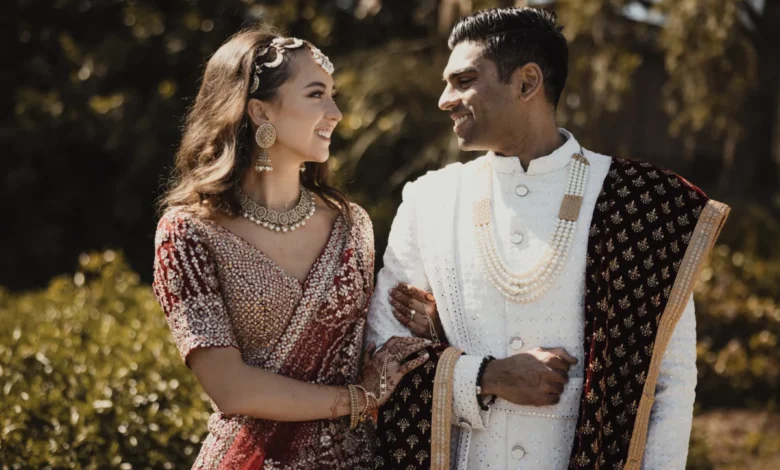
A photograph rarely stands alone; it is usually part of a larger narrative or series. Whether documenting a wedding, a landscape, or a social event, the images must form a cohesive cluster that conveys a specific story. Photographers are advised to capture a variety of perspectives—close-ups, wide shots, and varying angles—to provide a comprehensive visual experience. When these images are presented together, the necessity for individual perfection is balanced by the strength of the collective narrative.
Broader Implications and Industry Outlook
The democratization of photography has arguably lowered the barrier to entry, resulting in a saturated market. For the contemporary photographer, the ability to withstand critique is as vital as the ability to operate a camera. By institutionalizing frameworks like the "Critique Burger" and adopting a disciplined approach to technical review, photographers can insulate themselves from the volatility of online feedback.
The future of the craft lies in the balance between creative expression and technical rigor. As artificial intelligence and automated editing tools become more prevalent, the human element of selection—the ability to identify which image tells the most compelling story—will become the most valuable asset a photographer can possess. Ultimately, the photograph is a testament to the photographer’s discipline. Those who prioritize the quality of their work over the speed of their output will continue to define the standards of the industry, regardless of the shifting tides of social media trends.
By following a structured review process—subject clarity, background management, thoughtful composition, intentional editing, and strict selection—the photographer does more than just avoid negative feedback; they elevate the craft to a level of professionalism that resonates with a wider audience. The transition from a casual shooter to a disciplined professional is not achieved through hardware, but through the consistent application of these fundamental principles.