Six Creative Dog Photoshoot Techniques to Elevate Your Pet Photography Portfolio

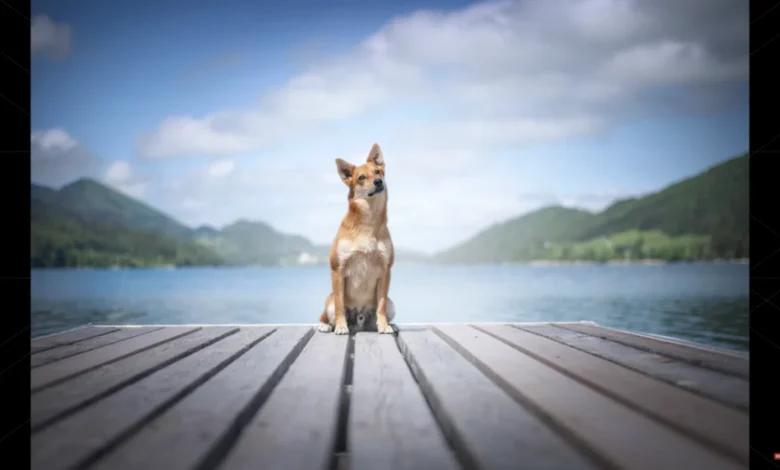
The rise of social media-driven pet culture has transformed pet photography from a niche hobby into a sophisticated, multi-billion-dollar industry. As millions of pet owners seek to document their companions with professional-grade imagery, the demand for accessible, high-impact creative techniques has reached an all-time high. Whether utilizing high-end mirrorless camera systems or advanced smartphone optics, photographers are increasingly moving away from static, posed portraits toward dynamic, narrative-driven compositions. Mastering these six specific techniques requires a blend of technical camera proficiency, an understanding of animal behavior, and an eye for unconventional composition.
The Evolution of Pet Photography as a Professional Discipline
Historically, pet photography was largely relegated to basic, studio-lit portraits or casual snapshots. However, the last decade has seen a paradigm shift. Data from the American Pet Products Association (APPA) indicates that pet owners in the United States spent approximately $147 billion on their pets in 2023, with a significant portion of that expenditure directed toward lifestyle services, including professional pet photography.

This shift is rooted in the "humanization" of pets, where dogs are increasingly viewed as integral family members. Consequently, professional photographers have adapted their workflows to mirror the complexities of human portrait sessions. This evolution has birthed a new standard in imagery, moving from simple documentation to artistic storytelling that captures the personality and unique bond between pet and owner.
Mastering Perspective: The Canine-Centric Viewpoint
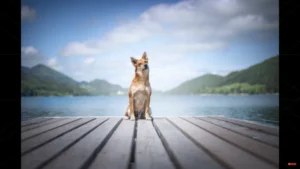
To capture compelling imagery, photographers must fundamentally alter their physical interaction with the environment. The most effective way to engage a viewer is to drop to the subject’s eye level. By shooting from a low angle, the photographer diminishes the scale of the environment and emphasizes the dog’s emotional expression.
A highly effective technique for creating intimate, perspective-bending imagery involves the use of transparent barriers, such as acrylic sheets. By applying a small amount of canine-safe, natural nut butter to the surface, a photographer can encourage the dog to interact directly with the lens. This creates a "first-person" perspective that invites the viewer into the dog’s world. Technically, this requires a shallow depth of field to ensure that while the focus remains sharp on the dog’s features, the background remains softly blurred, reducing visual clutter and emphasizing the subject’s intensity.

Strategic Composition: Foreground Interest and Depth of Field
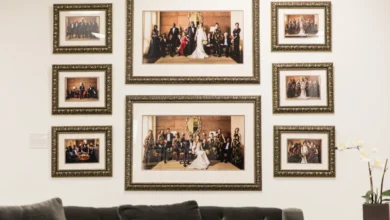
In professional engagement or family photography, integrating a dog into the frame requires more than just placement; it requires a deep understanding of visual hierarchy. A common technique among portrait professionals is the use of foreground blurring. By placing the dog closer to the camera lens and positioning the primary human subjects several feet behind, the photographer creates a multi-layered composition.
This technique is effective because it forces the viewer’s eye to travel through the frame. The dog, positioned in the foreground, acts as an anchor, while the human subjects provide the context of the relationship. To execute this, a wide aperture—typically f/2.8 or lower—is necessary to ensure the background subjects remain distinguishable but not distracting. Using a small, high-value treat held just above the lens line is a standard professional practice to ensure the animal maintains eye contact with the camera, ensuring the "soul" of the image remains focused and alert.
High-Speed Shutter Dynamics and Action Photography
Capturing the kinetic energy of a dog in motion represents the highest tier of technical challenge in pet photography. Action shots, particularly those involving water, require a departure from standard settings. To freeze motion effectively—such as a dog shaking off water after a bath—photographers must utilize shutter speeds of at least 1/2000th of a second.

The logistical challenge here is timing. A dog’s natural instinct to shake occurs in a fraction of a second. Photographers often use a "burst mode" setting, which allows for 10 to 20 frames per second, ensuring that the critical moment of water droplet suspension is caught. Furthermore, providing a high-contrast background, such as a solid black wall or a darkened room, allows the water droplets to catch the light, creating a dramatic, studio-quality aesthetic. This level of technical precision is typically reserved for professional-grade DSLR or mirrorless cameras with fast autofocus tracking capabilities.
Artistic Portraiture and the Role of Environmental Props
Beyond technical settings, the use of props—ranging from seasonal string lights to specialized wardrobe—serves to contextualize the image within a specific time or theme. However, professional standards dictate that safety must be the primary consideration. Experts advise that any prop introduced into a shoot must be non-toxic and durable enough to withstand chewing.
The impact of these additions is significant in social media engagement. Data from image-sharing platforms suggests that seasonal or themed pet photography consistently outperforms generic imagery by an average of 40% in terms of reach and interaction. When integrating props, the goal is to enhance the subject rather than obscure it. Minimalist, artistic portraits—where the focus is on the textures of the animal’s coat and the mood of the lighting—often carry more emotional weight than heavily staged, cluttered scenes.

The Impact of Creative Education on Industry Standards
The democratization of high-quality photography gear, combined with the accessibility of online creative workshops, has raised the bar for what is considered an acceptable pet photograph. Courses such as "Creative Photography 101" have become essential for hobbyists and professionals alike, focusing on the principle that creative vision far outweighs the monetary value of equipment.
According to market analysts, the rise in professional-level pet content is directly correlated with the growth of social media "pet influencers." As brands increasingly look to partner with these animals for marketing campaigns, the professionalization of the content itself has become a necessity. This has created a feedback loop where amateur photographers are motivated to learn advanced techniques to match the quality of commercial pet photography.
Conclusion and Broader Implications
The field of dog photography is no longer merely about capturing a memory; it is an exercise in technical precision, patience, and creative storytelling. By moving away from standard, top-down snapshots and embracing techniques like low-angle perspective, action-freezing shutter speeds, and carefully curated environmental setups, pet owners can significantly elevate the quality of their imagery.

The implications for the future of the industry are clear: as mobile camera technology continues to improve, the gap between "amateur" and "professional" will continue to narrow. However, the core principles of photography—light, timing, and composition—remain constant. Those who invest the time to master these fundamental techniques will continue to lead the field, whether they are documenting their own pets for personal archives or building a professional brand in an increasingly competitive digital landscape. Through these six techniques, the objective is to capture the essence of the animal, transforming a simple photograph into a lasting, artistic testament to the bond between human and pet.