Disney bridges the gap between traditional Hollywood and digital content creators at inaugural Created in L.A. event

The Walt Disney Company officially entered a new era of digital engagement this Thursday, launching its inaugural creator-focused summit, Created in L.A., at the historic El Capitan Theatre in the heart of Hollywood. The two-day event marks a significant strategic shift for the entertainment giant, which has historically relied on long-gestation production cycles but is now seeking to integrate the agility and direct-to-consumer intimacy of the creator economy into its broader business model.
The summit convened more than 350 of the world’s most influential digital storytellers, innovators, and industry strategists. The roster of attendees represented a truly global reach, with creators traveling from as far as Argentina, Australia, England, the Netherlands, Canada, Georgia, and Morocco. This gathering was designed to facilitate a high-level exchange of ideas, professional networking, and an exploration of the evolving business landscape that defines modern digital storytelling.
The visionary behind the event, Jon Youshaei, served as both host and architect of the summit. Youshaei, a media personality who has navigated the intersection of corporate tech—having held leadership roles at both YouTube and Instagram—and independent content creation, has long been a proponent of the "creator-first" narrative. Known for his deep-dive interviews with heavyweights such as MrBeast, Mark Rober, and Kevin Hart, Youshaei leveraged his industry expertise to convince Disney executives that the work produced by digital creators was ready for the cinematic prestige of the big screen.
By the Numbers: The Massive Influence of the Creator Class
The magnitude of the audience present at the El Capitan Theatre was staggering, underscoring the shift in media consumption habits that Disney is clearly monitoring. During his opening remarks, Youshaei presented a breakdown of the collective influence wielded by those in the room.
The aggregate reach of the attendees totaled over 1.6 billion followers across major social media platforms. Specifically, this group commands a massive 800 million subscribers on YouTube, 80 million followers on Instagram, and a further 350 million followers on TikTok. These figures illustrate why major studios are increasingly looking to creators not just as marketing partners, but as primary engines of audience engagement. For Disney, a company that has built its reputation on legacy intellectual property and multi-year production timelines, these numbers represent a demographic that they are eager to engage with more directly.
The Pitch: From Mobile Screens to the Big Screen
The origin of Created in L.A. stems from a fundamental question posed by Youshaei to Disney executives: Why should the high-quality content produced by independent creators be confined to smartphones and laptops?
Youshaei recounted his pitch to the studio, arguing that the quality of digital filmmaking has evolved to a point where it deserves the red-carpet treatment typically reserved for blockbuster theatrical releases. By premiering these digital works at the El Capitan—the very venue that has hosted the premieres of legendary Disney properties like The Lion King, The Avengers, and Frozen—Disney is signaling a formal validation of the creator economy.
This move effectively blurs the line between traditional "studio-grade" content and independent digital media, suggesting that the industry’s perception of "prestige" is undergoing a rapid recalibration. The decision to grant these creators the use of such a historic space is a symbolic gesture of inclusion that reinforces the validity of their craft in the eyes of traditional Hollywood.
Strategic Synergy: The Perspective of Disney Leadership
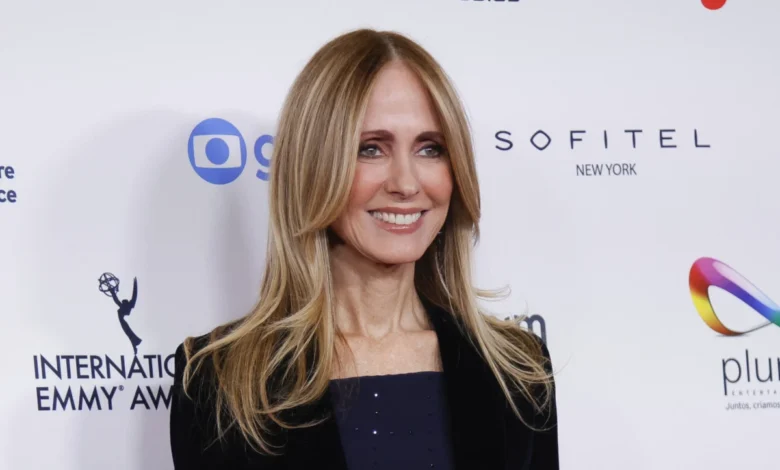
Dana Walden, president and chief creative officer of the Walt Disney Company, provided the keynote address, framing the event as a two-way street for knowledge sharing. Walden’s presence and her comments highlighted an acknowledgment by the C-suite that Disney’s traditional production models face challenges in a world dominated by instantaneous feedback loops.
"What strikes me about this room is the instinct so many of you have for your audience," Walden noted during her address. "You know them intimately. You hear from them constantly, and you adjust in real time based on what they want. And that is very different from the kind of content that we produce."
Walden’s analysis points to the core tension—and potential synergy—between the two worlds. Traditional film and television production can often take years from concept to distribution, whereas creators can produce, iterate, and publish content within hours or days. This immediacy allows for a level of audience collaboration that traditional studios have historically struggled to emulate.
By inviting these creators into their ecosystem, Disney is hoping to glean insights into that agility. Conversely, Walden expressed hope that Disney’s decades of experience in narrative structure, character development, and world-building could provide value to the creators in attendance. The goal, she suggested, is a collaborative future: "My hope for these two days is that we’ll exchange ideas and learn from each other—that some of what makes your storytelling so special rubs off on us, and that some of what we’ve learned about telling stories over many decades will be useful to you."
Recognition and the Future of Collaboration
The inaugural night concluded with the presentation of the Golden State Awards, a new accolade designed to celebrate technical prowess and audience resonance in digital filmmaking. The inaugural winners included Lucas and Curtis Nicotra, better known by their online handle "Sticks," for their project The Technoblade Movie. The award served to underscore that the criteria for success in the current media environment are no longer solely tied to traditional industry gatekeeping, but to the ability to build and maintain a loyal, global audience.
The evening also saw the premiere of Zach King’s parody film, Cardboard Strikes Back, a creative homage to the Star Wars franchise. King, who also received a Golden State Award, represents the new generation of talent that Disney is courting—creators who possess a mastery of short-form visual storytelling and a deep understanding of pop-culture nostalgia.
Broader Implications for the Media Landscape
The implications of Created in L.A. extend beyond a single networking event. The move suggests that major media conglomerates are moving away from a competitive stance against the creator economy and toward a strategy of integration. As traditional broadcast and cable television metrics continue to decline, the necessity of tapping into established digital communities has become paramount.
This event is likely a precursor to more formal partnerships. By providing a platform for creators to interact with the resources and prestige of a company like Disney, the studio is effectively auditioning for the next wave of creative talent, while simultaneously inviting them to join the "Disney ecosystem."
For the creators, the event provides a rare opportunity to access the industry infrastructure they previously had to build from scratch. The fusion of Disney’s capital and storytelling history with the creators’ audience reach and technical immediacy could redefine the next decade of entertainment. As Dana Walden concluded, the hope is that this will be the "beginning of incredible relationships," potentially leading to new, hybrid forms of storytelling that leverage the best of both worlds.
The two-day summit continues with further workshops and panels, setting a new precedent for how Hollywood interacts with the digital-native generation. Whether this leads to formal studio acquisitions of creator-led projects or simply a new model of content distribution remains to be seen, but the message from the El Capitan Theatre is clear: the creator economy is no longer on the periphery of the entertainment industry—it is at the center.