Netflix True Crime Documentary The Widower Til Death Do Us Part Examines the Decades-Long Legal Battle of Serial Husband Thomas Randolph

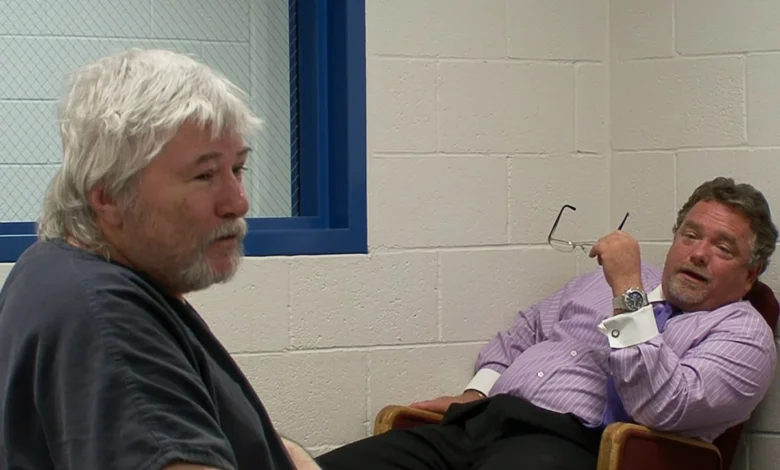
The true-crime genre has long served as a staple for streaming platforms seeking to engage audiences with tales of extraordinary deception, systemic failure, and tragic loss. Netflix’s 91-minute documentary, The Widower: ’Til Death Do Us Part, plunges back into one of the most chilling cases of marital homicide in modern American history. The film re-examines the twenty-year saga surrounding Thomas Randolph, a charismatic and calculating man who married six times and buried four of his wives, three under deeply suspicious circumstances. Directed as a condensed cinematic evolution of veteran NBC Dateline producer Dan Slepian’s earlier five-hour 2021 docuseries Dateline: The Widower, this latest iteration places the investigative journalist squarely in front of the camera. By detailing Slepian’s unprecedented, decade-long access to both the perpetrator and the sprawling legal proceedings, the documentary offers a sobering look at how a textbook narcissist manipulated the American judicial system for nearly two decades.
The Main Facts of the Case
The focal point of the documentary is the 2008 double homicide in Las Vegas that finally brought Randolph’s murderous pattern into the glaring light of law enforcement scrutiny. On August 8, 2008, police responded to a 911 call placed by Randolph, who claimed that an intruder—a handyman named Mike Miller—had broken into his home and shot his sixth wife, Sharon Causse. Randolph alleged that in the ensuing chaos, he managed to wrestle a weapon away from Miller and shot him in self-defense.
Las Vegas Metropolitan Police Department detectives, led by Detective Dean O’Kelley, immediately grew suspicious of Randolph’s narrative. Investigators soon discovered a chilling financial motive: Randolph had taken out substantial life insurance policies on Causse and was named as the sole beneficiary of her estate. Furthermore, Causse had recently grown terrified of her husband’s aggressive and controlling behavior, prompting her to alter her will to leave her estate to her daughter, Colleen Beyer.
The investigation quickly ballooned as detectives realized Causse was not an isolated incident. Randolph’s marital history was a graveyard of suspicious financial windfalls. When authorities excavated his past, they found that out of his six wives, two were still alive, one had died of natural causes (cancer), one had died following heart surgery under controversial circumstances, and two—including Causse—had been shot to death under eerily similar scenarios involving staged narratives and lucrative life insurance payouts. Randolph had previously collected hundreds of thousands of dollars in insurance settlements and even successfully sued a hospital for medical malpractice following the death of his fifth wife.
Chronology of an Endless Judicial Battle
The timeline of Thomas Randolph’s apprehension, trial, and appeals spans more than twenty years, characterized by endless legal maneuvers designed to exhaust the prosecution and torment the surviving family members.
August 2008: Sharon Causse and Mike Miller are shot and killed inside the Randolph home in Las Vegas. Randolph claims self-defense.
November 2009: Following a meticulous cross-country investigation into Randolph’s past marriages, Las Vegas police arrest Randolph at his mother’s home. He refuses to comply with officers and is subdued with a taser, an event captured on camera by Dan Slepian’s crew.
2009–2016: While incarcerated awaiting trial, Randolph engages in a calculated strategy of delay. He routinely cycles through defense attorneys, hiring and firing counsel just weeks before scheduled court dates to prevent the state from moving forward. During this time, Colleen Beyer suffers profound psychological distress due to the lack of closure.
2017: Nearly nine years after the murders, Randolph finally faces trial. A Nevada jury finds him guilty of first-degree murder and conspiracy, and he is sentenced to death. Slepian captures the verdict, believing the nightmare has finally ended.
2020: The Nevada Supreme Court upends the conviction, ruling that introducing evidence from Randolph’s previous 1980s Utah murder trial—where he was acquitted of killing his second wife—prejudiced the jury. The verdict is thrown out, granting Randolph a new trial and devastating Colleen Beyer.
2023: Randolph stands trial for a second time. Despite the exclusion of the historical Utah case, the overwhelming evidence secured by Detective O’Kelley and the meticulous investigative reporting of Slepian results in a second conviction.
September 2026: The Nevada Supreme Court officially rejects Randolph’s subsequent appeal for a third trial. Now 71 years old, Randolph is consigned to serve a 60-year prison sentence, effectively sealing his fate behind bars.
Supporting Data and Investigative Insights
The documentary benefits immensely from the deep investigative reservoir accumulated by Dan Slepian over ten years of reporting. Slepian, a celebrated journalist recognized for his advocacy in wrongful imprisonment cases—including his 2024 Pulitzer Prize-nominated podcast series The Sing Sing Chronicles—brings professional gravity to the production. Through extensive phone calls and prison interviews, Slepian uncovers the psychological profile of Thomas Randolph, identifying him as a textbook narcissist whose pathological self-confidence allowed him to look directly into camera lenses and brag about his ability to outsmart the law.
Financial records subpoenaed during the investigation revealed that Randolph systematically targeted women with substantial assets or employment stability, insuring their lives for hundreds of thousands of dollars. The pattern of behavior demonstrated a chilling detachment:
- First Wife: Married and divorced.
- Second Wife (Becky Gault): Shot and killed in Utah in 1986 under claims of a suicide; Randolph stood trial for murder and was acquitted, dodging the death penalty.
- Third Wife (Francis Randolph): Died of cancer while married to him.
- Fourth Wife: Married and divorced.
- Fifth Wife (Ericca Randolph): Died following heart surgery in a hospital; Randolph subsequently sued the medical institution for malpractice and secured a significant financial settlement.
- Sixth Wife (Sharon Causse): Shot and killed in 2008 alongside handyman Mike Miller.
Statements and Reactions from Related Parties
The emotional center of The Widower: ’Til Death Do Us Part belongs not to the killer, but to Colleen Beyer, Sharon Causse’s daughter. Beyer’s journey through the labyrinth of the American legal system provides a harrowing look at the collateral damage inflicted by violent crime and procedural delays. Throughout the documentary, Beyer articulates the agonizing limbo of watching her mother’s murderer repeatedly exploit legal loopholes to delay justice.
Upon the final rejection of Randolph’s appeals in September 2026, statements from supporting legal teams and investigators highlighted a collective sense of relief. Detective Dean O’Kelley, who worked tirelessly for decades to ensure accountability, stands alongside Beyer as the verdict finally solidifies. In the documentary’s closing moments, Slepian offers a pointed critique of the judicial framework, expressing frustration that a man whose guilt was glaringly obvious could manipulate constitutional safeguards for decades, while genuinely innocent individuals often struggle against immense institutional inertia to prove their innocence.
Broader Impact and Implications
The case of Thomas Randolph and its multi-tiered media documentation—stretching from local news and NBC’s Dateline to ID’s coverage and Netflix’s feature—raises significant questions about the intersection of journalism, true crime entertainment, and the judicial process.
From a legal standpoint, the case exposes vulnerabilities in rules governing the admissibility of prior bad acts and historical criminal behavior. The Nevada Supreme Court’s 2020 decision to overturn Randolph’s initial death sentence underscored the strict evidentiary boundaries required to protect a defendant’s right to a fair trial, even when a mountain of circumstantial history suggests a lifelong pattern of lethal predation. This tension between protecting constitutional rights and acknowledging a defendant’s established behavioral patterns remains a central debate in American jurisprudence.
Furthermore, the documentary highlights the indispensable role of investigative journalists in modern criminal justice. Without Dan Slepian’s persistent tracking, long-form documentation, and institutional memory across twenty years, local authorities might not have sustained the systemic pressure required to dismantle Randolph’s defense strategies. As streaming platforms continue to feed the public appetite for true-crime narratives, projects like The Widower: ’Til Death Do Us Part demonstrate that beyond mere entertainment, rigorous investigative journalism can serve as a vital ledger for accountability, ensuring that victims like Sharon Causse, Becky Gault, and their families are never forgotten.