‘Best of the Best’ Cinematographer Explains Why Dance Scenes Were Filmed Like Action Sequences

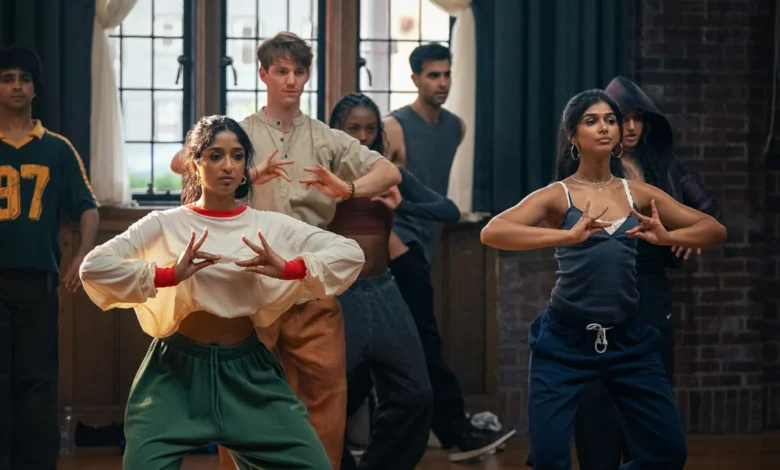
The production of the Netflix film Best of the Best represents a significant departure from traditional musical filmmaking, where the camera serves as a passive observer of stage-based choreography. Instead, cinematographer Adam Carboni and director Leena Khan opted for a kinetic, immersive visual language that mirrors the intensity of stunt-heavy action cinema. By integrating the camera directly into the dance formations, the production team faced unique logistical, safety, and technical hurdles, resulting in a film that blurs the lines between narrative storytelling and high-energy performance.
A Three-Week Blueprint for Kinetic Storytelling
The visual identity of Best of the Best was not an afterthought but the primary focus from the inception of pre-production. Carboni revealed that of the initial three-week preparation period, one full week was dedicated exclusively to mapping out the dance numbers. This rigorous planning phase was essential, as the team sought to avoid the static, "proscenium-style" coverage often seen in theatrical dance films.
The core philosophy was to "infiltrate the dance." Carboni’s approach required the camera—often mounted on a Steadicam—to weave through the dancers, effectively becoming a performer itself. This decision, while aesthetically bold, presented immediate complications. Because the camera occupied physical space within the choreography, the movements had to be constantly recalibrated to ensure the camera, the performers, and the lighting equipment did not collide.
The Logistics of a Truncated Production Schedule
The production schedule for Best of the Best was exceptionally aggressive, with the climax of the film—a massive, complex final dance number—being captured in just 36 hours of filming time. This pressure was compounded by the technical necessities of hair, makeup, and costume changes, which frequently encroached upon the allotted time for principal photography.
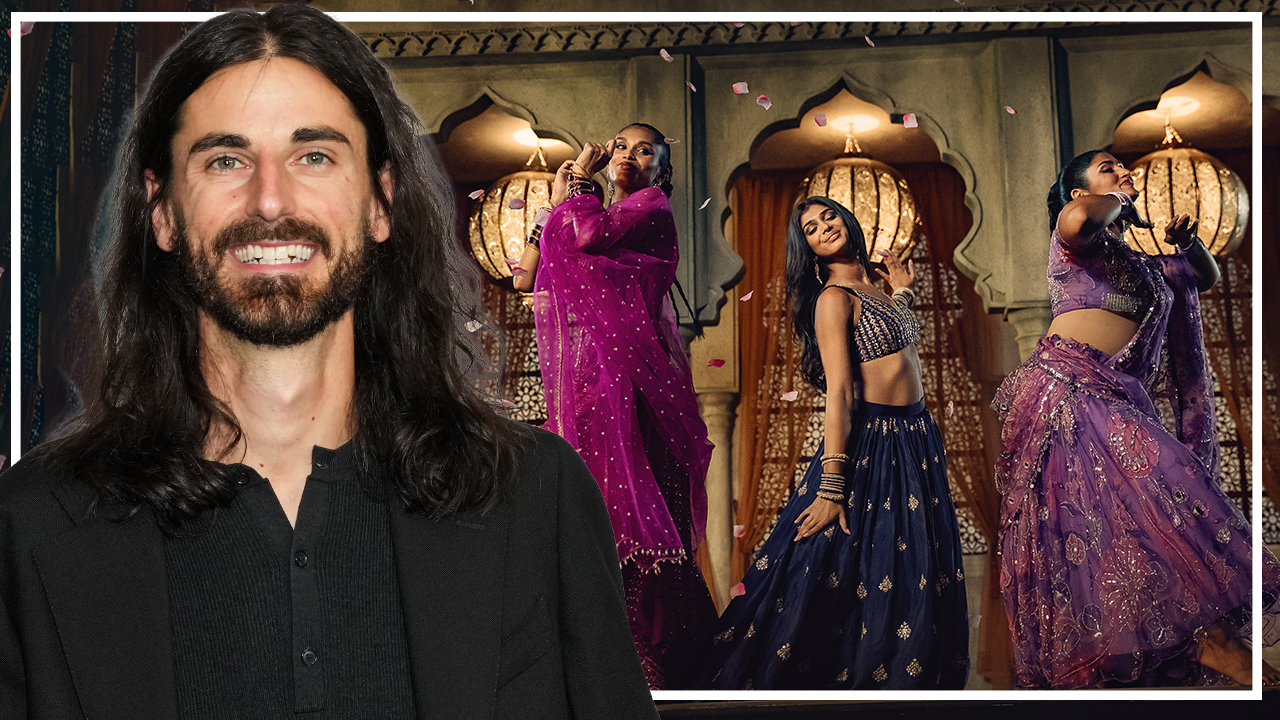
To manage these constraints, the team relied on a "discovery-based" approach during production. While they adhered to a strict shot list, they remained flexible enough to adapt to the organic energy of the dancers. This efficiency was largely supported by the expertise of choreographers Phillip and MaKenzie, who worked in tandem with the camera team. When a camera angle required a change in formation to preserve the frame, the choreography was adjusted in real-time, proving that the synergy between the camera department and the dance leads was the linchpin of the film’s success.
Comparative Analysis: The Challenge of the Dance Musical
The industry standard for filming dance numbers typically involves a significantly more generous timeline. Drawing a comparison to the NBC series Smash, which was celebrated for its Broadway-style choreography, it becomes clear that Best of the Best operated under extreme constraints.
A veteran gaffer interviewed by Carboni during the hiring process noted that on Smash, a single dance number would typically be allocated an entire week of production time. This would include load-in, lighting design, rehearsal, and two full days of filming, with a buffer week between numbers. In contrast, the team for Best of the Best was tasked with executing approximately 10 distinct dance sequences within a two-and-a-half-week window. The ability to pull this off without compromising production quality is a testament to the pre-production documentation, which included high-fidelity rehearsal footage captured by Phillip using a DJI Osmo to test hero angles before cameras ever reached the stage.
Technical Coordination: Lighting and Theatrical Precision
The lighting design for the film, led by theatrical lighting designer Mike Baldassari and gaffer Jason Velez, had to be as dynamic as the camera movement. As the camera roamed through the dance formations, the lighting cues had to shift instantaneously to maintain consistent exposure and mood.
The integration of the lighting board operators with the camera crew via intercom allowed for seamless adjustments. This technical choreography ensured that as the "roaming" camera turned, the theatrical lighting cues adapted to highlight specific performers or narrative beats. This level of technical synchronization is rare in independent or streaming-first productions, elevating the film’s visual fidelity to match that of high-budget studio features.
Narrative Integration and Character-Driven Motion
For Carboni, the dance sequences were not merely stylistic interludes but vital narrative tools. Each sequence was broken down on a whiteboard, with the cinematographer and director meticulously cataloging every story beat. If a specific move did not serve the character arc—such as a moment of tension between the protagonists, Maya and Anjali—it was cut.
This editorial rigor was essential for maintaining the emotional through-line of the film. Carboni worked closely with screenwriter Prashanth to determine which beats were critical to the plot. By treating the dance as a script-driven narrative, the team ensured that the audience would not be distracted by spectacle at the expense of character development. The result is a series of sequences where every movement, flip, and turn is tied to the emotional state of the characters on screen.
Safety and the "Energizer Bunny" Reality
The physical toll on the performers was a constant concern for the production team. Because the dancers were performing complex, high-impact movements—including aerial flips and partner stunts—the duration of takes had to be carefully managed.
Safety protocols often dictated the filming process. When an Assistant Director (AD) reported that a performer could only safely execute one more high-intensity stunt, the production team had to make an immediate, executive decision to shift their coverage strategy. In such instances, the team often opted for a wide-angle, long-duration take to capture the stunt in its entirety, sacrificing tighter, supplementary coverage to protect the health and safety of the cast.
This, again, highlights the "action-sequence" nature of the production. Much like in a stunt-heavy blockbuster, the cinematographer had to weigh the value of a perfect visual shot against the physical limitations of the "stunt performer" (the dancer). This collaborative environment fostered a sense of mutual respect between the crew and the dancers, as everyone acknowledged that the quality of the final product was inextricably linked to the dancers’ physical capacity.
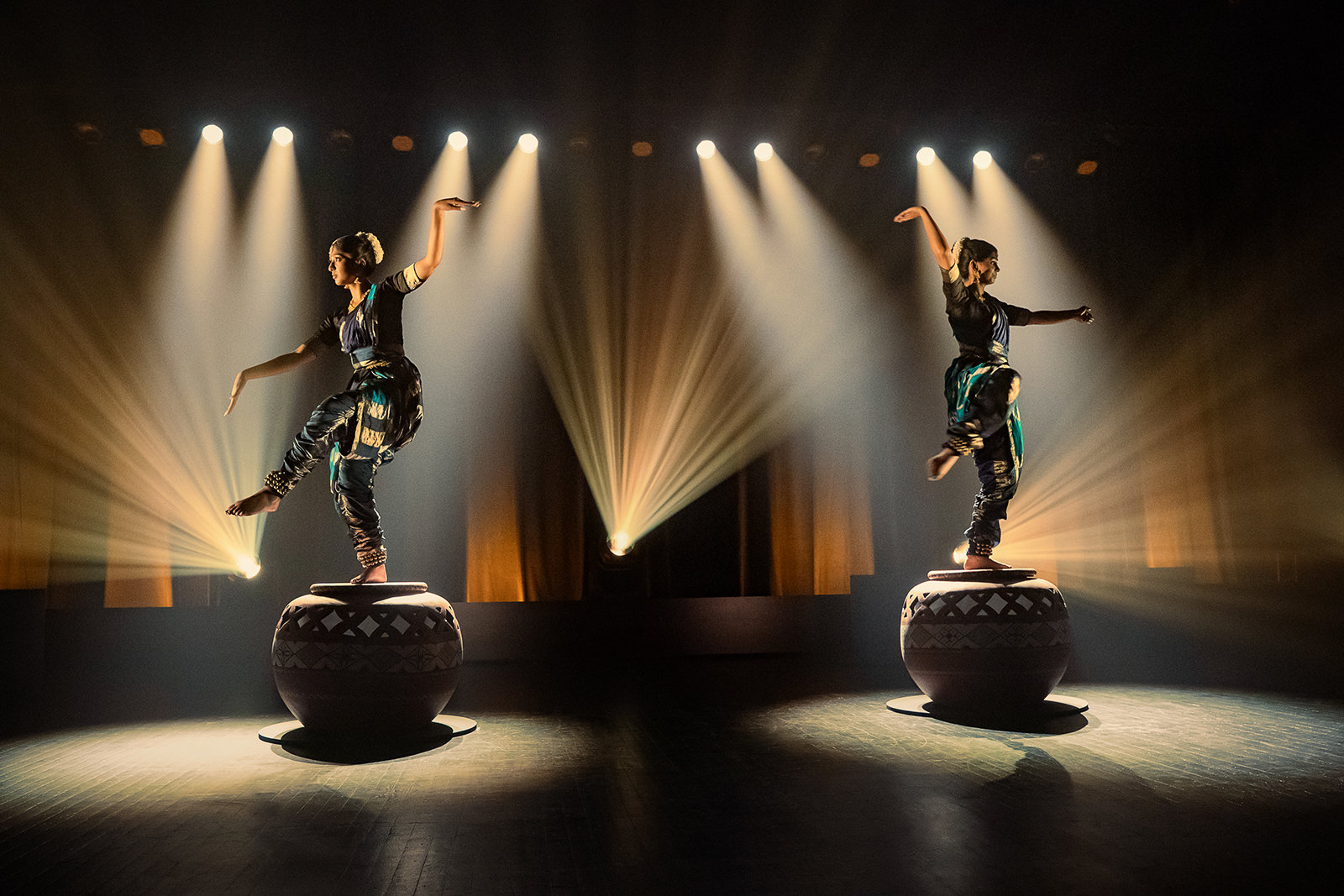
Implications for the Future of Dance Cinema
The production model employed by Carboni and Khan provides a blueprint for future dance-centric films. By leveraging modern, mobile camera technology and prioritizing pre-production visualization, filmmakers can capture complex choreography without the massive budgets and long timelines historically required.
Furthermore, the emphasis on the "narrative dance" indicates a shift in audience expectations. Viewers are no longer satisfied with merely watching a performance; they expect to be embedded within it. The success of Best of the Best suggests that the future of the genre lies in this intersection of technical precision, narrative intent, and an "action-first" approach to cinematography.
By refusing to settle for standard, static coverage, the team behind Best of the Best has demonstrated that even with a compressed schedule and limited resources, a production can achieve a high level of visual sophistication. The film serves as a case study in efficiency and creative collaboration, proving that when a cinematographer, a director, and a choreography team operate in lockstep, the camera can truly become an extension of the performance itself. The legacy of this project will likely be felt in future productions that seek to bridge the gap between the precision of professional dance and the immersive, kinetic energy of modern action cinema.