Paramount Pictures Taps Modern Warfare Universe for Upcoming Call of Duty Film

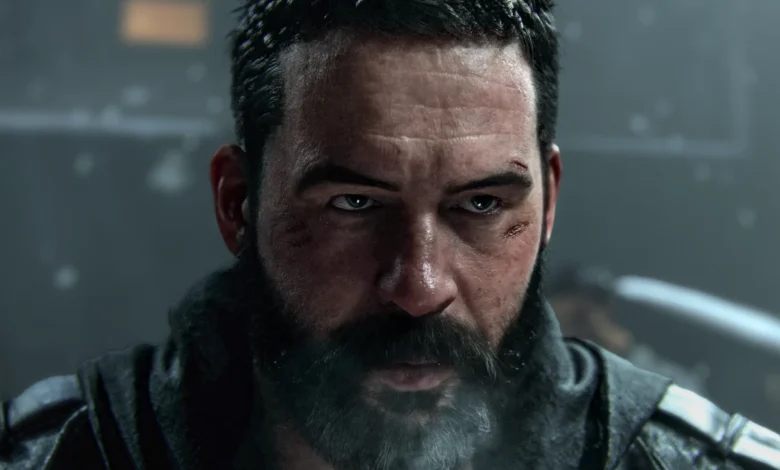
Paramount Pictures is set to bring the globally recognized Call of Duty franchise to the silver screen, with the upcoming film slated to draw its narrative inspiration from the immensely popular "Modern Warfare" sub-series. This strategic decision, confirmed by director and co-writer Peter Berg during a recent "Call of Duty in Culture Panel" at Fanatics Fest in New York City, signals a significant move to leverage the established lore and dedicated fanbase of the Xbox-owned gaming giant. The project, penned by acclaimed writer Taylor Sheridan, who has a proven track record in crafting compelling narratives for both film and television, has been a subject of anticipation since its initial announcement in September 2025. While plot specifics have been closely guarded, Berg’s revelation solidifies the film’s foundation within the critically lauded "Modern Warfare" saga, a departure from the franchise’s World War II origins.
The Genesis of Modern Warfare and its Cinematic Potential
The Call of Duty franchise, a titan in the first-person shooter genre since its inception in 2003, has evolved into a sprawling multimedia phenomenon. With over 30 mainline titles and countless expansions, its influence extends far beyond the gaming world. The acquisition of Activision Blizzard by Microsoft’s Xbox in 2023 further cemented the franchise’s status as a cornerstone of interactive entertainment, placing it under a new corporate umbrella with significant resources.
The "Modern Warfare" series, in particular, represents a pivotal moment in the franchise’s history. Launching with "Call of Duty 4: Modern Warfare" in 2007, it boldly shifted the game’s setting from historical battlefields to contemporary geopolitical conflicts. This narrative pivot proved to be a masterstroke, resonating with a new generation of players and establishing a distinct identity for the sub-series. The "Modern Warfare" games are renowned for their intricate storylines, often set against the backdrop of the Middle East, and feature iconic characters such as Captain John Price and his elite Task Force 141. Their ongoing struggle against formidable adversaries like Vladimir Makarov has captivated millions, creating a rich tapestry of lore ripe for cinematic adaptation. The upcoming video game release, "Modern Warfare 4," scheduled for an October launch, is itself poised to explore new frontiers, with reports indicating a conflict erupting between North and South Korea, further expanding the universe’s narrative scope.
A Deliberate Creative Choice: Why Modern Warfare?
The decision to anchor the film in the "Modern Warfare" universe is a logical and strategic one. The sub-series boasts a highly developed and recognizable narrative, featuring well-defined characters, compelling antagonists, and a distinct aesthetic that has resonated deeply with its player base. This established foundation offers a significant advantage in translating the gaming experience to the screen, providing a ready-made blueprint for cinematic storytelling.
Taylor Sheridan’s involvement is another key indicator of Paramount’s ambition for the project. Known for his gritty, character-driven narratives in films like "Sicario" and "Hell or High Water," and the acclaimed television series "Yellowstone," Sheridan possesses a unique ability to explore complex themes and moral ambiguity. His involvement suggests a commitment to developing a film that transcends the typical video game adaptation, aiming for a mature and engaging cinematic experience. This aligns with the inherent thematic depth often found within the "Modern Warfare" games, which frequently delve into the human cost of conflict, the blurred lines between heroism and villainy, and the psychological impact of warfare.
Peter Berg, a director with extensive experience in action and military-themed cinema, including "Lone Survivor" and "Battleship," brings a grounded and visceral approach to filmmaking. His confirmed role as director and co-writer suggests an intention to capture the intense, boots-on-the-ground feel that has defined the "Modern Warfare" games. His presence at Fanatics Fest, directly addressing fans, underscores a desire to engage with the core audience and ensure the film’s authenticity.
Timeline of Development and Future Implications
The journey of a "Call of Duty" film has been a long time in the making. While initial discussions and potential partnerships have surfaced over the years, the current iteration of the project gained significant traction following Paramount Pictures’ acquisition of Skydance, which secured the rights for a multiyear pact. This deal, announced last year, not only greenlit the development of a single "Call of Duty" film but also laid the groundwork for potential expansion of the franchise across various film and television ventures.
The June 30, 2028 release date set by Paramount Pictures for the currently untitled "Call of Duty" film provides a substantial window for development, production, and marketing. This deliberate timeline suggests a commitment to quality and a desire to avoid the pitfalls often associated with rushed adaptations. The collaborative effort with Activision, the publisher of the "Call of Duty" games, is crucial, ensuring that the film remains true to the spirit and integrity of the source material.
The implications of this cinematic endeavor extend beyond a single film. The multiyear pact with Skydance explicitly mentions the potential for expanding the "Call of Duty" universe. This opens the door for sequels, prequels, spin-off series, and even animated content, potentially transforming "Call of Duty" into a significant cinematic franchise akin to Marvel or Star Wars. The success of this initial film will undoubtedly be a determining factor in the scale and scope of future projects.
Supporting Data and Industry Context
The "Call of Duty" franchise is a commercial powerhouse, consistently ranking among the best-selling video game series of all time. The cumulative sales of "Call of Duty" games have exceeded billions of dollars, demonstrating a massive and engaged global audience. "Modern Warfare" titles, in particular, have been commercial and critical successes. For instance, "Call of Duty: Modern Warfare" (2019) achieved over $1 billion in sales within its first three months of release, highlighting the immense commercial viability of this specific sub-series.
The landscape of video game adaptations has seen a resurgence in recent years, with projects like "The Last of Us" on HBO achieving critical acclaim and significant viewership. This trend has demonstrated that when approached with care and respect for the source material, video game adaptations can achieve mainstream success and critical recognition. Paramount’s strategic decision to tap into the "Modern Warfare" universe, coupled with the involvement of seasoned talent like Taylor Sheridan and Peter Berg, positions the film to potentially join the ranks of these successful adaptations.
Fan Reactions and Industry Analysis
The announcement of a "Call of Duty" film set in the "Modern Warfare" universe has generated considerable buzz within the gaming community. Fans have long clamored for a faithful cinematic representation of their favorite franchise, and the confirmation of the "Modern Warfare" setting has been met with a mix of excitement and cautious optimism. Social media platforms and gaming forums have been abuzz with discussions regarding potential casting choices, narrative directions, and the overall tone of the film. The focus on "Modern Warfare" is particularly appealing to fans who have followed the evolution of characters like Captain Price and the intricate geopolitical conflicts that define the series.
From an industry perspective, this move by Paramount Pictures represents a significant investment in intellectual property that has a proven global appeal. The "Call of Duty" brand recognition is immense, and a well-executed film adaptation could tap into a vast audience beyond the core gaming demographic. The potential for franchise building is substantial, offering Paramount a new avenue for growth in a competitive entertainment market. The success of this film could pave the way for a more robust and diverse slate of video game adaptations, further solidifying the medium’s influence on popular culture.
Challenges and Opportunities Ahead
While the prospects are promising, the path to cinematic success for a video game adaptation is not without its challenges. The history of video game movies is littered with disappointments, often attributed to a disconnect with the source material, a failure to understand the core appeal of the game, or a rushed production process. Paramount and its creative team will need to navigate these potential pitfalls by prioritizing authenticity, strong storytelling, and compelling character development.
The "Modern Warfare" games, while rich in lore, often feature fast-paced gameplay and a focus on player agency. Translating this to a passive cinematic experience requires careful consideration of how to maintain engagement and convey the tension and excitement that players experience. The challenge lies in balancing the visual spectacle and action sequences with a nuanced narrative that resonates with both existing fans and newcomers to the franchise.
However, the opportunities presented by the "Call of Duty" franchise are immense. The "Modern Warfare" universe offers a modern military thriller setting that is highly relevant to contemporary audiences. The complex geopolitical themes, the exploration of moral dilemmas, and the focus on elite special forces operations provide fertile ground for compelling storytelling. With the right approach, Paramount Pictures has the potential to deliver a blockbuster film that not only satisfies the expectations of dedicated "Call of Duty" fans but also captivates a broader cinematic audience, establishing "Call of Duty" as a formidable force in the world of film and television.