Portkeys Unveils Comprehensive Camera Control Ecosystem for the LH5P III Monitor

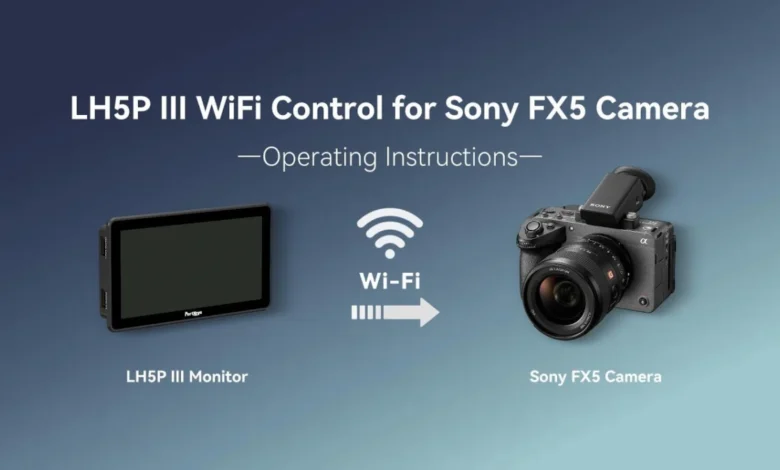
Portkeys has officially released an extensive series of instructional resources designed to streamline the integration of the LH5P III monitor with a wide range of industry-standard cameras. By providing detailed tutorials for both wired and wireless workflows, the company aims to reduce the technical barriers associated with modern field monitoring. This initiative marks a significant step in the product’s lifecycle, moving from hardware launch to user adoption, ensuring that cinematographers and videographers can fully leverage the monitor’s advanced remote-control capabilities across diverse shooting environments.
The Evolution of Field Monitoring and Control
The landscape of professional videography has shifted significantly over the past decade. As mirrorless and cinema cameras have become more compact and technically sophisticated, the demand for external monitors that act as command centers has surged. The Portkeys LH5P III enters a competitive market where the integration of touch-based control, focus tracking, and wireless communication is no longer a luxury but a requirement for efficient production.
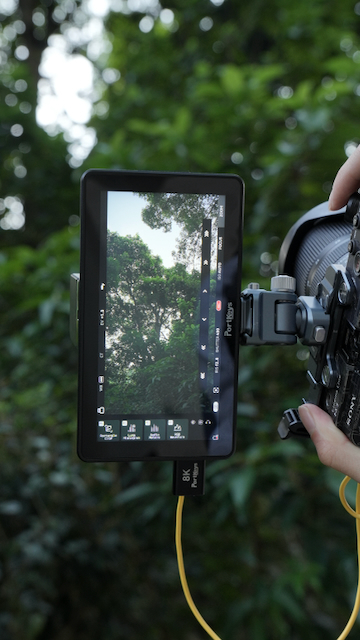
Historically, external monitors were passive devices, limited to mirroring the video signal from a camera. However, manufacturers like Portkeys have pioneered the transition toward active control, where the monitor interface serves as a proxy for the camera’s own internal menu system. The LH5P III is the latest iteration in this progression, offering a specialized suite of features, including touch focus framing and advanced subject tracking, which allows operators to maintain focus on moving subjects with greater precision than manual focus pulls might allow in high-pressure environments.
Technical Specifications and Connectivity
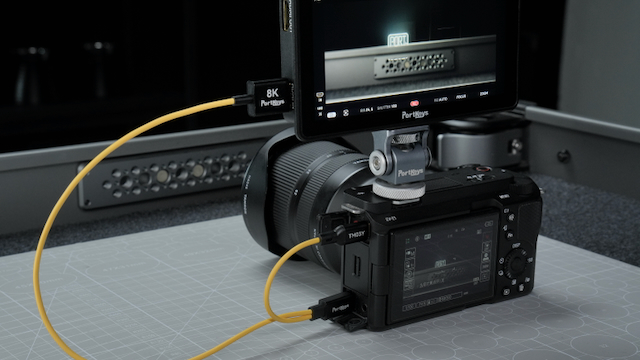
At the heart of the LH5P III’s utility is its dual-method approach to connectivity. The device is engineered to solve the common issue of cable management on small camera rigs. The monitor ships with a dedicated 30cm two-in-one video and camera control cable. This proprietary solution simplifies the user experience by combining the HDMI signal path and the data control signal into a single interface on the monitor side, splitting into HDMI and USB-C connectors at the camera end. This design minimizes the risk of accidental cable disconnection and reduces the overall footprint of the camera setup.
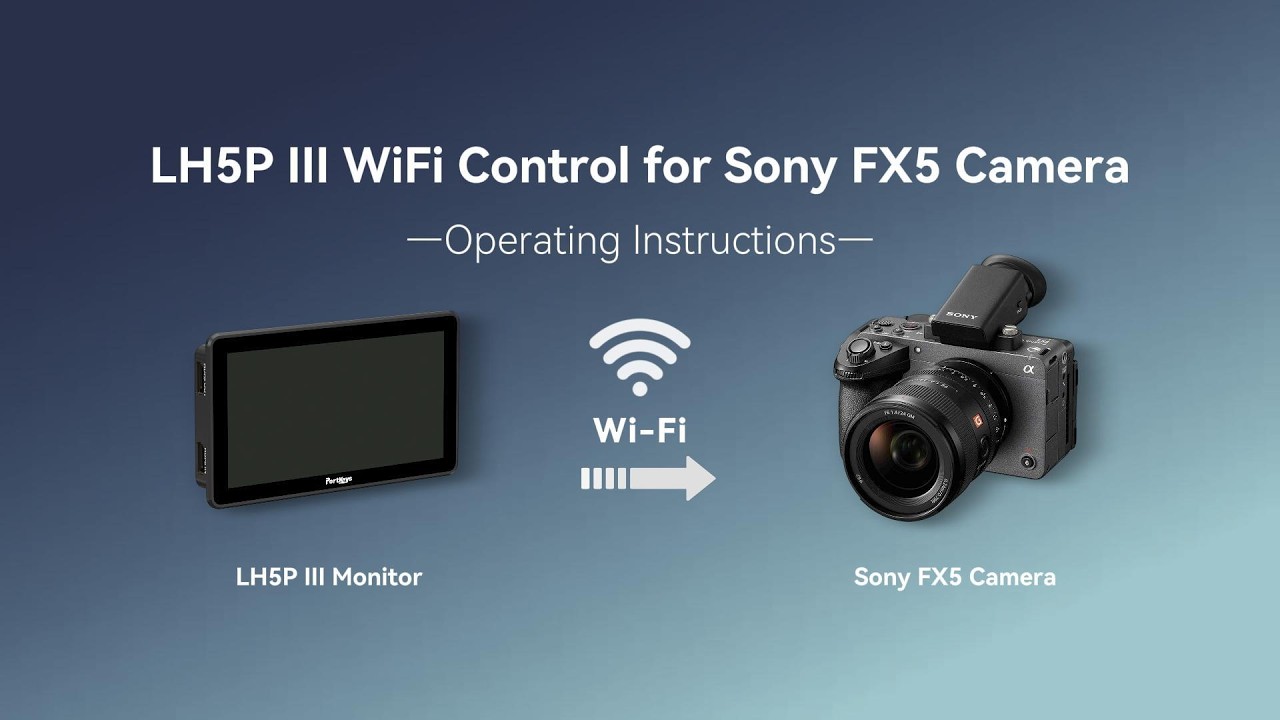
The wireless capabilities of the unit are equally robust, relying on standardized Wi-Fi protocols to establish a link between the monitor and the camera body. This is particularly beneficial for gimbal-mounted cameras, where physical cables can restrict movement or introduce unwanted mechanical stress on the camera’s ports. The instructional videos released by Portkeys categorize these workflows by brand, providing specific setup sequences for Sony’s Alpha and FX series, Canon’s R-series, and various models from Nikon and Panasonic.
The Collaborative Control Ecosystem
Beyond individual operation, the LH5P III introduces a collaborative control system that addresses the needs of multi-person camera crews. This system allows a single LH5P III to act as a "master" controller for up to four additional passive Portkeys monitors—such as the LS7P, BM7II DS, LH7P, and BM5IV WR.
The technical architecture of this system is designed for reliability over a 50-meter (164-foot) radius. While the master unit orchestrates the command, each secondary monitor retains the ability to maintain its own independent control link with its assigned camera. This creates a versatile infrastructure where a director or focus puller can monitor the signal from a remote location, while the camera operator retains tactile control over their specific unit. The ability to manage these connections over a 7-meter (23-foot) range via wired or wireless methods ensures that the system remains flexible enough to be deployed in both studio settings and chaotic location shoots.
Compatibility and Market Positioning
The compatibility list for the LH5P III is extensive, reflecting Portkeys’ strategy to capture a broad segment of the professional and prosumer market. By supporting major manufacturers—including Sony, Canon, Nikon, Panasonic, and Blackmagic Design—the company is positioning the LH5P III as a "universal" monitor.
The inclusion of specific tutorials for cameras like the Sony FX6, Canon EOS R6II, and the Blackmagic PYXIS 6K demonstrates a commitment to supporting current-generation hardware. Industry analysts suggest that this strategy of providing deep-dive video tutorials is an attempt to mitigate the "learning curve" associated with third-party camera control. Because each manufacturer employs different communication protocols for their USB-C and Wi-Fi interfaces, having a centralized library of verified connection procedures significantly lowers the barrier to entry for users who may not be familiar with complex network settings or port configurations.
Analysis: Implications for Production Efficiency
The integration of active camera control into field monitors has profound implications for production workflows. Traditionally, if a camera was placed on a crane, a jib, or a gimbal, the operator was limited by the camera’s physical controls or required an additional remote control device. By moving these functions to the monitor—the device the operator is already looking at—Portkeys is effectively streamlining the human-machine interface.
The "touch focus tracking" feature is particularly relevant for solo operators or small crews. In high-stakes documentary or event videography, where the camera operator must manage exposure, framing, and focus simultaneously, the ability to initiate tracking via a simple touch on the monitor screen provides a tangible improvement in shot reliability. Furthermore, the collaborative control features allow for a more hierarchical distribution of labor, common in higher-budget productions, where a first AC (Assistant Camera) can manage focus and exposure for a cinematographer who is solely focused on composition and lighting.

Official Response and Support Strategy
Portkeys has maintained that the release of these tutorials is part of a broader commitment to user education. While the technical specifications of the hardware provide the capability, the company recognizes that the software-side handshake between the monitor and the camera can be opaque. By creating a video-first support structure, Portkeys aims to reduce technical support queries and improve the "out-of-the-box" experience for new customers.
The tutorials themselves are structured to be task-specific, guiding the user through the menu settings required on both the camera and the monitor to establish the initial handshake. This emphasis on clarity is a reaction to common industry complaints regarding the complexity of third-party monitoring solutions, which often require firmware updates and precise settings to function correctly.
Broader Industry Context
The release of these resources coincides with a broader trend in the film industry: the professionalization of the "prosumer" segment. As cameras like the Sony FX30 and the Nikon Z8 gain traction in professional workflows, the need for robust, reliable, and cost-effective monitoring has never been higher. Portkeys is clearly aiming to fill the gap between entry-level displays and high-end, dedicated cinema monitors that can cost significantly more.

By focusing on the LH5P III as a hub for both video transmission and camera data, Portkeys is attempting to future-proof their product line. As cameras continue to integrate deeper levels of wireless control, the monitor will likely become the primary interface for the operator, potentially rendering traditional camera body controls secondary in many shooting scenarios.
Future Outlook
As production environments become increasingly reliant on wireless workflows, the performance of the LH5P III’s 50-meter collaborative link will likely be a key metric for its long-term success. The ability to maintain stable connections in environments saturated with 2.4GHz and 5GHz signals will determine whether this device becomes a staple in the gear bags of professional crews.
For now, the combination of hardware versatility, an extensive list of compatible camera models, and a proactive approach to user documentation suggests that Portkeys is well-positioned to maintain its relevance in a fast-moving market. Whether the user is a documentary filmmaker working in the field or a commercial cinematographer working on a controlled set, the LH5P III offers a standardized solution to the increasingly fragmented challenge of modern camera control. The company’s continued investment in these educational resources serves as a clear signal that they intend to support the product long after the initial point of sale, fostering a loyal user base and setting a high standard for monitor integration in the professional imaging industry.