Boris FX Continuum 2027: A Comprehensive Analysis of the Latest Post-Production Suite Evolution

Boris FX has officially unveiled Continuum 2027, the latest iteration of its flagship post-production plugin suite, marking a significant advancement in the integration of artificial intelligence and GPU-accelerated visual effects. As the digital content landscape shifts toward faster, more automated workflows, this release serves as a strategic response to the growing demand for efficiency in high-end compositing, motion graphics, and editorial finishing. The 2027 update consolidates legacy performance with cutting-edge machine learning, aiming to reduce the technical friction that often accompanies complex visual effects tasks.
A Chronology of the Continuum Evolution
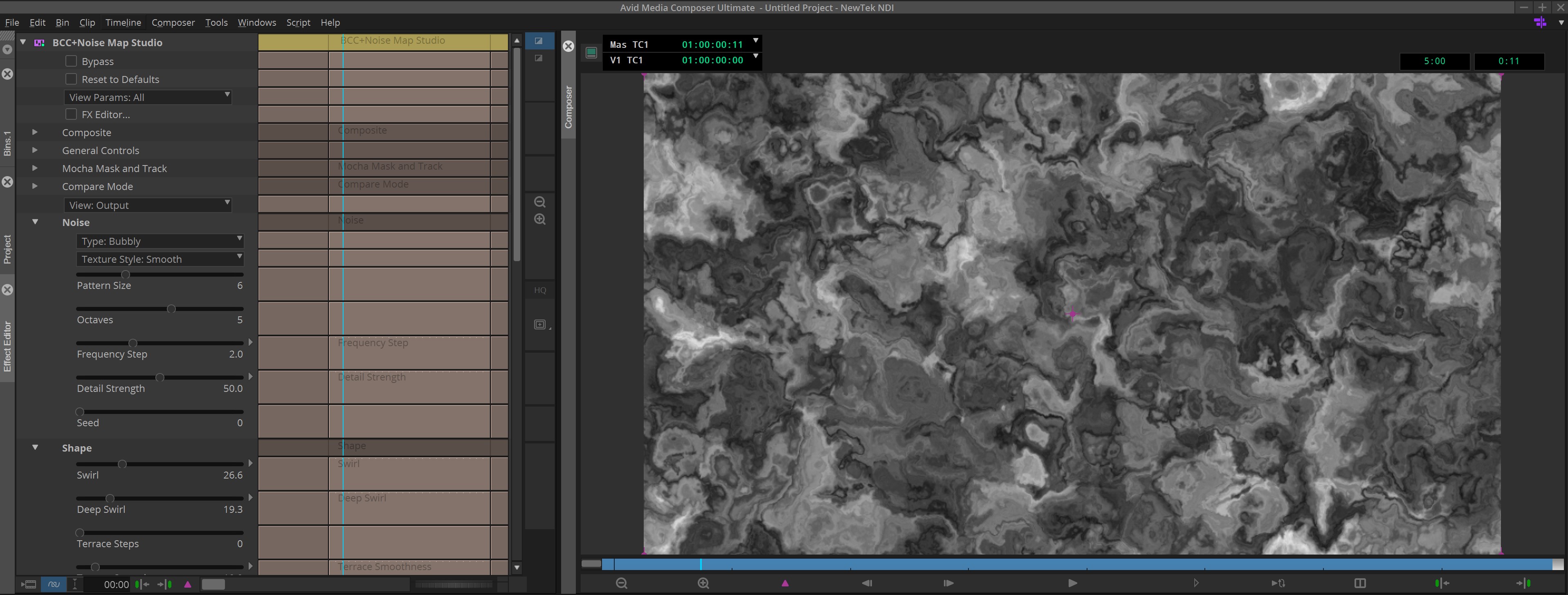
Since its inception, the Boris FX Continuum suite has served as a cornerstone for broadcast and film editors, providing a modular collection of tools compatible with industry-standard host applications such as Adobe Premiere Pro, After Effects, Avid Media Composer, and Vegas Pro. The trajectory of the software over the last decade has followed a clear pattern: moving from standalone effect modules toward a unified, GPU-accelerated framework known as BCC+.
The transition to the 2027 version continues the manufacturer’s multi-year initiative to modernize its "classic" filters. By re-engineering legacy effects like Vector Blur, Curl, and Time Displacement within the BCC+ framework, Boris FX has ensured that long-term users maintain access to familiar creative tools while benefiting from the speed of modern hardware acceleration. This strategy reflects a broader industry trend where software developers must balance the need for new, AI-driven features with the requirement to support long-standing, high-stakes production pipelines.
Enhanced Particle Dynamics and 3D Integration
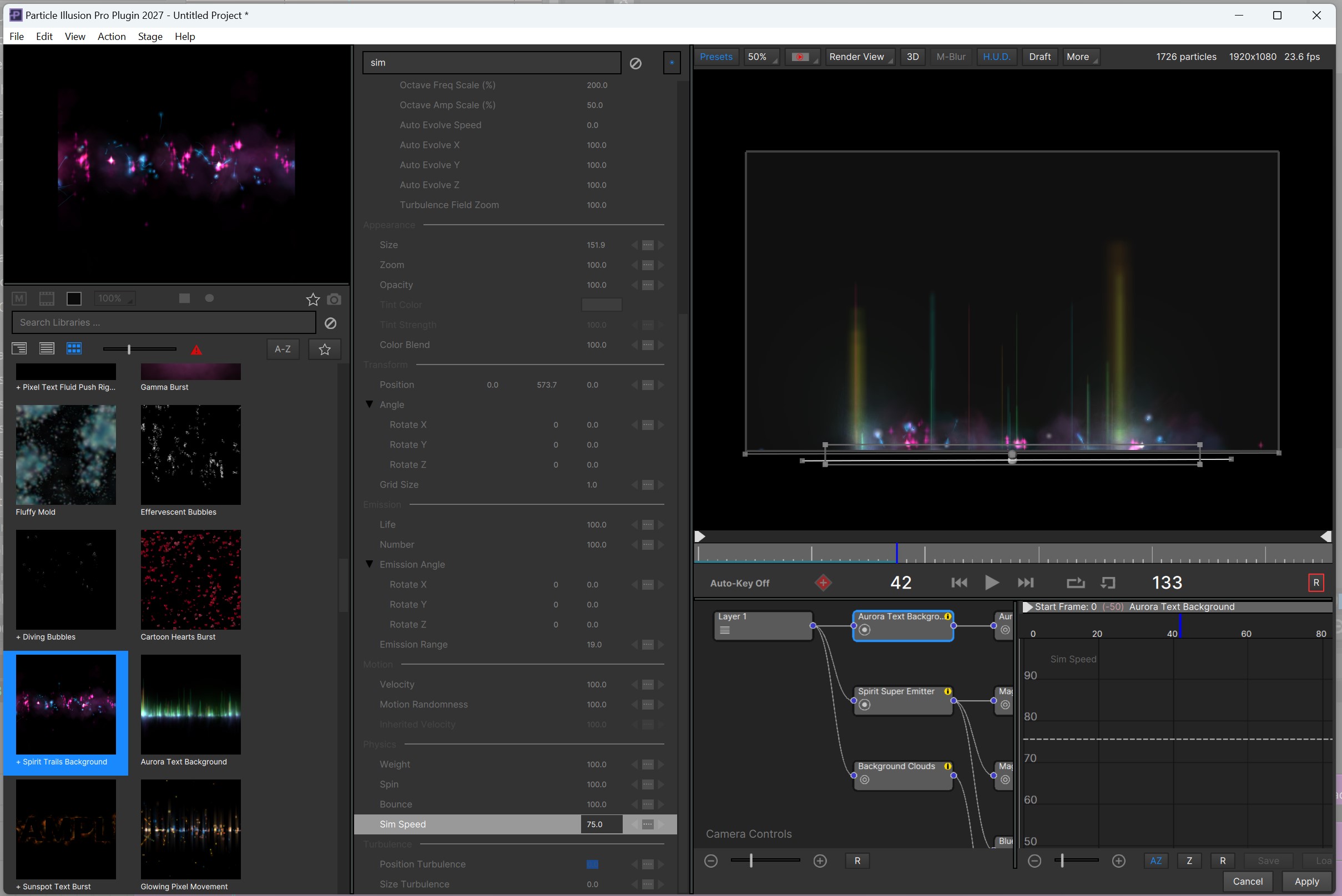
A primary focal point of the 2027 update is the overhaul of Particle Illusion, a long-standing component of the suite designed for the simulation of organic and inorganic phenomena such as smoke, fire, and kinetic energy trails. The implementation of a global "Sim Speed" slider represents a fundamental change in how animators approach timing. By decoupling simulation speed from the host timeline’s frame rate, artists can manipulate the cadence of complex animations without the need for manual keyframing of individual particle emitters.
Beyond timing, the inclusion of STL 3D model importation signals an effort to bridge the gap between simple 2D particle systems and 3D motion graphics. Combined with the new "Darken with Distance" depth-culling feature, Particle Illusion now offers a level of visual fidelity previously reserved for standalone 3D simulation software. For production houses handling high-volume graphic design, these additions allow for more complex visual compositions to be rendered directly within the editing interface, effectively eliminating the need for time-consuming round-trips to external 3D suites.
Machine Learning and the Future of Masking
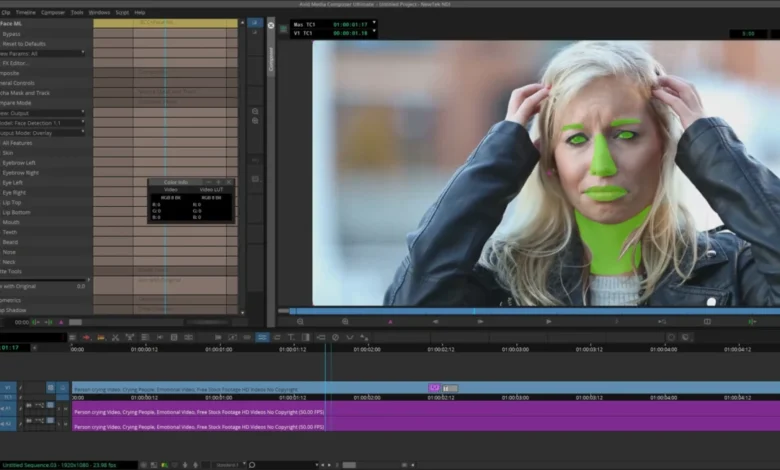
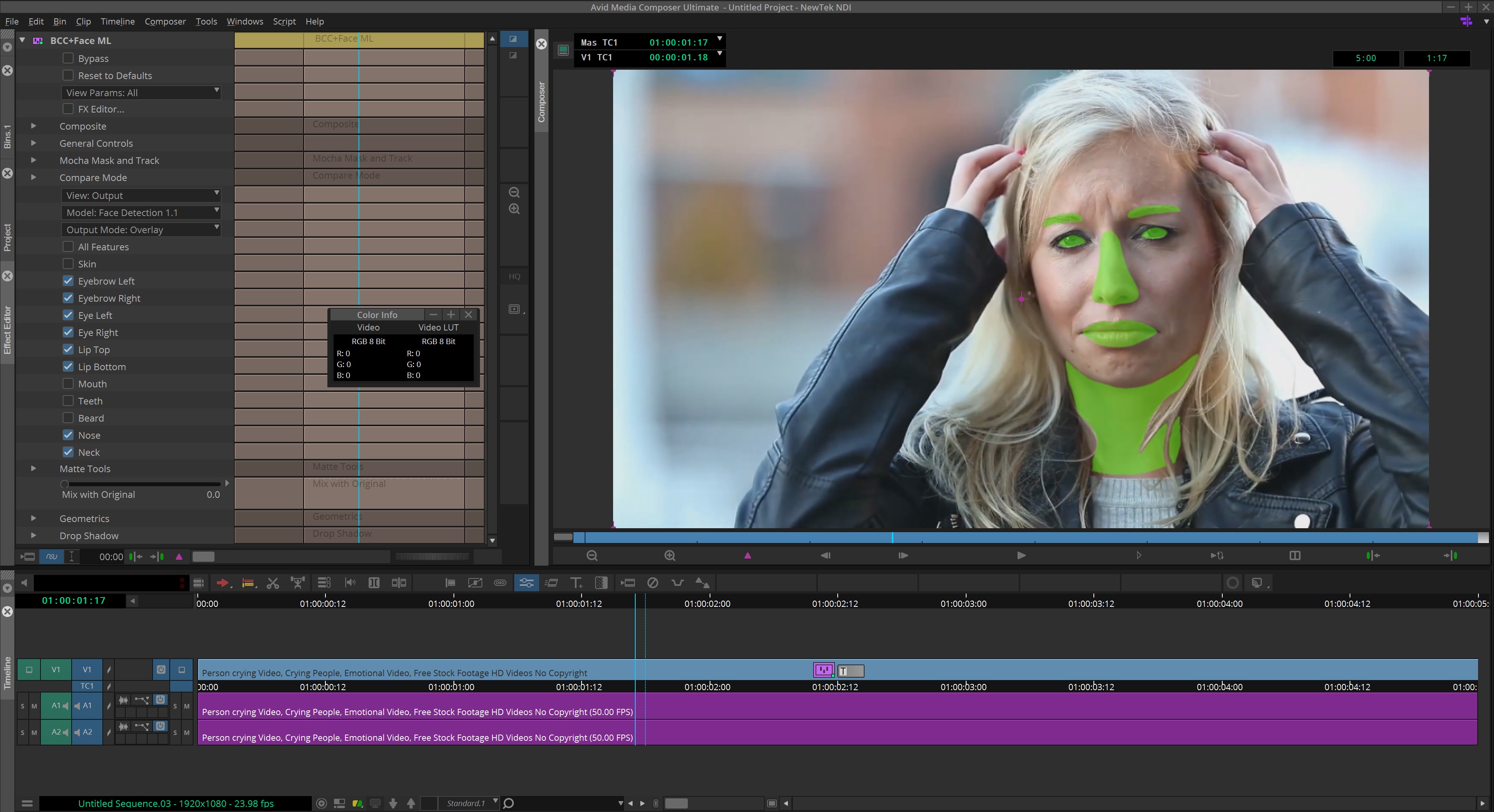
The integration of artificial intelligence within Continuum 2027 is not an attempt to replace human operators, but rather a focus on augmenting existing rotoscoping and isolation workflows. The updated BCC+ Face ML models (1.2, 1.3, and 1.4) demonstrate a nuanced approach to facial recognition. Specifically, the capability to isolate ears and facial geometry independently addresses a common pain point in digital beauty work and witness protection: the "edge flicker" that often occurs when masks are applied to moving subjects.
In the realm of matte refinement, the 2.1 model for BCC+ Matte Refine ML is particularly significant for Adobe users. By optimizing the consistency of edge extraction across multiple frames, the update addresses the temporal instability that plagues automated masking. While Boris FX acknowledges that these tools are not a panacea for every edge-detection scenario—particularly those involving motion blur or complex transparencies—the shift toward "straight alpha" processing suggests a commitment to professional-grade compositing standards that prioritize data preservation over destructive pixel manipulation.
Advancements in Typography and Design
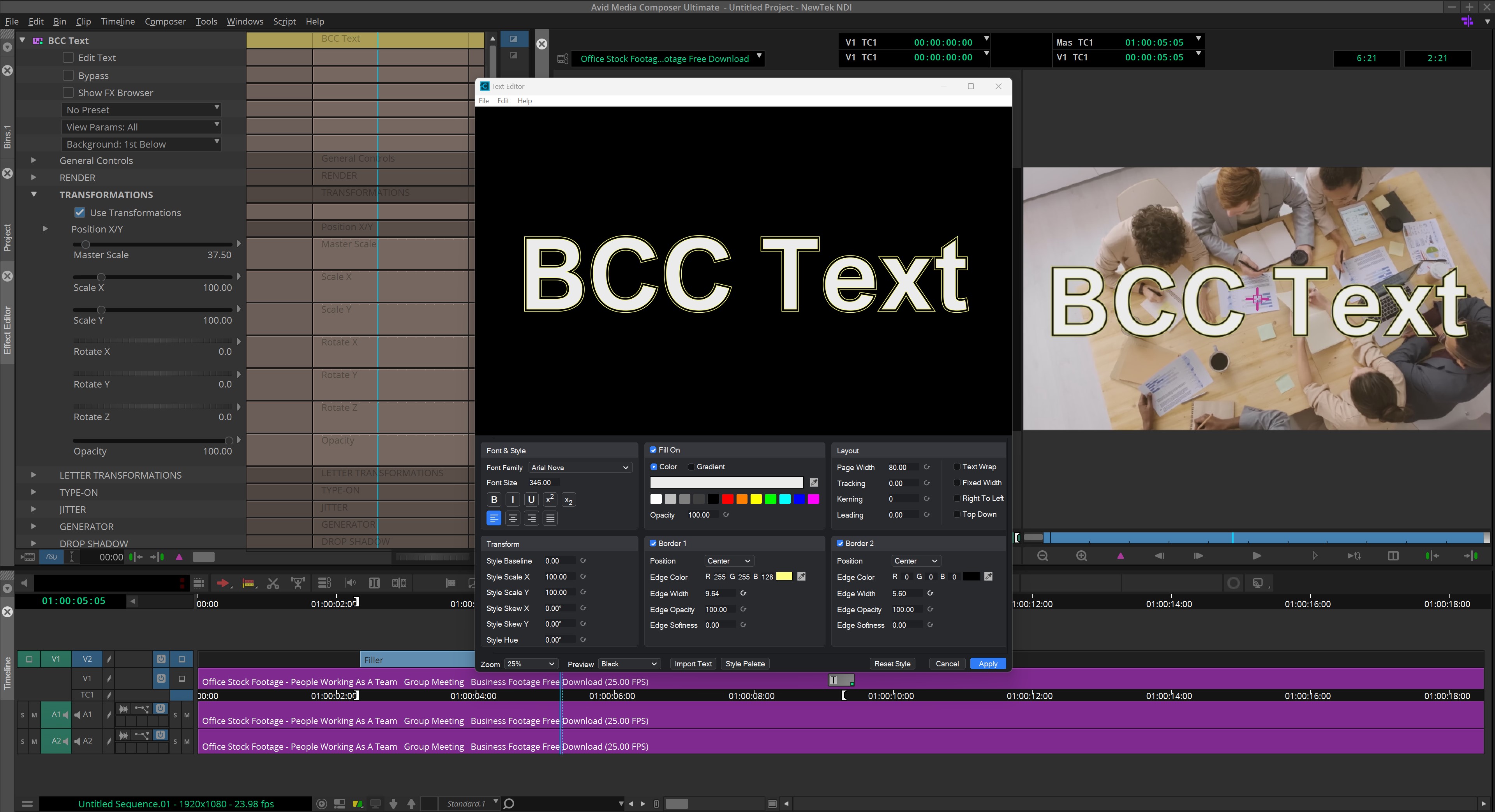
The introduction of BCC Text acts as a strategic intervention for Avid Media Composer editors. The historical reliance on legacy titling tools has often been a point of friction in professional newsrooms and post-production houses. By offering a lightweight, 2D-focused text engine that supports OpenType fonts and sophisticated animation presets like "Type On" and "Jitter," Boris FX is positioning Continuum as a direct competitor to built-in titling modules.
The inclusion of SVG vector support in both BCC Text and Title Studio further streamlines the workflow for motion designers. As vector graphics become the standard for brand assets, the ability to import logos and illustrations directly into the effects chain—without requiring rasterization or file conversion—drastically reduces the time spent on administrative file management. This is a clear indicator of the software’s intent to serve the needs of fast-turnaround broadcast environments, where speed of delivery is as critical as aesthetic quality.
Technical Performance and Infrastructure
Underlying these creative additions are substantial infrastructure improvements. The 2027 release features enhanced GPU utilization, which is essential for handling the increased computational load of AI-driven effects. Internal data suggests that the improved caching system in Particle Illusion significantly reduces the "scrubbing" lag that occurs when previewing high-density particle emitters.
Furthermore, the expansion of language support to include eight additional languages and the inclusion of over 500 new presets indicate a push for global market adoption. For international production teams, the localization of complex tools is essential for training and deployment. The refinement of the "Pixel Chooser" system, which now allows for more intuitive "Drive Effect" masking, simplifies the logic of node-based compositing, making it more accessible to editors who may not have formal training in dedicated VFX software.
Industry Implications and Market Analysis
The release of Continuum 2027 occurs at a time when the post-production industry is undergoing a paradigm shift. With the rise of generative AI and cloud-based editing platforms, professional-grade plugin suites must prove their worth through reliability, integration, and speed. By focusing on "intelligent" refinements—such as the Object Brush in Mocha, which offers visual feedback before a selection is finalized—Boris FX is betting on the "Human-in-the-Loop" model. This approach minimizes the risk of AI-induced errors while maximizing the speed of the creative process.
From a commercial standpoint, the subscription-based model remains a point of contention for individual freelancers, yet the breadth of the toolset—covering everything from restoration and color correction to motion graphics and 3D—presents a high value-to-cost ratio for mid-to-large-sized studios. The decision to prioritize compatibility across multiple host applications ensures that the suite remains "platform-agnostic," a vital strategy in a market where editorial teams often use a hybrid of Adobe, Avid, and Blackmagic DaVinci Resolve environments.
Conclusion: A Maturity in Software Design
Continuum 2027 reflects a mature stage in the lifecycle of professional post-production software. Rather than chasing the ephemeral trends of purely generative AI, Boris FX has opted to solidify the foundation of its existing ecosystem. By focusing on performance, temporal consistency in masking, and the integration of vector-based design tools, the company has addressed the primary requirements of the modern editor: efficiency, accuracy, and versatility.
As studios continue to navigate the demands of high-resolution workflows and rapid delivery cycles, the technical improvements within this suite provide a necessary toolkit for maintaining quality without sacrificing production speed. The 2027 update is less about reinventing the wheel and more about ensuring that the wheel turns faster, smoother, and with greater precision than ever before. For those tasked with the daily rigors of film and television post-production, these updates represent a tangible improvement to the creative process, moving closer to an environment where the technology facilitates the vision rather than constraining it.
Related posts: