U.S. Premiere of Kim Novak’s Vertigo at Palm Springs International Film Festival

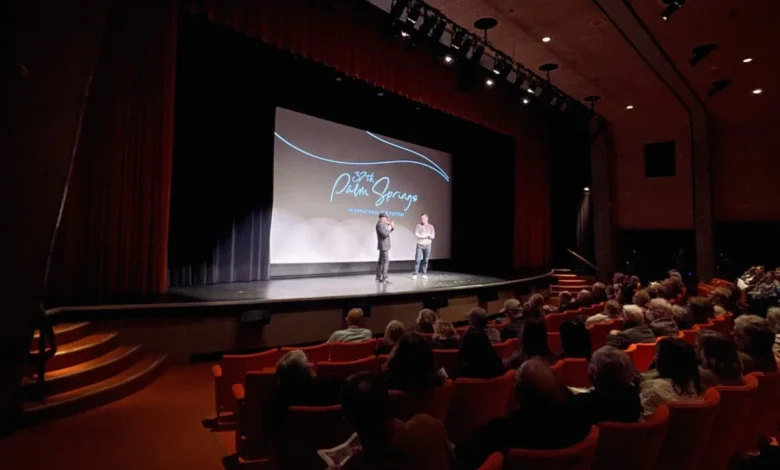
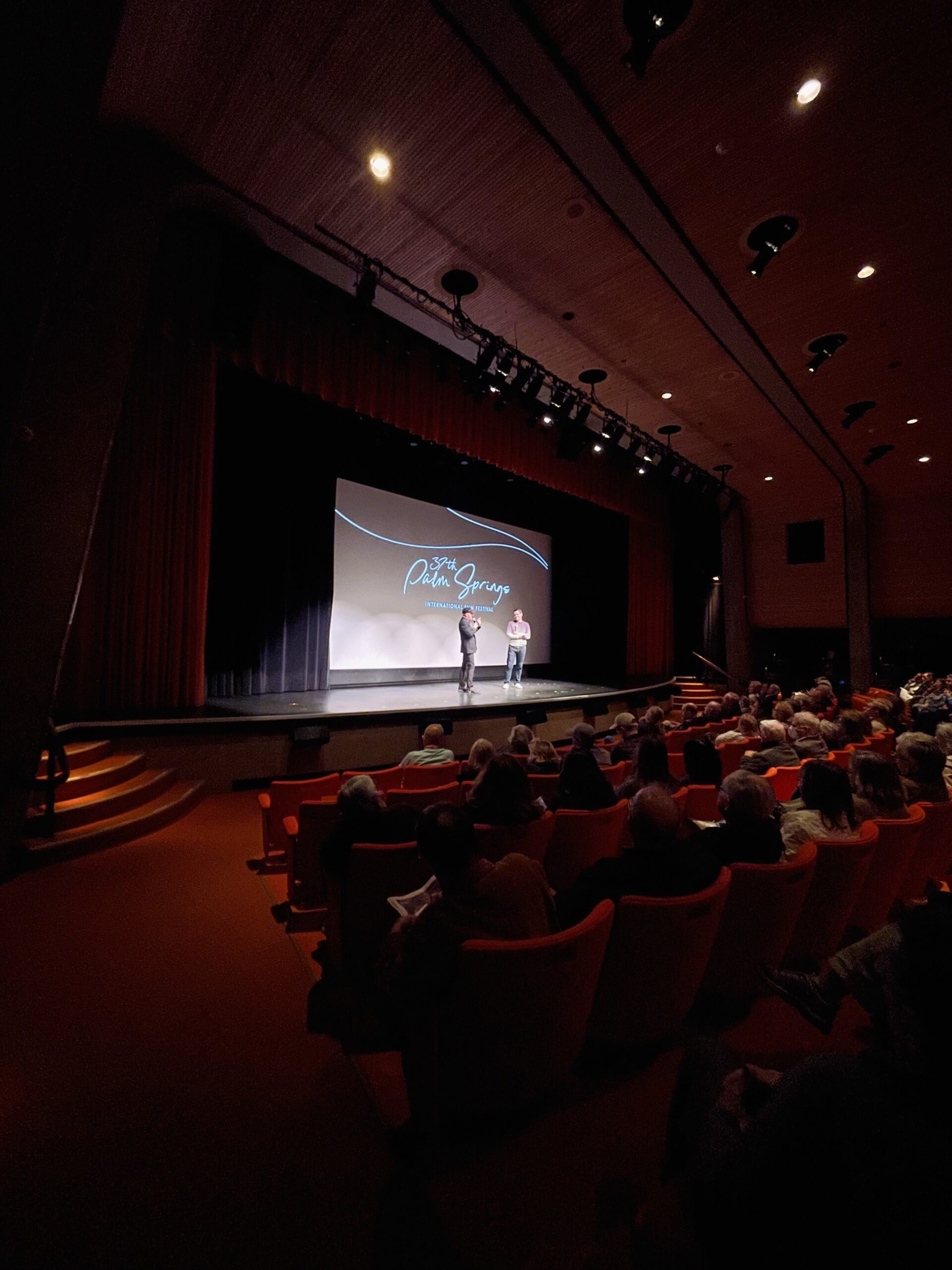
The 37th annual Palm Springs International Film Festival (PSIFF) hosted the highly anticipated U.S. Premiere of "Kim Novak’s Vertigo," a documentary directed by the acclaimed Alexandre O. Philippe. The screening, which took place at the distinguished Annenberg Theater within the Palm Springs Art Museum, offered attendees an immersive and thought-provoking exploration into the iconic actress’s experience with Alfred Hitchcock’s cinematic masterpiece, "Vertigo." The event was capped by a compelling post-screening Q&A session, expertly moderated by Dave Karger of Turner Classic Movies, providing invaluable insights into the film’s innovative creative process.
A Deep Dive into Cinematic Legacy: "Kim Novak’s Vertigo"
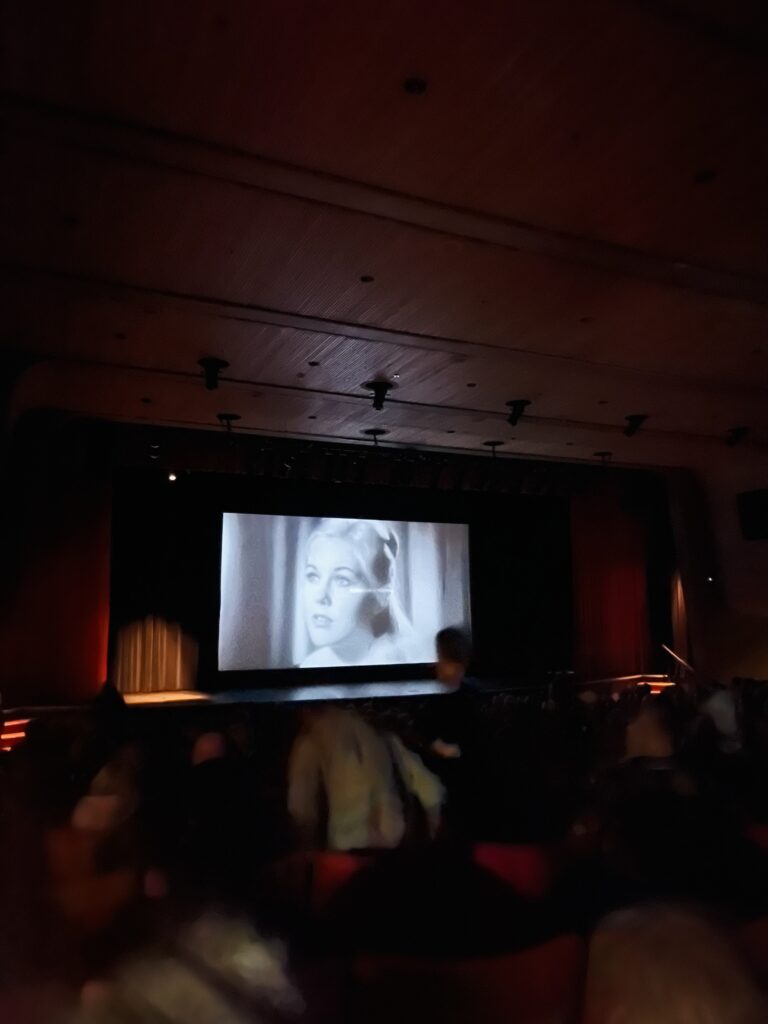
Alexandre O. Philippe, known for his meticulously crafted and analytical documentaries that dissect classic films and their cultural impact, has once again delivered a work that transcends conventional filmmaking. "Kim Novak’s Vertigo" is not merely a recounting of the 1958 psychological thriller; it is an intimate journey into the mind and memories of its legendary star, Kim Novak. The documentary ingeniously weaves together archival footage from the original "Vertigo," contemporary visuals, and, most uniquely, Kim Novak’s own voice notes. This innovative approach allows Novak to directly reclaim her narrative, offering a deeply personal and previously unheard perspective on her pivotal role as Madeleine Elster/Judy Barton, the character at the heart of Hitchcock’s complex tale of obsession and identity.
Philippe’s methodology in crafting this film aligns with his established reputation for profound cinematic analysis. His previous works, such as "78/52: Hitchcock’s Shower Scene," which meticulously deconstructed the infamous scene from "Psycho," and "Memory: The Origins of Alien," demonstrating his skill in exploring the genesis and impact of iconic films, set a high bar. "Kim Novak’s Vertigo" continues this tradition, but with an added layer of emotional depth and subjective truth, directly engaging with the artist whose life and career were profoundly shaped by the film. The inclusion of Novak’s personal voice notes serves as a powerful testament to her agency, allowing her to articulate her experiences, challenges, and interpretations without external mediation, providing a rare and authentic insight into the psyche of a Hollywood icon.
The Enduring Resonance of Alfred Hitchcock’s "Vertigo"
To fully appreciate the significance of "Kim Novak’s Vertigo," one must first understand the profound cultural and cinematic impact of Alfred Hitchcock’s original 1958 film. "Vertigo" tells the story of John ‘Scottie’ Ferguson (James Stewart), a former police detective suffering from acrophobia and vertigo, who becomes obsessed with a mysterious woman, Madeleine Elster (Kim Novak). The film’s intricate plot, psychological depth, and groundbreaking visual techniques—including the pioneering use of the "dolly zoom" or "Vertigo effect"—initially received mixed reviews upon its release. However, its reputation grew exponentially over the decades, leading to its eventual recognition as one of the greatest films ever made. In 2012, it famously unseated Orson Welles’ "Citizen Kane" from its 50-year reign at the top of Sight & Sound’s poll of the greatest films of all time, a testament to its enduring artistic and academic merit.
Kim Novak’s performance in "Vertigo" is central to its legacy. She portrays a character of immense complexity, embodying both ethereal beauty and profound vulnerability. Her work alongside James Stewart under the exacting direction of Alfred Hitchcock, a director renowned for his precise control over his actors, was a defining moment in her career. Novak often spoke about the challenges she faced in Hollywood and her desire for artistic integrity, sometimes clashing with the studio system’s expectations. This documentary promises to shed new light on these experiences, offering a contemporary re-evaluation of her performance and her contributions to the film, filtered through her mature perspective. By presenting her unfiltered thoughts, the film encourages audiences to reconsider the creative process and the often-overlooked struggles of actors within the studio system, particularly women in an era dominated by male directors and producers.

The Prestigious Platform: Palm Springs International Film Festival
The choice of the Palm Springs International Film Festival for the U.S. premiere of "Kim Novak’s Vertigo" underscores the film’s artistic merit and its potential to captivate both critics and audiences. Now in its 37th year, PSIFF has established itself as a premier cinematic event, renowned for showcasing a diverse selection of international and independent films, many of which go on to achieve critical acclaim and awards season recognition. The festival is a significant stop on the awards circuit, attracting a global audience of filmmakers, industry professionals, cinephiles, and media. Its strategic timing in early January positions it perfectly to generate buzz for films vying for Oscar contention, making it an ideal launchpad for a documentary of this caliber.
The Annenberg Theater, located within the architecturally significant Palm Springs Art Museum, provided an exquisite backdrop for the premiere. The museum itself is a cultural landmark, celebrating art and design, making it a fitting venue for a film that delves into the artistry of cinema. The setting elevates the viewing experience, imbuing the premiere with an air of sophistication and artistic reverence. Attendees often note the vibrant atmosphere of the festival, with the desert city of Palm Springs transforming into a hub for film enthusiasts. The festival’s commitment to fostering cinematic appreciation and dialogue makes it a natural home for a film like "Kim Novak’s Vertigo," which invites deeper engagement with film history and artistic interpretation. The long queues of eager festival-goers, as depicted in images from the event, are a testament to the community’s enthusiasm for diverse and high-quality cinema (as shown in images tagged "Palm Springs International Film Festival queue").
Insights from the Post-Screening Q&A

Following the screening, director Alexandre O. Philippe participated in a post-screening Q&A session, a critical component of the festival experience that allows audiences to engage directly with filmmakers. Moderated by Dave Karger, a respected film critic and correspondent for Turner Classic Movies (TCM), the session offered a rare opportunity to "pull back the curtain on the creative process." Karger, known for his encyclopedic knowledge of film history and his engaging interview style, was the ideal interlocutor to delve into the nuances of Philippe’s latest work. His presence ensured a well-informed and insightful discussion, bridging the gap between the film’s artistic intentions and its audience’s reception.
The discussion illuminated how Philippe meticulously interlaced archival footage, contemporary visuals, and Kim Novak’s voice notes to shape the final film. This technical and artistic feat was undoubtedly a central point of the Q&A. Philippe likely elaborated on the challenges of sourcing and integrating disparate visual elements, the ethical considerations of presenting a historical figure’s personal narrative, and the artistic decisions behind the documentary’s unique structure. The use of Novak’s voice notes, in particular, would have prompted questions about how these recordings were obtained, their raw authenticity, and how they were edited to create a cohesive and compelling narrative. Such discussions are invaluable for aspiring filmmakers and documentary enthusiasts, offering a glimpse into the intricate craft of cinematic storytelling and the power of giving a direct voice to those often interpreted by others. The candid exchange provided a richer understanding of the director’s vision and the collaborative nature of bringing such a complex project to fruition.
Broader Implications and the Future of Cinematic Documentation
The U.S. premiere of "Kim Novak’s Vertigo" at PSIFF carries several significant implications for the landscape of film studies, documentary filmmaking, and the ongoing re-evaluation of Hollywood history. Firstly, it underscores a growing trend in documentary cinema to revisit and deconstruct classic films from fresh perspectives. By centering Kim Novak’s voice, the film challenges traditional, often male-centric, interpretations of cinematic history and character analysis. It provides a platform for an artist to reflect on a pivotal role decades later, offering a nuanced understanding of fame, artistic integrity, and personal legacy in the shadow of a monumental film. This approach contributes to a more inclusive and comprehensive understanding of film production and its impact on the individuals involved.
Secondly, the film exemplifies the power of innovative documentary techniques. The seamless integration of historical footage with contemporary perspectives and personal audio recordings pushes the boundaries of cinematic storytelling. This multi-layered approach enriches the narrative, allowing for a dynamic interplay between past and present, objective history and subjective experience. It sets a new standard for how biographical documentaries can engage with their subjects, particularly when the subject is a living legend reflecting on a distant past.
Finally, the film contributes to the broader cultural discourse surrounding classic Hollywood. As new generations discover films like "Vertigo," documentaries such as Philippe’s offer essential context and critical re-assessments. They encourage audiences to move beyond passive consumption and engage with films on a deeper, more analytical level, considering the human stories behind the silver screen. The strong recommendation from the original attendee to watch the film "when it becomes more widely available" suggests that "Kim Novak’s Vertigo" is poised to become a significant entry in the canon of film documentaries, likely finding distribution on streaming platforms or in art-house cinemas, thereby reaching a broader audience eager to explore the hidden depths of cinematic history and the enduring legacy of its stars. The film’s successful premiere at PSIFF signals its potential to spark new conversations and solidify its place as an essential piece of film scholarship and artistic expression.
Related posts: