Megadap: world’s first Leica M to Canon RF autofocus adapter by Jose Antunes – ProVideo Coalition

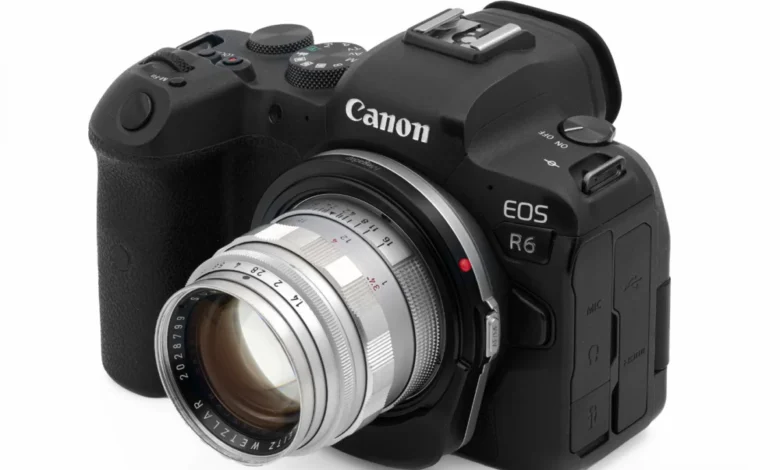
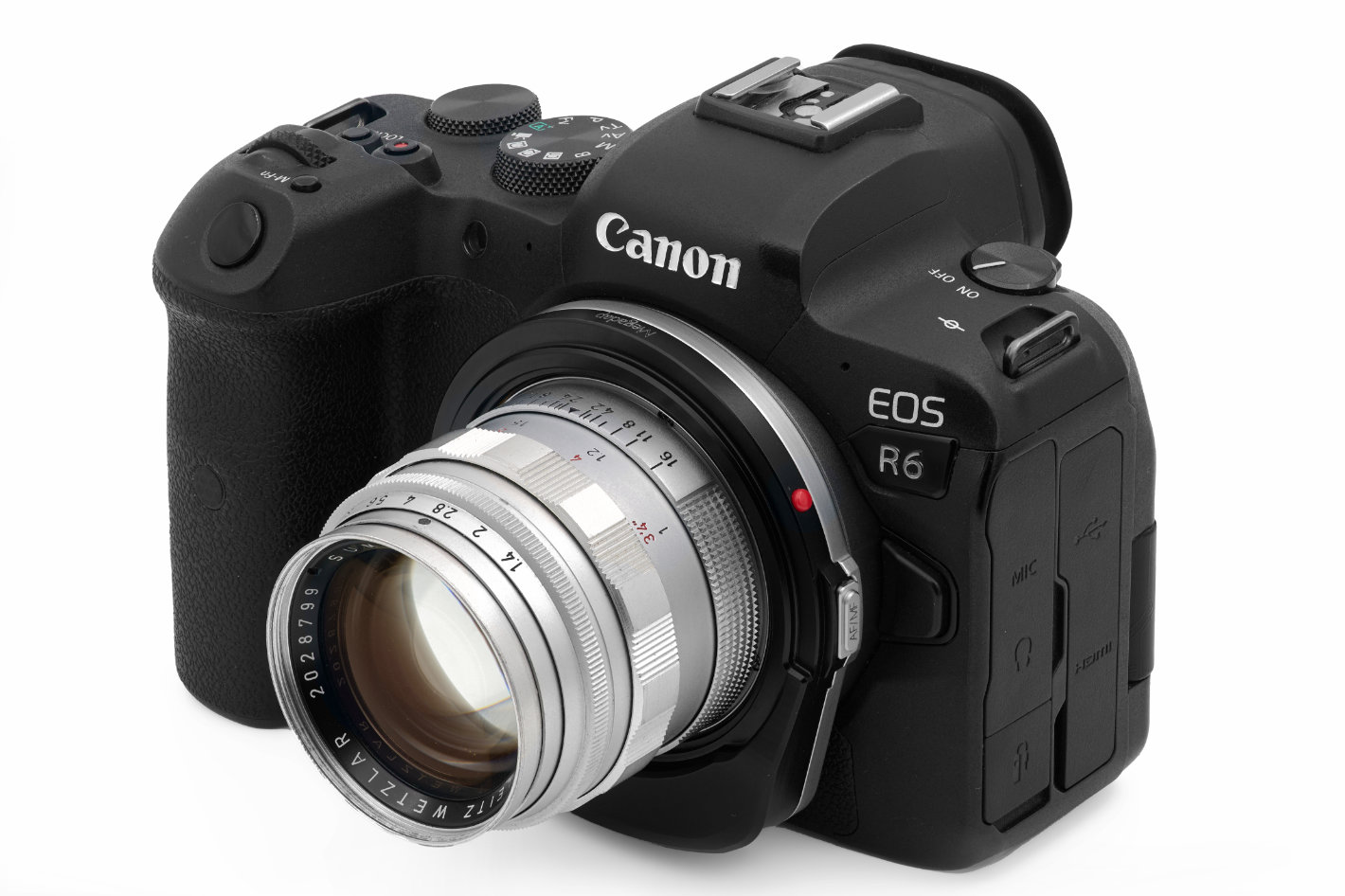
Revolutionizing Legacy Optics: The Megadap M2RF Adapter
The introduction of the Megadap M2RF adapter is poised to be a game-changer for a specific, yet passionate, segment of the photographic community. Historically, adapting vintage or legacy manual focus lenses to modern digital cameras has been a common practice, driven by the desire to leverage unique optical signatures, superior build quality, or simply to reuse existing investments. However, such adaptations typically come with the trade-off of relinquishing autofocus functionality, forcing photographers to rely solely on manual focusing, which can be challenging in fast-paced environments or with shallow depth-of-field scenarios.
Leica M lenses, in particular, hold a legendary status among photographers for their exceptional sharpness, distinctive rendering, compact size, and robust mechanical construction. Their manual focus design, while part of their charm, often limits their practical application on modern autofocus-centric cameras. Canon’s R system, on the other hand, boasts highly advanced autofocus systems, including Dual Pixel AF, Eye Detection, and Subject Tracking, which are among the best in the industry. The M2RF adapter uniquely combines these two worlds, enabling Leica M lens owners to experience the best of both: the cherished aesthetics of their classic glass with the speed and accuracy of Canon’s autofocus technology. This synergy not only simplifies the photographic process but also opens up new creative avenues that were previously inaccessible without significant compromises.
Technical Deep Dive: Unpacking the M2RF’s Innovations
The Megadap M2RF adapter is engineered with a sophisticated array of features that underscore its ambition to deliver a premium user experience. At its core is an advanced electronic helical drive system, which is responsible for translating the camera’s autofocus commands into precise physical movement of the lens.
Excellent Autofocus Performance
Central to the M2RF’s appeal is its promise of fast, responsive, and accurate autofocus. Megadap asserts that the adapter fully supports Canon’s sophisticated Dual Pixel AF system. This includes critical features such as Eye Detection, which locks onto and tracks subjects’ eyes for precise portraiture; Subject Tracking, which maintains focus on moving subjects across the frame; Face Priority, which prioritizes human faces; and AF-C (Continuous Autofocus), essential for capturing dynamic action. The electronic helical drive system facilitates the necessary micro-adjustments for these advanced AF modes to function effectively, bridging the mechanical gap between a manual lens and an autofocus camera body. This level of AF integration is a significant leap forward compared to purely mechanical adapters, which offer no electronic communication or focus assistance.
Extended Focusing Range with 4.5mm Extension
One of the often-overlooked benefits of an autofocus adapter like the M2RF is its ability to extend the focusing range of the adapted lens. The M2RF offers a maximum of 4.5mm extension. This mechanical extension reduces the minimum focusing distance (MFD) of the attached Leica M lens. For photographers, this translates into the ability to get closer to their subjects, enabling compelling close-up and even macro photography with lenses not originally designed for such magnification. This feature adds another layer of versatility, transforming standard prime lenses into more capable tools for detail-oriented work.
Seamless Integration with Canon’s IBIS
Modern Canon R series cameras feature In-Body Image Stabilization (IBIS), a crucial technology for handheld shooting, especially in challenging light conditions or when using longer focal lengths. The M2RF adapter is designed to be fully compatible with Canon’s IBIS system. This means that when a Leica M lens is mounted via the M2RF, the camera’s internal stabilization can work in conjunction with the adapted lens, effectively reducing camera shake and allowing for sharper images at slower shutter speeds. This integration is vital for maximizing the usability of manual lenses, which typically lack their own optical stabilization.
Precision Aperture Control with 4-Step Lever
Manual lenses often have aperture rings on the lens barrel, requiring users to set the aperture physically. While this offers tactile control, it can lead to discrepancies between the lens’s actual aperture and the value displayed in the camera’s EXIF data or viewfinder. The M2RF addresses this with a unique 4-step aperture lever. This mechanism allows for manual synchronization between the camera’s displayed aperture value and the actual lens aperture, ensuring that exposure readings are more accurate and that the recorded EXIF data reflects the true shooting parameters. This small but significant detail enhances consistency and accuracy for photographers.
Intelligent EXIF Data Logging
Accurate EXIF data is crucial for post-processing, image organization, and understanding shooting conditions. Traditional manual lens adapters often result in incomplete or incorrect EXIF information. The Megadap M2RF adapter features EXIF logging, capable of recording the lens name, focal length, and aperture value for up to four different lenses. This intelligent feature streamlines workflow by ensuring that vital metadata is captured, making it easier to manage and reference images shot with various adapted lenses. This is a considerable advantage for photographers who frequently swap between multiple Leica M lenses.
Intuitive Control: Quick AF/MF Switch and Macro Activation
User experience is paramount, and the M2RF incorporates intuitive controls for seamless operation. A quick AF/MF switch allows photographers to easily toggle between autofocus and manual focus modes with a single click. This flexibility is essential for situations where autofocus might struggle, or when precise manual focus is preferred for creative control. Furthermore, the adapter offers a macro mode activation with a double-click, instantly engaging the extended focusing capabilities for close-up shots. This thoughtful design prioritizes efficiency and responsiveness in the field.
Broad Lens Compatibility and Stacking Capabilities
The M2RF adapter’s compatibility extends beyond just Leica-branded M-mount lenses. It is designed to work with M-mount lenses from a range of prestigious manufacturers, including Voigtländer, Zeiss, and numerous other third-party producers that adhere to the M-mount standard. This broad compatibility significantly expands the creative possibilities for photographers already invested in the M-mount ecosystem. Adding another layer of versatility, the adapter also supports "stacking" with additional adapters. This means users can mount lenses from other systems, such as Nikon F or Canon FD, onto a Leica M adapter, and then mount that combination onto the M2RF to achieve autofocus on a Canon RF camera. While this might introduce optical compromises depending on the adapters, it demonstrates the M2RF’s potential as a foundational component in a highly versatile lens adaptation setup.
Premium Construction and Durability
Reflecting the premium nature of the lenses it is designed to accommodate, the M2RF adapter boasts a robust and aesthetically pleasing build. Crafted from black anodized aluminum with silver matte pearl nickel electroplating, its construction is designed to complement the sophisticated appearance of Leica M lenses and Canon R cameras. This high-quality construction ensures durability and a secure fit, providing photographers with confidence in its long-term performance.
The Appeal of Leica M Lenses on Canon R Bodies
The allure of pairing Leica M lenses with Canon R bodies stems from a desire to combine disparate yet complementary strengths. Leica M lenses are renowned for their unique optical "character" – often described as a distinctive rendering, smooth bokeh, and excellent micro-contrast, which many photographers find aesthetically superior to modern, hyper-corrected lenses. Their compact size and exceptional build quality are also significant drawcards.
On the other hand, Canon R system cameras offer cutting-edge sensor technology, class-leading autofocus performance, advanced video capabilities, and ergonomic designs that cater to contemporary digital workflows. The M2RF adapter acts as the crucial bridge, allowing photographers to harness the artistic qualities of classic glass without sacrificing the technological advantages of a modern mirrorless system. This means capturing images with the soul of a Leica lens and the precision and speed of a Canon R camera’s autofocus and stabilization, a combination that was previously challenging to achieve effectively.
Megadap’s Track Record and Market Context
Megadap is not a newcomer to the innovative adapter market. The company has gained recognition for its development of smart adapters that enable autofocus on a variety of lens-camera combinations. The original article mentions the Megadap ETZ21 Pro, an adapter that has even seen use by NASA and is compatible with RED cinema cameras, highlighting the company’s commitment to high-performance, reliable solutions. This track record lends credibility to the M2RF, suggesting it benefits from Megadap’s prior engineering expertise in electronic lens adaptation.
The market for lens adapters has expanded significantly with the rise of mirrorless camera systems. Mirrorless cameras, with their shorter flange distance, are inherently more adaptable to a wider range of legacy lenses than traditional DSLRs. This has spurred innovation among third-party manufacturers like Megadap to develop "smart" adapters that not only bridge the physical gap but also enable electronic communication, including autofocus and aperture control. The M2RF positions Megadap at the forefront of this niche, offering a solution for one of the most coveted lens adaptation scenarios.
User Experience and Firmware Flexibility
Understanding that technology evolves, Megadap has designed the M2RF adapter with user-upgradable firmware. This foresight ensures that the adapter can receive future performance improvements, bug fixes, and expanded compatibility with new camera models or lenses. The inclusion of a Type C adapter and compatible Megadap software (for both Windows and macOS) makes the firmware update process straightforward and accessible to users. This commitment to ongoing support enhances the long-term value proposition of the M2RF.
While the adapter is built with robust materials, Megadap provides a practical recommendation for use: it is designed to safely support lenses weighing up to 500g. For heavier lenses, which some M-mount lenses can be, Megadap advises providing additional manual support. This cautionary note is crucial for maintaining optimal autofocus performance and protecting both the adapter and the camera mount from undue stress, demonstrating a responsible approach to product usage.
Pricing, Availability, and Market Impact
The Megadap M2RF autofocus adapter is priced at US$399 per unit in the US market. While pricing may vary in different countries due to regional taxes and distribution costs, this price point positions it as a premium accessory, reflecting the advanced technology and specialized functionality it offers. The M2RF is available for purchase through Megadap’s official webstore and authorized resellers, ensuring wide accessibility for interested photographers globally.
The market impact of the M2RF is likely to be significant within its niche. For existing Leica M lens owners who also use Canon R cameras, or those contemplating investing in the Canon R system, the adapter removes a major barrier to using their beloved manual lenses. It could potentially influence purchasing decisions, making the Canon R system a more attractive option for photographers with a strong M-mount lens collection. Furthermore, it democratizes access to the unique "Leica look" for Canon users, potentially fostering new creative expressions and photographic styles. The price, while not insignificant, is a fraction of the cost of acquiring native autofocus lenses with comparable optical quality, making it an economically viable solution for many.
The Future of Lens Adaptation
The Megadap M2RF adapter represents a compelling example of how third-party innovation continues to expand the capabilities of modern camera systems. By successfully integrating autofocus into manual legacy lenses for a high-performance mirrorless platform, Megadap pushes the boundaries of what is possible with lens adaptation. This trend is likely to continue, with other manufacturers seeking to replicate similar successes across different lens and camera mounts.
The development of such sophisticated adapters fosters a more open and versatile ecosystem for photographers. It encourages the reuse of existing optical assets, reduces electronic waste, and most importantly, empowers photographers with greater creative freedom by allowing them to combine the distinct characteristics of vintage glass with the efficiency and technological advancements of modern digital cameras. The Megadap M2RF is not just an adapter; it is a testament to the ongoing evolution of photographic tools, blending heritage with innovation to serve the ever-evolving needs of visual storytellers.
Related posts: