FIFA World Cup 2026™ Becomes YouTube’s Most-Viewed FIFA World Cup in History, Shattering Global Engagement Records

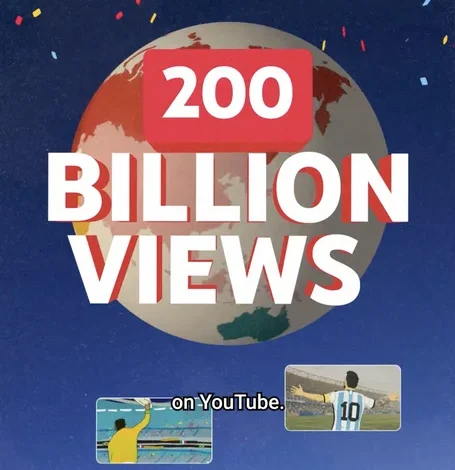
The final whistle has blown on the FIFA World Cup 2026™, marking the culmination of a month-long global spectacle that has redefined how the world engages with the beautiful game. YouTube, in its expanded role as a premier platform for sports broadcasting and fan interaction, has announced unprecedented viewership figures, solidifying the tournament’s status as the most-watched FIFA World Cup in the platform’s history. This landmark event saw the platform surpass an astonishing 200 billion lifetime views for content related to the FIFA World Cup, underscoring a profound shift in media consumption for major sporting events.
The competition, co-hosted across North America by Canada, Mexico, and the United States, generated a torrent of digital engagement. From official match broadcasts and analysis to behind-the-scenes glimpses and creator-led content, YouTube served as a central hub for billions of football enthusiasts worldwide. The platform’s partnership with FIFA, which saw it serve as a preferred platform for official content, played a pivotal role in this surge. This collaboration facilitated the seamless integration of premium broadcast feeds, ensuring that fans had access to high-quality, official content directly within the YouTube ecosystem.
A Historic Tournament on a Global Scale: Unprecedented Viewership Metrics
The sheer scale of engagement on YouTube during the FIFA World Cup 2026™ is nothing short of historic. The platform reported that over 1.7 billion unique viewers globally tuned into World Cup-related videos throughout the tournament. This figure highlights the expansive reach of YouTube as a global media powerhouse, capable of connecting with audiences across diverse geographical and cultural landscapes. The trend towards viewing on larger screens was also evident, with more than 550 million of these viewers accessing content on their televisions, indicating a growing acceptance of streaming platforms for major live events.
The zenith of this viewership was undoubtedly the final match between Spain and Argentina on July 19. This electrifying encounter captivated audiences, drawing over 21 million average-minute audiences (AMA) across more than 40 markets. The collective viewership surged to a peak of over 27 million concurrent viewers on YouTube alone, a testament to the global appeal of the final and the platform’s robust infrastructure to handle such massive real-time demand. This figure represents a significant benchmark for live sports viewership on digital platforms.
FIFA’s official YouTube channel experienced a dramatic surge in its subscriber base and viewership during the tournament’s core period, from June 11 to July 19. The channel amassed over 4 billion views and welcomed more than 7.5 million new subscribers, bringing its total global subscriber count to over 34 million. This rapid growth indicates a successful strategy by FIFA to leverage YouTube as a primary channel for fan engagement, content distribution, and community building. The platform’s ability to host live content, highlight reels, and exclusive interviews proved instrumental in attracting and retaining this massive audience.
The broader context of sports consumption on YouTube further contextualizes these figures. With an estimated 45 billion hours of sports content consumed annually on the platform, the FIFA World Cup 2026™ represented a significant acceleration of this trend. The unique partnership between YouTube and FIFA not only provided a platform for official broadcasts but also fostered an environment where fans could experience the tournament through a multitude of lenses, from the comfort of their homes to vibrant public viewing spaces.
Creators Take the Pitch: A New Era of Fan Engagement
Beyond official broadcasts, the FIFA World Cup 2026™ also witnessed a significant contribution from YouTube’s vast creator community. The tournament redefined what it means to be a football fan by empowering creators to offer fresh perspectives and engage with audiences in innovative ways. A curated roster of global creators, boasting a combined following of 350 million YouTube subscribers, produced content that resonated deeply with viewers. Collectively, YouTube videos related to the FIFA World Cup uploaded by these creators accumulated over 2.5 billion views globally.
This creator-led content ranged from in-depth tactical analysis and fan reactions to vlogs documenting their tournament experiences and creative interpretations of iconic football moments. This diverse array of content catered to a wide spectrum of fan interests, often providing more personal and relatable narratives than traditional media. The success of these creators highlights YouTube’s ability to democratize sports commentary and foster a more participatory fan culture.
A groundbreaking initiative during the tournament was the inaugural YouTube FIFA Creator Cup. This exhibition match, held on July 12 in New York City’s Central Park, brought together popular creators and influencers for a friendly competition, blurring the lines between content creation and sports entertainment. Led by team captains IShowSpeed and Celine Dept, the event generated significant buzz. The official live streams of the Creator Cup drew over 10 million live views globally, including broadcasts from FIFA’s official channel, the participating creators themselves, and official broadcasters. This event not only provided unique entertainment but also served as a powerful demonstration of YouTube’s capacity to host and promote live, engaging events that transcend traditional sports boundaries.
The success of the Creator Cup suggests a potential future for similar hybrid events that leverage the star power of digital influencers and the inherent excitement of sporting competition. It offers a compelling model for how platforms can innovate in sports content creation and fan engagement, reaching demographics that may not be as engaged with traditional sports media.
Broader Impact and Implications: The Evolving Landscape of Sports Media
The FIFA World Cup 2026™ on YouTube represents a pivotal moment in the evolution of sports media consumption. The unprecedented viewership figures and the significant contributions of creators signal a clear shift in how fans access, engage with, and experience major sporting events.
Key Observations and Analysis:
- Digital Dominance: The tournament’s performance on YouTube underscores the growing dominance of digital platforms in delivering live sports content. The convenience, accessibility, and interactive features of YouTube make it an increasingly attractive alternative to traditional television broadcasts.
- Creator Economy’s Role: The substantial viewership generated by creators highlights the growing influence of the creator economy in sports media. These individuals offer authentic, relatable content that can complement and even surpass traditional media coverage, fostering deeper fan connections.
- Hybrid Event Potential: The success of the YouTube FIFA Creator Cup demonstrates the viability of hybrid events that merge influencer culture with sporting competition. This model could open new avenues for fan engagement and monetization in the future.
- Global Reach and Accessibility: YouTube’s unparalleled global reach ensures that major sporting events can connect with audiences worldwide, breaking down geographical barriers and fostering a truly international fan base. The platform’s ability to host content in multiple languages and cater to diverse cultural nuances is a significant advantage.
- Data-Driven Insights: The extensive data generated from these viewership figures provides invaluable insights for FIFA, broadcasters, and advertisers. Understanding viewing habits, audience demographics, and content preferences can inform future strategies for event promotion and content creation.
- The Future of Sports Broadcasting: This event solidifies YouTube’s position as a major player in sports broadcasting. The platform’s ability to offer a comprehensive viewing experience, from live matches to highlights, analysis, and fan-generated content, sets a new standard for the industry. It suggests a future where the lines between official broadcasts, social media engagement, and creator content become increasingly blurred.
Background and Context:
The FIFA World Cup, held every four years, is the most prestigious association football tournament in the world, contested by the senior men’s national teams of the members of the Fédération Internationale de Football Association (FIFA), the sport’s global governing body. The 2026 edition was particularly historic as it was the first to be hosted by three nations: Canada, Mexico, and the United States, expanding the tournament to a record 48 teams. This expansion naturally led to an increased number of matches and a broader geographic appeal.
YouTube’s partnership with FIFA has evolved over recent years, moving beyond simple content hosting to a more integrated approach. This FIFA World Cup 2026™ marked a significant escalation of that partnership, with YouTube explicitly designated as a preferred platform for official content. This strategic alignment allowed for a more cohesive fan experience, where official broadcasts, highlights, and supplementary content were readily available and discoverable within a single ecosystem.
Timeline of Key Events and Engagement:
- June 11, 2026: Tournament Kick-off. Initial viewership surges as the World Cup begins, with early matches and opening ceremonies dominating trending topics on YouTube.
- June – July 2026: Consistent High Engagement. Throughout the group stages and knockout rounds, official broadcasters and creators deliver a steady stream of content, maintaining high viewership.
- July 12, 2026: YouTube FIFA Creator Cup. This exhibition match in Central Park generates significant live viewership, demonstrating the power of creator-led sports entertainment.
- July 19, 2026: The Grand Finale. The final match between Spain and Argentina achieves peak viewership, setting new records for concurrent viewers on YouTube.
- July 21, 2026: Post-Tournament Analysis. YouTube releases official figures, highlighting the unprecedented success and impact of the FIFA World Cup 2026™ on its platform.
Official Responses and Reactions:
While specific quotes from YouTube executives like Angela Courtin (VP of Sports & Entertainment Marketing) and Justin Connolly (VP Global Head of Media & Sports) are not provided in the original text beyond their bylines, their roles indicate their leadership in driving this strategic initiative. Their involvement suggests a concerted effort to leverage YouTube’s platform for major sporting events.
FIFA, as the organizing body, would undoubtedly view these figures as a major success, validating their decision to deepen their partnership with YouTube. This increased digital engagement translates into greater global visibility, expanded reach for their brand, and new avenues for revenue generation through advertising and sponsorships on the platform.
Broadcasters who partnered with FIFA and utilized YouTube for distribution would also see this as a positive development, indicating the growing importance of digital simulcasts and integrated online strategies for major sporting events. The ability to reach a massive, digitally-native audience through YouTube complements traditional broadcast reach.
Analysis of Implications:
The implications of the FIFA World Cup 2026™ on YouTube are far-reaching. For advertisers, the massive viewership figures present unparalleled opportunities for targeted campaigns and brand exposure. The platform’s sophisticated analytics can provide advertisers with granular data on audience demographics and engagement patterns, allowing for highly effective campaign execution.
For content creators, the success of the Creator Cup and the overall creator-driven viewership signifies a growing legitimization of their role in sports media. This could lead to increased investment in sports-related content creation and further innovation in how these events are covered.
For fans, the experience offers greater choice, accessibility, and a more personalized way to engage with their favorite sport. The ability to switch between official broadcasts, creator commentary, and community discussions provides a richer and more immersive viewing experience.
In conclusion, the FIFA World Cup 2026™ on YouTube has not merely been a successful event; it has been a transformative one. It has underscored the platform’s capability to host and broadcast major global sporting events at an unprecedented scale, while simultaneously highlighting the evolving role of creators in shaping fan engagement. As the digital landscape continues to evolve, this landmark achievement sets a new benchmark for how the world will experience future sporting spectacles.
Related posts: