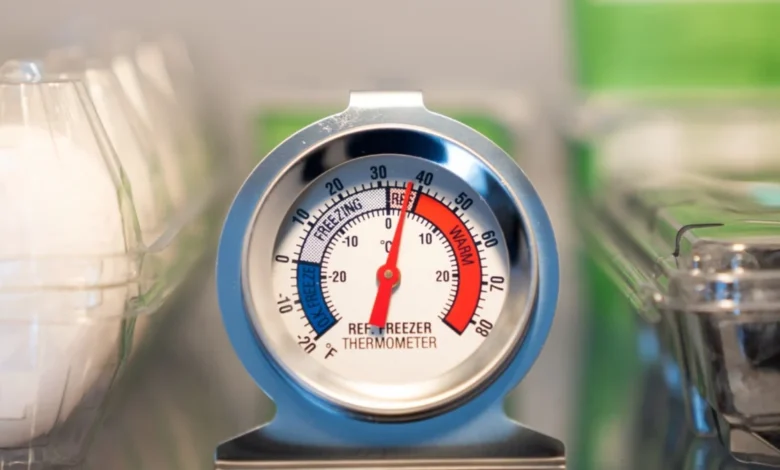
The "40-degree rule" for refrigerators is a cornerstone of food safety guidelines, established and promoted by leading authorities such as the United States Department of Agriculture (USDA) and the U.S. Food and Drug Administration (FDA). This simple yet critical guideline serves as an easily remembered benchmark, stipulating that 40 degrees Fahrenheit (approximately 4.4 degrees Celsius) represents the maximum safe temperature for storing food within a refrigerator. Maintaining temperatures at or below this threshold is paramount in preventing the proliferation of harmful bacteria that can lead to foodborne illnesses.
While the FDA officially designates 40°F as the upper limit for safe refrigeration, food safety experts and organizations like Consumer Reports often recommend aiming for a slightly lower internal temperature. An ideal temperature range for most refrigerators is generally considered to be around 37 degrees Fahrenheit (approximately 2.8 degrees Celsius). This slightly cooler setting offers several advantages: it more effectively inhibits the growth of common foodborne pathogens, minimizes the risk of food spoilage, and can also contribute to energy efficiency by reducing the refrigerator’s workload. Furthermore, keeping temperatures above the freezing point (32°F or 0°C) is crucial to prevent damage to food items like produce, which can become mushy and lose their texture and nutritional value when frozen.
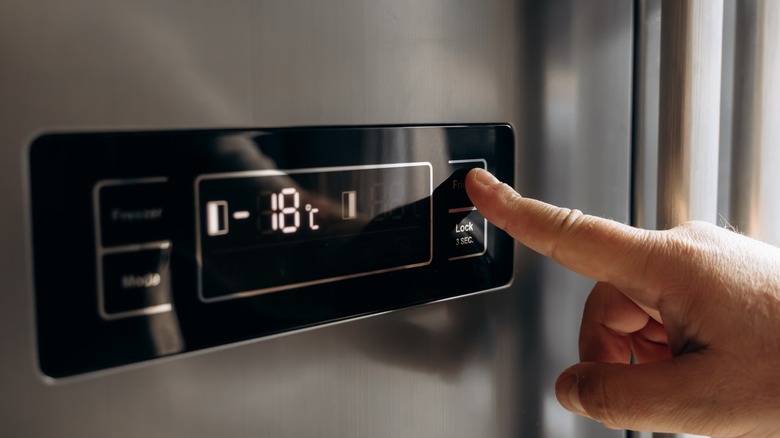
Achieving and maintaining this precise 37°F temperature can be a nuanced endeavor. Many modern, higher-end refrigerator models are equipped with sophisticated digital control panels that allow for precise temperature setting. These digital interfaces offer a clear readout of the internal temperature, enabling users to fine-tune their appliance for optimal performance. In contrast, older or more basic models may rely on less precise methods, such as numbered dials, illuminated bars, or symbolic indicators like snowflakes. These systems often require users to consult their appliance’s owner’s manual to decipher which setting corresponds to colder or warmer temperatures, and even then, they rarely provide an accurate temperature reading, making consistent adherence to the 40-degree rule more challenging. This variability underscores the importance of independent temperature monitoring.
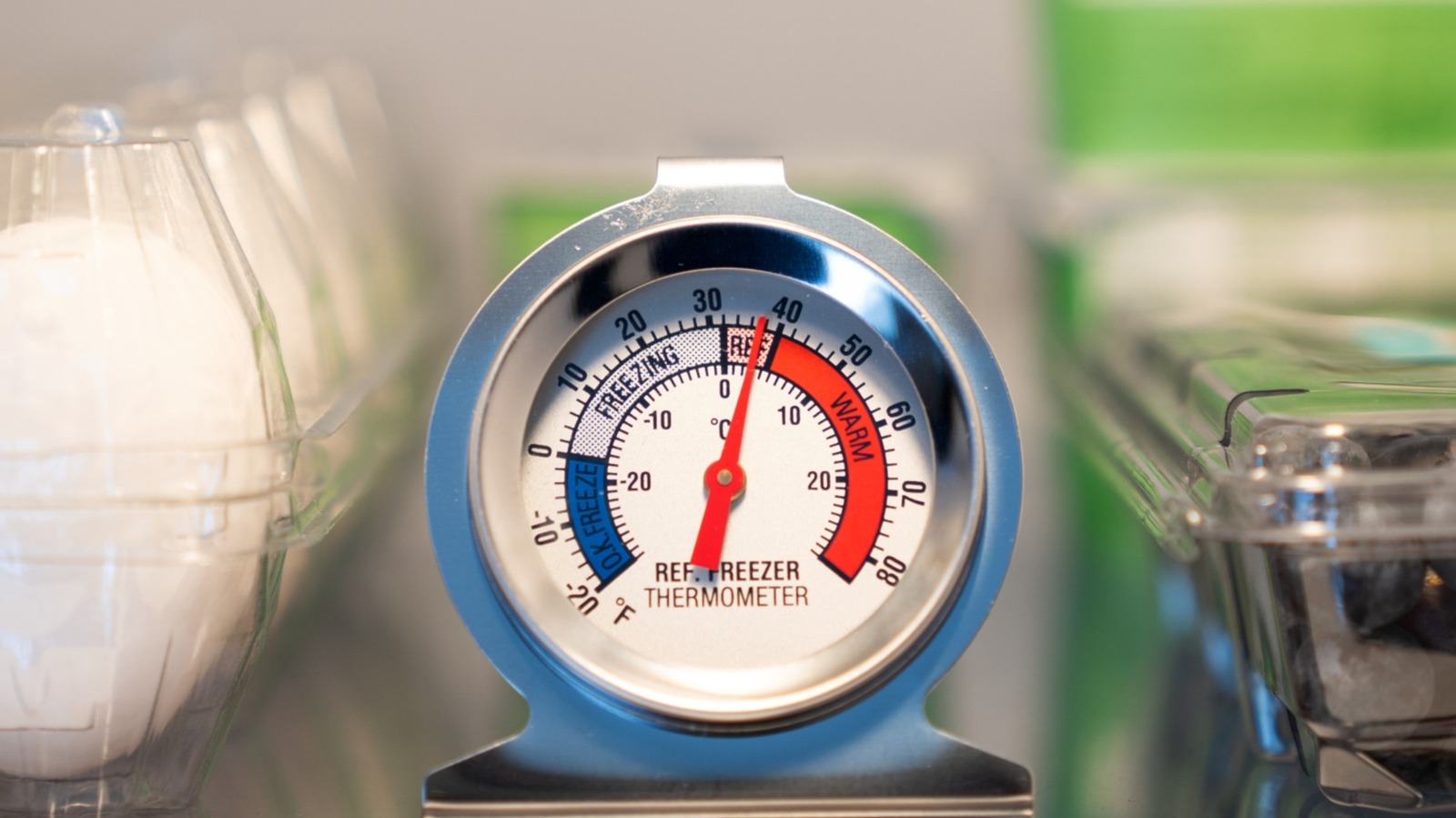
The Crucial Role of Refrigerator Thermometers
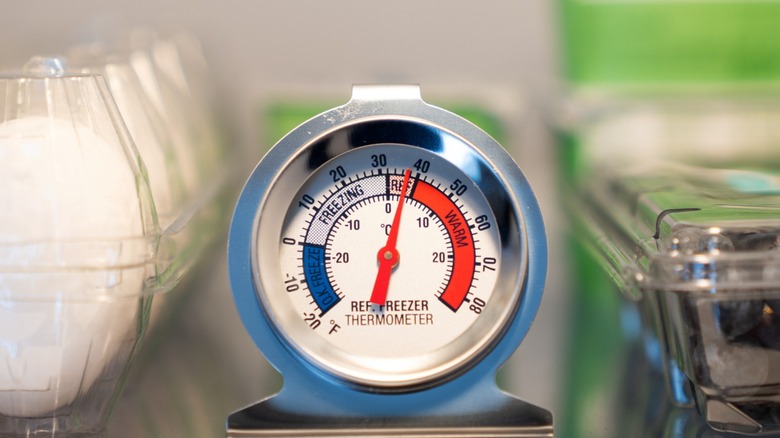
The principle of "trust, but verify," a phrase famously associated with former U.S. President Ronald Reagan, holds particular relevance when it comes to refrigerator temperatures. Simply setting a dial and assuming the appliance is functioning optimally is insufficient for guaranteeing food safety. A dedicated refrigerator thermometer is an indispensable tool for ensuring that the appliance is consistently operating within the safe temperature range.
These thermometers are readily available and affordably priced, often sold in two-packs for under $10 on online marketplaces like Amazon. For those seeking more advanced monitoring capabilities, smart thermometers, such as the GoveeLife WiFi refrigerator thermometer, offer enhanced features. These devices can provide real-time temperature data, send alerts to a smartphone if temperatures deviate from the set range, and even track historical temperature logs. While these advanced models come at a higher price point, often around $50-$60, their ability to offer continuous oversight and remote monitoring can be invaluable for households where food safety is a paramount concern.
The necessity of monitoring refrigerator temperatures is amplified by external environmental factors. Seasonal fluctuations in ambient home temperatures, such as warmer conditions in the summer and cooler conditions in the winter, can directly influence the internal temperature of a refrigerator. Similarly, refrigerators situated in unconditioned spaces, like garages or basements, are particularly susceptible to environmental extremes. Even appliances marketed as "garage-ready" can struggle to maintain consistent safe temperatures when ambient conditions fall outside their operational parameters. In extremely hot environments, they may work harder and still fail to keep food at a safe temperature, while in cold environments, they risk allowing contents to freeze. Therefore, regular temperature checks with a thermometer are not just recommended but essential for safeguarding food in such settings.
Understanding and Applying the Two-Hour Rule
Beyond maintaining the correct refrigerator temperature, the FDA also emphasizes the importance of the "two-hour rule" for perishable foods. This guideline dictates the maximum amount of time that food items can safely remain at room temperature before refrigeration is required. This rule applies to a broad range of perishables, including groceries purchased from the store, leftovers from meals, restaurant take-out, and even doggy bags.
A critical caveat to the two-hour rule exists for situations where ambient temperatures exceed 90 degrees Fahrenheit (approximately 32 degrees Celsius). In such conditions, the safe window for perishable foods is significantly reduced to just one hour. This is particularly relevant for individuals who live a considerable distance from grocery stores or who are transporting food for picnics or road trips. In these scenarios, the risk of bacterial growth accelerates rapidly in warmer environments.
For situations where extended travel or prolonged periods away from refrigeration are unavoidable, alternative food preservation methods become crucial. Utilizing insulated coolers or ice chests is a common and effective strategy for keeping perishable items cool during transit. For those who frequently engage in such activities or prefer a more convenient solution, exploring electric coolers might be a worthwhile investment. These devices offer a consistent cooling mechanism without the need for ice, potentially reducing the mess and inconvenience associated with traditional coolers.
The two-hour rule also extends to the handling of home-cooked leftovers. A common challenge arises when refrigerating large volumes of hot food, such as soups, stews, casseroles, or pasta dishes. Placing a large, hot container directly into the refrigerator can have several detrimental effects. Firstly, it can elevate the temperature of other food items already stored in the refrigerator, potentially pushing them into the temperature "danger zone" where bacteria thrive. Secondly, the center of the large container of hot food may take a significant amount of time to cool down, even within the refrigerator, remaining in the danger zone for an extended period. While some might be tempted to leave hot leftovers on the counter to cool before refrigerating, the FDA strongly advises against this practice. Instead, the recommended approach is to divide hot leftovers into smaller, shallower containers. This allows for much quicker and more efficient cooling, ensuring that the food is brought down to a safe temperature well within the two-hour window, thus mitigating the risk of bacterial contamination.
Broader Implications for Public Health and Food Security
The consistent application of the 40-degree rule and the two-hour rule has far-reaching implications for public health and food security. Foodborne illnesses, often caused by the consumption of contaminated food, can range from mild gastrointestinal upset to severe, life-threatening conditions. According to the Centers for Disease Control and Prevention (CDC), an estimated 48 million Americans get sick, 128,000 are hospitalized, and 3,000 die each year from foodborne diseases. Adhering to these fundamental refrigeration and handling guidelines is a critical preventive measure that significantly reduces the incidence of such illnesses.
These food safety protocols are not merely recommendations; they are backed by extensive scientific research into the growth rates of various bacteria at different temperatures. For instance, Salmonella, a common culprit in food poisoning, can double its population in as little as 20 minutes at room temperature. At 40°F, its growth is significantly slowed, and at 37°F, it is further inhibited. Understanding these microbiological principles provides a clear rationale for the stringent temperature requirements.
The economic impact of foodborne illnesses is also substantial. Beyond the direct healthcare costs associated with treating sick individuals, there are indirect costs related to lost productivity, reduced tourism, and damage to the reputation of food businesses. By promoting and enforcing these simple food safety rules, regulatory bodies aim to minimize these economic burdens.
Furthermore, in an era of increasingly globalized food supply chains, ensuring consistent adherence to food safety standards across different regions and household practices is an ongoing challenge. Public awareness campaigns, educational initiatives, and accessible resources like those provided by the USDA and FDA play a vital role in empowering consumers to make informed decisions about food handling and storage. The proliferation of smart kitchen appliances and connected home devices also presents new opportunities for automated temperature monitoring and alerts, potentially enhancing compliance and reducing the risk of foodborne illness. As technology advances, the ability to maintain and verify safe food storage temperatures will likely become more seamless, further contributing to public health and food security.