China’s Coal Generation Has Stopped Growing In Half The Country — Here’s Why

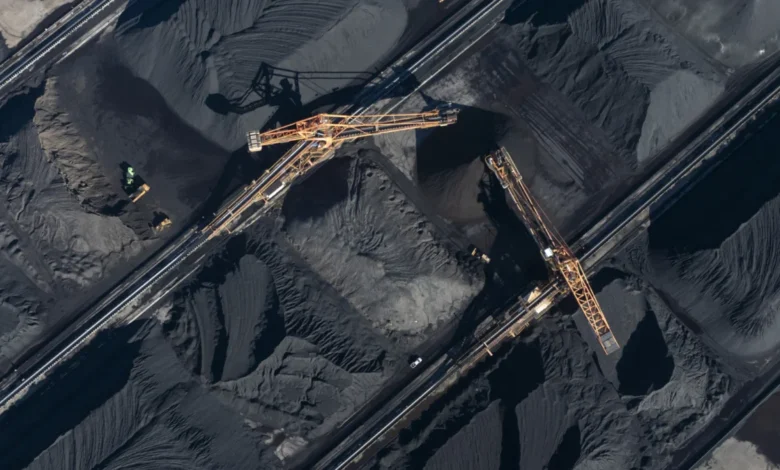
China’s vast and rapidly evolving energy landscape has reached a historic turning point. For the first time in a decade, coal-fired power generation has stopped growing across more than half of the nation’s provinces and regions. This monumental shift, highlighted in a comprehensive 2026 report by energy think tank Ember Energy, underscores a broader and accelerating transition away from fossil fuels in the world’s largest electricity consumer.
To power its massive economy—which consumed more than 10 trillion kilowatt-hours (kWh) of electricity in 2025 alone, doubling the total consumption of the United States—China has historically relied heavily on coal. However, the stagnation of coal generation in over 50% of the country is not the result of a contracting economy or diminished electricity demand. Instead, it marks a critical milestone where the relentless deployment of renewable energy infrastructure has finally caught up with, and in some regions begun to outpace, the insatiable growth of industrial power demand.
The transition reveals a complex interplay between decades of fossil fuel dominance and aggressive modern investments in wind, solar, and massive energy storage grids. While coal remains the backbone of China’s heavy industry, the momentum behind green energy is fundamentally altering how the nation generates and consumes power.
The Scale of China’s Energy Consumption and Historical Reliance on Coal
Understanding the significance of this plateau requires examining the sheer scale of China’s energy network. According to data from the International Energy Agency (IEA), China’s coal-fired emissions skyrocketed by 248% between 2000 and 2023. By 2023, approximately 75% of the nation’s total coal power consumption was driven directly by industrial applications, ranging from steelmaking and chemical production to heavy manufacturing.
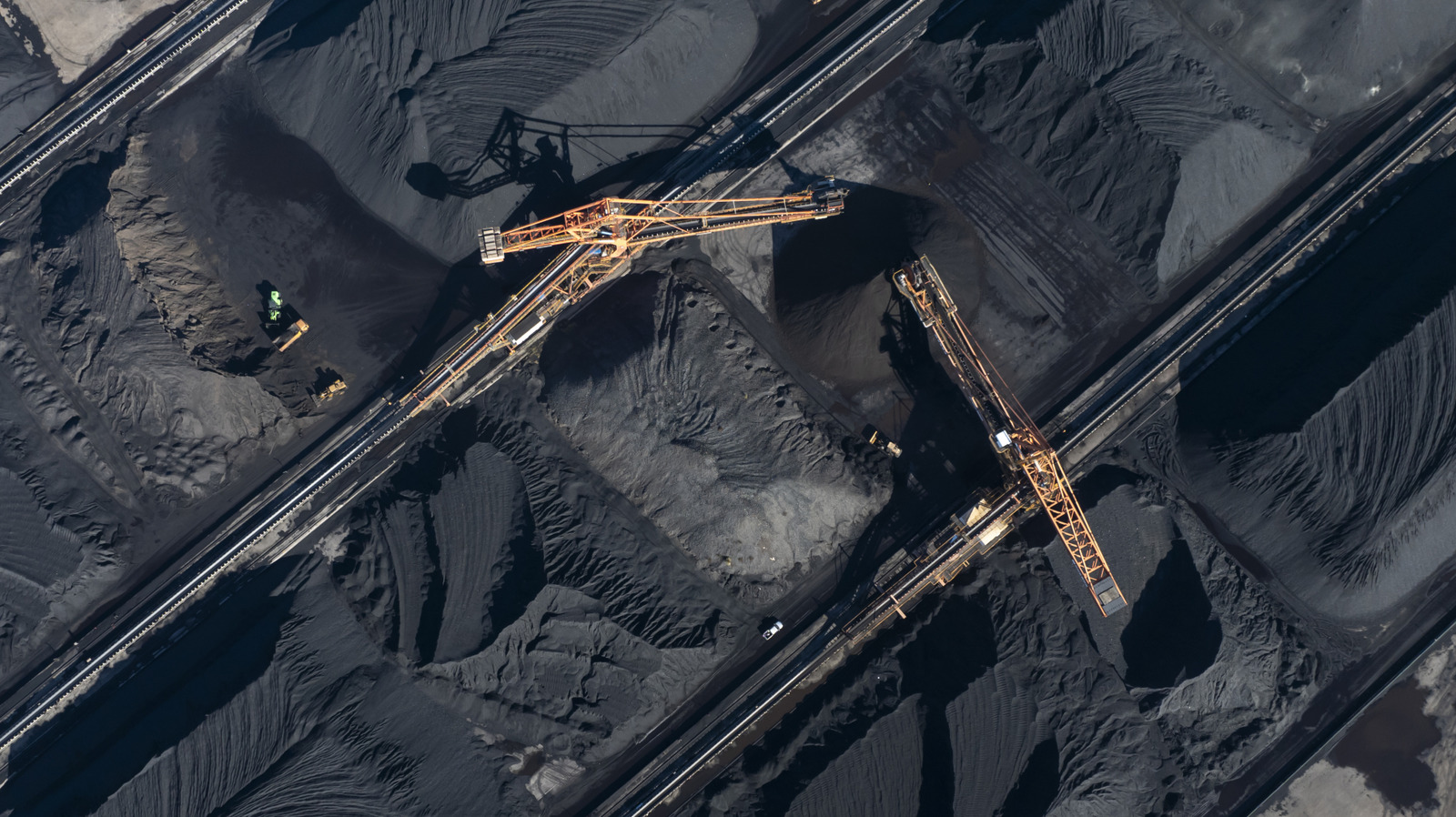
China continues to operate the largest fleet of coal-fired power plants on the planet. Its massive urban centers, sprawling industrial corridors, and advanced manufacturing sectors demand a continuous, heavy-duty baseload of electricity that renewable sources have historically struggled to provide on their own. For years, massive government investments in wind and solar power served primarily to supplement, rather than replace, fossil fuel generation.
However, structural changes within the Chinese industrial economy are altering this dynamic. Sectors previously characterized as "hard-to-abate"—including metal smelting, chemical processing, and petrochemical manufacturing—have increasingly prioritized electrification powered by green energy. Furthermore, the transportation sector has undergone a staggering transformation. By the end of 2025, electric vehicles (EVs) accounted for more than 50% of new passenger car sales in China, a market share milestone reached years ahead of Western economies, where U.S. EV adoption hovered around 10% during the same period. Heavy-duty commercial transport has experienced a similar shift, with 26% of all new truck sales in China being all-electric in 2025, a figure that continued to climb through 2026.
Chronology of the Transition: From Supplement to Displacement
The journey toward plateauing coal generation has evolved over the past two decades through distinct phases:
- 2000–2015: Rapid industrialization drove unprecedented demand for electricity. Coal was mined and burned at record rates, leading to severe air pollution crises in major cities and exponential growth in greenhouse gas emissions.
- 2016–2020: China began heavily subsidizing renewable energy, building the world’s largest solar and wind farms. However, grid integration issues meant much of this clean energy was "curtailed" (wasted), and coal plants continued to expand to meet peak load demands.
- 2021–2023: Faced with global supply chain pressures and international climate commitments, Beijing doubled down on ultra-high-voltage transmission lines and massive battery storage systems, attempting to solve the intermittency problem of renewables.
- 2024–2025: The tipping point arrived. The deployment rate of utility-scale solar and wind projects finally outpaced annual electricity demand growth in numerous provinces. EV adoption surged past the 50% tipping point, and industrial electrification reduced reliance on direct fossil fuel burning.
- 2026: Ember Energy releases its landmark report confirming that coal generation has officially flatlined in more than half of China’s administrative regions, signaling a structural peak for fossil fuels in key sectors.
Overcoming Intermittency Through Massive Battery Storage
One of the primary historical criticisms of renewable energy has been its intermittent nature. Solar panels achieve peak output for only a few hours a day, and wind turbine generation fluctuates with weather conditions. For a manufacturing superpower requiring a stable, 24/7 power supply, relying solely on unbuffered renewables was unfeasible.
China addressed this vulnerability by pairing its massive renewable rollouts with unprecedented investments in energy storage technology. The country’s largest solar installations—such as massive desert arrays that dwarf any equivalent project in North America—are increasingly integrated with utility-scale battery storage facilities and pumped-hydro storage systems. These installations capture excess daytime energy and discharge it smoothly into the grid during peak evening hours, bridging the gap between fluctuating supply and steady demand.
These technological safeguards have allowed regional grid operators to safely cap or reduce coal-fired generation without risking blackouts or industrial downtime.
Sector-Specific Shifts: Where Fossil Fuels Have Plunged
While coal remains the single largest energy source nationally, a granular look at individual industries reveals that fossil fuel consumption has already peaked and plummeted in several vital sectors.
According to recent industrial data, sectors such as textile production, machinery manufacturing, and even fossil fuel extraction itself have seen their direct fossil fuel consumption drop by more than 66% from their historical peaks. Factories are increasingly shifting their internal power sources to localized industrial rooftop solar arrays, microgrids, and direct green-tariff grid purchases.
Nevertheless, the transition remains uneven. Heavy industrial sectors with extreme thermal energy requirements—such as electronics manufacturing and advanced mineral processing—have continued to increase their fossil fuel usage, highlighting the ongoing technical challenges of completely decarbonizing every corner of China’s industrial complex.
Economic Implications and Global Trade Dynamics
The plateauing of coal in half of China carries profound global economic and geopolitical implications. As domestic deployment of wind, solar, and battery technologies matures, Chinese manufacturing firms have pivoted heavily toward exporting these green technologies.
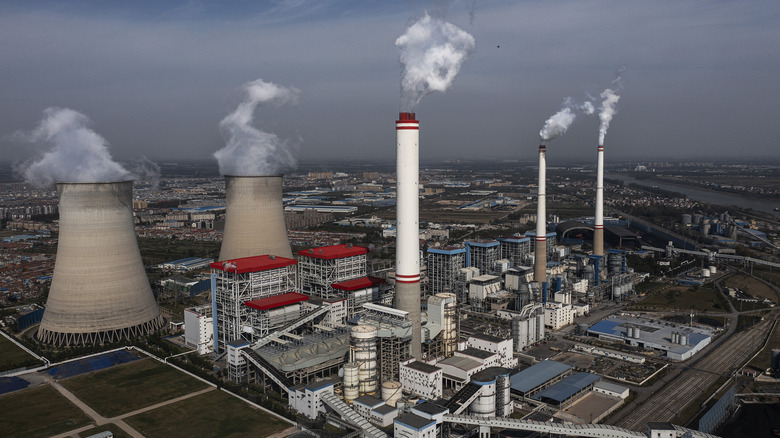
Despite a slight domestic slowdown in the pace of solar plant construction during the first half of 2026, China’s clean tech exports surged globally. By dominating the global supply chain for solar panels, wind turbines, and lithium-ion batteries, China has transformed its climate strategy into an economic engine. This export dominance ensures that domestic interest in renewable technology will remain exceptionally high, regardless of short-term fluctuations in domestic coal consumption.
Looking ahead, the IEA projects that China’s overall electricity demand will continue to grow at just under 5% annually between 2026 and 2030. Whether coal generation will permanently decline on a national scale depends entirely on whether renewable energy construction can maintain its aggressive pace. Replacing a single traditional coal-fired power plant requires well over a million solar panels, alongside complex, high-capacity transmission infrastructure to ferry that power from remote deserts to coastal manufacturing hubs.
If China successfully maintains its current trajectory of grid modernization, battery integration, and renewable expansion, the stagnation of coal in half the country may soon be remembered as the beginning of the end for the world’s largest fossil fuel consumer.