Reasons To Play Magic With The MTG: Arena App In The Modern Era Ranked Worst To Best

The digital landscape of collectible card games has evolved significantly over the past decade, transforming how enthusiasts interact with legacy franchises. Among the most prominent adaptations is Magic: The Gathering Arena (MTG Arena), developed and published by Wizards of the Coast. Originally launched for Microsoft Windows in open beta in 2018 before expanding to macOS, Android, and iOS platforms, the application has become a primary touchpoint for millions of players globally. For veterans returning after decades away from the physical tabletop game—as well as digital-native card game enthusiasts—MTG Arena offers a unique bridge between classic strategy and modern mobile gaming convenience. Evaluating the platform requires examining various player motivations, ranging from nostalgic curiosity to competitive digital playtesting, and assessing how well the application fulfills these expectations in the current gaming ecosystem.
Evolution and Background of Magic: The Gathering Digital Adaptation
To understand the current standing of MTG Arena, one must examine the history of digital iterations for Magic: The Gathering, which was first created by Richard Garfield and released in 1993 by Wizards of the Coast. For decades, playing the game meant purchasing physical booster packs, trading cards at local hobby shops, and participating in in-person tournaments. Early digital attempts, such as Magic: The Gathering Online (MTGO) launched in 2002, faithfully replicated the tabletop experience but suffered from dated interfaces, complex economic models, and steep learning curves that appealed primarily to hardcore, dedicated grinders.
MTG Arena was designed to rectify these shortcomings by modernizing the rules enforcement, introducing sleek animations, and adopting a free-to-play digital structure reminiscent of competing titles like Blizzard Entertainment’s Hearthstone. By streamlining the mechanics—such as automating complex stack interactions and phase transitions—Wizards of the Coast lowered the barrier to entry. However, this shift also introduced a distinct philosophical divide between traditional tabletop purists and digital-first consumers. The application strictly incorporates card sets from approximately 2017 onward (with specific exceptions for curated digital formats and special historical events), leaving behind the vast expanse of older cards that veterans of the 1990s and 2000s might fondly remember.
Nostalgia Versus Modern Complexity
For returning players who spent their adolescence collecting physical cards during the formative years of the franchise, stepping back into the ecosystem can be a jarring experience. The core foundational rules remain intact: players draw an initial hand of seven cards, manage resource allocation through land cards, and reduce their opponent’s starting life total from 20 to zero. Yet, the pacing, card design philosophy, and mechanical depth have expanded exponentially.
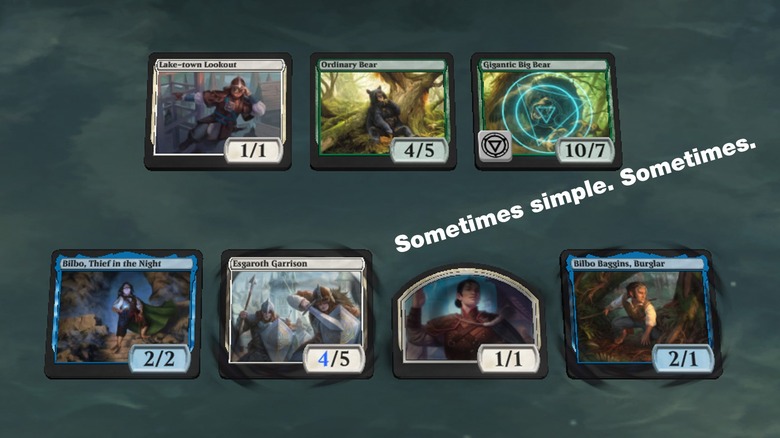
In contemporary Magic formats available on MTG Arena, the board state can escalate with staggering speed. Where historical formats often revolved around deliberate creature combat and incremental resource advantages, modern play frequently features multi-color synergies, token generation, and cascading +1/+1 counter interactions. It is not uncommon for a proficient opponent to assemble an overwhelming board presence—such as a massive hydra or an army of token creatures—by the fifth turn.
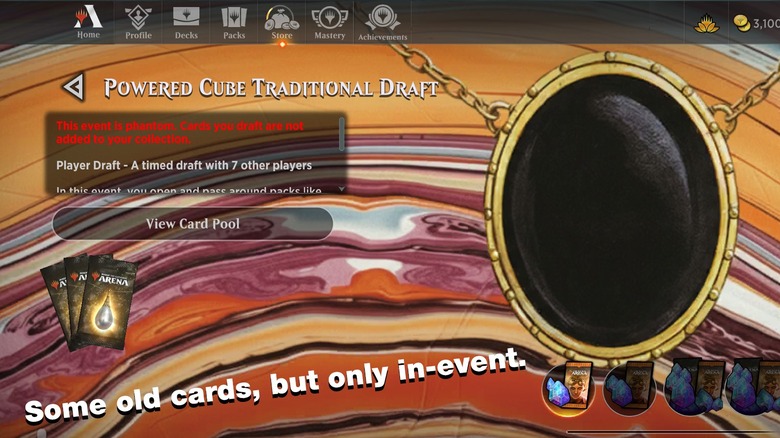
For senior or returning players seeking the straightforward, slow-paced simplicity of 1990s Magic, MTG Arena may present an overwhelming hurdle. The absence of vintage sets in standard digital queues means that iconic relics of the past cannot be compiled into customized digital collections in the base game modes. Consequently, those seeking pure, unadulterated nostalgia must temper their expectations regarding how closely the digital client mirrors the kitchen-table sessions of decades past.
Accessibility and the Mobile Gaming Experience
One of the most significant shifts in the franchise’s accessibility is its migration to mobile platforms, including Android smartphones and iPhones, alongside tablets and touchscreen laptops. For adults balancing demanding careers and familial responsibilities, carving out several hours on a Saturday afternoon to visit a local game store for a physical tournament is often impractical.
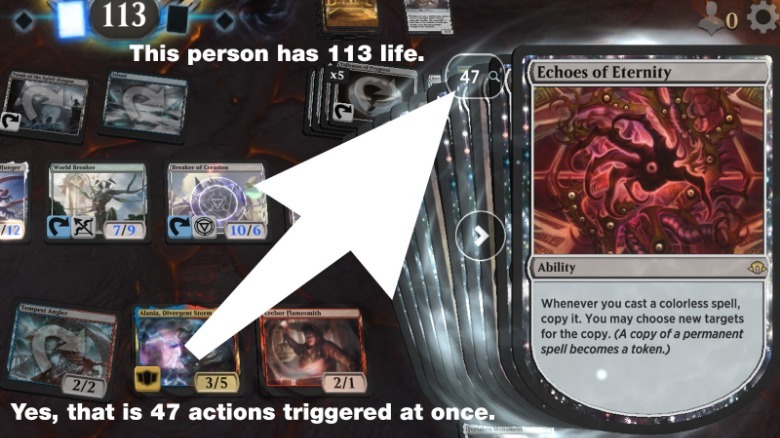
MTG Arena addresses this demographic shift by providing asynchronous and rapid matchmaking directly on portable devices. When compared to pioneer mobile card games like Hearthstone—which intentionally streamlined card text and mechanics for smaller screens—MTG Arena retains the intricate rule set of its physical counterpart while adapting the user interface to accommodate touch controls. While some users argue that managing complex triggers on a smartphone screen can occasionally feel cramped, the ability to complete a quick match during a commute or a brief break has revitalized engagement for demographic cohorts who otherwise abandoned the hobby years ago.
Furthermore, the application incorporates subtle visual and auditory flair—such as dynamic environmental shadows and creature animations when casting iconic spells—that enhance the digital presentation without crossing into sensory overload. While physical cards remain the gold standard for tactile purists, the mobile client serves as a viable, highly accessible alternative for maintaining engagement with the hobby.
Playtesting and Economic Utility for Physical Collectors
Beyond casual play and nostalgia, MTG Arena functions as a valuable analytical tool for dedicated players who maintain active participation in physical tabletop events. Constructing competitive decks in the physical card game requires a substantial financial commitment, as purchasing booster boxes or individual rare singles can become expensive if a deck archetype fails to perform in local metagames.
MTG Arena offers a risk-free environment to draft sets, experiment with card synergies, and test deck viability before investing real-world capital. Through limited-time events, drafts, and constructed queues, players can thoroughly evaluate the efficacy of newly released expansions. The application’s economy allows users to accumulate in-game currency through daily quests and achievements—such as casting a specific number of spells of a certain color—without strictly mandating financial expenditure, though optional microtransactions are readily available for those wishing to accelerate their collection progress.
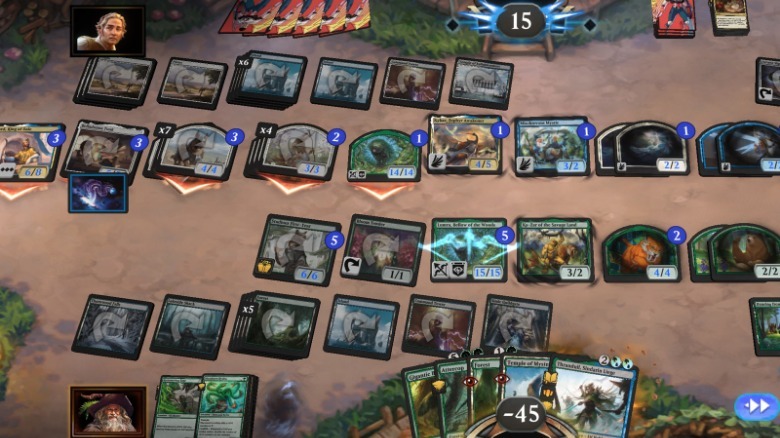
Industry analysts and veteran community members frequently highlight this feature as one of the platform’s strongest assets. By providing a digital sandbox for trial and error, the application saves consumers considerable amounts of money by identifying flawed strategies before they manifest as costly physical purchases.
Broader Industry Implications and Future Outlook
The sustained success of MTG Arena reflects a broader macroeconomic trend within the tabletop gaming industry: the hybridization of physical and digital intellectual properties. Wizards of the Coast, a subsidiary of Hasbro, has repeatedly reported substantial digital revenue growth driven largely by MTG Arena and digital partnerships. This dual-market strategy allows the company to capture revenue from both traditional tabletop hobbyists and mobile-first gamers who may never set foot in a local game store.
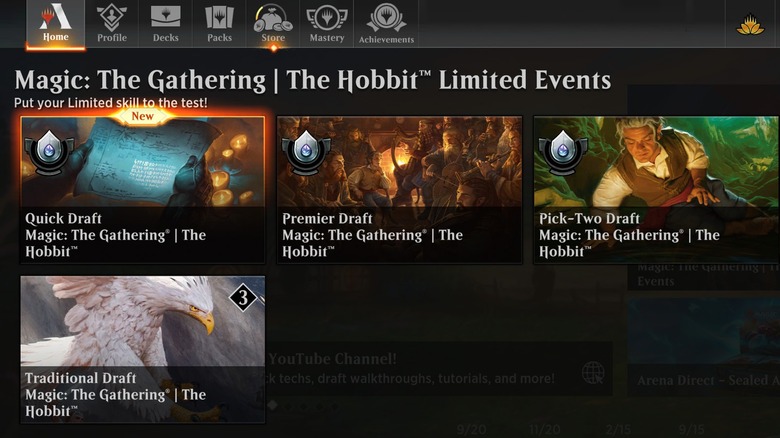
However, this digital shift is not without friction within the community. Debates persist regarding the digital economy’s cost-to-reward ratio, wildcard acquisition rates, and the frequency of format rotations. Despite these criticisms, the application continues to shape how new card sets are designed, balancing physical print constraints with digital-only mechanics introduced in specialized formats.
Ultimately, whether an individual approaches MTG Arena as a vehicle for rekindling dormant teenage memories, a convenient mobile distraction, or a serious competitive playtesting suite, the platform offers a multifaceted window into the modern state of Magic: The Gathering. While it cannot entirely replicate the tactile satisfaction of shuffling physical cardboard across a wooden table, its integration into the modern digital ecosystem ensures that the nearly thirty-year-old franchise remains vibrant, accessible, and continuously evolving for a new generation of players.