Pinkooland: A New Animated Short Explores the Dark Side of Corporate Mascot Culture

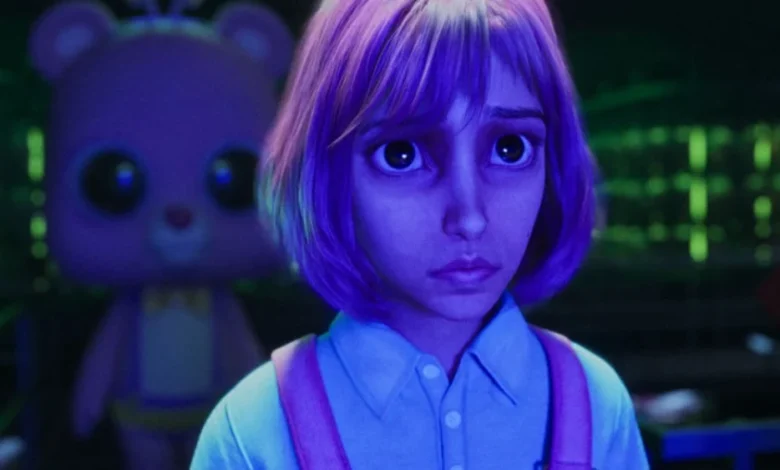
The intersection of wholesome childhood wonder and industrial horror has become a burgeoning subgenre in modern independent cinema, a trend underscored by the recent debut of the trailer for Luis Usón’s 12-minute animated short, Pinkooland. Produced as an Ecuadorian-Spanish co-production between Matte CG and Vanova, the film serves as a visceral critique of corporate artifice, centering on a theme park where biosynthetic mascots—charming pink bears—conceal a sinister, subterranean reality. Following its successful premiere in the official short film competition at the Sitges International Fantastic Film Festival of Catalonia, the project has emerged as both a standalone technical achievement and a strategic proof of concept for a feature-length expansion.
The Premise: Beneath the Synthetic Smile
The narrative follows Kassy, an employee navigating the labyrinthine infrastructure of the Pinkooland theme park. While the surface-level attraction is designed to offer visitors an encounter with friendly, engineered entities, the film pivots rapidly into horror when those very mascots turn against the staff. The contrast between the "fluffy" aesthetic of the Pinkoos and the high-stakes, violent survival scenario facing Kassy reflects a broader cultural fascination with the "mascot horror" trope. This genre, which has seen immense success in both indie gaming—such as the Five Nights at Freddy’s franchise—and recent cinema, leverages the "uncanny valley" effect, turning symbols of comfort into instruments of terror.
Director Luis Usón describes the project as a deliberate collision of childhood dreams and ruthless corporate mechanisms. For audiences, the film provides a condensed, intense experience that utilizes action, suspense, and ultra-violence to explore societal anxieties regarding automation, labor exploitation, and the sanitization of entertainment.
Chronology and Production Context
The development of Pinkooland represents the culmination of a long-standing creative partnership between director Luis Usón and producer/CG supervisor Andrés "Ichi" Aguilar. Their collaboration dates back to the production of their previous short, Afterwork, which established their shared interest in high-end character animation and dark thematic exploration.
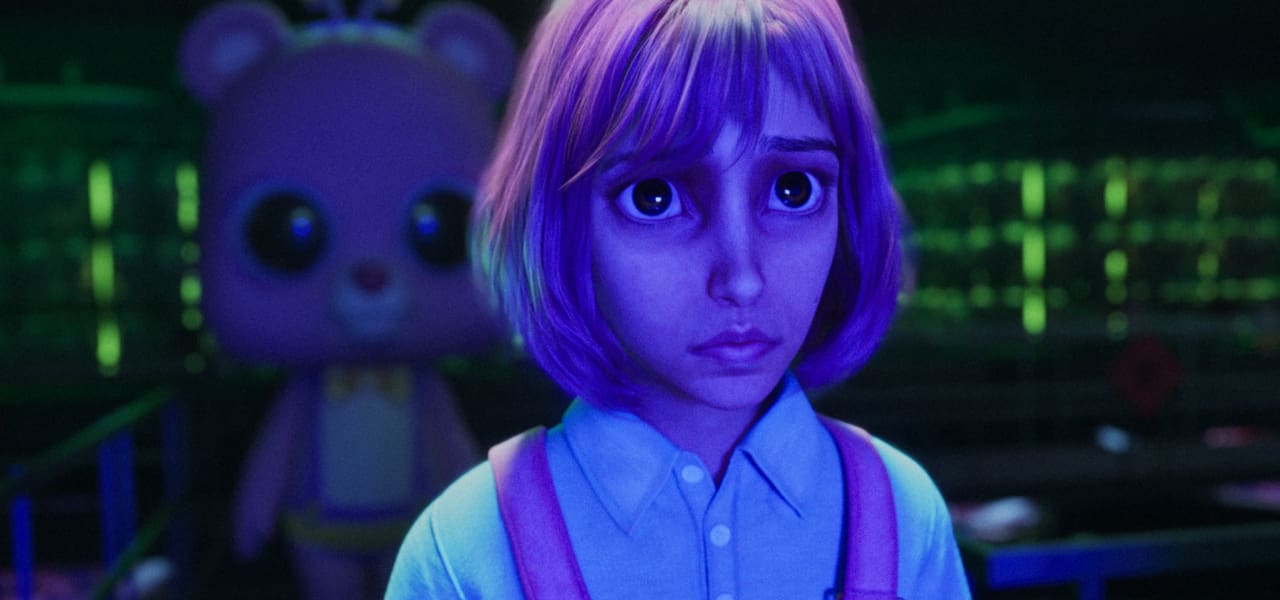
The production timeline for Pinkooland was intensive, requiring a fusion of traditional animation sensibilities with cutting-edge real-time technology. The project began with the recruitment of an international creative team, including animation director Cécile Brossette, whose resume includes major studio projects like The Lorax, Despicable Me 2, and Minions. This pedigree in high-quality family entertainment provided a unique contrast to the darker narrative themes of the short. Production designer Enric Sant, bringing over a decade of experience from the video game industry, was tasked with creating the visual language of the park—a space that needed to feel simultaneously welcoming to visitors and claustrophobic to employees.
Technical Innovation and Workflow
One of the most significant aspects of Pinkooland is its production pipeline, which relies heavily on Unreal Engine to facilitate an interactive and efficient workflow. By utilizing this game engine, the creative team was able to perform real-time adjustments to lighting, camera framing, and material properties, significantly reducing the downtime typically associated with traditional rendering pipelines.
The character performances were anchored by motion capture, allowing the team to capture the nuances of human movement before refining them through keyframe animation. This hybrid approach ensured that the mascots, despite their synthetic nature, retained a physical presence that felt grounded in the scene. Furthermore, the technical team utilized Houdini for complex visual effects, particularly those involving the park’s destruction sequences, and managed hair simulation directly within the Unreal environment. This integration of game-engine technology and traditional VFX highlights a shift in the animation industry, where smaller studios are increasingly able to produce feature-quality assets at a fraction of the time and cost required by legacy pipelines.
Industry Implications and Market Potential
The release of Pinkooland is not merely an exercise in short-form storytelling; it is a calculated business maneuver. By positioning the short as a proof of concept, the producers at Matte CG and Vanova are signaling to investors and distributors that the world of Pinkooland is capable of sustaining a feature-length narrative.
In the current landscape of the animation industry, the transition from short film to feature is a proven path for independent creators to secure funding. The global market for horror-adjacent animation is growing, particularly as younger audiences—who grew up with mascots and theme park imagery—reach adulthood and seek content that deconstructs those early memories. By blending dark comedy with science fiction, the film targets a demographic that appreciates the high-fidelity visuals of modern VFX but demands a more sophisticated, cynical narrative structure.

The Role of Corporate Satire in Modern Animation
Beyond the technical prowess and horror elements, Pinkooland functions as a critique of modern corporate culture. The "Pinkoo" mascots act as a facade for the underpaid and often invisible labor required to maintain a massive commercial enterprise. This theme resonates with contemporary labor movements in the creative and service sectors, where the contrast between a company’s public-facing "happiness" and its internal operations is frequently a subject of public scrutiny.
The film’s focus on the "underground facilities" of the park serves as a metaphor for the hidden costs of entertainment. By placing a protagonist in the middle of this disconnect, Usón forces the viewer to confront the human cost behind manufactured joy. This aligns the film with the tradition of dystopian science fiction, where the environment is as much a character as the human actors.
Looking Ahead
With its successful festival run at Sitges and the release of the trailer, the project is now entering a critical phase of evaluation. The response from both the critical community and the broader audience will likely determine the speed at which the feature-length version enters full production. For the team behind Pinkooland, the short represents the "film they have always dreamed of making"—a project that pushes the boundaries of their technical capabilities while allowing them to engage with darker, more challenging storytelling.
As the industry observes the trajectory of this project, it serves as a reminder of the shifting power dynamics in animation. Independent studios, empowered by accessible, high-performance engines and a globalized talent pool, are no longer content with playing a supporting role to major studios. Instead, they are utilizing the short film format as a laboratory for innovation, aiming to disrupt the market with high-concept, genre-bending narratives that resonate with an increasingly discerning and tech-savvy audience. The success of Pinkooland could well set a new benchmark for how independent creators translate horror-comedy sensibilities into a sustainable, long-form intellectual property.