Should You Sharpen Both Sides Of A Leatherman Blade (Or Any Other Multi-Tool)?

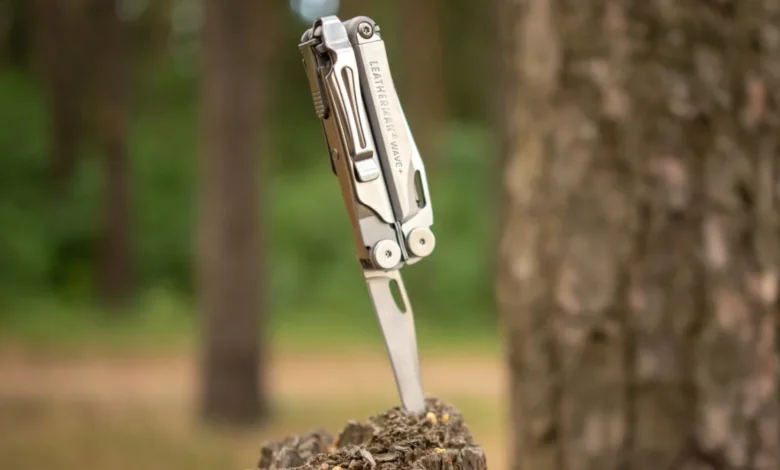
The longevity and performance of a portable cutting instrument depend heavily on proper maintenance, yet many owners of multi-tools remain uncertain about the correct techniques for sharpening and caring for their blades. Leatherman Tool Group, a globally recognized manufacturer of multi-tools, produces a diverse array of configurations designed for various applications, ranging from basic outdoor survival to heavy-duty industrial work. As these tools see regular field use, their edges inevitably dull. However, understanding the fundamental differences between blade geometries is critical; improper sharpening can ruin a specialized edge, diminish cutting efficiency, and permanently alter the manufacturer’s intended profile.
Understanding Blade Geometries: Plain Versus Serrated Edges
When evaluating a multi-tool blade, owners must first distinguish between standard plain-edge designs and serrated configurations, as each requires a fundamentally distinct maintenance approach. Plain-edge blades are engineered for general utility, slicing, and clean cuts. According to manufacturer guidelines, a conventional straight blade is designed to be sharpened evenly from both sides. Leatherman typically recommends maintaining a 16-degree angle on each side of a plain-edge blade, which results in a cumulative bevel angle of 32 degrees. This symmetrical geometry optimizes the balance between sharpness and edge retention, ensuring the blade can withstand rigorous daily tasks without rolling or chipping prematurely.
Conversely, serrated edges present an entirely different mechanical challenge. A serrated blade features alternating hollows and points designed to tear through fibrous materials, seatbelts, wood, and rope with minimal effort. Attempting to sharpen both sides of a serrated blade in the same manner as a plain-edge blade will rapidly flatten the teeth, effectively ruining the serration profile.
Serrated edges should only be sharpened along their single beveled edge, leaving the flat side untouched. This maintenance requires specialized sharpening implements, such as a tapered round diamond sharpening rod or ceramic file, which can address each individual tooth independently. Because tooth sizes and depths can vary across a single blade, precision and patience are required to preserve the tool’s original cutting capabilities. For broader multi-tool categories—including competitive options from brands like Gerber, Victorinox, and SOG—these core metallurgical and geometric rules remain consistent. Straight blades benefit from flat sharpening stones or fine-grit hones, while serrated variations demand specialized round profiling tools. When uncertainty arises regarding specific bevel angles or proprietary steel compositions, consulting the manufacturer’s official documentation remains the safest course of action.
Comprehensive Maintenance Beyond the Edge
A sharp blade is only as effective as the multi-tool housing it. Proper upkeep extends far beyond the cutting edge, encompassing comprehensive cleaning, debris removal, and targeted lubrication of the pivoting mechanisms. Over time, field use exposes multi-tools to dirt, sawdust, sap, moisture, and pocket lint. This accumulation can impede the deployment of secondary implements like pliers, screwdrivers, and can openers, while trapped moisture can accelerate wear.
Routine cleaning requires washing away buildup using a mild solution of household detergent and warm water. For stubborn substances such as tree sap, adhesive residue, or light tar, turpentine serves as an effective solvent. However, users must exercise caution with aggressive chemical agents. Solvents such as acetone must be strictly avoided, as they can permanently dissolve, discolor, or structurally weaken the synthetic and polymer components found on many modern multi-tool handles and inserts. If surface staining or early-stage oxidation appears on the metal surfaces, a non-abrasive polishing cloth, a fine-grade synthetic scouring pad like Scotch-Brite, or a soft-bristle nylon brush can help restore the finish without gouging the steel.
Lubrication Protocols and Corrosion Prevention
Once cleaned and thoroughly dried, a multi-tool requires proper lubrication to ensure smooth mechanical operation. Maintenance experts recommend applying a low-viscosity penetrating oil, such as WD-40 or Liquid Wrench, to displace trapped moisture from tight joints and internal springs. For high-friction pivoting points and areas experiencing high wear, a specialized Teflon-based or silicone lubricant provides superior, long-lasting performance without attracting excessive dust and pocket debris.
Environmental exposure dictates the frequency of these maintenance cycles. Tools routinely exposed to marine environments or salt water demand immediate attention. Saltwater is notoriously corrosive, capable of pitting even high-grade stainless steel if left untreated. While Leatherman constructs its blades and chassis from corrosion-resistant stainless steel alloys, no stainless steel is entirely immune to rust. The chromium oxide layer that protects stainless steel can be compromised by prolonged exposure to saline environments, chemical fertilizers, or acidic fluids. Regular post-exposure freshwater rinses, thorough drying, and the application of a protective film of light machine oil are essential preventative measures against oxidation.
The Broader Impact of Multi-Tool Preservation
The economics and utility of carrying a high-end multi-tool rely heavily on user intervention and preventative maintenance. With premium multi-tools often representing a significant financial investment backed by extensive warranty programs, proper upkeep bridges the gap between a tool that fails prematurely and one that lasts for decades. Manufacturers frequently encounter warranty claims stemming from neglected maintenance—such as seized pivots, heavily rusted springs, or reground blades ruined by improper sharpening techniques.
By adhering to manufacturer-recommended sharpening angles, utilizing appropriate hones for serrated teeth, and maintaining a regular cleaning and lubrication schedule, owners can dramatically extend the operational lifespan of their equipment. As outdoor enthusiasts, tradespeople, and everyday carriers continue to rely on these compact toolkits for emergency preparedness and daily productivity, understanding the nuances of blade geometry and hardware preservation remains an essential skill for reliable field performance.