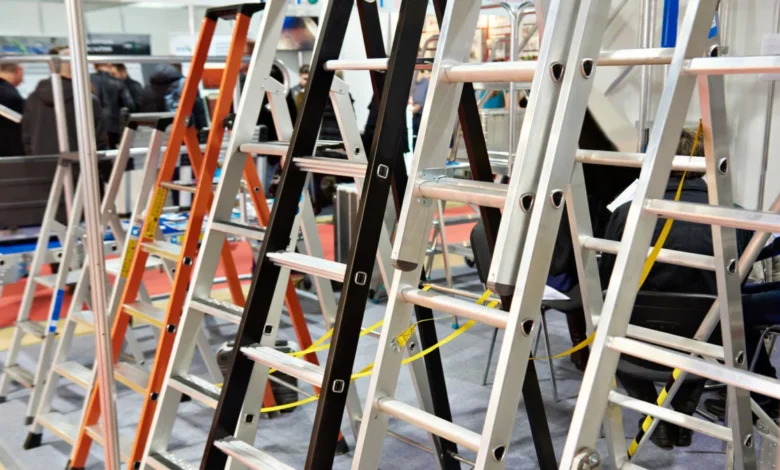
Selecting the appropriate ladder for home maintenance, construction, or do-it-yourself projects is a decision that extends far beyond budget and brand preference. Among the primary considerations for consumers is the choice of material, with fiberglass and aluminum standing out as the two most popular options on the market. While both materials offer distinct structural advantages and drawbacks, failing to match the ladder’s composition to the specific task at hand can introduce severe safety hazards. Understanding the engineering differences, conductivity properties, weight capacities, and environmental durability of fiberglass versus aluminum is essential for preventing accidents and ensuring long-term utility.
Main Facts and Material Composition
The debate between aluminum and fiberglass ladders centers on how each material performs under physical stress, environmental exposure, and proximity to electrical hazards. Aluminum ladders are constructed from lightweight metallic alloys, making them exceptionally portable and affordable. A standard 6-foot aluminum step ladder is frequently priced under $100, appealing to budget-conscious homeowners.
Conversely, fiberglass ladders are manufactured from glass-reinforced plastic—a composite material that combines glass fibers with a polymer matrix. This construction yields a rigid, non-conductive structure. A comparable 6-foot fiberglass model generally commands a higher retail price, often starting around $150. Beyond the initial cost, these two materials diverge significantly in their weight, electrical conductivity, rigidity, and maintenance requirements.
Chronology and Evolution of Ladder Safety Standards
The modern ladder industry has evolved drastically over the past century, transitioning from traditional timber framing to standardized industrial metals and advanced composites.
In the early decades of industrialization, wood was the primary material used for both residential and commercial ladders. While timber is naturally non-conductive, it is prone to rotting, splitting, splintering, and absorbing moisture, which compromised its structural integrity over time. The mid-20th century saw the widespread introduction of aluminum, celebrated for its high strength-to-weight ratio, resistance to corrosion, and ease of mass production. Aluminum quickly dominated the market for painters, contractors, and general laborers seeking lightweight equipment.
However, as electrical infrastructure expanded in homes and commercial properties, the electrical conductivity of aluminum became a critical safety liability. Incidents involving workers making inadvertent contact with overhead power lines while handling aluminum extension ladders prompted regulatory bodies, such as the Occupational Safety and Health Administration (OSHA) and the American National Standards Institute (ANSI), to implement stricter safety guidelines.
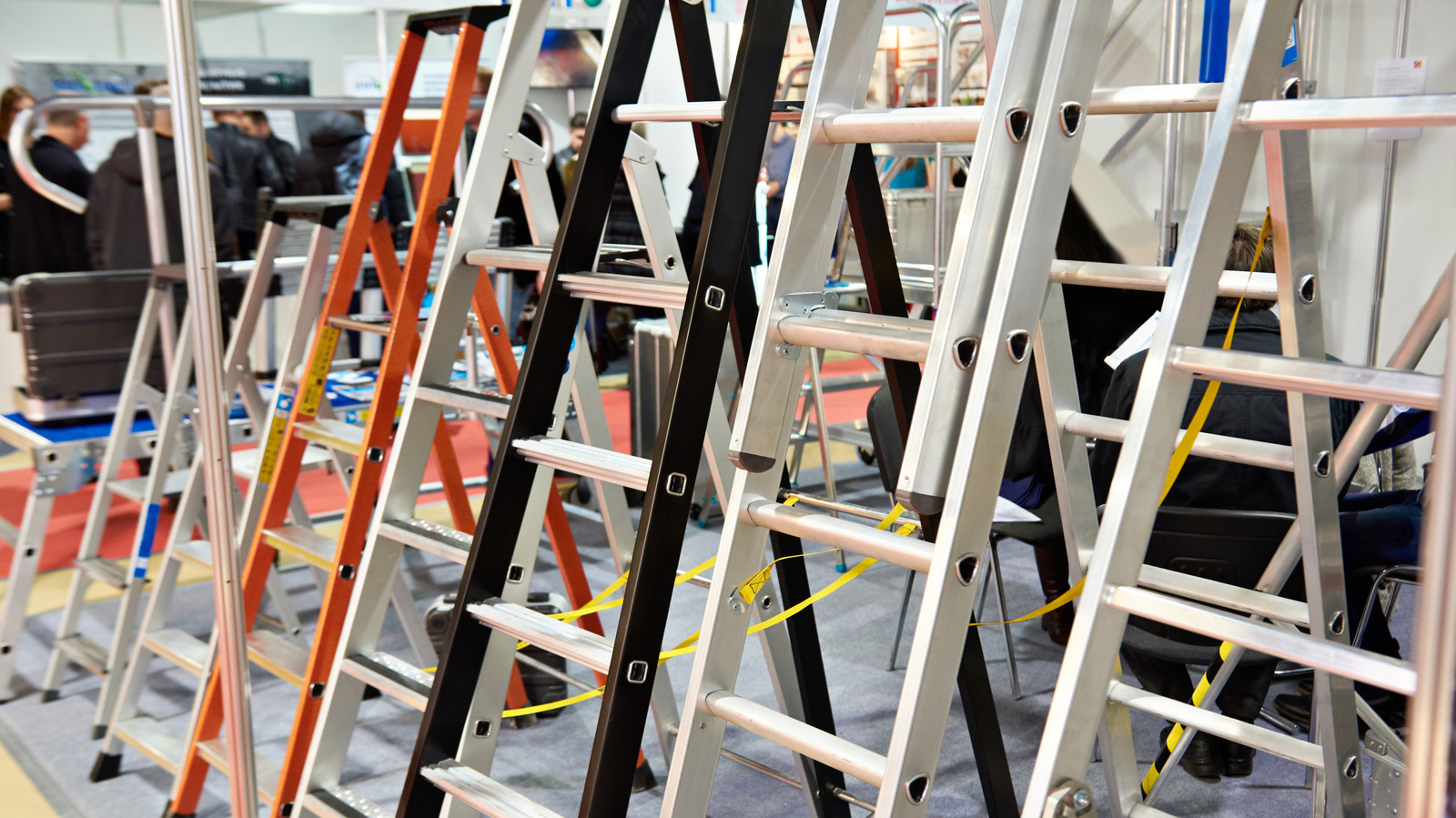
By the late 20th century, fiberglass emerged as the premier alternative for electrical and utility work. Today, ANSI sets rigorous standards—such as the A14 series—for ladder construction, testing, and duty ratings, ensuring that manufacturers adhere to strict performance metrics regardless of whether the ladder is fabricated from aluminum or fiberglass.
Supporting Data and Comparative Performance Metrics
When evaluating ladders for purchase or rental, consumers must analyze several critical performance metrics: weight, duty rating, electrical conductivity, and structural rigidity.
Weight and Portability
Aluminum remains the undisputed leader in weight reduction. Because aluminum alloys are exceptionally light, ladders made from this material are far easier to transport, load onto roof racks, maneuver through narrow hallways, and carry up flights of stairs. For individuals with limited physical strength or those who must frequently relocate their equipment across a job site, aluminum significantly reduces physical fatigue. Fiberglass ladders, by contrast, are noticeably heavier due to the density of the composite material.
Electrical Conductivity
Perhaps the most critical distinguishing factor between the two materials is electrical conductivity. Aluminum is a highly efficient conductor of electricity. If an aluminum ladder comes into contact with an energized wire, household circuit, or utility line, the current travels instantly through the frame, posing a severe risk of electrocution or death. Fiberglass, in its clean and dry state, is electrically non-conductive. This makes fiberglass ladders the mandatory choice for electricians, utility workers, and anyone performing maintenance near power lines, service panels, or internal home wiring.
Duty Ratings and Weight Capacity
Duty rating refers to the maximum safe load capacity a ladder is engineered to support, which includes the combined weight of the user, clothing, tools, and materials stored on the utility shelf. ANSI classifies ladders into distinct duty ratings:
- Type IAA (Extra Heavy Duty): 375 pounds
- Type IA (Extra Heavy Duty): 300 pounds
- Type I (Heavy Duty): 250 pounds
- Type II (Medium Duty): 225 pounds
- Type III (Light Duty): 200 pounds
While aluminum ladders can be engineered to support high weight capacities, fiberglass ladders are frequently preferred in industrial settings for their exceptional rigidity under load. Under heavy use, aluminum ladders may exhibit a noticeable amount of flex, which can cause psychological discomfort or a feeling of instability for novice users working at elevated heights. Fiberglass maintains a stiffer profile, though it is heavier to manage.
Durability and Environmental Resilience
Environmental factors also dictate the lifespan of a ladder. Aluminum will not rust because it lacks iron, but it is susceptible to denting, bending, or structural compromise if subjected to a heavy impact. Furthermore, aluminum can become dangerously hot if left exposed to direct sunlight for extended periods.
Fiberglass holds up remarkably well against moisture and chemical exposure, making it resilient in wet or corrosive environments. However, prolonged exposure to ultraviolet (UV) radiation can cause the resin in fiberglass to degrade over time—a phenomenon known as "fiberglass bloom," where microscopic glass fibers become exposed on the surface, potentially causing skin irritation upon contact.
Official Guidelines and Safety Recommendations
Safety organizations and industry experts consistently emphasize that ladder selection must be dictated by the nature of the work environment rather than convenience or upfront cost alone.
According to safety guidelines issued by federal agencies and trade associations, users must conduct a comprehensive site assessment before commencing any elevated work. Key safety recommendations include:
- Never use an aluminum ladder outdoors during a thunderstorm or high winds, as the metal can act as a lightning rod.
- Strictly prohibit aluminum ladders near electrical sources. Even painters working near exterior service drops or residential wiring must utilize fiberglass equipment to eliminate the risk of arc flash or electrocution.
- Inspect equipment regularly. Aluminum ladders should be checked for cracks, bent rungs, and compromised locking mechanisms. Fiberglass ladders must be inspected for surface cracking, UV degradation, and splintering resin.
- Calculate total load accurately. Users must factor in the weight of heavy tool belts, power tools, and building materials when selecting a ladder that aligns with the appropriate ANSI duty rating.
Broader Impact and Implications for Consumers
The choice between a fiberglass and an aluminum ladder carries significant implications for personal safety, financial investment, and operational efficiency in both residential and commercial sectors.
In the consumer market, the proliferation of big-box home improvement retailers has made purchasing ladders accessible to millions of amateur DIYers. However, the abundance of choices often leads to uninformed buying decisions driven primarily by price point. Industry analysts note that educating consumers on the hidden hazards of metal conductivity is a vital public safety objective. When homeowners purchase inexpensive aluminum ladders for general tasks without realizing the dangers of working near domestic power lines, the potential for catastrophic accidents increases.
For commercial contractors, the implications are operational and financial. OSHA regulations hold employers strictly accountable for providing appropriate safety equipment suited to specific job hazards. Utilizing an incorrect ladder type can result in severe regulatory fines, workplace injuries, and costly litigation. Consequently, many professional contracting firms mandate fiberglass ladders as standard inventory for general-purpose use, reserving specialized equipment for specific structural applications.
For individuals who require a ladder only infrequently, industry experts increasingly recommend exploring rental options through major home improvement centers or local tool-hire companies. Renting allows consumers to access high-grade, specialized fiberglass or extension ladders for specific projects—such as roof repairs or second-story painting—without incurring the long-term storage, maintenance, and safety management burdens of ownership. Ultimately, whether purchasing or renting, prioritizing material suitability over cost is a critical step in mitigating the inherent risks associated with working at height.
Related posts: