Car Batteries Can Be More Dangerous Than You Think – Here’s What Can Hurt You

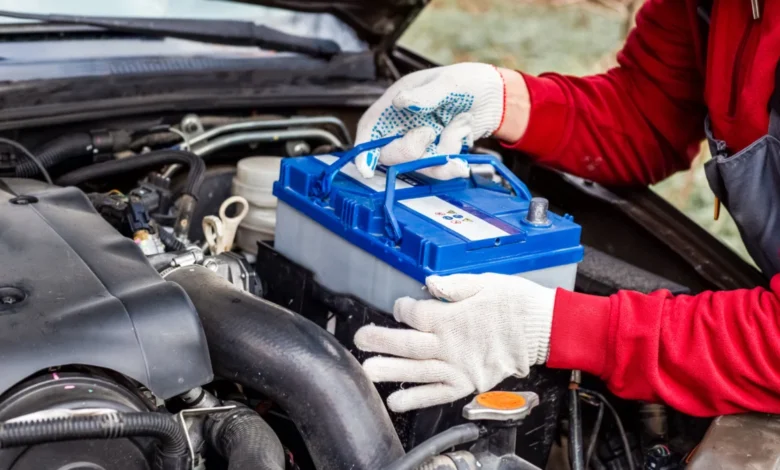
When everyday vehicle maintenance comes to mind, most motorists immediately focus on changing the oil, checking tire pressure, or replacing worn-out brake pads. Far less attention is typically directed toward the under-hood powerhouse that makes ignition possible in the first place: the car battery. For decades, the dominant cultural assumption regarding automotive batteries has centered on the mild inconvenience of a dead starter or the minor hazard of an electric shock. However, automotive safety organizations, medical professionals, and industrial hygienists warn that standard lead-acid and modern absorbent glass mat (AGM) batteries present hazards that extend far beyond simple voltage.
Far from being inert plastic boxes filled with heavy metal, standard automotive batteries are complex electro-chemical systems. According to safety data sheets from major manufacturers like Interstate Batteries and historical injury tracking from the National Highway Traffic Safety Administration (NHTSA), car batteries harbor substances categorized as explosive, corrosive, toxic, and carcinogenic. A comprehensive look at the physical mechanics of car batteries reveals that electric shock is arguably the least pressing concern. Instead, motorists face distinct chemical, thermal, and atmospheric threats every time they pop the hood.
Understanding the Mechanics and Evolution of Battery Technology
The standard automotive battery has remained a fixture of internal combustion engine vehicles for generations. Traditionally, these have been flooded lead-acid batteries, which rely on liquid electrolyte solutions to facilitate the flow of electrons between lead plates. In recent years, however, the automotive market has seen a significant shift toward absorbent glass mat (AGM) technology. AGM batteries are engineered to be more durable, offer deeper cycling capabilities, and withstand the rigorous electrical demands of modern start-stop vehicles and onboard computer systems. Because AGM designs utilize specialized fiberglass mats to absorb the liquid electrolyte, they lack the "sloshy" liquid interior associated with traditional batteries, reducing the risk of sudden acid spills during a collision.
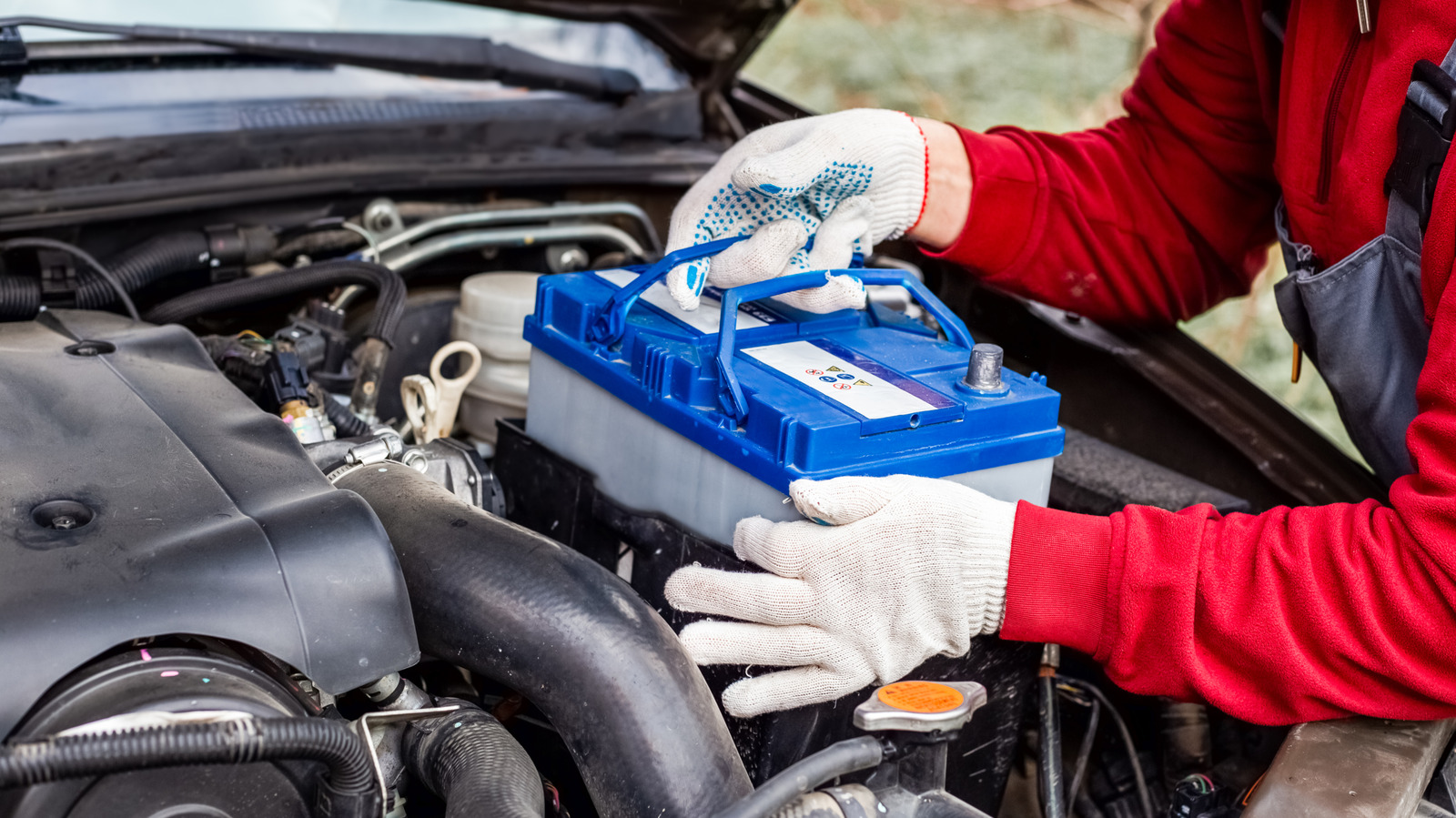
Despite these technological advancements, both traditional lead-acid and modern AGM batteries share underlying material risks. Whether liquid or absorbed, the chemical interaction required to generate 12 volts of direct current inherently involves volatile elements. The National Highway Traffic Safety Administration has historically cataloged a wide array of battery-related injuries, ranging from chemical burns and ocular trauma to contusions and lacerations sustained during handling and installation. While the letters and cold-cranking amp ratings printed on battery labels provide crucial specifications for vehicle compatibility, they do not communicate the full spectrum of physical hazards waiting beneath the casing.
The Corrosive Threat of Sulfuric Acid
At the core of the traditional lead-acid battery is dilute sulfuric acid, commonly referred to as battery acid. This solution typically consists of 29% to 32% concentrated sulfuric acid mixed with distilled water, acting as the electrolyte that reacts with lead plates to produce an electrical charge. While "dilute" may imply a level of safety, this concentration is profoundly dangerous to both organic tissue and metallic structures.
The corrosive nature of sulfuric acid is legendary among mechanics and body shop technicians. When a battery is compromised—whether through a crack, a manufacturing defect, or improper securing—the results can be catastrophic. For instance, in severe automotive collisions, an unsecured battery can dislodge from its compartment, spilling its contents onto the vehicle’s structural frame. Sulfuric acid rapidly attacks steel and iron, capable of eating completely through floor pans and structural chassis components over time.
For human tissue, the consequences are even more immediate. According to medical resources provided by MedlinePlus, a service of the National Library of Medicine and the National Institutes of Health, contact with sulfuric acid causes immediate and severe localized pain. Dermal exposure results in deep chemical burns and tissue destruction. Ingestion of the substance—though rare—leads to catastrophic internal injuries, including esophageal burns, severe gastrointestinal swelling, and violent vomiting. Furthermore, inhaling sulfuric acid mists can severely irritate the respiratory tract, causing lasting pulmonary damage.
Lead Toxicity and Environmental Concerns
Beyond the liquid electrolyte, the physical mass of a car battery consists largely of lead and lead dioxide. These elements are indispensable for the chemical reactions that power vehicles, but they present severe public health and environmental risks. In a functioning, sealed battery, the lead remains safely contained. However, damaged or degrading units can leach toxic heavy metals into the surrounding environment.
The danger of lead exposure is particularly acute during the recycling and dismantling processes. While everyday vehicle owners rarely attempt to break down an old battery themselves, the sheer volume of spent automotive batteries worldwide makes proper recycling protocols essential. According to international environmental health assessments, improper or informal recycling of lead-acid batteries accounts for approximately one-third of all global lead poisoning cases. When batteries are melted down in unregulated facilities without proper ventilation and safety gear, airborne lead particles and soil contamination threaten local communities, posing severe developmental risks to children and long-term neurological risks to adults.
This reality underpins the automotive retail industry’s standard core-charge policy. When consumers purchase a new car battery, retailers invariably collect the old unit. This system is not merely designed to recover raw materials; it is a critical waste-management safeguard intended to route hazardous heavy metals into certified recycling streams, keeping toxic lead out of municipal landfills and home garages.
The Invisible Hazard of Hydrogen Sulfide Gas
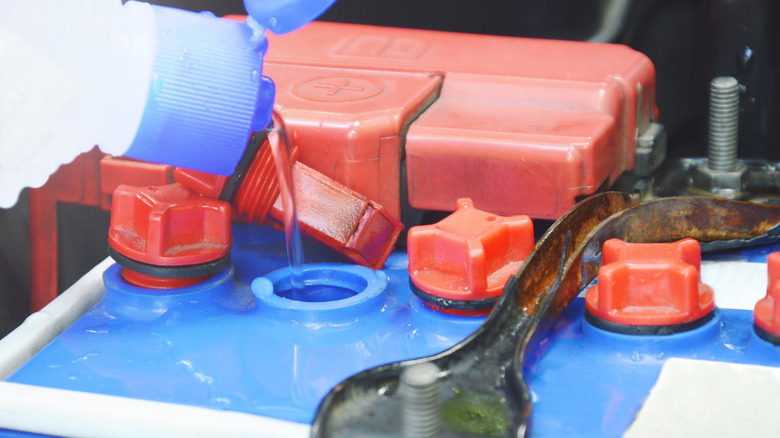
While physical contact hazards are readily apparent, car batteries can also emit silent, invisible dangers into the air. A sulfurous, rotten-egg odor is widely recognized by drivers as a classic symptom of a dying or overcharged battery. This odor is caused by the emission of hydrogen sulfide gas, a volatile compound that presents significant health and safety risks.
Hydrogen sulfide is a colorless, highly flammable gas that can cause a range of physiological symptoms depending on the concentration and duration of exposure. Low-level exposure typically triggers headaches, dizziness, nausea, and eye irritation. However, high concentrations can lead to rapid unconsciousness and death. While industrial settings such as oil refineries, paper processing plants, and underground mines are more commonly associated with hydrogen sulfide hazards, malfunctioning automotive charging systems can cause a battery to vent the gas directly into the engine compartment or vehicle cabin.
Although severe hydrogen sulfide poisoning from automotive sources is statistically rare, documented medical literature highlights its potential severity. Case studies published in publications such as the American Journal of Respiratory and Critical Care Medicine have detailed instances where individuals suffered acute poisoning from defective car batteries. Because there is no universal antidote for hydrogen sulfide poisoning, the medical prognosis in severe cases can be poor. Consequently, automotive experts advise motorists never to ignore unusual chemical odors emanating from beneath the hood or inside the passenger compartment.
Electrothermal Burns Caused by Conductive Metals
One of the most persistent misconceptions regarding automotive batteries is the danger of electrocution. A fully charged automotive battery typically operates at approximately 12.6 volts. While this voltage is sufficient to spark a motor or power headlights, human skin offers enough electrical resistance at low voltages to prevent a lethal current from passing through the body. Under normal circumstances, touching the terminals of a car battery will not result in a fatal electrical shock, and many people handle batteries safely bare-handed.
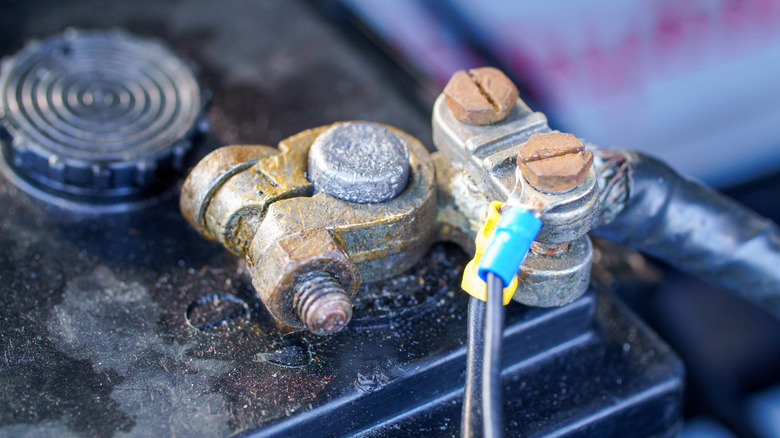
However, electrical energy can still cause severe injuries through a different mechanism: electrothermal burns. The electrical output of a car battery is measured in hundreds of cold-cranking amps (CCA), meaning it can discharge an enormous amount of electrical current in a fraction of a second if a low-resistance path is created.
Medical journals, including the orthopedic publication Orthopedics, have documented horrific injuries sustained when individuals wear conductive jewelry, such as wedding bands or metal bracelets, while working under the hood. In one prominent case study, a mechanic holding a wrench accidentally bridged the gap between the wrench, a gold ring on his finger, and the negative battery terminal. The massive surge of electrical current instantly heated the metal ring to extreme temperatures, resulting in a severe partial-thickness annular burn around the finger. The injury was so profound that the patient ultimately required extensive surgical intervention and full-thickness skin grafts to restore tissue integrity. The clear consensus from these medical findings is absolute: all rings, watches, and metallic accessories should be removed before undertaking any electrical or mechanical work on a vehicle.
The Risk of Battery Explosions and Fire
The hazards of chemical corrosion, toxic metals, toxic gasses, and electrical resistance converge in the ultimate worst-case scenario: a sudden battery explosion or under-hood fire. The primary culprit behind these catastrophic failures is hydrogen gas and hydrogen sulfide generated during the charging process, combined with the oxidizing properties of lead dioxide components inside the battery casing.
When a battery is overcharged or subjected to a rapid influx of current—such as during improper jump-starting—it can generate flammable gasses faster than they can safely dissipate. If these gasses encounter even a microscopic spark, the results can be devastating.

Historical literature, such as findings published in the Journal of the American Institute of Chemists, details industrial and consumer accidents where minor actions, such as applying a battery tester or connecting jumper cables in the incorrect sequence, produced a spark that detonated the accumulated gasses inside the battery housing. These explosions routinely shatter the plastic casing, spraying concentrated sulfuric acid outward at high velocity and propelling sharp plastic shrapnel. Documented victims of such accidents have suffered permanent facial scarring, severe chemical burns to the eyes, and lifelong hearing damage from the concussive blast.
Best Practices for Automotive Battery Safety
Given the multifaceted risks associated with car batteries—ranging from chronic environmental toxicity to acute explosive hazards—automotive safety advocates emphasize that batteries deserve a high degree of respect and careful handling. Minimizing these risks requires adherence to basic preventive maintenance and safety protocols.
Motorists should routinely inspect their vehicle’s battery compartment to ensure the unit is securely mounted, preventing the physical shifting that leads to container fractures and acid leaks. Batteries should be checked periodically for signs of physical swelling, terminal corrosion, or cracking. When replacement is necessary, drivers must ensure they select the correct physical size and electrical capacity specified for their vehicle make and model.
Furthermore, strict adherence to proper jump-starting procedures—such as connecting the negative jumper cable to an unpainted engine block rather than the dead battery’s negative terminal—greatly reduces the likelihood of an explosive spark. By combining routine visual inspections, prompt attention to unusual chemical odors, the removal of conductive jewelry during maintenance, and the mandatory use of certified recycling centers for old units, vehicle owners can effectively navigate the hidden dangers lurking under their hoods.