Navigating the Trust Recession: Why Authenticity is the Ultimate Currency for Brands on Social Media in 2026

The modern digital marketplace is undergoing a profound psychological shift, one defined not by a shortage of content, but by a severe surplus of skepticism. According to data released in Sprout Social’s Q3 2026 Pulse Survey, authenticity has firmly established itself as the single most important brand characteristic on social media. Yet, as feeds become increasingly saturated with synthetic material, automated text, and manufactured experiences, modern consumers are experiencing what industry analysts term a "trust recession."
This widening chasm between corporate messaging and consumer belief presents a formidable hurdle for businesses worldwide. Recent data paints a stark picture of shifting consumer attitudes: Sprout’s Q1 2026 Pulse Survey revealed that an alarming 35% of users trust social media platforms less than they did just one year prior. As artificial intelligence continues to blur the line between genuine human moments and algorithmically generated media, audiences are demanding a higher standard of radical transparency, accountability, and genuine connection from the corporations they patronize.
The anatomy of this crisis was the focal point of Sprout Social’s landmark webinar, "Be So FR: 2026’s Social Midyear Reality Check." Industry leaders and digital marketers gathered virtually to dissect the mechanics of audience skepticism, concluding that brands can no longer rely on polished, corporate-speak or detached advertising campaigns. Survival and growth in the current digital ecosystem require a fundamental restructuring of how companies show up online, who they partner with, and how rapidly they respond when things go awry.
The Evolution of Discovery: Why Trust is Forged on Social Media First
Decades ago, brand discovery typically followed a linear path: a consumer saw a television commercial, visited a brick-and-mortar storefront, or browsed an official corporate website before making a purchasing decision. Today, that journey has been entirely upended by social media. Long before a potential buyer ever visits a brand’s landing page, they encounter the company organically through another user’s post, scroll through comment sections for peer reviews, and pose direct questions to community forums.

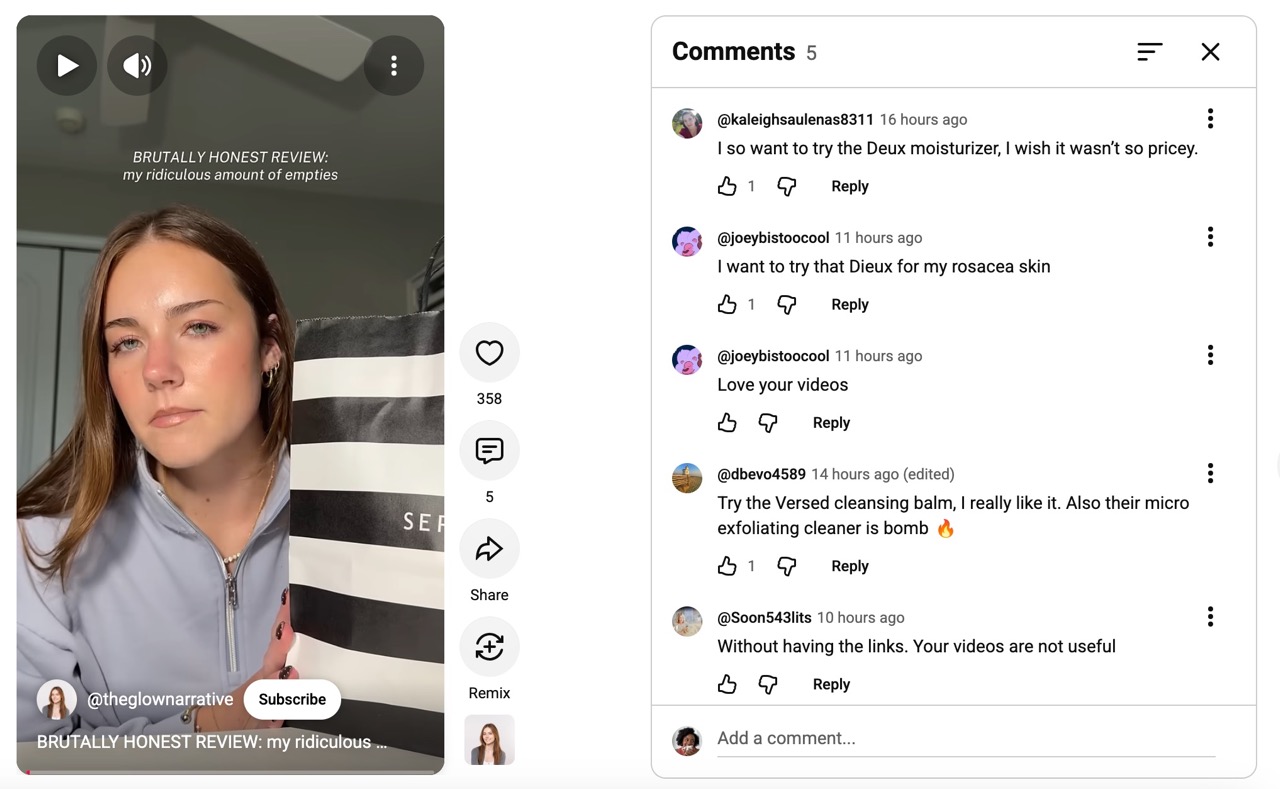
These peer-to-peer interactions form the bedrock of modern consumer trust. Sprout Social’s 2026 Pulse data underscores that social media has become the primary search engine for product discovery, cultural trends, and crisis navigation. When a prospective buyer views a skincare review by a creator like @theglownarrative, they are rarely consuming the content in a vacuum. Instead, they dive deep into the comments to evaluate real-time pricing debates, troubleshoot skin sensitivities, and weigh alternative product recommendations.
This behavior highlights a critical paradigm shift: modern audiences trust third-party validation far more than direct brand advertising. When brands strategically partner with creators who offer honest, firsthand accounts of their products, they borrow that creator’s hard-earned credibility. Conversely, when a brand missteps, the public forum acts as an immediate and unforgiving tribunal. Sprout’s Q2 2026 Pulse Survey highlights that consumers overwhelmingly encounter news of a brand crisis on social media first—and 64% of respondents firmly believe that companies must issue public responses directly on social platforms rather than hiding behind traditional press releases or static website statements.
The Pillars of Credibility: Analyzing the Core Trust Builders
Building and sustaining audience confidence cannot be achieved through sporadic PR campaigns or temporary damage control. It requires a daily commitment to four operational pillars: consistency, responsiveness, transparency, and empirical proof. When executed correctly, these behaviors act as powerful growth levers, transforming casual followers into fiercely loyal brand advocates. When neglected, they become systemic liabilities.
| Trust Builder | Core Principle | Trust Breaker | Common Pitfall |
|---|---|---|---|
| Consistency | Maintain a recognizable voice and follow through on stated brand values. | Chase misaligned trends or make empty promises unsupported by actions. | Sounding corporate one day and overly casual the next without strategic cohesion. |
| Responsiveness | Acknowledge inquiries promptly with actionable answers and clear next steps. | Ignore consumer grievances or issue robotic, generic reply templates. | Failing to meet modern speed expectations, particularly during critical service outages. |
| Transparency | Disclose AI-generated assets and paid sponsorships openly while owning mistakes. | Conceal commercial relationships or pass off synthetic content as genuine human experiences. | Hiding behind ambiguous disclosures or dodging public accountability during crises. |
| Proof | Showcase authentic user experiences, expert employee insights, and verified reviews. | Rely on unsubstantiated claims or celebrity endorsements devoid of product familiarity. | Pushing product perfection without backing up claims through data or community validation. |
The Imperative of Speed and Responsiveness
In an era of hyper-connectivity, patience has eroded. Sprout’s Q3 data reveals that 38% of consumers expect a customer care response from a brand within two hours, with 14% demanding a reply within a matter of minutes.
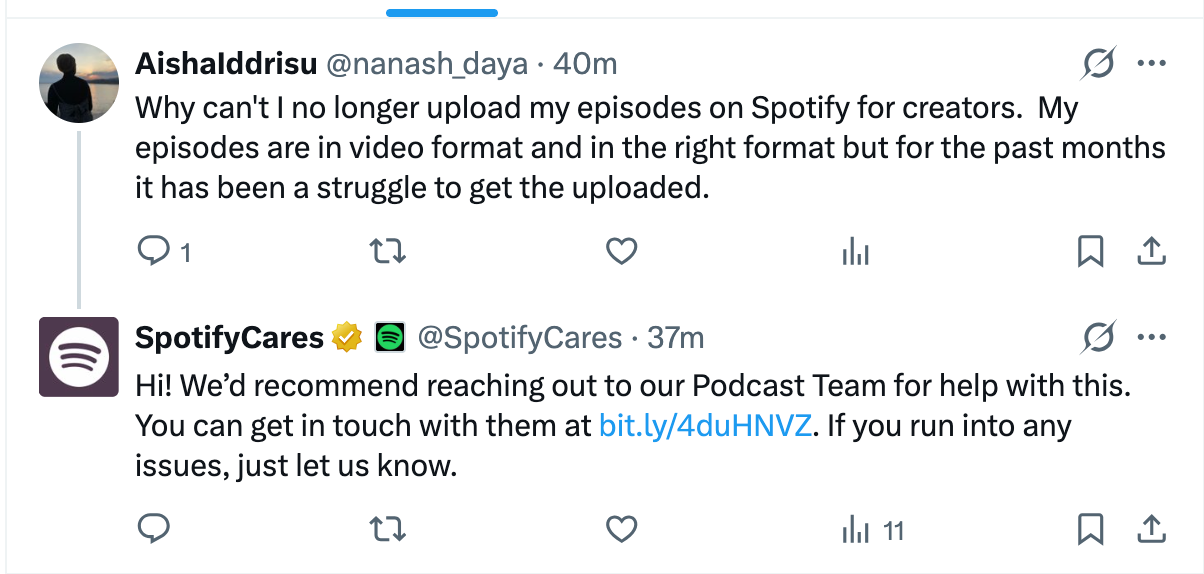
Exemplifying this high standard is corporate accounts like SpotifyCares on X (formerly Twitter), which routinely addresses creator upload errors within minutes, diagnoses the root issue, routes the user to the appropriate internal team, and invites open-ended follow-up. This level of agility demonstrates that a brand views its audience as human beings rather than mere conversion metrics. During high-stakes crises, this speed is non-negotiable; acknowledging an issue promptly, detailing what is known, and establishing a clear timeline for updates dictates whether a brand maintains its reputation or suffers irreversible churn.
Navigating the AI Transparency Dilemma
The rapid proliferation of generative artificial intelligence has introduced a complex ethical challenge for digital marketers. While AI tools offer unprecedented efficiencies in content scaling, consumers have grown deeply weary of deceptive automation. Sprout’s Q1 Pulse Survey found that 28% of consumers want brands to immediately cease posting AI-generated content without explicit, clear labeling.
To maintain integrity, forward-thinking brands are adopting a hybrid model: utilizing AI for initial ideation or operational streamlining while mandating rigorous human review before publication. Disclosing synthetic elements is no longer just a regulatory precaution; it is a vital psychological safeguard that prevents audience alienation.
Five Actionable Strategies to Cultivate Authentic Brand Trust
For organizations looking to reverse the trust recession and foster sustainable, community-driven growth, theoretical frameworks must translate into concrete operational steps. Industry analysts recommend five strategic initiatives for modern marketing teams:
1. Strip Away the Corporate Veneer
Consumers are suffering from profound fatigue regarding overly polished marketing language. Sprout’s Q3 data indicates that 26% of consumers want brands to sound less corporate, while 24% want them to be distinctly less sales-focused. Marketing teams must audit their recent outputs, replacing sterile stock terminology with direct, informative language that highlights the real people behind the enterprise. Before jumping on viral internet trends, brands must evaluate whether the trend authentically aligns with their core identity.
2. Leverage Social Listening to Close the Feedback Loop
True authenticity requires listening just as much as broadcasting. By utilizing advanced analytics platforms like Sprout Social Listening, organizations can track cross-platform conversations, analyze sentiment shifts, and identify unmet consumer needs that never reach direct customer support channels.
When recurring patterns emerge—such as widespread customer confusion over software setup or product pricing—brands must translate these insights into actionable operational changes. Crucially, companies must close the loop by publicly communicating how audience feedback directly influenced product updates or policy revisions.
3. Vet Influencer Partnerships Beyond Follower Counts
The era of chasing vanity metrics, such as millions of inactive followers, is rapidly drawing to a close. Sprout’s 2026 Influencer Marketing Report highlights that 47% of consumers base their decision to follow a creator on topical expertise and niche relevance, compared to a mere 17% who prioritize raw follower counts.
Brands must meticulously vet potential partners by reviewing past sponsorships, scrutinizing disclosure practices, and assessing historical responses to criticism. Utilizing automated evaluation tools, such as Sprout’s Influencer Marketing platform and custom Brand Safety Reports, allows brands to safeguard their reputation while ensuring creators retain the creative freedom necessary to deliver genuine product demonstrations.
4. Amplify Employee Voices and User-Generated Content
Modern consumers place the highest degree of trust in everyday users (57%) over traditional experts or mega-influencers. Brands can capitalize on this by encouraging customers to share their personal use cases and subsequently amplifying that user-generated content (UGC).
Concurrently, internal stakeholders represent a massive, underutilized trust asset. Sprout’s data shows that 46% of consumers most want to hear from frontline employees who understand the product mechanics intimately. To maintain ethical standards, forward-thinking companies ensure employee advocacy is strictly voluntary and adequately compensated, reflecting the reality that employee endorsement carries professional weight.

5. Cultivate Active Communities Over Passive Audiences
Building a sustainable brand requires moving beyond transactional audience acquisition to foster genuine community ecosystems. By providing digital spaces where individuals can exchange industry advice, share creative projects, or collaborate on problem-solving, brands transform into cultural hubs.
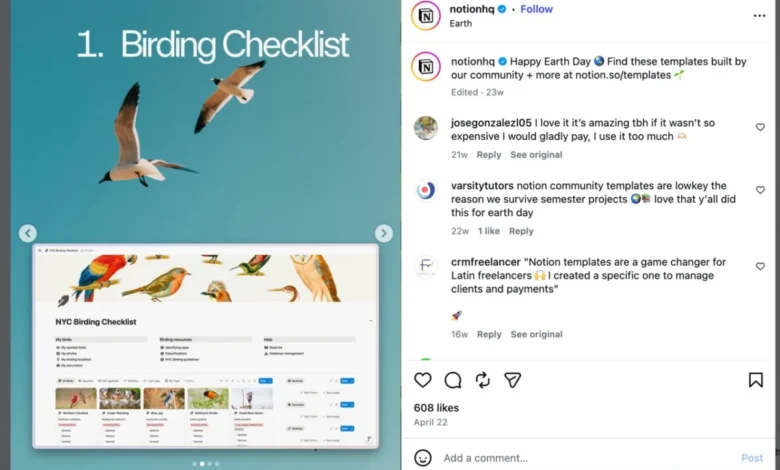
A prime example of this is software platform Notion’s community-centric campaigns, which routinely spotlight user-built templates and resources, granting community contributions high-level visibility. When brands celebrate their users’ ingenuity, they foster a reciprocal relationship built on mutual respect and shared utility.
Broader Implications and the Road Ahead
The overarching takeaway from Sprout Social’s 2026 findings is clear: trust is no longer a peripheral marketing metric; it is the fundamental infrastructure upon which modern commercial longevity is built. As artificial intelligence evolves and digital channels become increasingly noisy, consumers will continue to migrate toward brands that prioritize radical transparency, lightning-fast accountability, and uncompromising human connection.
For corporate leadership, navigating the trust recession demands an inward evaluation of every digital touchpoint. By asking whether daily social interactions genuinely help consumers make informed decisions, resolve concerns, or fulfill promises, businesses can realign their strategies with modern consumer expectations. In a marketplace defined by skepticism, authenticity is no longer just a differentiator—it is the ultimate prerequisite for survival.