Meta Officially Launches the Creator Marketing Hub to Streamline Brand and Creator Partnerships


Meta has officially rolled out its newly revamped Creator Marketing Hub, marking a significant milestone in how brands and content creators connect, collaborate, and execute promotional campaigns across Facebook and Instagram. First teased back in June, the platform went live on Tuesday, offering a centralized user interface (UI) designed to simplify the traditionally fragmented process of influencer marketing. By housing discovery, evaluation, outreach, and campaign management tools under a single digital roof, Meta aims to bridge the gap between commercial enterprises and digital creators, fostering a more streamlined ecosystem for paid partnerships.
The launch of the Creator Marketing Hub comes at a crucial time for the digital advertising industry. As influencer marketing continues to command billions of dollars in global ad spend, brands increasingly demand efficiency, transparency, and scalable measurement tools. Meta’s latest infrastructure update addresses these demands head-on, providing marketers with advanced capabilities to identify the right talent, communicate seamlessly, and integrate creator content directly into paid media strategies.
A Centralized Hub for Discovery and Outreach
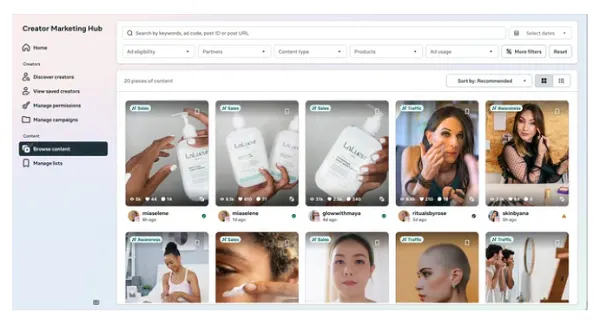
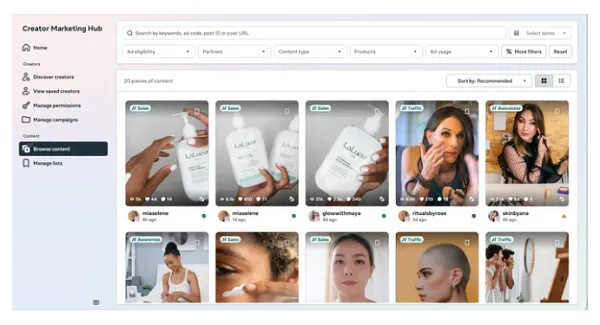
At the core of the newly launched Creator Marketing Hub is a consolidated dashboard that brings together Meta’s comprehensive suite of discovery and outreach options. Previously, marketers often had to navigate multiple interfaces, disjointed analytics tools, and external software to identify talent and negotiate terms. The new UI eliminates much of this friction by centralizing these workflows.
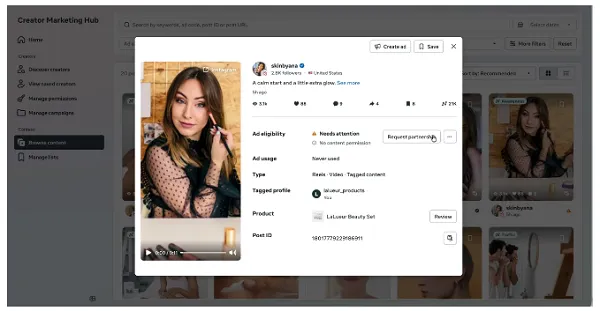
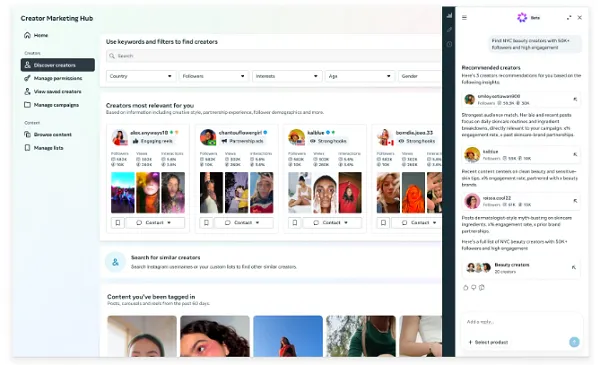
Central to this setup is the integration of direct partnership messaging. Brands can now transition effortlessly from discovering a creator’s content to initiating direct outreach entirely in-stream. This reduces administrative lag time and accelerates the initial stages of campaign development. Furthermore, Meta has embedded its Meta AI business assistant chatbot directly into the hub. Marketers can leverage this conversational AI tool to assist with creator discovery, using natural language prompts to find profiles that align with specific campaign criteria, target demographics, and brand values.
Expanding API Connectivity and Third-Party Integration
Beyond the proprietary dashboard, Meta is significantly expanding its Application Programming Interface (API) connectivity to empower third-party marketing tools and agencies. These enhancements are designed to bring external platforms up to parity with Meta’s native capabilities, offering enterprise-level marketers greater flexibility in how they manage creator campaigns.

Key updates include the integration of Facebook and Instagram creators into the Creator Marketplace API, alongside an updated Messaging API designed to streamline communications. Additionally, Meta is expanding its Content Discovery API. According to official statements from the company, this expansion brings content discovery and evaluation on par with Meta’s own internal tools.
Within the updated API, certified partners and enterprise tools will receive intelligent recommendations highlighting top-performing organic creator content. The system incorporates advanced filtering options, granular keyword search capabilities, deep organic insights, and clear indicators showing which pieces of content are immediately eligible to run as paid advertisements. By opening these data streams to third-party developers, Meta is ensuring that brands utilizing external creator management software can tap into the same robust analytical insights as those using the native Creator Marketing Hub.
Bringing Live Video Ads to Instagram
In tandem with the Creator Marketing Hub launch, Meta is introducing a major new advertising format: live video ads for Instagram. Set to roll out officially on September 29, this feature enables brands to sponsor a creator’s livestream in real time.
Live video has long been recognized as one of the most engaging mediums on social media, fostering high levels of real-time interaction between creators and their audiences. By introducing ads into this environment, Meta is providing brands with a unique opportunity to capture viewer attention during high-intent moments. This capability is expected to serve as a powerful complement to product launches, exclusive announcements, and real-time promotional events, leveraging the psychological immediacy of live broadcasting to drive consumer interest and conversion.
The Evolution of Meta’s Creator Ecosystem: A Timeline of Strategic Shifts
To fully understand the significance of the Creator Marketing Hub, it is necessary to examine the broader trajectory of Meta’s creator strategy over recent years. As competition from platforms like TikTok intensified, Meta intensified its focus on retaining and monetizing top-tier talent.
- Late 2021 to 2022: Facing rapid shifts in user consumption toward short-form video, Meta introduced various monetization tools, including Reels Play bonuses and brand collaboration portals, attempting to secure creator loyalty.
- Early 2023: Meta began restructuring its business tools, periodically sunsetting standalone applications—such as the legacy Facebook Creator Studio—while migrating core functionalities into the Meta Business Suite.
- June 2024: Meta first previewed the updated Creator Marketing Hub during industry events, signaling a renewed commitment to formalizing and simplifying brand-creator relationships.
- September 2024: Following months of closed beta testing and developer refinements, Meta officially launched the hub alongside API expansions and the upcoming rollout of Instagram Live video ads.
This chronological progression demonstrates Meta’s deliberate shift from fragmented, experimental creator tools toward a unified, enterprise-grade commercial infrastructure.
Industry Implications and Strategic Analysis
The introduction of the Creator Marketing Hub and its associated API expansions carry profound implications for the digital marketing landscape. From an operational standpoint, brands and agencies stand to save considerable time and resources. By automating discovery through AI and streamlining communication via integrated messaging, Meta is lowering the barrier to entry for small-to-medium businesses (SMBs) looking to engage in influencer marketing, while simultaneously providing enterprise brands with the scalability they require.
Furthermore, the expansion of the Content Discovery API highlights Meta’s recognition that the creator economy does not operate in a vacuum. By empowering third-party software providers with robust data feeds, Meta ensures that its ecosystem remains indispensable to marketers who rely on specialized external tech stacks.
However, challenges remain. As more brands flood social platforms with sponsored content and creator partnerships, maintaining authenticity—the core currency of the creator economy—will be paramount. Marketers will need to use Meta’s advanced discovery filters not just to find reach, but to ensure cultural alignment with the creators they sponsor.
Looking Ahead
As the digital advertising market continues to evolve, platforms are increasingly judged by their ability to provide end-to-end solutions that connect creative talent with commercial capital. With the rollout of the Creator Marketing Hub, the expansion of developer APIs, and the introduction of Instagram live video ads, Meta has reinforced its position as a central player in the global creator economy.
Industry observers will be closely monitoring adoption rates following the September 29 rollout of Instagram live ads and evaluating how effectively the new hub simplifies campaign execution in the final, highly competitive quarters of the fiscal year.