Gen Z in the Visual Effects Industry: Navigating Innovation, Artificial Intelligence, and Workplace Evolution

The visual effects (VFX) industry has long been characterized by rigorous production schedules, rapid technological turnover, and a culture of relentless dedication. As Generation Z—individuals born between 1997 and 2012—enters the global workforce, the traditional dynamics of entertainment production studios are undergoing a significant shift. Often generalized by popular media as demanding unreasonable workplace flexibility or prioritizing leisure over productivity, young professionals in the VFX sector present a far more nuanced reality. Emerging artists from studios such as Industrial Light & Magic (ILM), Digital Domain, Framestore, DNEG, and Wētā FX are challenging prevailing stereotypes, demonstrating a deep commitment to their craft while adapting to an industry transformed by post-pandemic economic realities, global labor strikes, and the rapid ascent of artificial intelligence.
Background Context and Industry Evolution
To understand the current professional landscape for young VFX artists, it is necessary to examine the macro-economic conditions that have shaped the entertainment industry over the past decade. The period between 2020 and 2026 introduced unprecedented volatility to global filmmaking. The COVID-19 pandemic severely disrupted physical production pipelines, forcing studios to rapidly adopt remote and hybrid work models. Concurrently, geopolitical shifts such as Brexit introduced complex legal and visa hurdles for international artists seeking employment in major hubs like London, Vancouver, and Los Angeles.
Furthermore, the industry-wide Hollywood labor strikes of 2023—led by the Writers Guild of America (WGA) and SAG-AFTRA—halted theatrical productions for months, triggering widespread layoffs, contract cancellations, and extreme financial insecurity for junior artists who lacked the seniority to weather prolonged downtime. Despite these systemic shocks, the VFX workforce has experienced a generational turnover. Younger artists entering the field today are not merely reacting to the industry’s historical flaws; they are actively participating in its restructuring.
Chronology of Entry: From Childhood Fascination to Professional Reality
The path to a career in visual effects rarely begins in a university lecture hall; rather, it is typically forged during childhood through early exposure to cinema, gaming, and digital art. For many Gen Z artists, cinematic milestones served as the foundational catalyst for their professional ambitions.
For Jiwon Chun, a texture artist at ILM, childhood hours spent dissecting sci-fi and fantasy films through behind-the-scenes documentaries planted the seeds for a technical career. Similarly, DNEG FX artist Balthazar Bourguignon traces his professional trajectory back to age ten, when viewing complex computer-animated features like Final Fantasy VII: Advent Children inspired a lifelong dedication to digital storytelling.
Other professionals arrived via interdisciplinary routes. Francesca Armstrong, a Lighting Technical Director at Wētā FX, initially pursued computer science before realizing that coding could serve as a bridge into the creative arts. For Armstrong, visual effects offered a rare intersection where technical problem-solving and aesthetic execution were mutually inclusive. Meanwhile, artists like Max Popovych, a compositor at Digital Domain, benefited from familial exposure, learning foundational compositing techniques directly from a parent already established in the industry.
The Transition from Academia to the Workforce
Entering the professional sphere following the height of the COVID-19 pandemic presented formidable obstacles. Camille Garlaschi, a previs artist at Framestore, graduated college shortly after the implementation of post-Brexit immigration policies and pandemic-related economic contractions. As a French citizen aiming to secure employment in London, Garlaschi encountered a severely restricted job market with limited junior-level openings.
"When the strikes happened, I saw a lot of fellow artists lose their jobs—which is especially hard on people who rely on a work visa," Garlaschi notes, highlighting the precarious legal standing of foreign talent during industry downturns.
This instability has forced a rapid maturation among younger staff. Léa Desrozier, an environment generalist at DNEG, admits that academic programs frequently fail to prepare students for the inherent volatility of production cycles. Short-term contracts, shifting studio slates, and fluctuating budgets require a level of adaptability that is rarely taught in traditional classrooms. Max Popovych echoes this sentiment, emphasizing that career longevity in modern VFX relies less on institutional job security and more on continuous self-adaptation, professional accountability, and resilience.
Redefining Work-Life Balance and Collaborative Culture
While older generations often view Gen Z’s emphasis on work-life balance with skepticism, younger artists maintain that boundary-setting is essential for long-term creative sustainability. Rather than signaling a lack of dedication, setting firm boundaries is viewed as a necessary defense against the chronic burnout that has historically plagued the VFX sector.
Many artists credit senior colleagues for imparting vital wisdom regarding career pacing. Jiwon Chun notes that experienced mentors routinely advise juniors to treat their careers as a marathon rather than a sprint.
The widespread adoption of hybrid and remote work models has further complicated the definition of work-life balance. While remote operations offer crucial flexibility during personal illness or production crunches, many junior artists actively advocate for in-person office environments. Tivoli Mu, an environment artist at Digital Domain, underscores the irreplaceable value of physical proximity to senior staff. Immediate feedback loops, spontaneous brainstorming, and the direct observation of veteran problem-solving techniques are cited as critical developmental milestones that cannot be fully replicated through digital communication tools.
Man Versus Machine: The Integration of Artificial Intelligence
Perhaps no topic generates more intense debate within the entertainment industry than the integration of artificial intelligence. While organizations such as the Writers Guild have fiercely opposed generative AI over copyright and employment concerns, Gen Z artists maintain a pragmatic, analytical perspective regarding its utility.
Industry professionals draw a sharp operational distinction between traditional, artist-driven machine learning tools and generative, prompt-based AI models. At ILM, advanced technological frameworks like StageCraft virtual production systems and proprietary machine learning pipelines are utilized to automate repetitive, time-consuming technical tasks, thereby accelerating render times and enhancing production quality without replacing human oversight.
"I see it as a tool that is becoming part of the workflow, especially in early stages like look development and iteration," Max Popovych explains. "The fundamentals—having a strong eye, understanding light, integration, and detail—still define the final result."
Conversely, ethical concerns regarding generative models remain prevalent. Francesca Armstrong expresses moral reservations about the large-scale implementation of automated systems designed to mimic human artistic expression, arguing that the elimination of the human touch diminishes the cultural value of cinema. Nevertheless, the consensus among working artists suggests that technologies offering genuine efficiency will be integrated into standard pipelines, while superficial applications will inevitably fade.
Distinctive Traits and Broader Industry Implications
Observers often question what fundamentally separates Gen Z professionals from industry veterans. According to Max Popovych, the primary differentiator is the sheer volume of visual media this generation has consumed and interacted with from an early age. Growing up surrounded by digital cameras, social media content, and accessible image-editing software has endowed younger artists with an intuitive understanding of visual composition and realism long before formal professional training begins.
Furthermore, economic necessity has fostered a high degree of resourcefulness. Jiwon Chun notes that financial constraints during her education led her to master widely accessible software packages and leverage free online tutorials through platforms like Discord and YouTube, instilling a lifelong habit of self-directed learning that translates directly into daily studio operations.
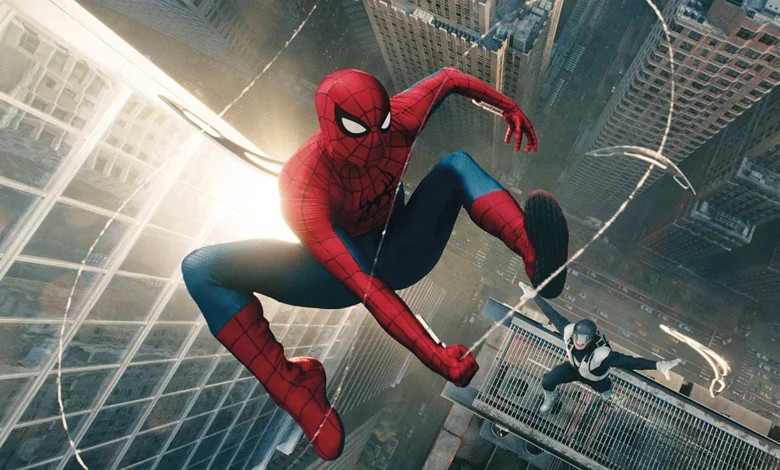
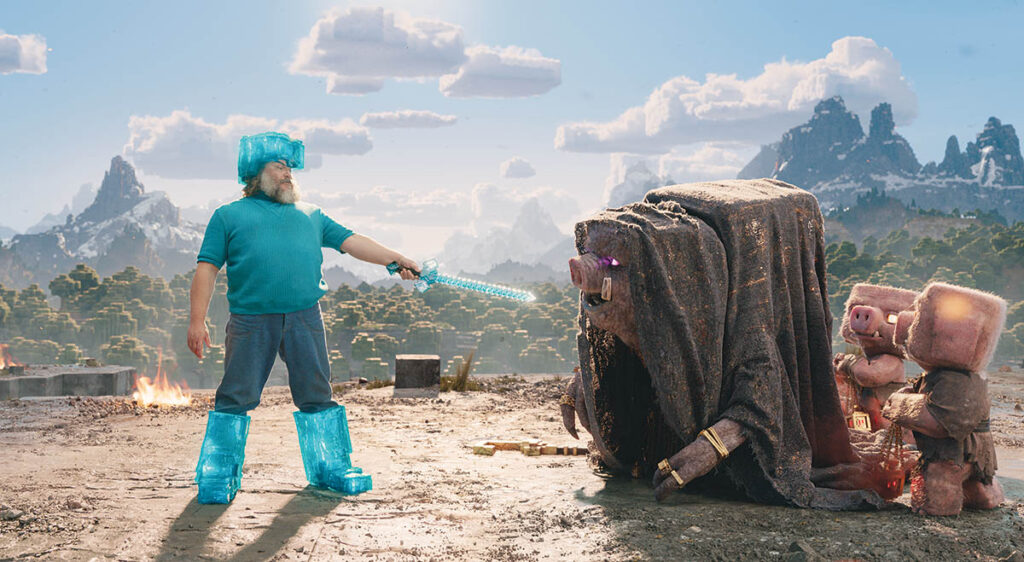
As these artists accumulate major credits on blockbuster franchises—ranging from Marvel Studios productions like Spider-Man: Brand New Day to major releases like Supergirl and A Minecraft Movie—their impact on studio culture becomes increasingly evident. Far from being characterized by apathy, the incoming generation of visual effects practitioners is actively modernizing studio workflows, prioritizing professional diversity, and championing sustainable labor practices while preserving the foundational artistry that defines modern cinema.
Related posts: