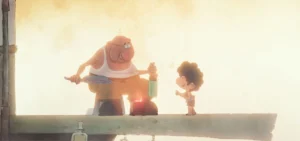
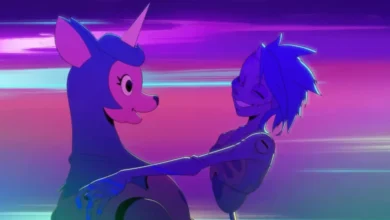
Son of a Bitch is an animated odyssey ten years in the making and is finally ready to meet its audience

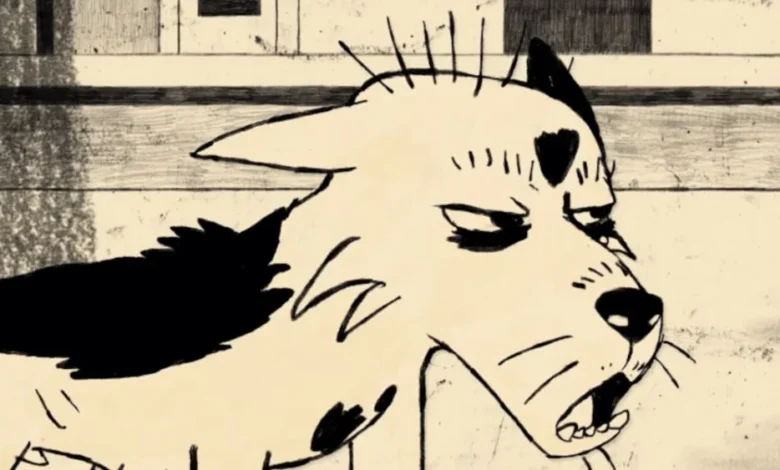
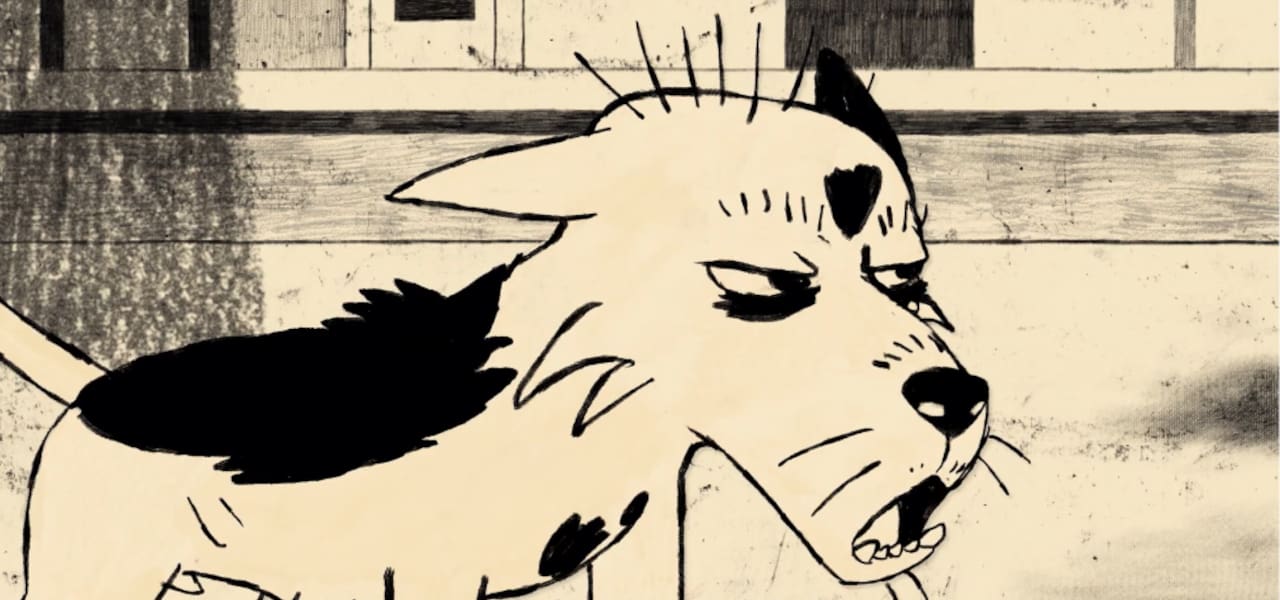
The long-awaited animated feature film Son of a Bitch (O Filho da Puta) is poised to make its North American debut at the Ottawa International Animation Festival (OIAF) on September 23, 2026. This milestone marks the culmination of a decade-long production cycle, a period characterized by artistic evolution, significant shifts in the Brazilian political landscape, and the challenges of independent film financing. Following the Ottawa screening, the film is scheduled to premiere in Brazil at the Rio International Film Festival, a homecoming for its quartet of directors: Érica Maradona, Otto Guerra, Tania Anaya, and Sávio Leite.
A Decade of Artistic Evolution
The production of Son of a Bitch represents a sprawling, collaborative effort that saw the project undergo multiple metamorphoses. According to the production team, the film began with initial concepts that were fundamentally reshaped over the ten-year development period. By the time the film reached its final stages, the original script, storyboards, and character designs had been revisited and refined repeatedly.
This iterative process was not merely a matter of artistic preference but a response to the logistical realities of long-form independent animation. As co-director Tania Anaya noted, the project grew and matured alongside its creators. The visual language of the film, defined by Maradona’s distinctive and highly expressive art direction, served as the anchor for the narrative as the technical and aesthetic parameters shifted. The final product is a mosaic of contributions, including the precise editorial pacing of Marco Arruda and a sound design suite meticulously crafted by Sérgio Scliar and Fabiano Fonseca to unify the film’s disparate visual segments.
Chronology of a Production Marathon
The timeline of Son of a Bitch is a testament to the endurance required to produce feature-length independent animation in Latin America.
- 2016: The initial development phase commences, with the four directors setting the conceptual framework for what would be described as a "road movie on foot."
- 2017–2021: The project enters its primary production phase. This period coincides with significant political and economic instability in Brazil, which, according to the directors, complicated the acquisition of public and private funding.
- 2022–2025: The mid-to-late production phase focuses on the integration of the musical score, composed by João Omar, and the final sound design. During this time, the team worked to maintain the film’s momentum despite the "uncertainties" mentioned by the production staff.
- Summer 2026: The film receives its initial international industry exposure at the Annecy International Animation Film Festival, where it earns positive critical attention.
- September 2026: The North American premiere in Ottawa, followed immediately by the Brazilian premiere in Rio de Janeiro.
The Financial and Political Landscape of Brazilian Animation
The decade-long journey of Son of a Bitch highlights the systemic challenges facing Brazilian animators. The Brazilian film industry, heavily reliant on a mix of public grants, state-sponsored cultural incentives, and international co-production agreements, has faced periodic disruption due to shifts in government policy and fluctuating economic conditions.
Analysts in the animation sector note that for independent projects like Son of a Bitch, the "ten-year gap" is becoming a recurring narrative for ambitious, auteur-driven films. The financial strain of sustaining a core creative team over such an extended period often forces directors to compromise on technical specifications. However, the team behind Son of a Bitch maintains that the delays actually allowed for a more "carefully curated" outcome, particularly regarding the integration of music and sound. The soundtrack, rather than being an afterthought, was developed in tandem with the visual evolution of the film, providing a cohesive emotional thread that connects the various vignettes of the narrative.
Artistic Philosophy and the Craft of Animation
The directors have characterized the film as an "animated odyssey," a description that extends beyond the plot to the physical act of creation. Tania Anaya emphasizes the absolute nature of the medium, noting that animation requires the building of entire realities from scratch.
"In animation specifically, the creative process is absolute, because we create the images from nothing, beginning with a single drawing, and then weave the film together frame by frame," Anaya stated. This sentiment underscores the philosophy of the directors, who view the medium not merely as a storytelling tool but as a method for examining reality from distorted or non-linear perspectives. The film’s humor—described by critics as both "funny and harsh"—functions as a mechanism for this social commentary, allowing the audience to engage with complex, often uncomfortable themes through a medium that permits a degree of abstraction.
Global Reception and Future Implications
The warm reception at Annecy suggests that Son of a Bitch possesses a crossover appeal that transcends its specific cultural context. While the directors express particular excitement for the Brazilian premiere—citing a shared "sociocultural background" and "kind of humor" with the local audience—the film’s thematic content appears to resonate with international viewers.
.png)
The festival circuit serves as the primary gateway for such independent projects to secure distribution. Following its appearances in Ottawa and Rio, the film will likely seek wider distribution through streaming platforms and regional cinematheques. The success of Son of a Bitch could serve as a valuable case study for future independent Brazilian animated features, demonstrating that long-form production, while fraught with risk and financial instability, can produce works of high artistic merit that capture global interest.
Technical and Creative Collaboration
The collaboration between four directors—Maradona, Guerra, Anaya, and Leite—is an uncommon structure in feature film production. Such a setup typically requires a highly defined division of labor or an exceptionally high degree of creative synergy. Reports from the production suggest that the division of responsibilities evolved organically, with each director bringing specific strengths to the project:
- Art Direction (Maradona): Responsible for the distinct, expressive visual identity that defines the film’s aesthetic.
- Editing (Arruda): Provided the structural cohesion necessary to link the "road movie" sequences.
- Soundscape (Omar, Scliar, and Fonseca): Orchestrated the auditory environment that, according to the directors, helped finalize the emotional resonance of the scenes.
As the film moves into the public release phase, the focus shifts from the internal struggle of creation to the external reception of the work. The "road movie on foot" will finally arrive at its destination, offering a reflection of a decade’s worth of artistic and political shifts in the Brazilian animation landscape. Whether the film acts as a definitive statement on this period of Brazilian history or as a standalone work of surrealist fiction remains to be seen by the audiences in Ottawa and beyond.
The screening at the Ottawa International Animation Festival stands as a significant event in the 2026 festival calendar, highlighting not only the endurance of its creators but the enduring importance of the animated medium as a vehicle for complex, independent storytelling. As the industry watches the release of Son of a Bitch, the primary question for investors and fans alike is how this film will influence the next generation of Brazilian animators, who are currently navigating a similarly complex landscape of production, funding, and artistic expression.
Related posts: