Wesley Ebelhar Crafts Distinctive Animated Title Sequence for Hulu’s ‘4×20: Quick Hits,’ Navigating the Nuances of Cannabis Culture Storytelling


Wesley Ebelhar, a celebrated figure in motion graphics and animation, has successfully designed and animated the compelling opening title sequence for Hulu’s new anthology docu-series, "4×20: Quick Hits." This collaborative effort with Kimmelot, the production company co-founded by late-night host Jimmy Kimmel, marks a significant contribution to visual storytelling in the evolving landscape of streaming content, particularly concerning complex cultural narratives surrounding cannabis. The series, which explores varied facets of weed culture across its four distinct episodes, presented a unique creative challenge: to devise a singular, unifying visual identity capable of bridging wildly different tonal landscapes within the anthology format.
The Creative Mandate: Unifying Diverse Narratives
Upon receiving the commission from Kimmelot, Ebelhar expressed his immediate enthusiasm for the project, acknowledging the inherent complexity of the brief. The "4×20: Quick Hits" series is designed to delve into a range of stories within cannabis culture, meaning each episode could potentially vary dramatically in its narrative approach, emotional resonance, and thematic focus. This necessitated a title sequence that was not only visually engaging but also adaptable enough to precede content that might shift from lighthearted exploration to more serious, socio-economic, or historical examinations. The challenge, as Ebelhar articulated, was to create "one vibe-y sequence that could sit comfortably in front of wildly different tones." This requirement underscored the critical role of a title sequence in setting the overarching mood and brand identity for an anthology, a task made even more intricate when dealing with a subject as multifaceted and often polarizing as cannabis.
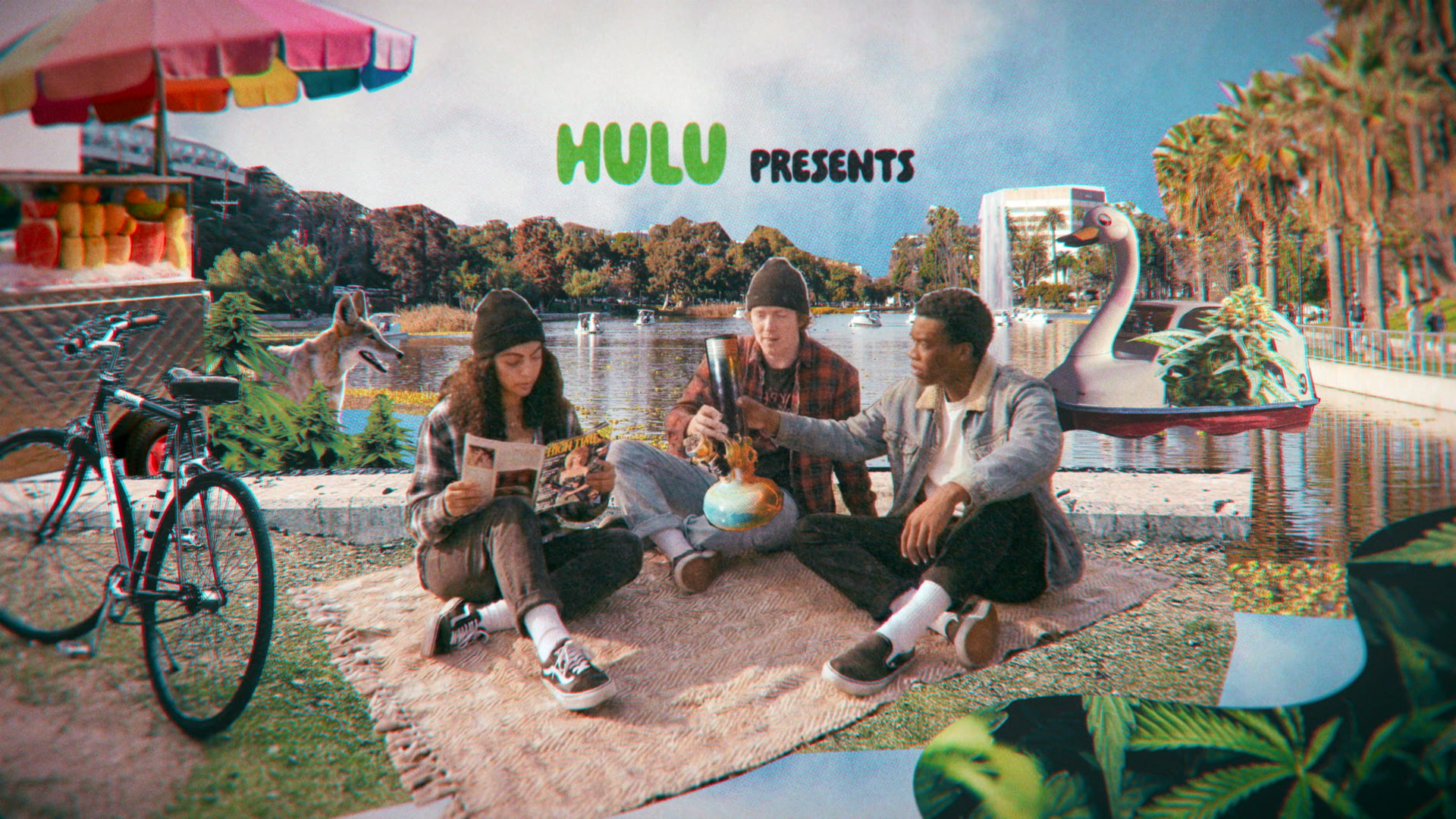
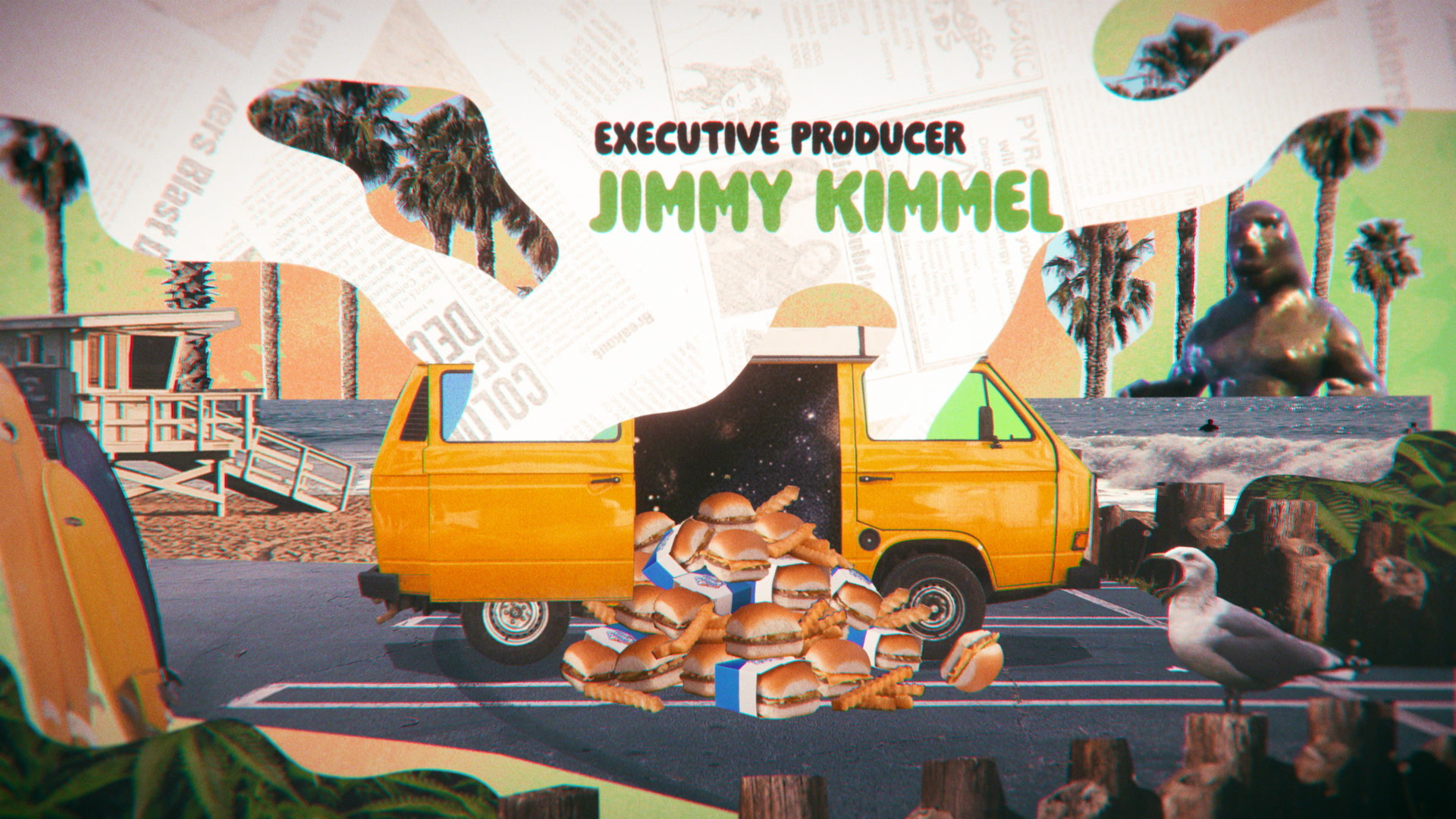
Ebelhar’s chosen solution, 2D animated collages, proved to be an inspired choice, offering a dynamic and flexible visual language perfectly suited to the brief. This style allows for "trippy, layered compositions" that can evoke the psychedelic aesthetics sometimes associated with cannabis culture, while simultaneously maintaining a sophisticated artistic integrity. More importantly, the collage format provided an ingenious mechanism for embedding "easter eggs" – subtle visual cues and thematic references – that could link directly to the specific content of each episode. This thoughtful integration ensures that while the sequence maintains a consistent aesthetic, it also hints at the individual journeys awaiting the viewer, subtly preparing them for the shifts in tone and subject matter.

The Renaissance of Title Sequences in the Streaming Era
The significance of a well-crafted title sequence has experienced a remarkable resurgence in the age of streaming. Historically, television intros served primarily as a branding tool, often lengthy and featuring full cast credits. However, with the advent of binge-watching and on-demand consumption, title sequences have evolved into concise, potent artistic statements. They are no longer mere formalities but crucial elements that grab viewer attention within the critical first few seconds, establish the series’ tone, convey its genre, and deepen its emotional connection with the audience. In a crowded digital marketplace where content discovery is paramount and viewer retention is a constant battle, a distinctive title sequence can be a powerful differentiator.
For documentary series, particularly those tackling niche or complex subjects, the opening sequence plays an even more vital role. It must bridge the gap between abstract concepts and visual representation, inviting viewers into a world they may not be entirely familiar with, or challenging preconceived notions about a topic. Ebelhar’s use of animated collages for "4×20: Quick Hits" exemplifies this contemporary approach. The layered imagery can subtly introduce themes, symbols, and moods associated with cannabis culture – from botanical elements to historical references or societal implications – without giving away specific plot points. This artistic abstraction allows the sequence to be both informative and evocative, preparing the viewer for an immersive experience without pre-judging the content.
Kimmelot’s Strategic Foray into Docu-Series
Kimmelot, the production entity behind "4×20: Quick Hits," is widely recognized for its strong association with late-night television and comedic programming, primarily through its flagship production, Jimmy Kimmel Live! However, the company has increasingly expanded its portfolio to include a broader range of content, including documentaries and non-scripted series. This venture into a Hulu anthology docu-series focused on cannabis culture represents a strategic diversification, signaling Kimmelot’s intent to explore more culturally resonant and timely subjects beyond traditional entertainment formats.
The decision to tackle cannabis culture through a multi-episode documentary lens reflects a growing trend among production companies to engage with topics of significant public interest and societal debate. By partnering with Hulu, a platform known for its diverse and often thought-provoking original content, Kimmelot positions "4×20: Quick Hits" to reach a wide and engaged audience. The series aligns with Hulu’s strategy of offering premium, culturally relevant programming that can attract and retain subscribers by appealing to varied interests and demographics. For Kimmelot, it’s an opportunity to demonstrate versatility and contribute to the ongoing dialogue surrounding a rapidly evolving cultural phenomenon, showcasing a commitment to substantive storytelling.
The Evolving Narrative of Cannabis in Popular Culture
The production and release of "4×20: Quick Hits" are set against a backdrop of significant shifts in public perception and legal frameworks surrounding cannabis. In numerous regions across the globe, and particularly within the United States, cannabis has transitioned from being an illicit substance to a legally recognized product for medicinal and recreational use. This dramatic change has spurred a corresponding evolution in how cannabis is represented in media. Gone are the days when cannabis was solely depicted through stereotypical caricatures or as a symbol of counter-culture rebellion. Modern narratives are increasingly nuanced, exploring its historical roots, economic impact, scientific applications, social implications, and diverse cultural expressions.
"4×20: Quick Hits" contributes to this more sophisticated media landscape by offering an anthology format that promises a multifaceted exploration rather than a monolithic viewpoint. The series title itself, "4×20," is a direct reference to "420," a widely recognized code for cannabis consumption, immediately signaling its subject matter. However, the "Quick Hits" subtitle suggests a series of focused, digestible insights rather than an exhaustive academic treatise, catering to contemporary viewing habits. The visual branding, through Ebelhar’s title sequence, becomes paramount in establishing this tone of informed, yet accessible, exploration. The ability of the animation to weave in subtle "easter eggs" that allude to specific themes within each episode demonstrates a sophisticated approach to framing a topic that requires both sensitivity and a broad perspective.
A Glimpse into the Collaborative Creative Process
The creation of the "4×20: Quick Hits" title sequence was a collaborative endeavor, highlighting the intricate synergy between client, creative direction, and execution. The project began with Kimmelot approaching Wesley Ebelhar, recognizing his distinctive talent for motion graphics and animation. The initial brief, articulated by Creative Director Alana Lyons, emphasized the need for a versatile visual identity that could accommodate the anthology’s diverse content. This phase likely involved extensive discussions to define the core thematic elements of the series and translate them into a coherent visual strategy.
Ebelhar, serving as the primary force behind the direction, design, and animation, then embarked on the conceptualization phase. His decision to employ 2D animated collages was a direct response to the brief’s demand for adaptability and thematic depth. This choice allowed for a rich tapestry of visual elements, enabling the incorporation of abstract imagery, textual fragments, and symbolic motifs that could resonate with various aspects of weed culture. The design process was further bolstered by the contributions of Mike Russo, who collaborated on the design elements, ensuring a cohesive and impactful aesthetic.
Throughout the production, the team operated under the guidance of Executive Producers Jimmy Kimmel, Scott Lonker, and Adam Goldberg, with Post Production Supervisor Bobby Johnson overseeing the technical and logistical aspects. This multi-layered credit structure underscores the significant resources and creative oversight dedicated to ensuring the title sequence not only met the technical requirements but also perfectly encapsulated the spirit and intent of the series. The iterative process of animation, review, and refinement would have been crucial in perfecting the layered compositions and ensuring the "easter eggs" were subtly integrated yet impactful. Ebelhar’s personal Instagram, @wesleyebelhar, often serves as a showcase for his distinctive style, offering a window into the artistic sensibilities that he brought to this project.
Wesley Ebelhar’s Signature Style and Industry Influence
Wesley Ebelhar has carved a niche for himself in the competitive field of motion graphics through a signature style characterized by its inventive use of 2D animation, dynamic compositions, and a keen eye for layered visual storytelling. His work often exhibits a fluidity and imaginative quality that transcends mere functional design, elevating title sequences into works of art that are integral to the viewing experience. The "trippy, layered compositions" described in the context of "4×20: Quick Hits" are indicative of his ability to blend abstract art with narrative purpose, creating visuals that are both aesthetically pleasing and conceptually rich.
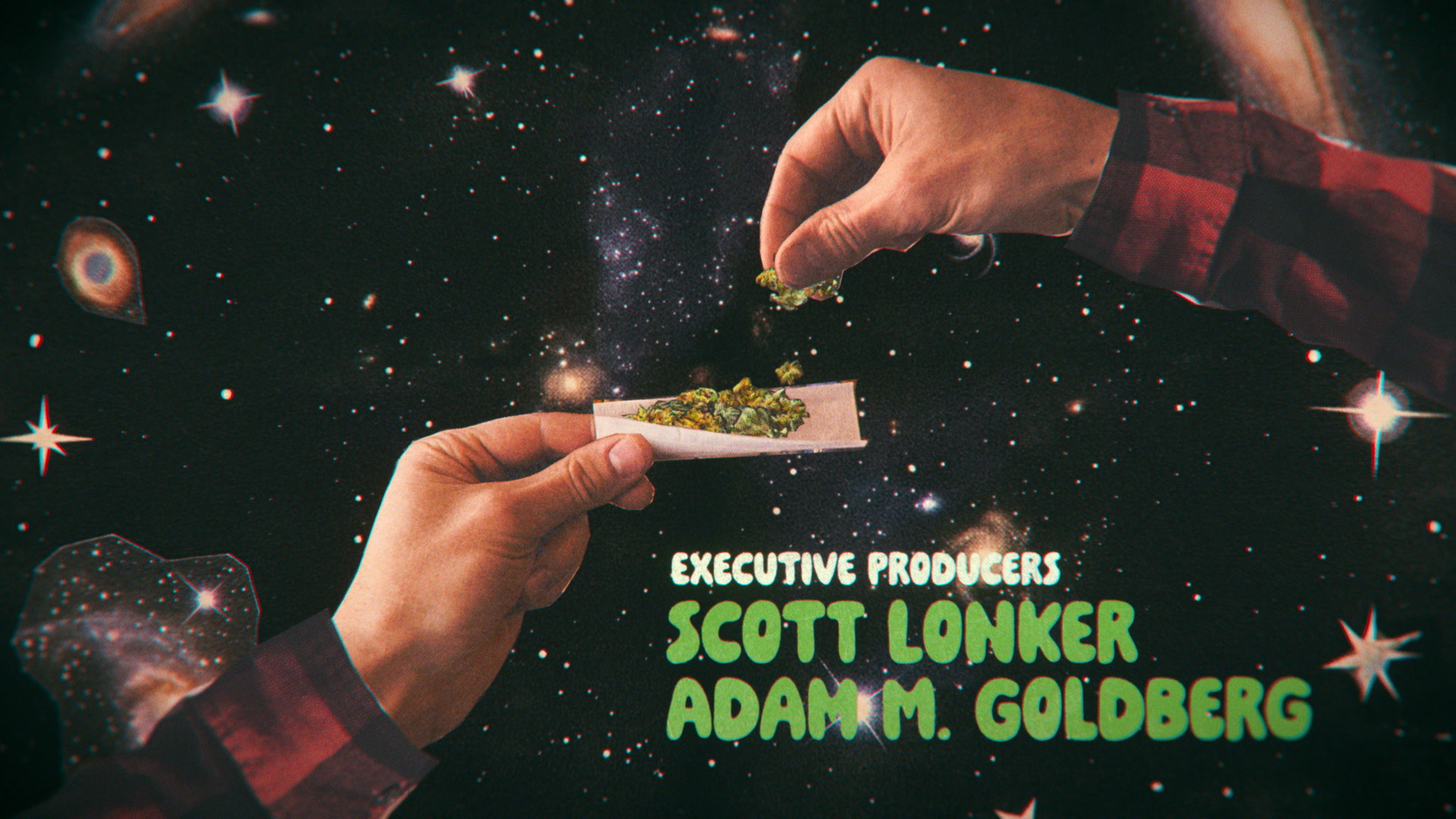
This project further solidifies Ebelhar’s reputation as a go-to talent for complex visual branding challenges, especially those requiring a nuanced approach to potentially sensitive or culturally specific themes. His ability to distill a broad subject like cannabis culture into a succinct, versatile, and evocative visual identity speaks volumes about his creative prowess. The success of the "4×20: Quick Hits" title sequence will undoubtedly enhance his portfolio, attracting further opportunities to shape the visual identities of high-profile projects in the ever-expanding world of streaming and broadcast media. His work stands as a testament to the power of animation in conveying abstract ideas and setting the stage for compelling storytelling.
Broader Impact and Implications for Visual Storytelling
The launch of "4×20: Quick Hits" with its distinctive title sequence by Wesley Ebelhar carries broader implications for the landscape of visual storytelling and content branding. Firstly, it reaffirms the critical role of motion graphics designers in the success of modern streaming content. In an era saturated with choices, a memorable and well-executed title sequence can significantly enhance a series’ brand recognition and appeal, influencing viewer engagement from the very first moments. Ebelhar’s work demonstrates how a creative approach can turn a mandatory opening into a powerful narrative tool.
Secondly, the project highlights the increasing sophistication in how cultural phenomena, particularly those that have historically been marginalized or stereotyped, are being presented in mainstream media. The thoughtful and artistic approach to the "4×20: Quick Hits" title sequence suggests a commitment to nuanced storytelling, moving beyond simplistic portrayals. The animated collage style, with its capacity for layered meaning and subtle "easter eggs," is particularly effective for such subjects, allowing for a richness of interpretation that a live-action sequence might struggle to achieve within a limited timeframe.
Finally, "4×20: Quick Hits" and its visual branding serve as a case study for how anthology series, with their inherent structural challenges, can achieve visual cohesion. Ebelhar’s solution of a flexible, thematic sequence that hints at individual episode content without dictating a singular tone offers a blueprint for future productions grappling with similar dilemmas. As streaming platforms continue to diversify their content, embracing more experimental and culturally specific narratives, the demand for innovative and adaptable visual design will only grow. Wesley Ebelhar’s contribution to "4×20: Quick Hits" stands as a significant example of how expert animation and design can elevate a series, making it both accessible and profoundly impactful. The series is now available for streaming on Hulu, inviting audiences to experience both its varied narratives and its captivating visual introduction.