From Viral YouTube Phenomenon to A24 Box Office Smash: The Making of Kane Parsons’ Backrooms

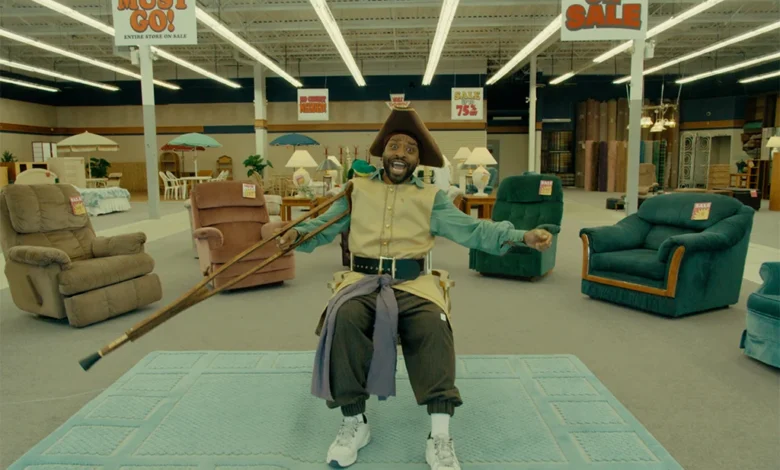
What began as a single, eerie photograph of a yellow-wallpapered, carpeted, and uncomfortably empty room in a Wisconsin furniture store has matured into one of the most culturally significant and financially successful independent horror releases of 2026. A24’s psychological thriller Backrooms, directed by 20-year-old internet-sensation-turned-feature-filmmaker Kane Parsons, successfully scales up a micro-budget web series into a cinematic exploration of grief, spatial disorientation, and digital nostalgia. Operating on a relatively modest $10 million indie budget, the film follows Clark, a struggling furniture store owner played by Chiwetel Ejiofor, who accidentally falls through a temporal-spatial portal beneath his showroom floor into an endless labyrinth of liminal corridors. Renate Reinsve co-stars as Mary, his dedicated therapist who plunges into the same uncanny abyss to track him down.
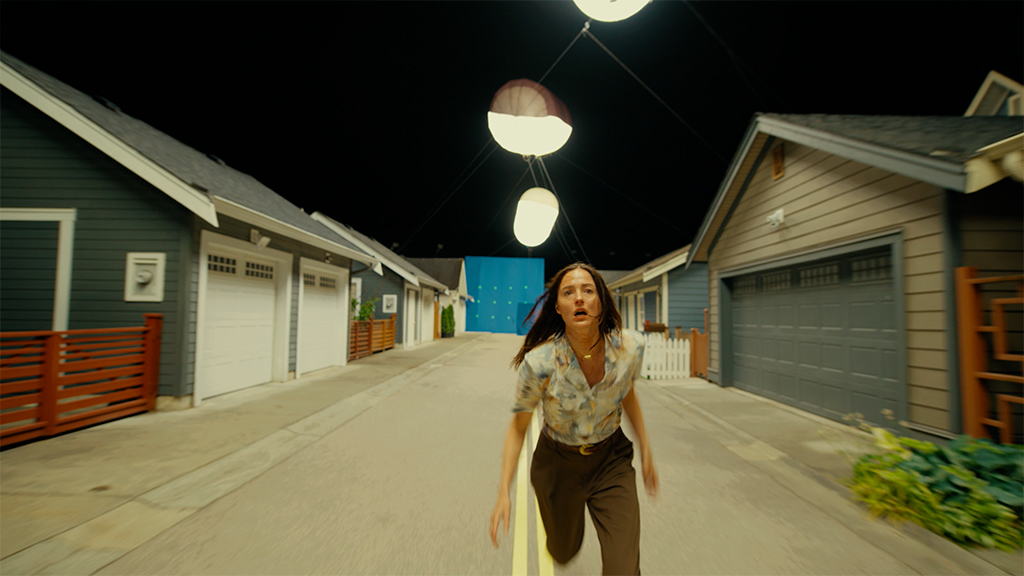
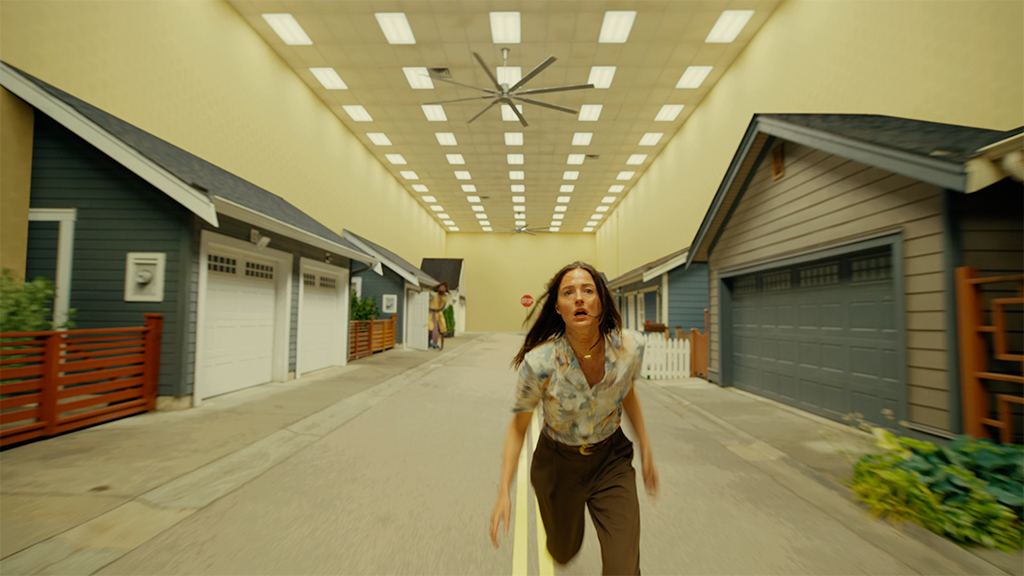
While the premise taps into a deeply ingrained internet mythos that has fascinated millions online since 2019, the true marvel of Backrooms lies in its hybrid production pipeline. Marrying Parsons’ youthful digital roots in Blender with state-of-the-art physical soundstage construction, practical creature effects, and the collaborative muscle of 11 external visual effects vendors, the production team achieved a seamless blur between the physical and the virtual. Delivering 600 visual effects shots across an 830-shot runtime, Backrooms redefines the modern boundaries of indie filmmaking through an exhaustive synthesis of analog authenticity and cutting-edge digital wizardry.
The Genesis of an Internet Legend: From Blender to the Big Screen
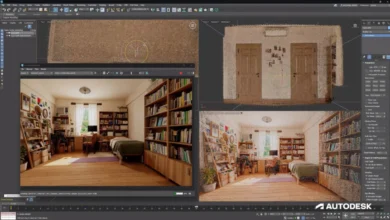
The journey of Backrooms traces back to Kane Parsons’ teenage bedroom, where, starting at age 16, he began constructing an atmospheric, lo-fi digital universe using the open-source 3D creation suite Blender. Uploading his shorts to YouTube, Parsons struck a nerve with global audiences, cultivating a massive, dedicated following drawn to his uncanny rendering of endless office spaces, VHS static, and subtle cosmic dread. When A24 stepped in to finance a feature-length adaptation, industry observers wondered whether the young creator would surrender his vision to an all-CGI studio pipeline.
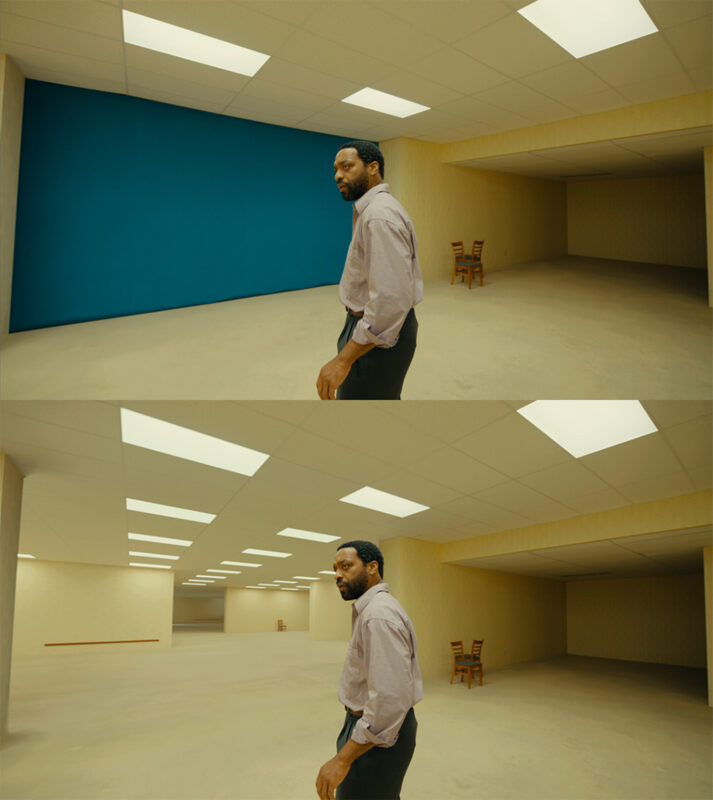
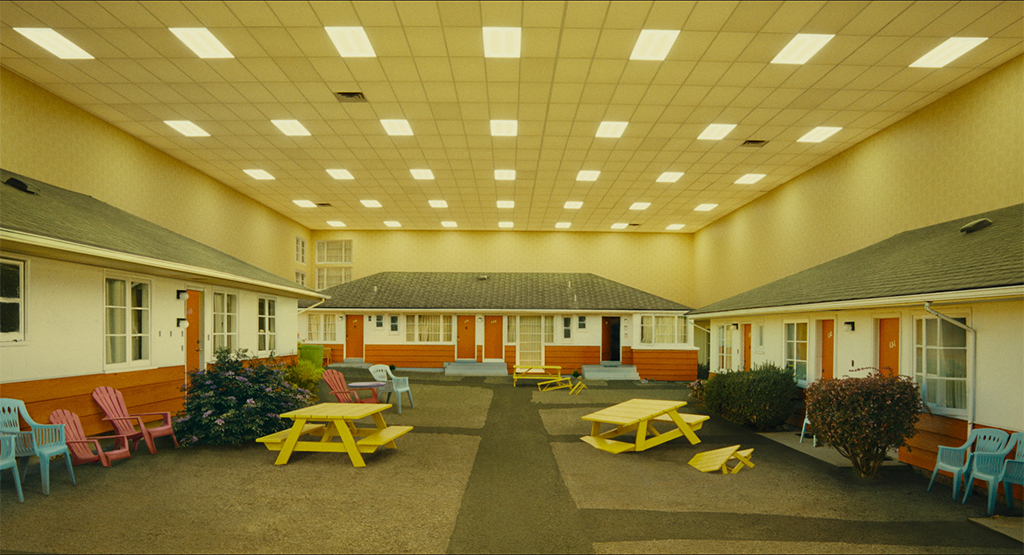
Instead, Parsons maintained a strict commitment to practical filmmaking. According to Visual Effects Supervisor Edward Douglas, the director was adamant that his actors inhabit a tangible world. Rather than relying exclusively on greenscreens, the production constructed roughly 30,000 square feet of physical sets across four dedicated sound stages. These sets were meticulously built to match, complement, and sometimes directly integrate with the roughly 100,000 square feet of digital environments Parsons had designed years prior.
This philosophy shaped a production environment where the physical and digital workflows constantly informed one another. In several sequences, the visual effects team pulled directly from the original Blender files Parsons compiled as a teenager, up-resing them, enhancing their textural fidelity, and preparing them for a cinematic pipeline. This was especially true for the film’s climax involving the "Threshold Chamber"—a visually complex space where only the door and floor were built practically, leaving the rest of the boundless void to be rendered digitally from Parsons’ original youth-created files.
Practical Ingenuity Meets Digital Precision: The VFX Pipeline
To manage the film’s staggering number of visual effects shots without sacrificing artistic integrity, Douglas and a core team of collaborators partnered with 11 external visual effects houses, including Zoic Studios, Mr. Wolf VFX, CoSA VFX, Stormborn VFX, and Roxel Creative. Despite utilizing extensive computer-generated enhancements—accounting for roughly 10 minutes of full CG sequences, including the opening found-footage archival segments—the guiding principle remained grounded in physical reality.
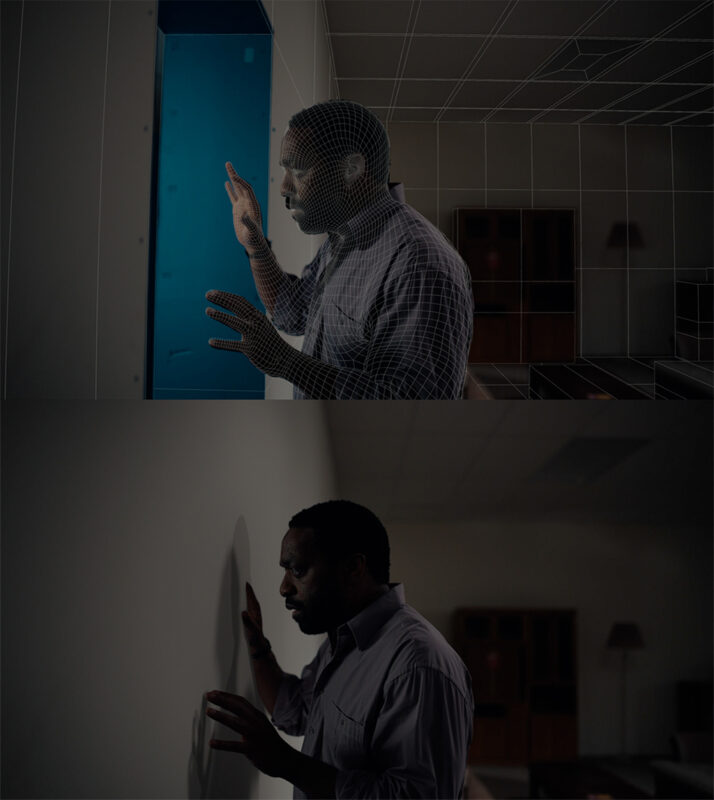
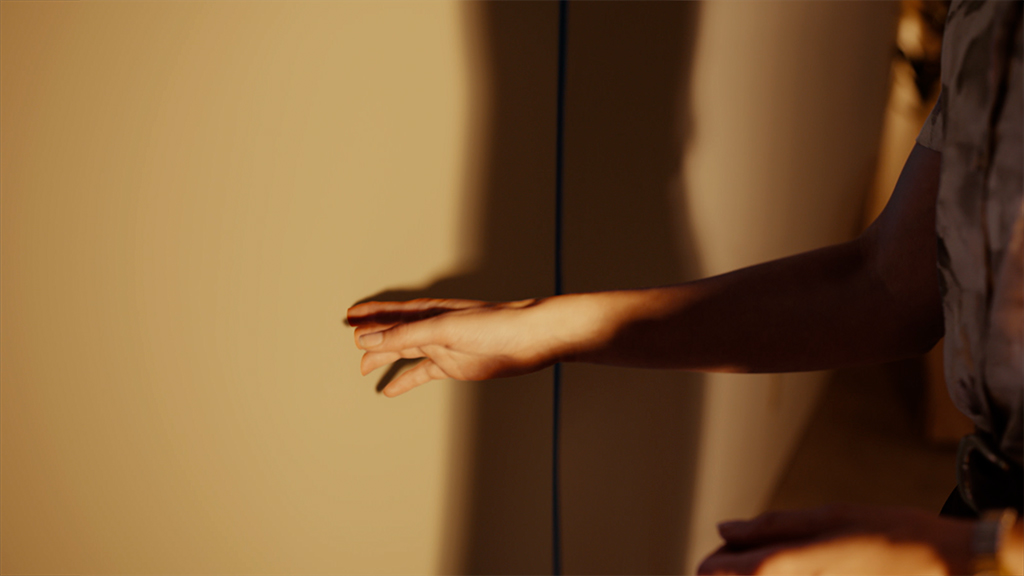
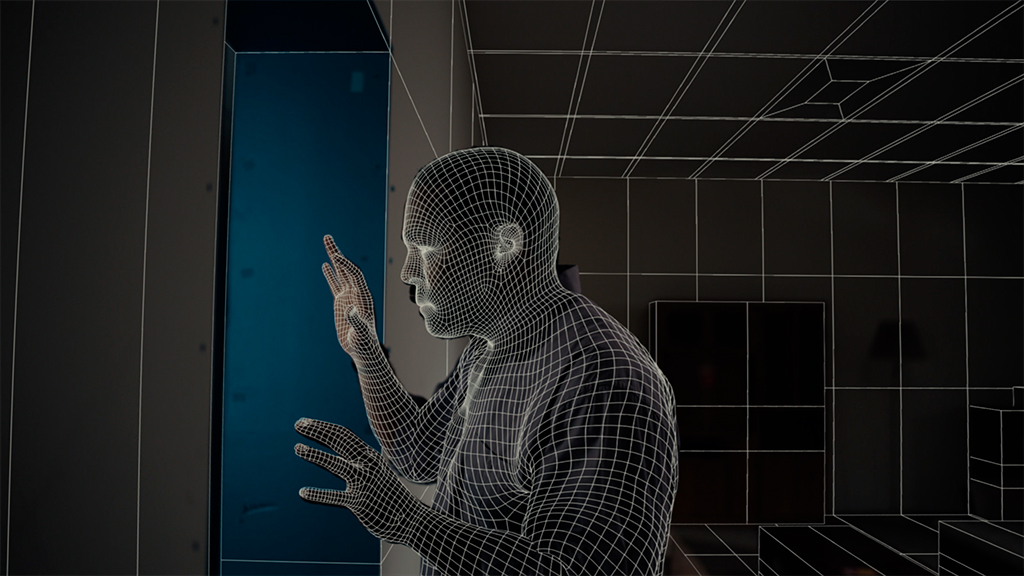
One of the most technically demanding motifs in the film is "clipping," the phenomenon where characters slide through or emerge from solid walls as they transition into and out of the Backrooms. While conceptually straightforward—representing the intersection of two objects within a digital space—executing it practically required immense physical and technical coordination.
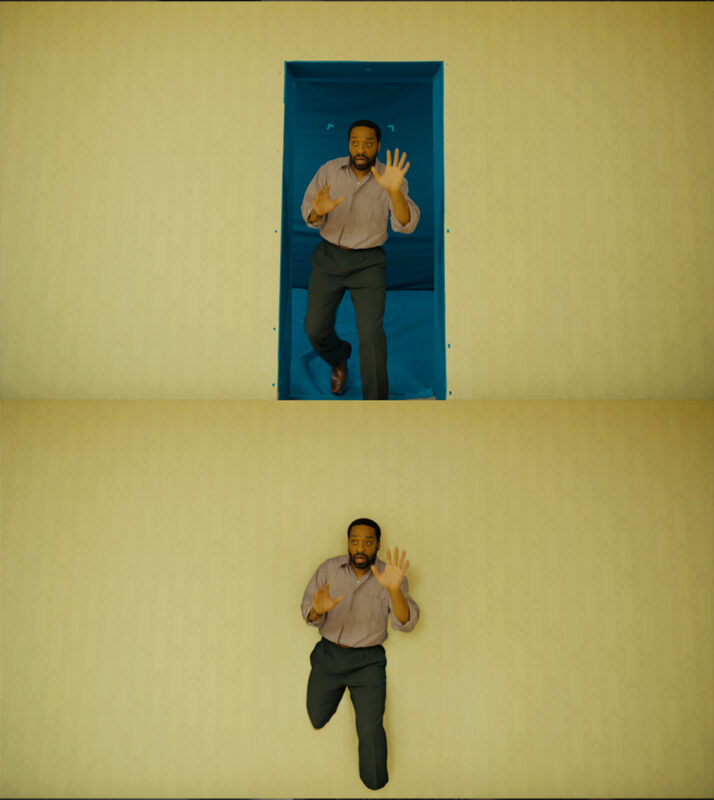
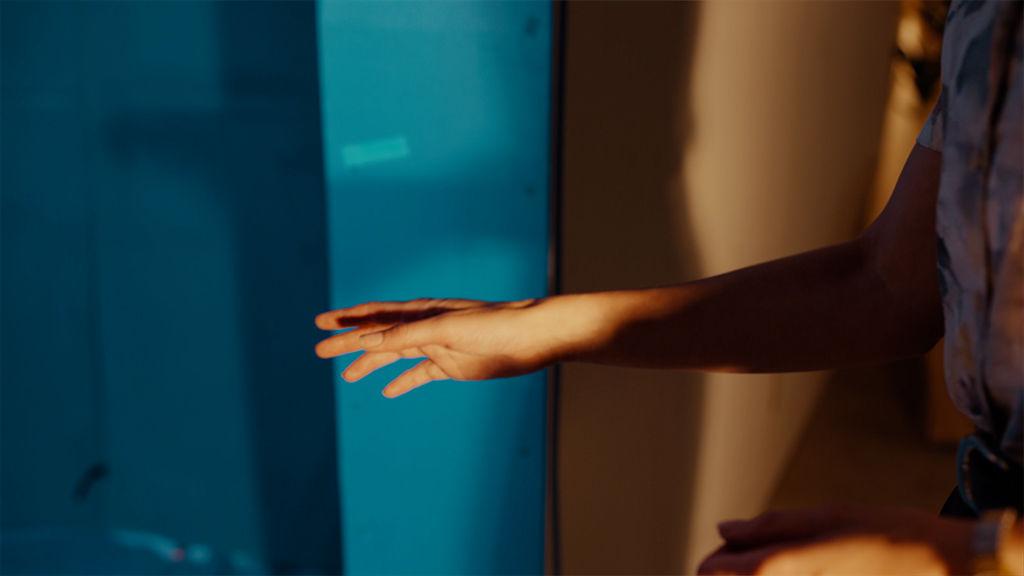
Actors performed their movements naturally on physical soundstage openings. Afterward, artists at Mr. Wolf VFX utilized a complex mix of rotomation, geometric intersection, and meticulous hand-rotoscoping to restore the walls around the actors as they passed through. According to Douglas, the psychological sell of the effect relied entirely on lighting physics: every shadow cast across the physical walls during the clipping process was a CG shadow projected from precise digital animation, tricking the eye into believing the impossible interaction.
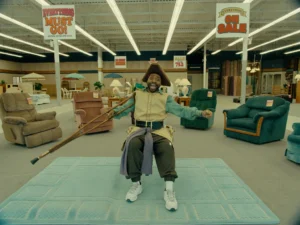
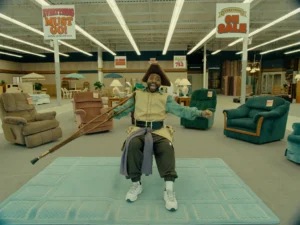
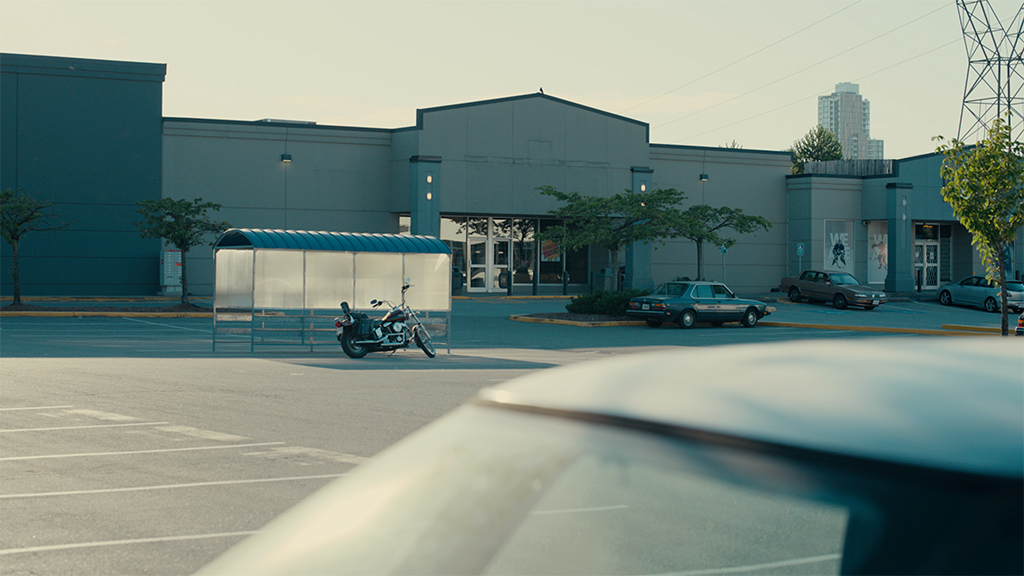
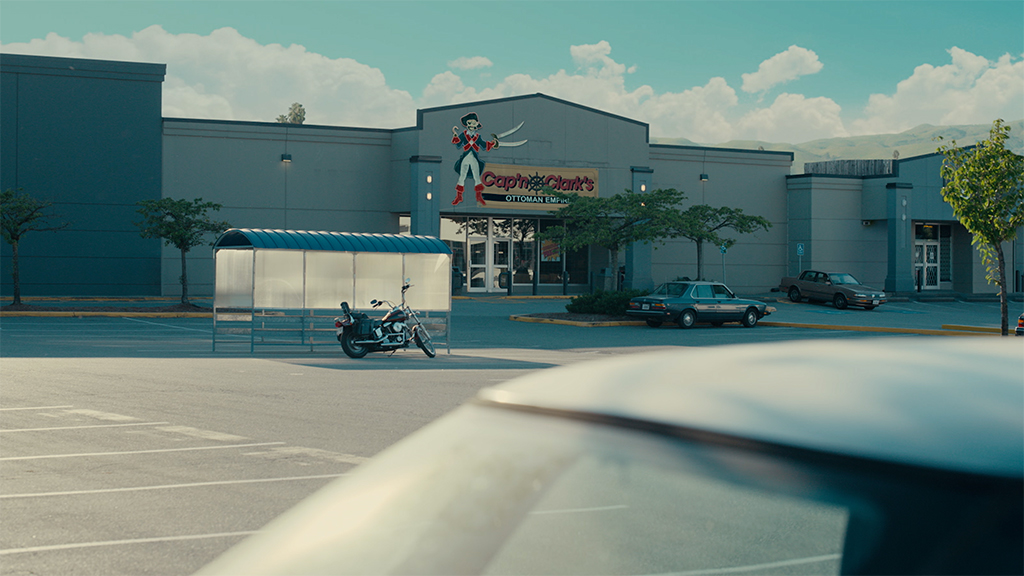
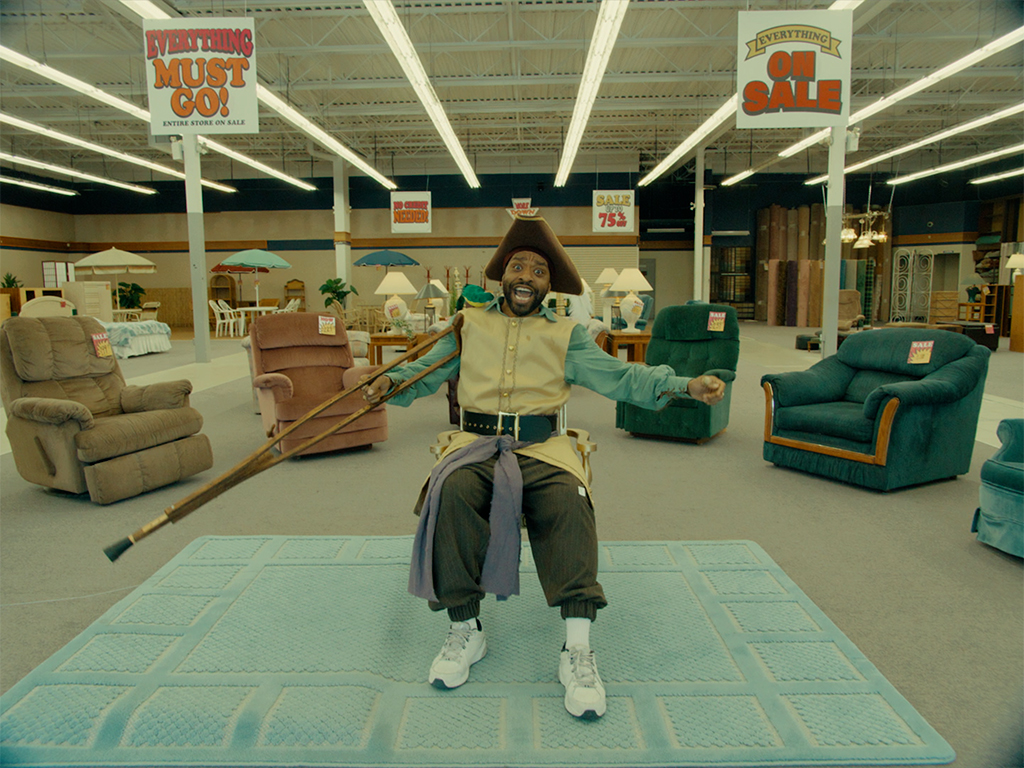
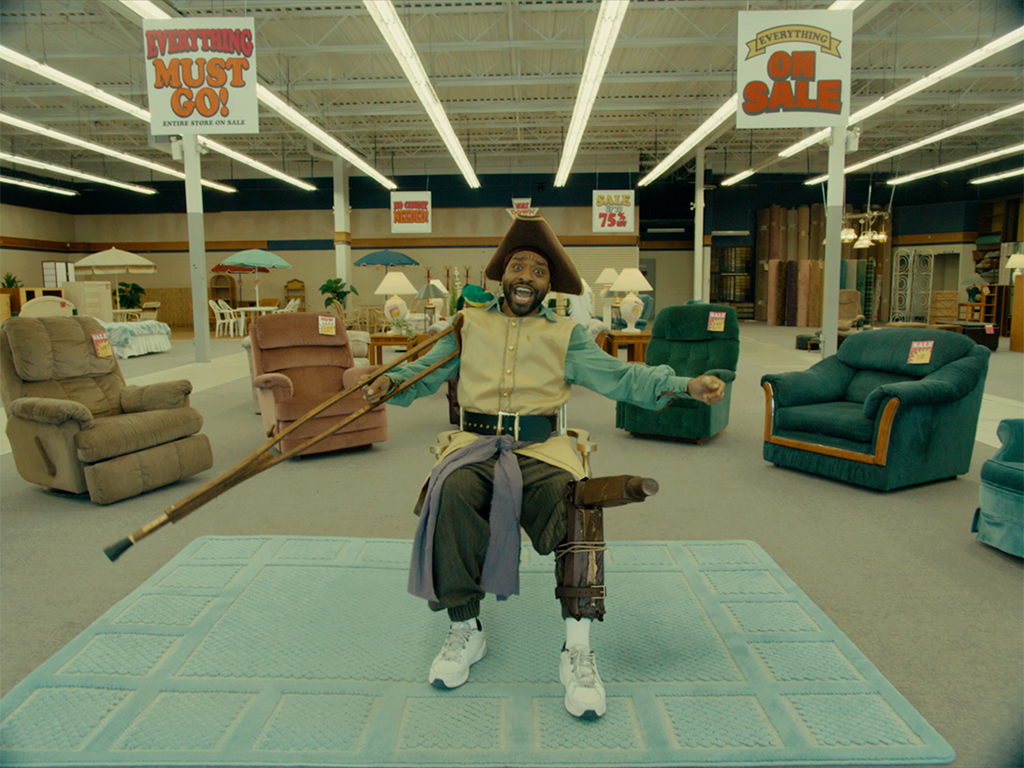
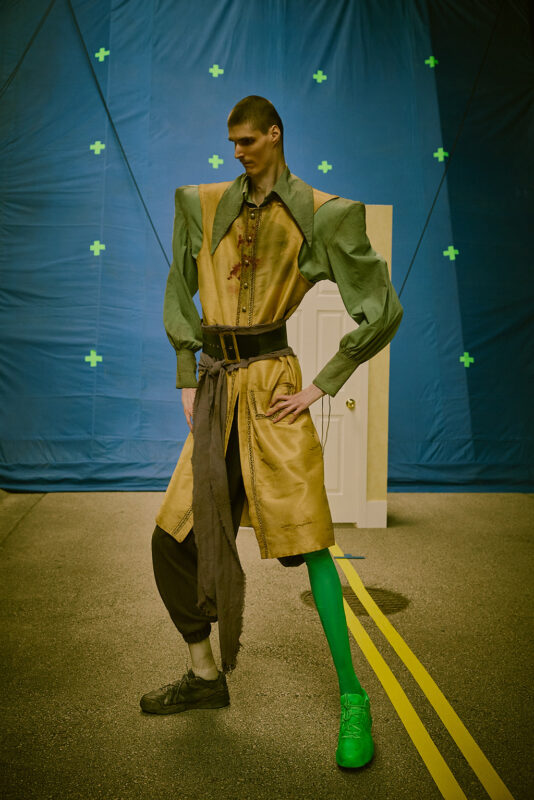
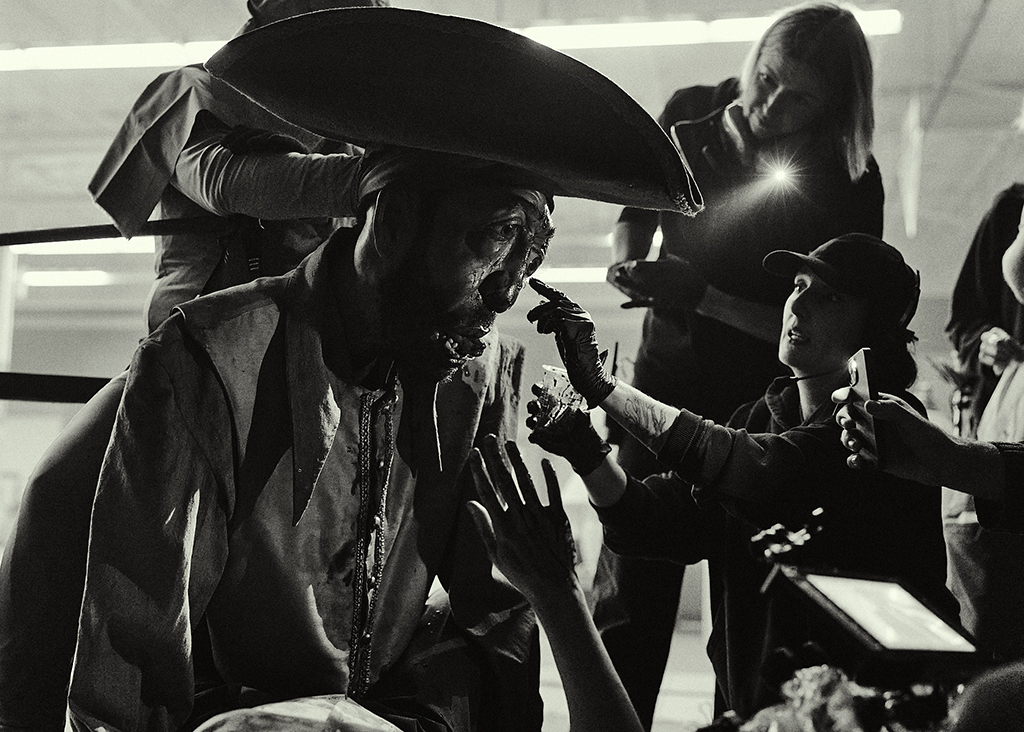
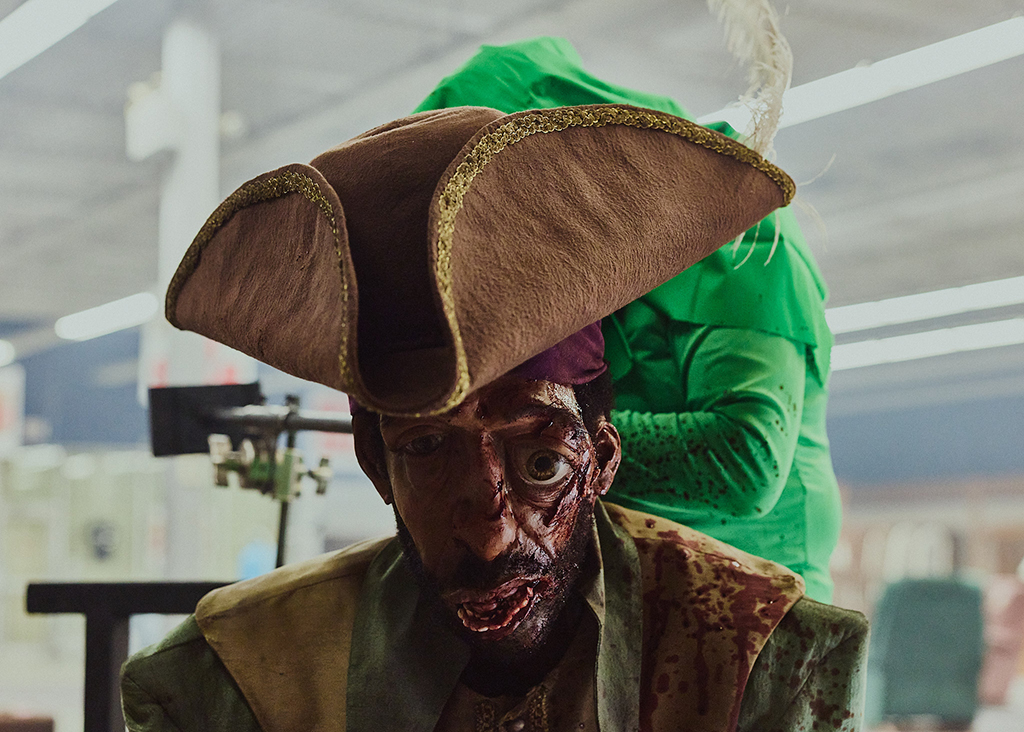
Similar hybrid techniques defined the film’s exterior and environmental shots. For instance, modern Vancouver locations used during production required extensive digital intervention to replace contemporary skylines with period-accurate San Jose architecture. Furthermore, simpler digital alterations were frequently employed to ensure cast safety. In a sequence featuring Clark filming a retro commercial, his character’s pirate persona required a peg leg. To prevent the physical hazards of an actor hopping on a real peg leg or sitting on a collapsing chair, the VFX team executed a complete pants replacement and added a CG peg leg entirely in post-production.
Crafting the Nightmarish ‘Still Lifes’ and ‘Pirate Clark’
The horror of Backrooms is heavily anchored by its antagonists, the "Still Lifes" and an 8.5-foot-tall doppelgänger known as Pirate Clark. Eschewing the industry’s default reliance on full digital characters, the production leaned heavily into practical prosthetic makeup supervised by Werner Pretorius and his team at Amazing Ape.
The design of the redheaded Still Life drew inspiration from sculptor Evan Penny’s hyper-realistic, distorted facial sculptures. Actress Rhiannon Roberts endured a grueling physical test, standing in high heels and heavy prosthetics for three consecutive days on set, aided only by hidden peepholes. The resulting creation was so masterfully executed that incoming VFX vendors initially mistook the practical makeup for computer-generated models, demanding raw plates to verify its authenticity.
The striped-shirt Still Life followed a similar practical-first mandate, with 90% of its face constructed via physical prosthetics. However, to achieve a deeply unsettling visual motif—multiple sets of unblinking, uncoordinated eyes—VFX artists stepped in to replace the static glass eyes with CG counterparts. By programming the secondary and tertiary eyes to blink in a cascading, offset rhythm, the team achieved an unnerving signature aesthetic that elevated the creature’s psychological terror.
The physical presence of Pirate Clark presented an even greater logistical hurdle. The production initially toyed with stunt performers on stilts, but recognized that the method would severely limit mobility and pacing. Inspiration struck when the team recruited Robert Bobroczkyi, the towering 7-foot-7-inch athlete and actor who previously terrified audiences in Alien: Romulus. Cast alongside puppeteer Richard Darwin, Bobroczkyi provided an authentic physical performance that anchored the character’s terrifying scale.
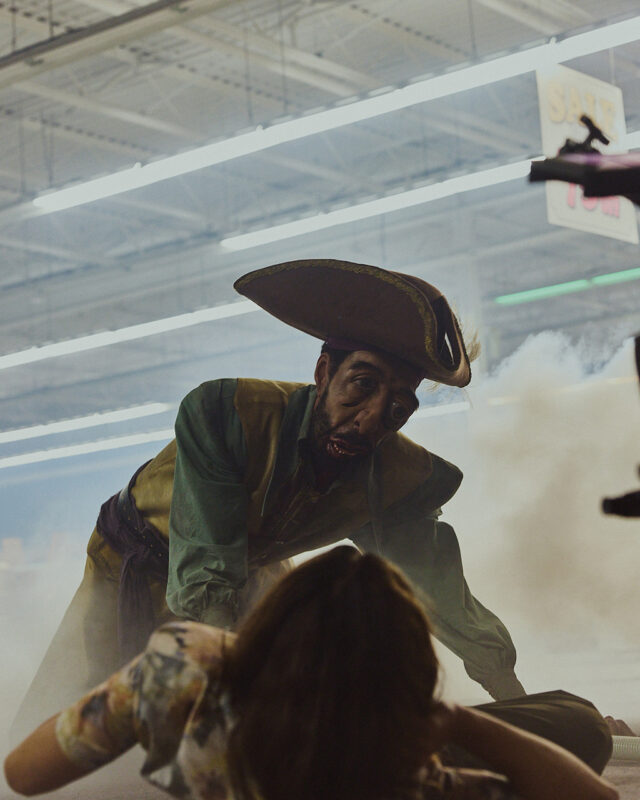
Because the physical mask could not deliver the necessary emotional nuance, Zoic Studios utilized a high-resolution digital scan of Chiwetel Ejiofor to construct a CG face for the creature. Crucially, Parsons and Douglas resisted standard horror tropes. Rather than giving Pirate Clark standard snarling, furrowed monster expressions, the animation team focused on micro-animating subtle variations in lighting and geometry to convey genuine fear and profound sadness, grounding the monstrous entity in human tragedy.
Analog Authenticity in an Era of Digital Noise
In keeping with the foundational aesthetic of Parsons’ viral internet videos, Backrooms deliberately rejected purely digital simulations for its archival and retro sequences. Instead, the production embraced a fiercely analog workflow.
All VHS material utilized in the film was physically routed through working VCR hardware. The crew manipulated frame rates, tape speeds, and tracking artifacts using physical tape decks. Furthermore, Kane Parsons personally operated a custom physical distortion box—functioning much like a guitar effects pedal—allowing him to introduce real-time electrical signal interference directly into the cables running between computers and recording equipment. This hands-on commitment ensured that the film’s texture remained organically tethered to the lo-fi aesthetic that birthed the phenomenon.
Broader Impact and Industry Implications
The commercial and critical triumph of Backrooms signals a notable shift in studio risk assessment regarding internet-born intellectual property. By entrusting a $10 million budget and a complex pipeline to a 20-year-old digital creator, A24 has demonstrated that modern audiences respond favorably to auteur-driven internet lore when paired with classical filmmaking craftsmanship.
Furthermore, the film’s production model offers a compelling blueprint for indie genre filmmaking. By blending traditional soundstage construction, practical prosthetic wizardry, and distributed VFX supervision across specialized vendor pipelines, the production achieved a level of visual polish typically reserved for features with triple the budget. As Backrooms continues to dominate global box office charts, it solidifies Kane Parsons’ transition from YouTube prodigy to a formidable voice in contemporary psychological horror, proving that liminal spaces can yield very concrete cinematic success.
Related posts: