From Drafting Table to Courtroom: How Coyote vs. Acme Survived Cancellation to Become a Box Office Triumph

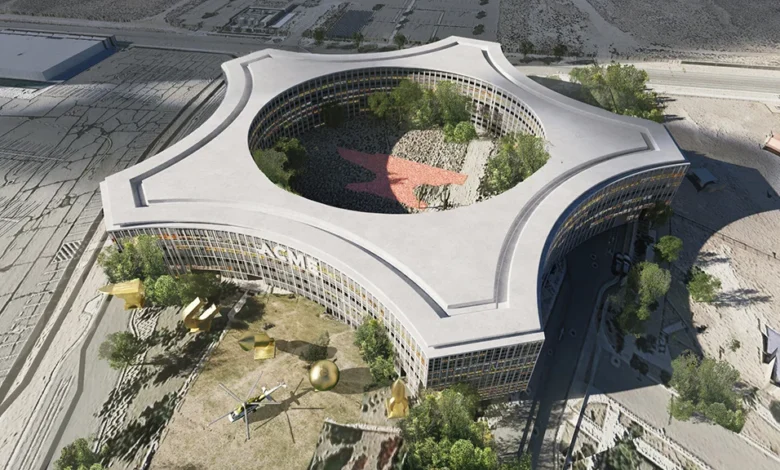
The journey of Coyote vs. Acme from a shelved corporate tax write-off to a celebrated box-office phenomenon stands as one of the most unusual industrial narratives in modern Hollywood history. Directed by Dave Green and blending live-action cinematography with sophisticated computer-generated animation, the feature film pivots on a classic premise: Wile E. Coyote, thoroughly exhausted by a lifetime of defective products that have permanently thwarted his pursuit of the elusive Road Runner, decides to sue the ACME Corporation. Yet, the fictional David-versus-Goliath legal battle mirrors the genuine corporate struggles that nearly kept the project permanently locked in a studio vault.
The Anatomy of a Cancellation and Resurrection
In late 2023, Warner Bros. Discovery sent shockwaves through the entertainment industry by announcing that the fully completed feature film would be shelved indefinitely as part of a broader corporate cost-cutting strategy. The decision sparked widespread outrage among filmmakers, artists, and consumers alike, who viewed the move as an alarming indicator of how major studios might sacrifice creative works for short-term financial write-downs.
Recognizing the mounting public pressure and the clear commercial potential of the property, Warner Bros. Discovery reversed its initial stance just days later. The studio granted director Dave Green and his production
team permission to shop the completed film to competing distributors. Following months of industry speculation, Ketchup Entertainment stepped in during 2025 to acquire the worldwide distribution rights, setting the stage for a theatrical rollout. The rescued picture defied conventional industry expectations during its opening weekend, pulling in nearly $16 million domestically and proving that audience appetite for theatrical animation-hybrid comedies remained robust.

Bridging Two Worlds: The Visual Effects Pipeline
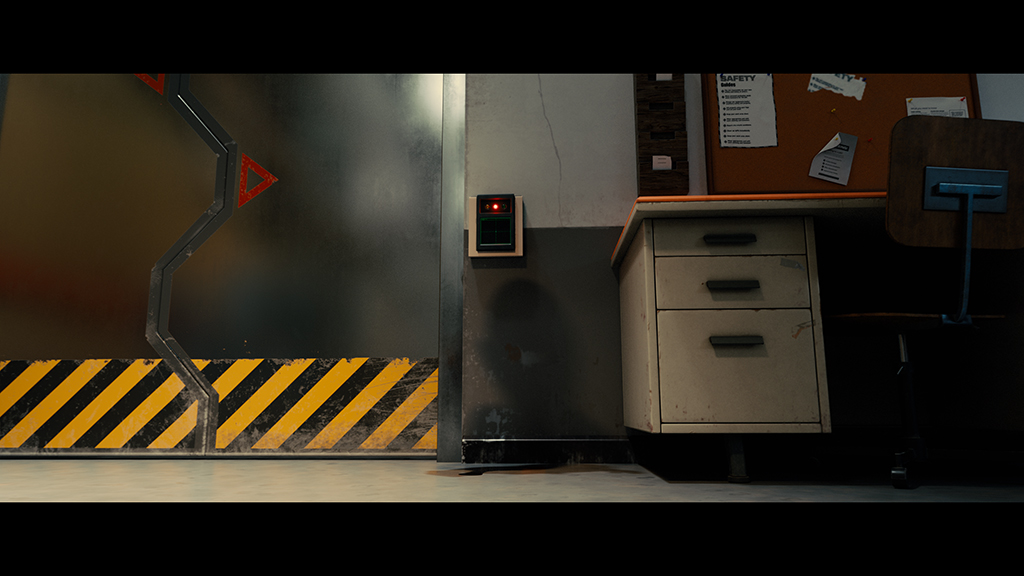
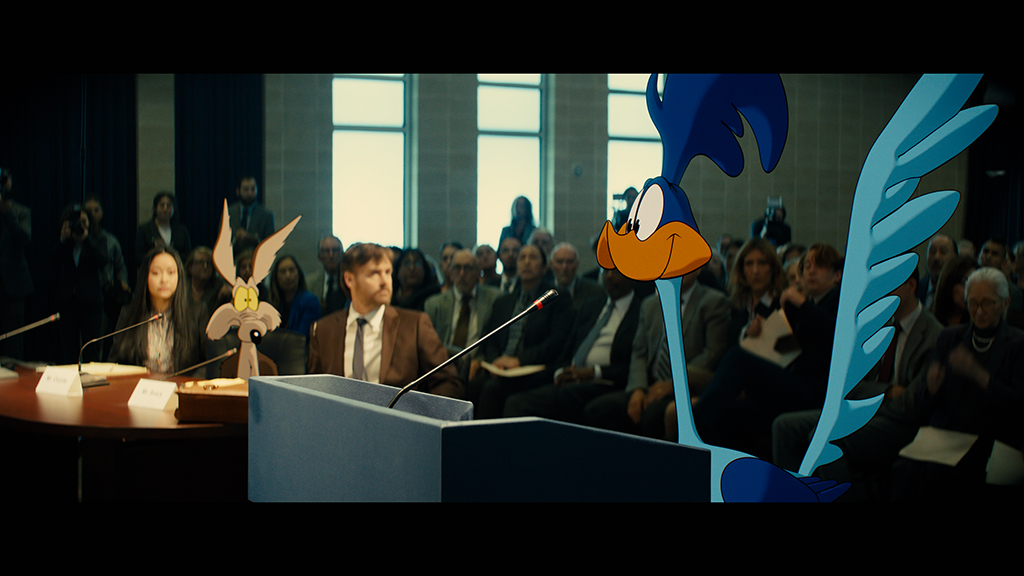
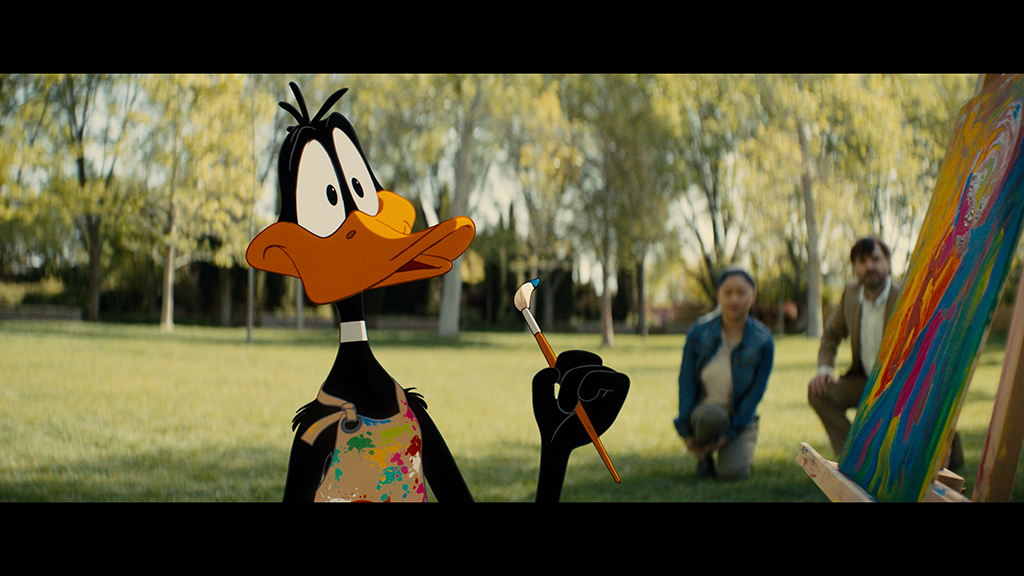
Overseen by Production Visual Effects Supervisor George Murphy, the technical execution required bringing iconic Looney Tunes characters—including Wile E. Coyote, the Road Runner, and Foghorn Leghorn—into tangible, live-action environments. DNEG was tasked with leading this complex digital integration, a challenge that required rethinking conventional photorealistic visual effects workflows in favor of maintaining the distinct artistic integrity of classic 2D animation.
Alexander Seaman, Visual Effects Supervisor at DNEG, noted that the primary challenge extended far beyond simple lighting alignment. The original design brief prioritized preserving the instantly recognizable essence of the characters’ 2D origins. To achieve this, the team deployed 3D camera technology alongside cell-shading techniques within their combined animation and visual effects pipeline. Line generation received meticulous attention, with line thicknesses and sizes dynamically driven by the animation team’s output to replicate the illustrative styles of traditional cartooning. Furthermore, color calibration proved to be an exacting science; even slight deviations in the specific shades of Wile E. Coyote’s brown fur or the Road Runner’s blue feathers fundamentally altered the aesthetic identity of the characters.
Reimagining Classic Gags for Live-Action Spaces
The production leaned heavily into the chaotic, physics-defying gags characteristic of the classic theatrical shorts, translating them into a believable physical space alongside human actors like Will Forte, who portrays Wile E. Coyote’s lawyer, Kevin Avery. Animation Director Keith Roberts and his team at DNEG balanced the constraints of live-action cinematography with the elasticity of cartoon physics.
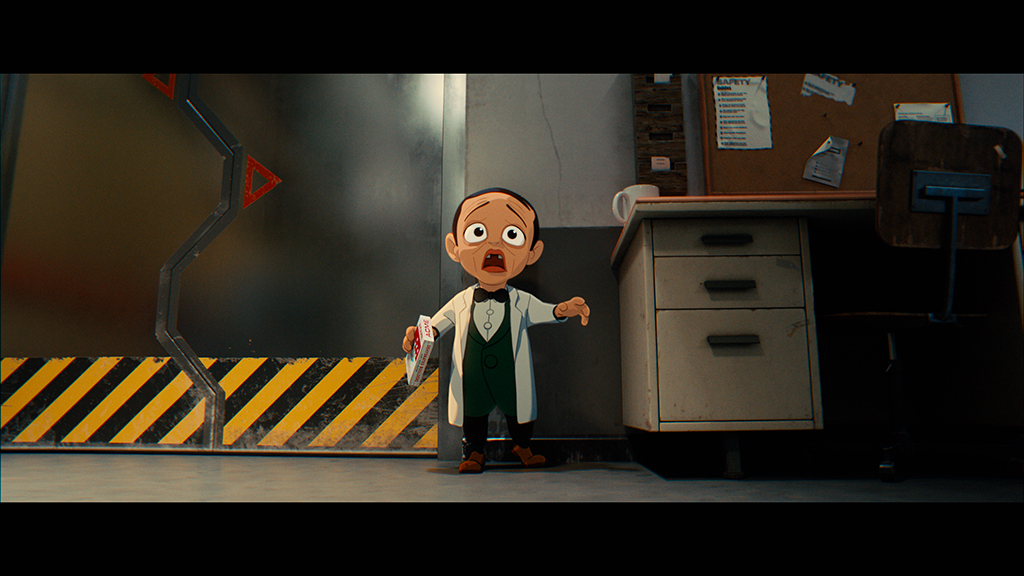
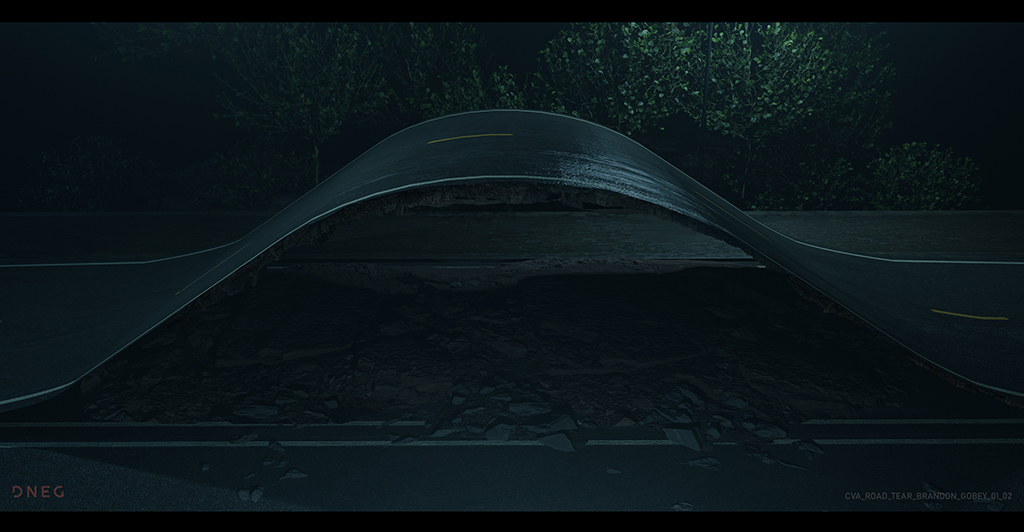
This tension between material truth and cartoon sensibility was particularly evident in sequences featuring iconic tropes, such as a falling piano crashing into a live-action automobile. Special effects teams rigged the vehicle with hydraulic systems to enable rapid physical destruction, while the animation division explored multiple iterations of the gag. Ultimately, the team decided on a heavy, realistic piano interior equipped with exaggerated, lightweight keys and springs designed to maximize comedic effect.
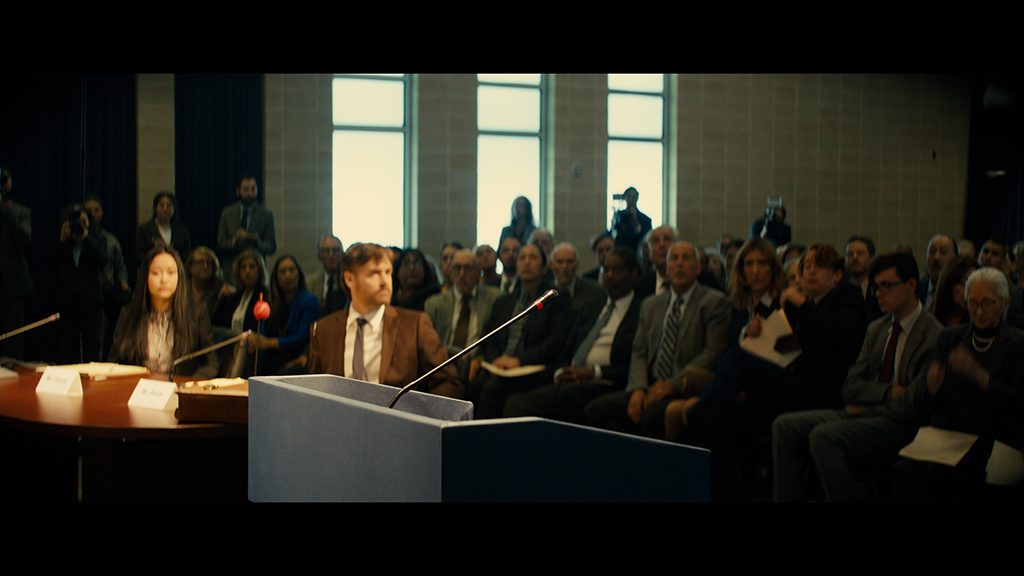
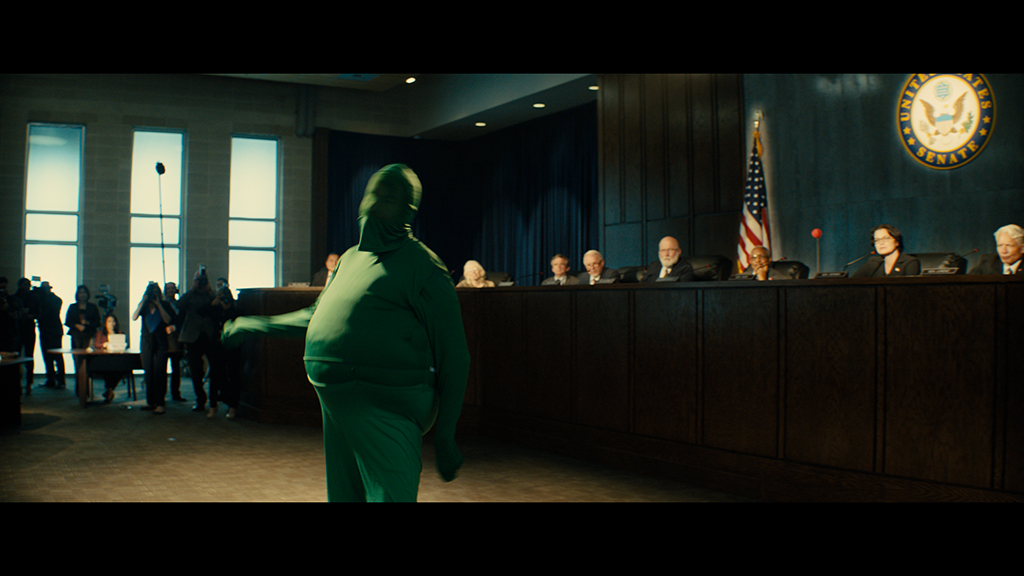
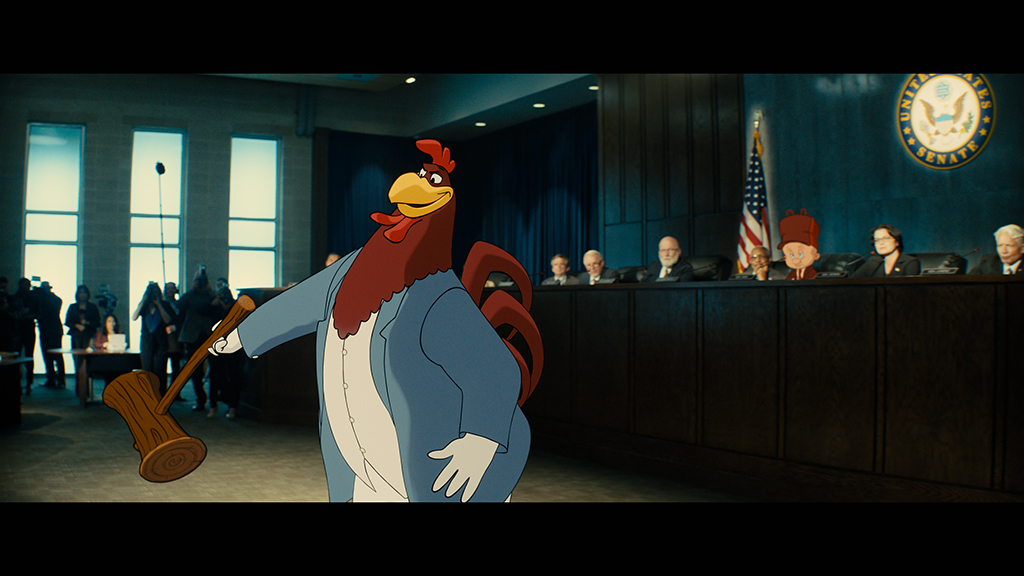
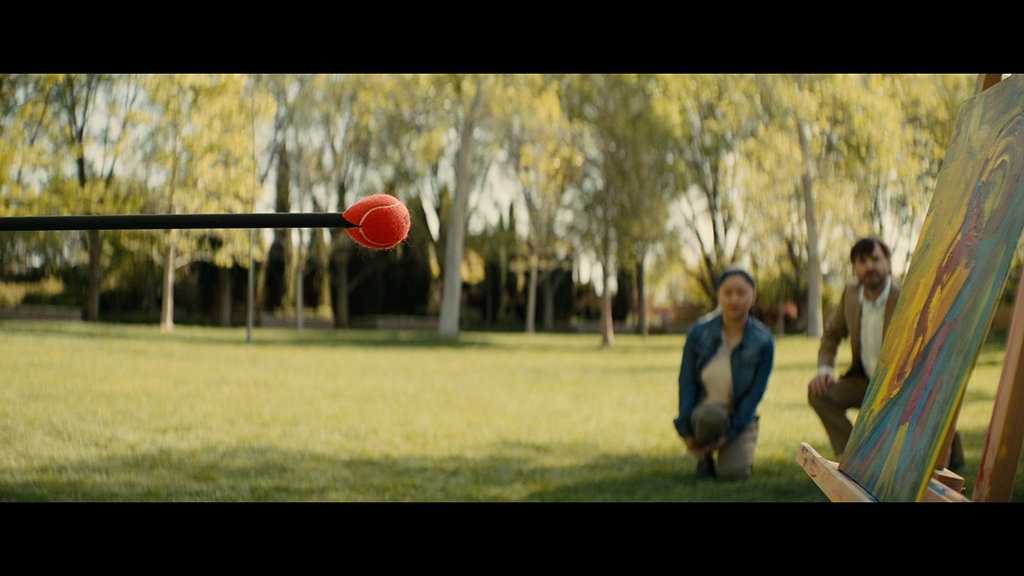
The pipeline also required inventive solutions on set. Rather than relying entirely on digital stand-ins, the production utilized foam puppets, puppeteers such as David Barclay, and performance capture methodologies. For Foghorn Leghorn’s prominent courtroom sequences, mime artist Joe Compton donned a green suit, memorized the character’s extensive dialogue, and delivered physical performances that served as a dynamic visual reference base for the animators and editors.
Rigging and Lighting Challenges
Translating flat, minimalist cartoon aesthetics into three-dimensional space demanded radical adjustments from traditional digital artists. Lighting supervisors had to unlearn conventional photorealistic practices, deliberately stripping away complex multi-source lighting setups to preserve the graphic, clean illumination associated with classic animation.
Rigging presented perhaps the most formidable engineering hurdle. Unlike a standard digital double designed for photorealism, the characters required extreme physical flexibility to execute classic cartoon deformations—such as faces flattening against windshields, bodies turning green, or being blasted by explosives. DNEG established a specialized "gag team" dedicated to re-engineering models, rigs, and miniature pipelines on a shot-by-shot basis to accommodate these extreme physical transformations.
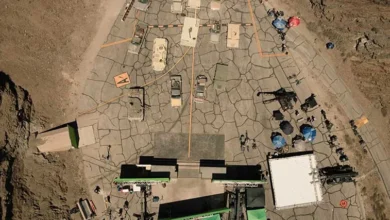
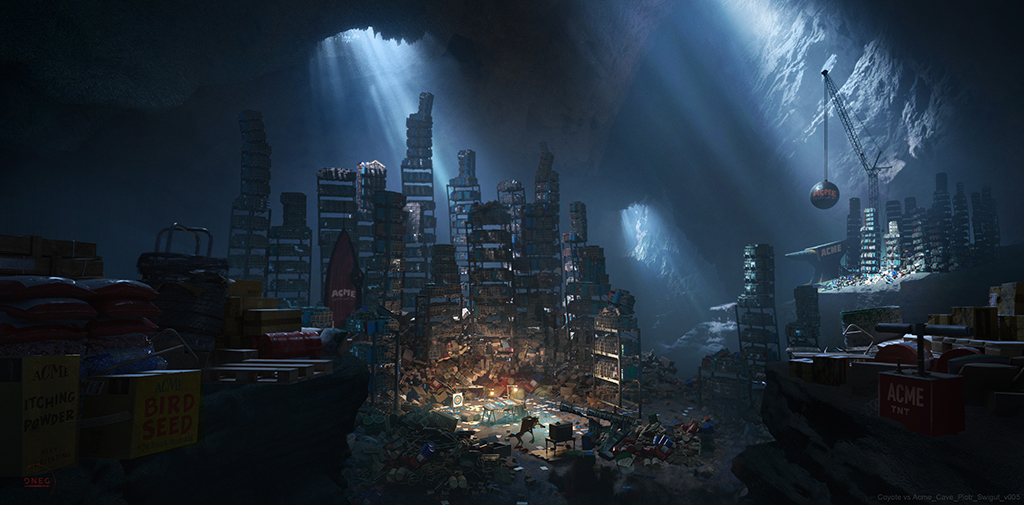
Environments underwent a similar conceptual design phase. The desert landscapes, inspired by traditional Monument Valley imagery, blended familiar photographic textures with unreal, stylized compositions. Unreal Engine was utilized extensively during pre-visualization to choreograph camera movements, establish blocking, and refine spatial relationships before committing assets to final rendering.
Industry Implications and the Road Ahead
The ultimate success of Coyote vs. Acme carries significant implications for how studios approach hybrid filmmaking and intellectual property management. By demonstrating that audiences respond enthusiastically to theatrical releases that respect the visual vernacular of classic animation rather than forcing a mandatory shift toward gritty photorealism, the film charts a potential new path for legacy characters.
For the creative team, the transition from the despair of cancellation to the jubilation of a box-office success remains profoundly validating. As Keith Roberts reflected on the tumultuous production history, the overwhelming positive reception from audiences validated the immense technical and creative risks taken during development. With its successful theatrical run establishing a solid foundation, the project now looks toward its secondary distribution windows, carrying with it a testament to the resilience of its creators and the enduring appeal of the Looney Tunes legacy.