Animation Industry Navigates Major Shifts with Disney Layoffs, SDCC Previews, and New Creative Ventures

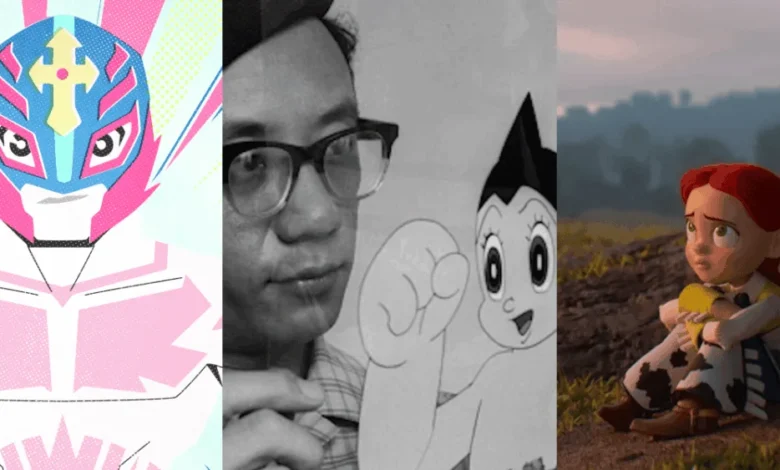
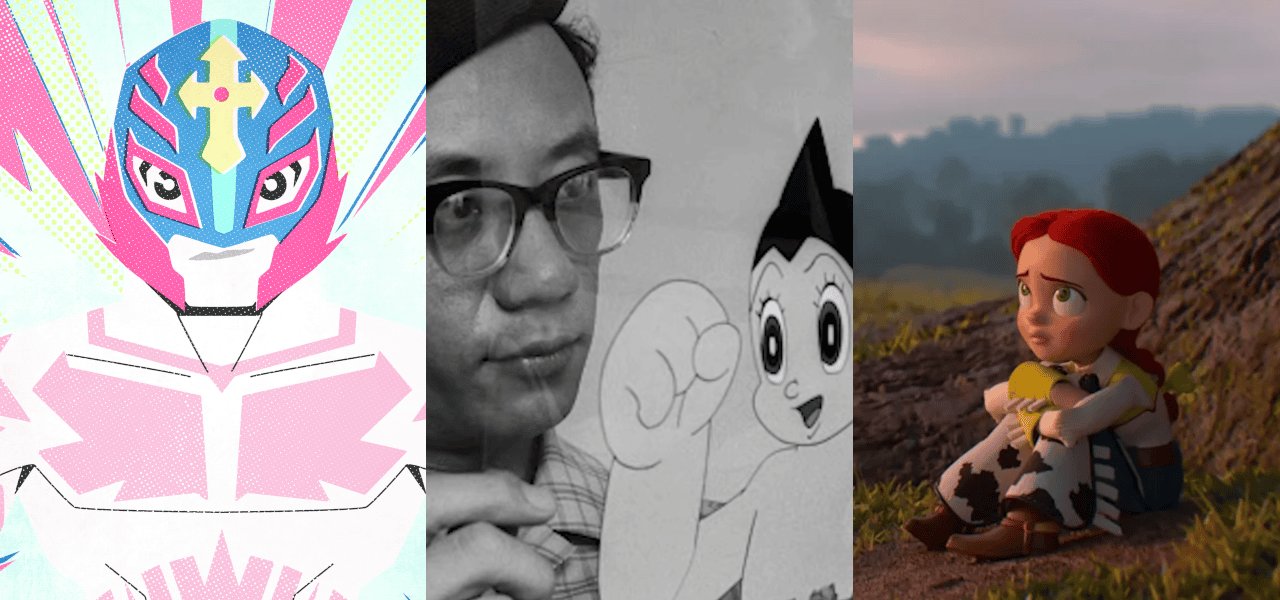
The global animation industry is experiencing a period of intense transformation, marked by significant corporate restructuring at major studios, the unveiling of highly anticipated projects at prominent festivals, and strategic shifts in content distribution. This week, the spotlight shone on both the creative innovations emerging from San Diego Comic-Con (SDCC) and the sobering realities of economic pressures, particularly impacting The Walt Disney Company’s animation divisions. While new animated epics like ¡Viva Calavera!’s Rey Mysterio vs. the Darkness and insightful documentaries such as TEZUKA! God of Manga generated buzz, the third round of layoffs at Disney under CEO Josh D’Amaroo cast a long shadow, reportedly hitting Pixar Animation Studios particularly hard. Simultaneously, other key developments included Oscar-winning director Mark Andrews taking the helm of an animated John Carter, Warlord of Mars series, Disney Jr.’s quiet launch of Ozzy Fox on YouTube, Spain’s Weird Market relocating to the prestigious Sitges International Fantastic Film Festival, and Kosovo’s Anibar Festival announcing its 2026 award winners, collectively painting a picture of an industry in constant flux.
Disney’s Restructuring Continues: Pixar Faces Significant Impact
The Walt Disney Company announced its third major round of layoffs in 2026, signaling a continued effort to streamline operations and reduce costs under CEO Josh D’Amaroo. While the exact number of affected employees across the company remains undisclosed, reports indicate that Pixar Animation Studios, a jewel in Disney’s animation crown, is facing the most severe impact among the film businesses. This development follows previous rounds of job cuts earlier in the year, forming part of a broader corporate strategy aimed at enhancing efficiency and profitability amidst evolving market conditions and increased competition.
The Context of Ongoing Layoffs
The current wave of layoffs at Disney is not an isolated incident but rather a continuation of a company-wide initiative initiated in early 2026. This extensive restructuring began shortly after Josh D’Amaroo assumed the CEO position, succeeding his predecessor who had overseen a period of aggressive investment in streaming content. The initial rounds of layoffs primarily targeted administrative and non-creative roles, with subsequent phases broadening to various departments. The stated goal of these reductions is to achieve substantial cost savings, estimated to be in the billions of dollars annually, and to reorganize the company into more agile, segment-focused divisions. This strategy reflects a broader trend among media conglomerates grappling with the financial demands of the streaming wars and a more cautious approach to spending following years of high-volume content production. The entertainment industry, still recovering from the global economic shifts and changing consumer habits, has seen many studios re-evaluate their operational structures, leading to similar workforce adjustments across competitors.
Pixar’s Specific Challenges and Strategic Shifts
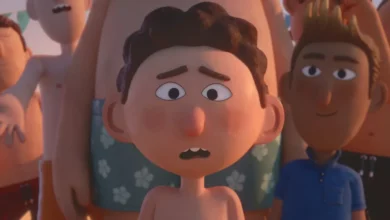
The particular impact on Pixar Animation Studios is noteworthy and raises questions about the future direction of the acclaimed studio. Pixar, renowned for its groundbreaking storytelling and technological innovation, has historically enjoyed a degree of autonomy and stability within the Disney ecosystem. However, recent years have presented unique challenges. While critically lauded, some of Pixar’s recent theatrical releases have not achieved the same box office heights as their predecessors, with several films, including Soul, Luca, and Turning Red, being controversially diverted directly to Disney+ during the pandemic. This strategy, while boosting Disney+ subscriber numbers, potentially diluted the perception of Pixar films as exclusive cinematic events and may have contributed to a re-evaluation of their theatrical potential.
The current layoffs at Pixar could signify a strategic pivot, potentially focusing on fewer, higher-impact projects or a re-alignment of production pipelines. It may also reflect a shift in creative leadership or a move towards more cost-effective production methodologies. Industry analysts suggest that Disney might be looking to integrate Pixar’s operations more closely with its broader animation strategy, potentially leading to a more centralized approach to content development and resource allocation. This could lead to a re-evaluation of development slates, with a greater emphasis on established franchises or properties with clear commercial appeal, alongside a reduced appetite for experimental or niche projects. The morale within the studio, a critical factor for creative output, will undoubtedly be a key concern following these significant workforce reductions.
Broader Financial Landscape for The Walt Disney Company
These layoffs are intrinsically linked to Disney’s broader financial performance and strategic priorities. In recent earnings calls leading up to 2026, Disney executives consistently emphasized the imperative of improving profitability, particularly within its direct-to-consumer (DTC) streaming segment. While Disney+ has rapidly accumulated subscribers, the platform has incurred substantial operating losses due to high content acquisition and production costs. The company’s stock performance has also been under scrutiny, with investors seeking clear paths to sustained growth and profitability.
The cost-cutting measures extend beyond animation, encompassing various divisions including parks, experiences, and consumer products, as well as general entertainment. Disney’s global footprint and diverse portfolio mean that any significant strategic shift will have ripple effects across its vast operations. The goal is to optimize the balance sheet, reduce debt, and free up capital for future strategic investments in areas identified as core growth drivers. This includes a renewed focus on theatrical releases for key franchises, enhancing the profitability of its theme parks, and refining its streaming strategy to ensure long-term viability. The economic climate, characterized by inflationary pressures and cautious consumer spending, further compels large corporations like Disney to adopt stringent financial discipline.
Industry Reactions and Future Outlook
The news of extensive layoffs at Pixar and other Disney divisions has resonated throughout the animation industry, sparking concern and discussion. Talent within the industry often views Pixar as a benchmark for creative excellence and employee welfare, making these cuts particularly impactful. While Disney’s official statements typically emphasize "strategic restructuring" and "optimizing for the future," the human cost of such decisions is undeniable. Many former employees will seek opportunities elsewhere, potentially enriching smaller studios or independent productions with their invaluable experience.
The long-term implications for Disney’s animation output remain to be seen. While cost-cutting can improve short-term financial metrics, excessive reductions can risk stifling creativity and losing key talent, which are the lifeblood of animation studios. The challenge for Disney will be to achieve its financial goals without compromising the artistic integrity and innovative spirit that have defined its animated content for decades. The animation landscape is dynamic, with increasing competition from independent studios, international co-productions, and tech giants investing heavily in animated content. Disney’s decisions in this period of restructuring will undoubtedly shape its competitive position and creative trajectory for the remainder of the decade.
San Diego Comic-Con Spotlights Diverse Animation Offerings
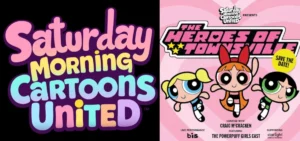
Amidst the corporate restructuring news, San Diego Comic-Con (SDCC) once again served as a vital platform for celebrating and unveiling new animated projects. This year’s event, a cornerstone for pop culture and entertainment, brought exclusive first looks at a vibrant array of animated content, demonstrating the breadth and innovation within the industry.
Rey Mysterio vs. the Darkness: A Lucha Libre Animated Epic
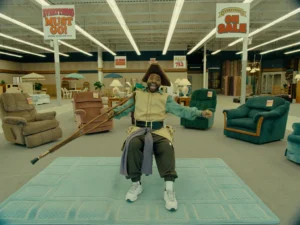
One of the standout animation revelations at SDCC was the exclusive U.S. trailer debut for ¡Viva Calavera!’s Rey Mysterio vs. the Darkness. This highly anticipated series brings the legendary Lucha Libre icon Rey Mysterio into the animated world, blending high-octane action with supernatural elements. Produced by the acclaimed Mexican animation studio ¡Viva Calavera!, known for its distinctive visual style and cultural narratives, the series promises a unique fusion of Mexican folklore, wrestling mythology, and modern animation techniques. The trailer, showcasing dynamic fight sequences and a compelling narrative, was met with enthusiasm from fans, highlighting the growing international appeal of Lucha Libre and the demand for culturally rich animated content. The series is expected to resonate with both wrestling aficionados and animation enthusiasts, offering a fresh perspective on a beloved cultural phenomenon. Its presence at SDCC underscores the festival’s role in showcasing global animation talent and its increasing diversity in storytelling.
TEZUKA! God of Manga: Honoring an Animation Icon
Another significant highlight was the unveiling of a clip from the brilliant-looking documentary TEZUKA! God of Manga. This film delves into the life and unparalleled legacy of Osamu Tezuka, often hailed as the "God of Manga" and the "Father of Anime." Tezuka’s prolific career, marked by groundbreaking works like Astro Boy, Kimba the White Lion, and Black Jack, revolutionized Japanese animation and comics, profoundly influencing generations of creators worldwide. The documentary promises an in-depth exploration of his creative process, his innovative storytelling, and his immense cultural impact. Its presentation at SDCC offers a timely tribute to a figure whose contributions continue to shape the global animation landscape. Such documentaries are crucial for preserving the history and understanding the evolution of animated arts, providing valuable insights for both established professionals and aspiring animators. The clip showcased at SDCC reportedly offered a glimpse into rare archival footage and interviews, further building anticipation for a comprehensive look at Tezuka’s monumental influence.
Mark Andrews Revives John Carter with Animated Series
In a significant creative development, Oscar-winning director Mark Andrews has signed on to co-showrun a proposed animated series adaptation of John Carter, Warlord of Mars. This project signals a potential new life for the classic science fiction property, leveraging the unique strengths of animation.
From Oscar-Winner to Warlord of Mars
Mark Andrews is a highly respected figure in the animation world, best known for directing Pixar’s Brave, which earned him an Academy Award for Best Animated Feature. His work often exhibits a strong narrative drive and a keen eye for character development, qualities that are essential for bringing Edgar Rice Burroughs’ epic tale to the screen. Andrews’ involvement suggests a commitment to high-quality storytelling and visual execution, injecting renewed confidence into a franchise that has experienced mixed fortunes in live-action. His transition from feature film direction to co-showrunning an animated series highlights the increasing prestige and creative opportunities available in episodic animation. The format of a series allows for a more expansive and detailed exploration of Burroughs’ intricate world and characters, something a single feature film might struggle to fully capture.
The Legacy and Potential of the John Carter Franchise in Animation
Edgar Rice Burroughs’ John Carter of Mars series, beginning with A Princess of Mars in 1912, is a foundational text in science fiction literature, influencing countless works that followed. The story of a Confederate veteran transported to Mars (Barsoom) and becoming a legendary warrior has captivated readers for over a century. However, past attempts to adapt the property to the screen, most notably Disney’s 2012 live-action film John Carter, struggled at the box office despite critical appreciation for its visual ambition.
.png)
An animated series offers several distinct advantages for this particular property. Animation provides unparalleled freedom to depict the fantastical landscapes, diverse alien species, and epic battles of Barsoom without the prohibitive costs and creative compromises often associated with live-action CGI. It can also more faithfully capture the pulp adventure aesthetic and imaginative scope of Burroughs’ original vision. The serial nature of an animated series allows for a comprehensive adaptation of the extensive literary canon, developing characters and plotlines across multiple seasons. This move reflects a growing trend in the industry to revisit classic literary properties through animation, recognizing its potential for world-building and character development on a grand scale. Andrews’ leadership suggests a sophisticated approach that could finally do justice to the beloved Warlord of Mars.
Global Animation Scene Buzzes with New Projects and Strategic Shifts
Beyond the major headlines, the global animation industry continues to thrive with a diverse array of new projects and evolving market strategies, showcasing its dynamic and interconnected nature.
Disney Jr. Expands Digital Footprint with Ozzy Fox
Disney Jr., the brand dedicated to preschool and young children’s programming, quietly released Ozzy Fox, a new YouTube-native series aimed at kids and families. Produced by France’s Animaj, this launch signifies Disney’s continued strategy to leverage digital platforms, particularly YouTube, as a proving ground for new content and a direct channel to engage younger audiences. The "quiet release" approach allows for testing audience reception and iterating on content without the pressures of a traditional linear television or major streaming service launch. It also highlights the growing importance of international co-productions, with French animation studios like Animaj being key players in producing high-quality content for global markets. This move underscores Disney Jr.’s commitment to diversifying its content pipeline and reaching children wherever they consume media, reflecting a broader industry trend of embracing multi-platform distribution for early childhood education and entertainment.
Spain’s Weird Market Finds New Home at Sitges
In a significant move for European animation, Spain’s Weird Market, a prominent event for animation, video games, and new media, announced its new home as part of the legendary Sitges International Fantastic Film Festival. This relocation is arguably one of the biggest news items from Spain this week for the animation sector. The Sitges Festival, renowned globally for its focus on fantasy, horror, and science fiction cinema, offers an exceptional platform for the Weird Market. This integration will significantly elevate the market’s profile, providing animation professionals with enhanced networking opportunities, increased visibility for projects, and access to a broader audience of film industry executives, distributors, and enthusiasts who converge at Sitges. The synergy between a market dedicated to animation and new media and a festival celebrating genre cinema promises to foster new collaborations and expand the reach of Spanish and international animated content within the fantastic film ecosystem. It reinforces the growing recognition of animation as a vital component of genre filmmaking and a powerful medium for imaginative storytelling.
Anibar Festival Celebrates 2026 Animation Excellence
Finally, Kosovo’s Anibar International Animation Festival unveiled its 2026 winners, celebrating excellence and innovation in animated filmmaking from around the world. Anibar, which has grown to become a significant cultural event in Southeast Europe, plays a crucial role in showcasing independent animation, fostering artistic exchange, and promoting the art form in a region where animation resources may be less abundant. The festival’s awards highlight diverse styles, narrative approaches, and technical achievements, bringing recognition to both established and emerging talents. Such festivals are vital incubators for creativity, providing platforms for artists to share their visions, receive critical feedback, and connect with a global community. The specific winners, though not detailed in the original brief, would represent a snapshot of the year’s most compelling animated works, contributing to the rich tapestry of global animation culture and offering insights into contemporary themes and artistic trends.
Conclusion: A Dynamic and Evolving Animation Industry
The animation industry, as evidenced by this week’s developments, remains a vibrant yet complex landscape. The ongoing restructuring at major players like Disney underscores the intense economic pressures and strategic recalculations faced by large media conglomerates. Yet, concurrently, the industry continues to innovate and expand its creative horizons, as demonstrated by the diverse projects unveiled at SDCC, the strategic adaptation of classic properties like John Carter, and the evolution of distribution models through platforms like YouTube. The resilience of international festivals and markets, adapting and finding new synergies, further illustrates the global community’s commitment to the art form. This blend of corporate challenge and creative vitality defines the current era, promising a dynamic future where innovation and adaptation will be key to success in the ever-evolving world of animation.