James Gunn and Peter Safran Depart DC Studios Following Massive Paramount Warner Bros Discovery Merger Shakeup

The landscape of major Hollywood studio leadership has undergone a seismic transformation as the $111 billion acquisition of Warner Bros. Discovery (WBD) by Paramount has triggered a cascade of executive departures. Among the most significant shifts is the announcement that James Gunn and Peter Safran, the co-presidents of DC Studios, are stepping down from their leadership roles. This transition concludes a four-year tenure defined by an aggressive attempt to unify DC’s sprawling film, television, and animation divisions under a singular, cohesive narrative umbrella.
The departure of the duo comes just one month after they were explicitly named as part of the leadership team under the new Skydance-led corporate structure. Their exit follows the broader corporate restructuring that recently saw the departure of Warner Bros. film chiefs Michael De Luca and Pamela Abdy, who were replaced by Paramount veterans Dana Goldberg and Josh Greenstein. In the wake of this executive vacuum, former Marvel executive Jeremy Latcham has been appointed as the new president and chief creative officer of DC Studios, tasked with navigating the brand through its next phase of integration.
A Chronology of the DC Studios Leadership Era
The appointment of Gunn and Safran in October 2022 was initially framed as a definitive solution to the fragmented state of DC’s intellectual property. At the time, Warner Bros. Discovery CEO David Zaslav sought to emulate the success of the Marvel Cinematic Universe (MCU) by creating a streamlined management structure. Gunn, an acclaimed filmmaker, was brought on to handle creative vision and storytelling, while Safran, an experienced producer, was charged with the fiscal and logistical operations of the studio.
The following timeline highlights the key milestones of their tenure:
- October 2022: James Gunn and Peter Safran are officially appointed as co-CEOs of DC Studios, reporting directly to David Zaslav.
- January 2023: The duo announces the first chapter of their revamped DC Universe (DCU), titled "Gods and Monsters," promising a decade-long plan for interconnected storytelling.
- 2024–2025: Implementation of a cross-platform strategy where animation and live-action projects share a unified continuity, with actors lending their voices to animated iterations of their live-action counterparts.
- November 2026: Following the finalization of the $111 billion Paramount/WBD merger, Gunn and Safran announce their resignation. Jeremy Latcham is named as their successor.
The Strain of Corporate Stewardship
The transition away from administrative roles appears to be driven by a combination of corporate realignment and personal burnout. In a detailed statement released via Instagram, Gunn candidly discussed the tension between the duties of a studio executive and the creative impulses of a filmmaker. He noted that the "corporate nature" of the role had become increasingly burdensome, consuming the time and creative energy he previously reserved for his own projects.
"I dislike the at-times corporate nature of the job," Gunn stated, publicly thanking Safran for managing the bulk of the administrative pressure. He emphasized that the past four years had left little room for the creative recharge necessary for a filmmaker, noting, "As a filmmaker, I would at least get to take short breaks to unwind, and I’ve stolen even that time from both myself and my loved ones over the past four years."
Despite his resignation, Gunn confirmed that his relationship with DC remains intact. He is currently penning an additional project and intends to maintain a creative advisory capacity. His departure signals a return to the "pure filmmaking" that defined his earlier career, a transition that many industry analysts view as a necessary step for the director to avoid professional exhaustion.
Strategic Implications for DC Animation and Continuity
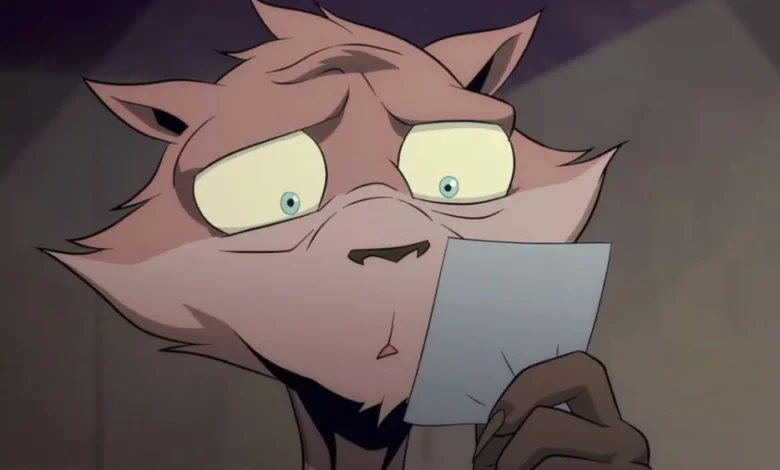
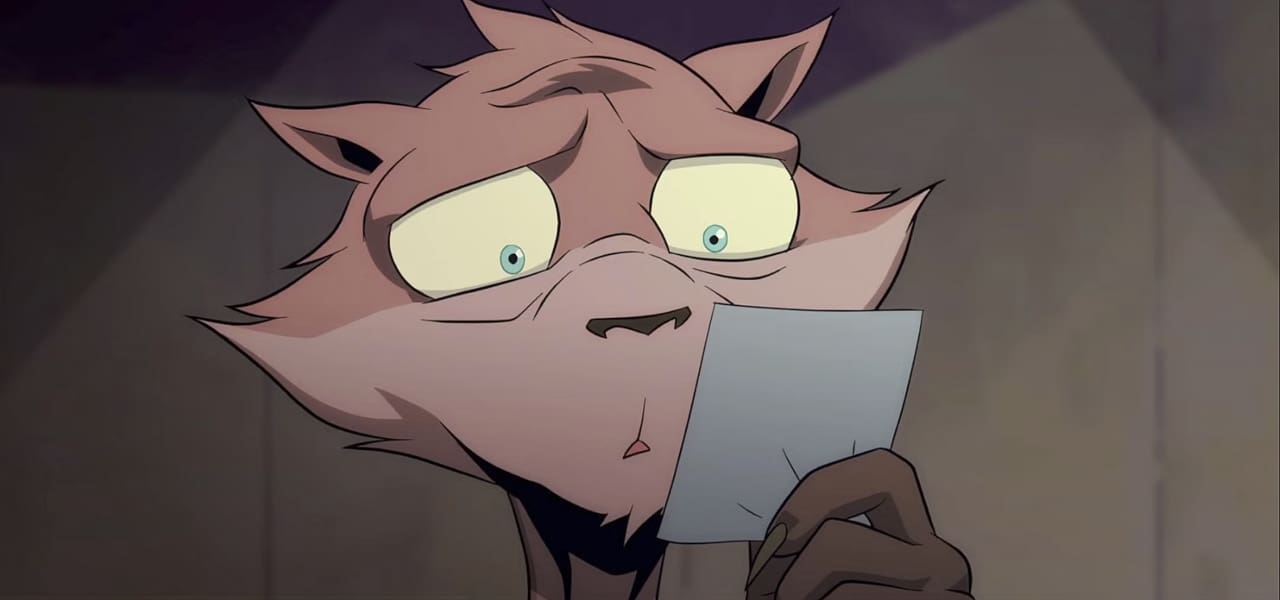
One of the most ambitious facets of the Gunn-Safran era was the integration of animation into the core DCU narrative. Unlike previous iterations of the DC franchise, where animated films operated in silos, the duo established a model where animation was as essential to the continuity as the live-action blockbuster films. The series Creature Commandos, for example, was designed as a pillar of this strategy, featuring characters who would eventually migrate into the live-action space.
The appointment of Jeremy Latcham—who brings a wealth of experience from his tenure at Marvel Studios—suggests that the new ownership may look to evolve this strategy rather than abandon it. Latcham’s background in high-level franchise management is expected to bring a different operational rhythm to DC. However, the move also introduces a period of uncertainty for staff currently working on ongoing animated projects, many of whom are waiting to see if Latcham will maintain the strict continuity mandates established by his predecessors.
Industry Context: The Mega-Merger Ripple Effect
The departure of Gunn and Safran cannot be viewed in isolation. It is a direct symptom of the ongoing consolidation within the entertainment sector. The Paramount-WBD merger is among the largest in media history, designed to aggregate vast libraries of content to compete with tech-driven streamers like Netflix, Amazon, and Apple.
When such large-scale mergers occur, "synergy" is the primary goal, which often translates to the consolidation of duplicate roles and the replacement of existing management with teams aligned with the new parent company’s vision. The installation of Dana Goldberg and Josh Greenstein as heads of film at the combined entity underscores a desire for continuity with the Paramount leadership culture.

For employees and stakeholders at DC Studios, the arrival of Latcham brings both risk and opportunity. Analysts suggest that while the shift in leadership may cause short-term turbulence, it also provides a blank slate for the new owners to redefine the studio’s output. Historically, major studio leadership transitions in the superhero genre have led to pivot points in tone and target audience; whether DC will move toward a more contained storytelling model or continue its current path of massive world-building remains the primary question for investors.
Analyzing the Future of the DC Brand
As DC Studios enters its post-Gunn-Safran era, the focus will likely shift toward financial stabilization. The original "Gods and Monsters" slate was built on the assumption of a high-budget, multi-year pipeline. With a new management team, the studio may look to re-evaluate the cost-to-benefit ratio of these ambitious projects.
Furthermore, the integration of DC’s animation wing remains one of the most complex tasks for any incoming president. Animation production cycles are notoriously long, and the commitment to cross-medium continuity requires a level of coordination that has historically been difficult to maintain at the scale DC requires. If Latcham chooses to maintain this structure, he will be managing one of the most complex production pipelines in Hollywood. If he chooses to pivot, it could result in the cancellation or significant alteration of projects already deep in development.
In the immediate term, the industry is watching for signs of stability. Gunn’s departure is a high-profile exit, but it is also a testament to the brutal demands of modern studio leadership. As the entertainment industry continues to consolidate, the ability to balance the bottom-line requirements of a multi-billion dollar merger with the creative demands of a massive, multi-media franchise will remain the ultimate test for figures like Latcham.
For now, the transition serves as a reminder that even the most celebrated architects of a cinematic universe are subject to the broader, often volatile, tides of corporate ownership. As the dust settles on the merger, the focus will return to the screen, where the final results of the Gunn-Safran era will continue to play out, even as a new chapter begins under different leadership. The continuity of the DCU, both in terms of narrative and executive oversight, now rests in the hands of a new administration, leaving fans and industry insiders alike to wait for the next major announcement regarding the studio’s future slate.
Related posts: