Reflecting on a Quarter Century of Bridget Jones: How Specificity and Anti-Vanity Redefined the Modern Romantic Comedy

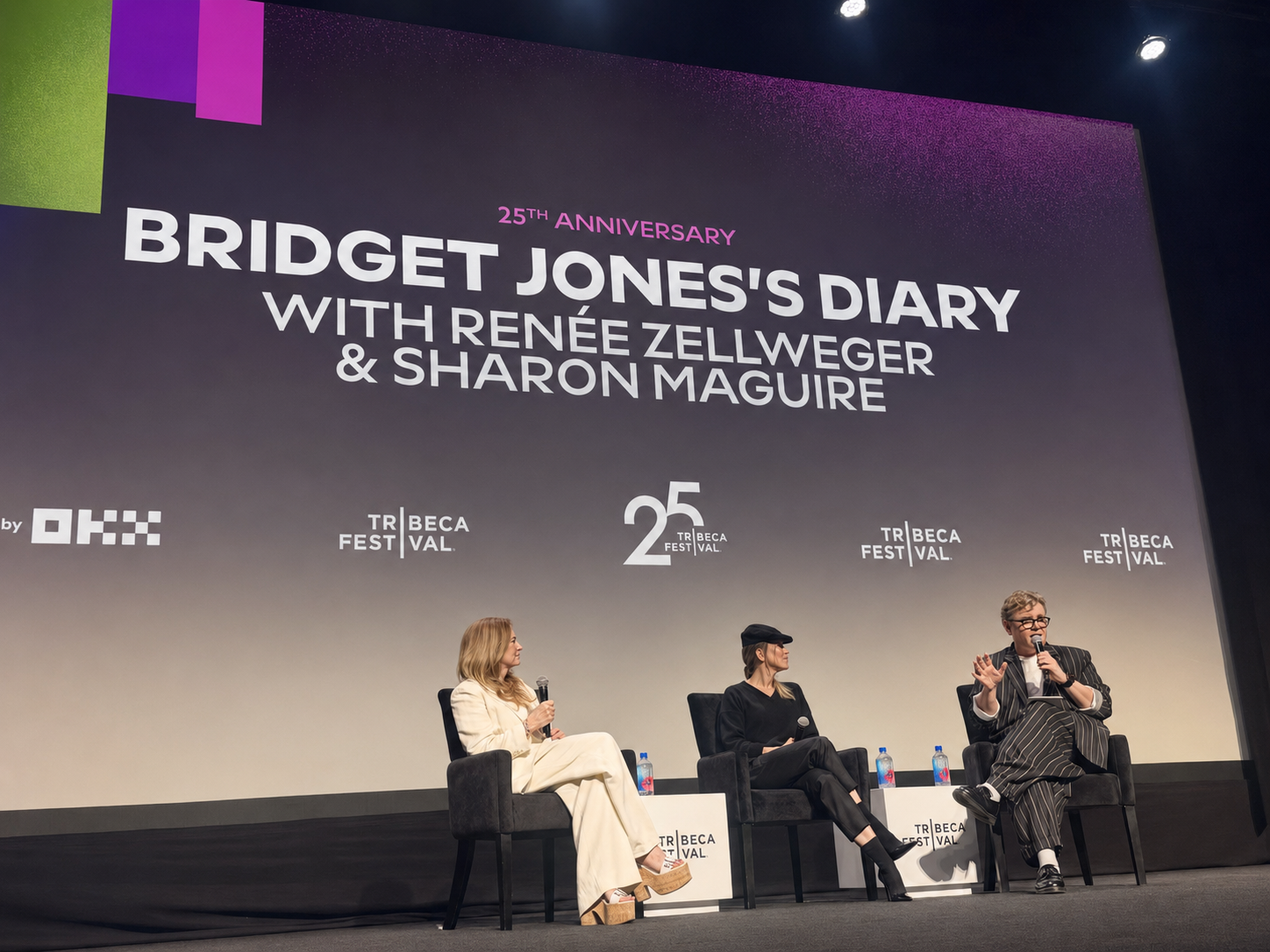
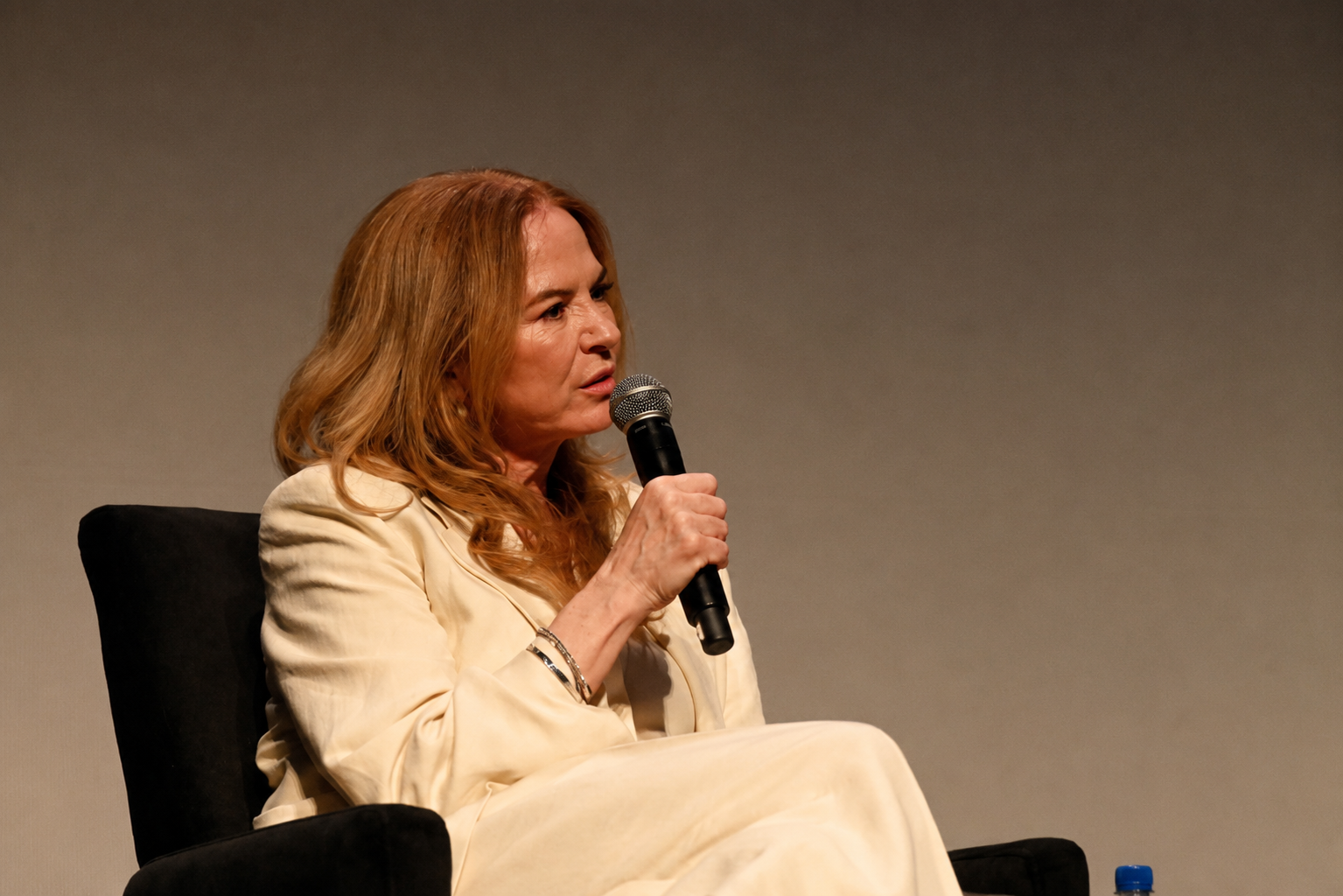
The 2026 Tribeca Festival marked a significant cinematic milestone by celebrating the 25th anniversary of Bridget Jones’s Diary, the groundbreaking romantic comedy that fundamentally shifted the landscape of contemporary studio filmmaking. Director Sharon Maguire and Academy Award-winning actress Renée Zellweger reunited on stage for a retrospective conversation moderated by cultural critic H. Alan Scott, offering a rare, candid look behind the scenes of a production that transformed unglamorous realism into an enduring global cultural touchstone.
From its frantic, down-to-the-wire post-production schedule in 2001 to its lasting legacy within design, character development, and modern Hollywood financing, the silver anniversary screening served as both a nostalgic celebration and a sharp analytical appraisal of how the film achieved its legendary status against substantial industry skepticism.
A Race to the Finish Line: The Surprising Genesis of a Global Phenomenon
The production history of Bridget Jones’s Diary is defined by intense creative pressure and last-minute hurdles. Speaking to the Tribeca audience, director Sharon Maguire revealed that she completed the final audio dub for the film mere minutes before its initial press screening for critics. Too consumed by the technical demands of finishing the project to attend, Maguire waited anxiously elsewhere until a producer called with unexpected news: several hard-to-please critics had stood up and applauded as the credits rolled. That impromptu ovation served as the very first indicator—preceding any formal review or New York premiere—that the adaptation of Helen Fielding’s wildly popular newspaper column might transcend its humble beginnings.
The momentum continued at the high-profile Ziegfeld Theatre premiere in New York City. Co-star Hugh Grant, who had not seen a single frame of the completed movie prior to the screening, sat directly behind Maguire. Ten minutes into the film, Grant tapped her on the shoulder to whisper, “Shars, this is actually quite good.” Just two minutes later, another tap followed: “You know what’s worse? Mrs. Firth is actually better than me.”
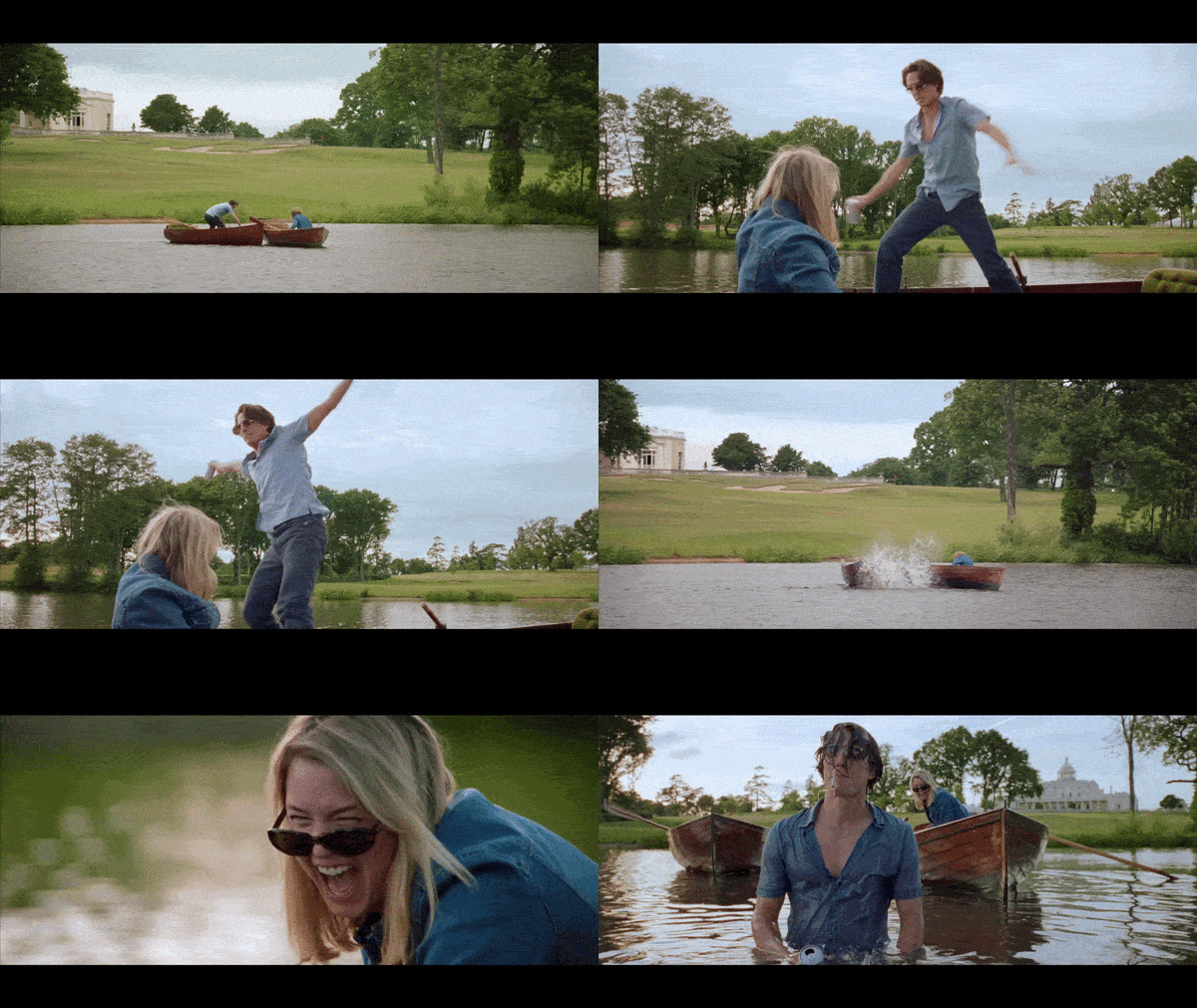
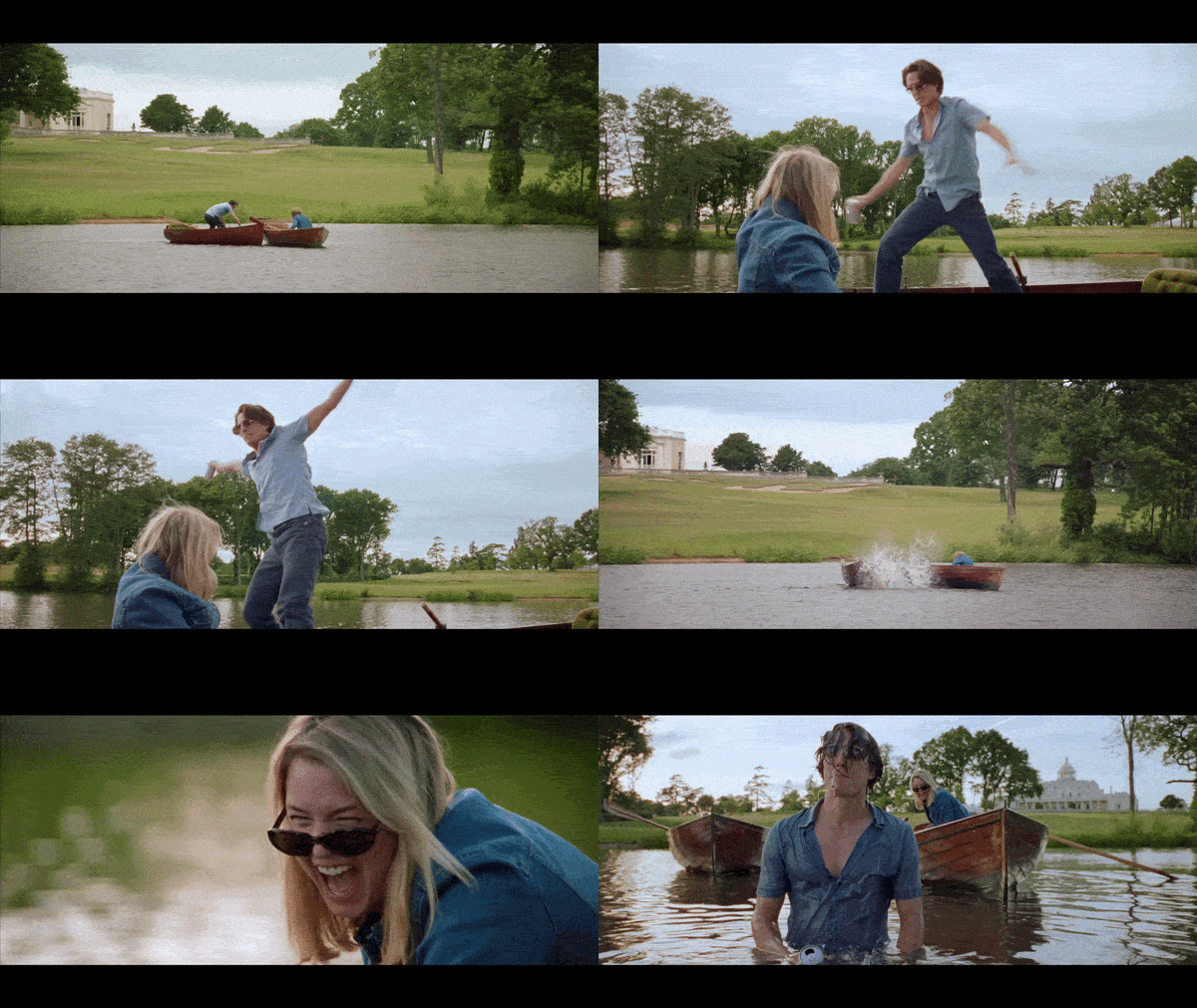
Grant’s self-deprecating comment referred to Renée Zellweger, reflecting an affectionate in-joke on set where Grant and Colin Firth had playfully dubbed each other “Mr. Grant” and “Mrs. Firth” while debating who truly carried the romantic lead. Twenty-five years later, the audience at Tribeca echoed that initial critical enthusiasm, erupting into spontaneous applause not only at the opening title card, but also during classic cinematic moments, such as the iconic, brawling street confrontation between Mark Darcy and Daniel Cleaver outside Bridget’s flat.
Building Character Through Unapologetic Realism
Beyond its commercial success, the enduring cultural footprint of Bridget Jones’s Diary lies in its revolutionary approach to character design and narrative texture. When adapting Helen Fielding’s source material, Maguire prioritized the visceral texture of everyday life over tidy, Hollywood-polished plot mechanics. Turkey curry buffets, weekend mini-breaks, glasses of chardonnay, awkward office email flirtations, and control-top underwear formed the backbone of the film’s distinct identity.
The latter element—now universally recognized as the “big pants” scene—initially faced profound incomprehension from the male members of the production crew. Maguire recalled having to take a male producer aside to explain the mundane reality of shapewear: these were the undergarments worn on a first date, carefully removed before matters escalated. Even with the explanation, the nuance eluded him.
This creative friction underscores a foundational principle of effective storytelling and design: the embrace of hyper-specific, embarrassing, or unglamorous details over generic, mass-marketed polish. While traditional romantic comedies prior to 2001 largely featured hyper-aspirational, flawless heroines designed to flatter audience fantasies, Bridget Jones shattered that convention. Maguire and Fielding relied on the premise that authentic human neurosis, localized to a particular British experience, would paradoxically translate into a universal language recognized by audiences worldwide.
The Liberation of Physical Performance and the Burden of Vanity
For Renée Zellweger, stepping into the role demanded a total abandonment of conventional Hollywood vanity. The actress noted that the most liberating aspect of the production was receiving explicit permission to deliver an authentic physical performance—crying with running mascara, enduring a snotty nose, or letting her hair blow wildly in the wind without a grooming crew rushing in between takes.
This absence of artificial polish was not a production constraint to be managed, but rather the core of the performance itself. Maguire highlighted the dedication required for the aforementioned big pants sequence, for which Zellweger specifically requested a tighter pair of undergarments to ensure the physical struggle on screen appeared entirely genuine. The costume was never utilized merely as a superficial gag; it actively performed heavy character work, proving effective precisely because both the director and actor treated an awkward physical reality as the dramatic focal point rather than something to soften.
Overcoming Early Controversy: Casting, Accents, and Body Discourse
The road to the screen was fraught with external resistance, most notably surrounding Zellweger’s casting. As a Texan stepping into the shoes of one of contemporary British literature’s most cherished fictional creations, Zellweger faced harsh tabloid scrutiny long before cameras rolled. Maguire recalled the severe media backlash that questioned whether an American could successfully capture the quintessential British cadence. Zellweger ultimately silenced her critics with a critically acclaimed accent so convincing that many viewers remained unaware of her American origins for years.
However, a much darker thread of 2001 media discourse centered relentlessly on Zellweger’s body. To prepare for the role, the actress gained approximately twenty pounds, a professional requirement that mainstream outlets treated not as a standard acting choice, but as the primary headline of the film’s release. Publications deployed pointed, body-shaming commentary—such as the New York Post branding her a “heroine with cellulite,” Variety running the pun “long a-weighted,” and the Los Angeles Times framing her casting through the lens of physical weight rather than dramatic capability.
During the Tribeca panel, moderator H. Alan Scott revisited this toxic coverage with visible frustration, noting how the media’s fixation on weight persisted into the marketing of the 2004 sequel. Zellweger addressed the discourse by tying it back to the film’s broader subversion of beauty paradigms. By refusing to conform to the narrow aesthetic expectations enforced upon romantic comedy leads of the era, Bridget looked and lived like a real person. As Zellweger succinctly observed on stage, “She just looks like her life.”
The Evolving Economics of Filmmaking and Industry Implications
In the latter half of the retrospective conversation, the dialogue shifted toward the contemporary economic realities of the film industry. Maguire and Zellweger reflected on the stark contrast between the financial landscape of 2001 and the current studio ecosystem. With a reported production budget of roughly $46 million, the original film benefited from institutional backing that allowed for deliberate pacing and substantial resource allocation. By comparison, the creators noted that securing an $11 or $12 million budget for a comparable project today—while maintaining a mere seven-week shooting schedule—would be considered an uphill battle.
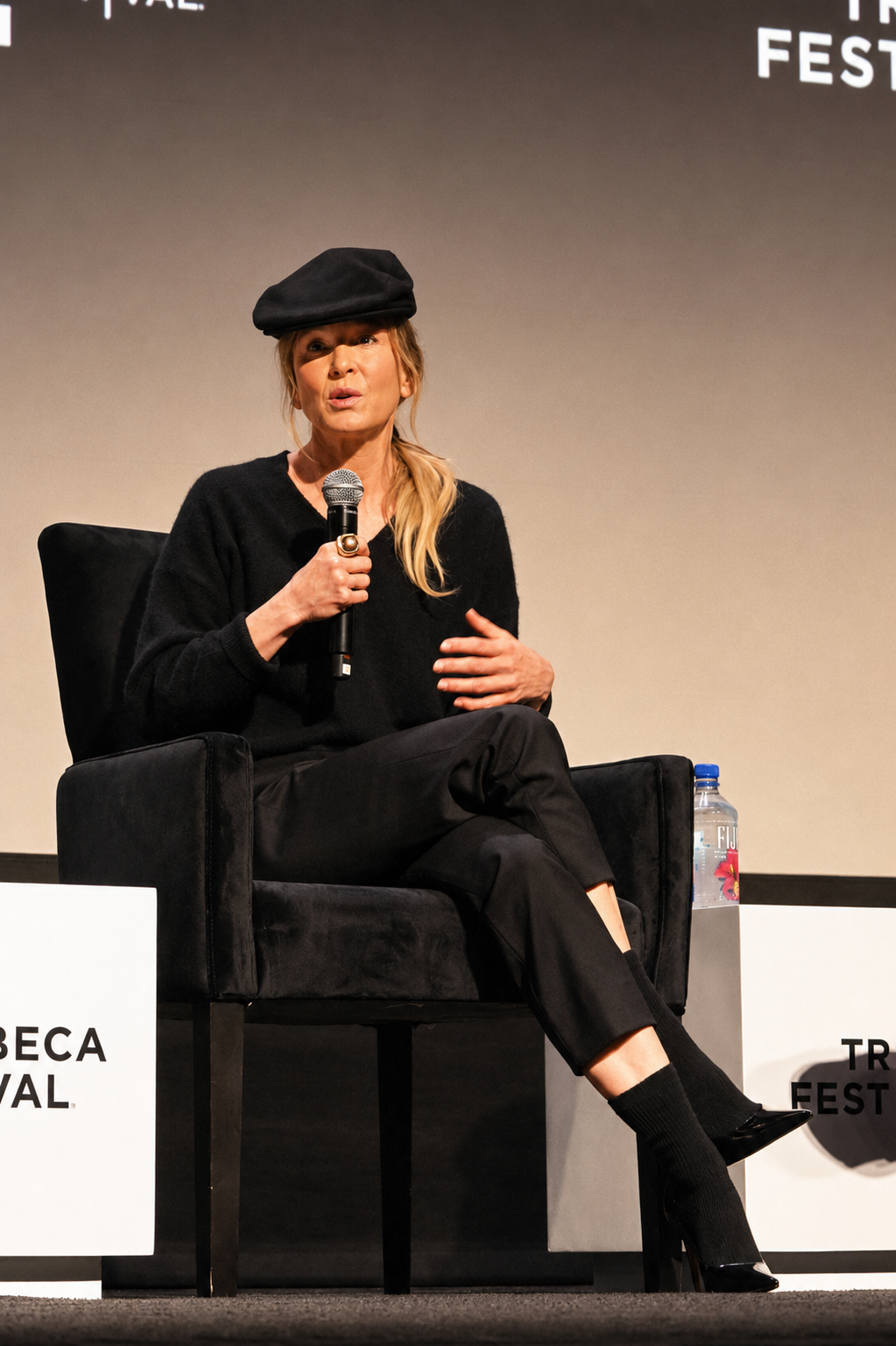
Zellweger attributed this industry contraction to the fragmentation of audience habits and the gradual erosion of the shared theatrical experience that once guaranteed reliable box office returns. Describing the precarious nature of independent and mid-budget filmmaking today, Zellweger offered a pragmatic assessment of modern creators: “We’re minstrels, and we’re going to just make it happen.”
Despite these economic hurdles, both creators remain actively engaged in producing narrative cinema. Maguire recently directed a feature starring Colin Firth, Julianne Moore, and Laura Linney chronicling the creation of the 1972 sex manual The Joy of Sex. Concurrently, Zellweger’s production banner, Big Picture, spearheaded A Woman in the Sun—a three-generation family drama starring Zellweger and Sissy Spacek that has successfully drawn buyer interest on the international festival circuit.
A Lasting Cultural Legacy
Twenty-five years after Bridget Jones first scrambled into theaters, her cultural footprint extends far beyond box office receipts and industry milestones. Zellweger noted a recurring phenomenon in her daily life: she rarely meets strangers anymore, as encounters invariably prompt fans to share their own personal Bridget Jones misadventures. Meanwhile, Maguire continues to recognize fragments of her own personality in the character, a byproduct of the real-life friendship she shared with author Helen Fielding, who originally used Maguire as the real-world model for Bridget’s confidante, Shazzer.
Ultimately, the enduring triumph of Bridget Jones’s Diary lies in a paradox familiar to master storytellers: by crafting a character hyper-specific to one individual’s flaws and neuroses, its creators built a persona that felt like nobody in particular, and therefore like everyone. For contemporary designers, animators, and filmmakers navigating an increasingly homogenized media landscape, that core lesson—that resonance lives in the unpolished details rather than the generic template—remains as vital today as it was a quarter of a century ago.