The Landscape of 2026 Gaming Retail
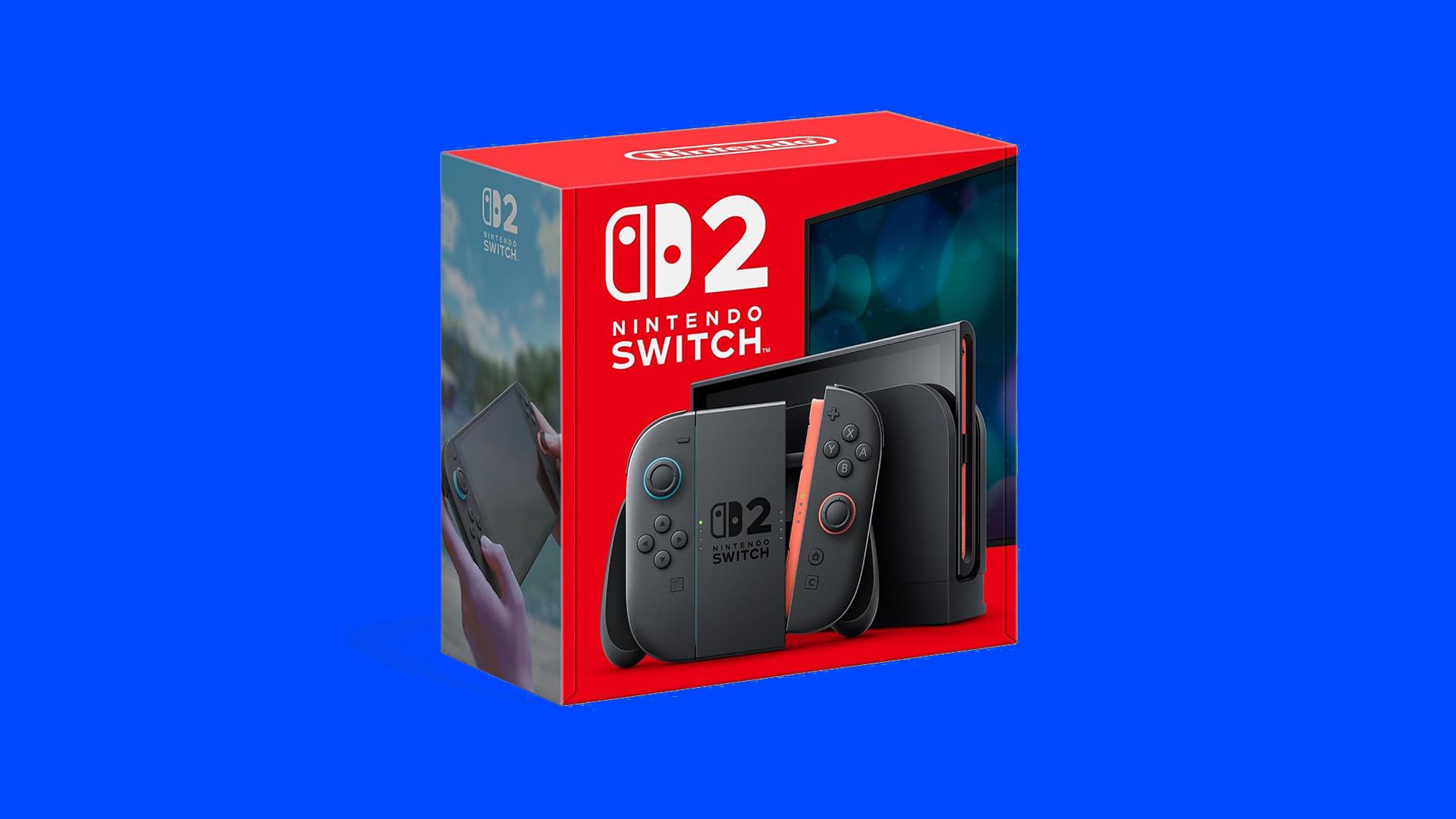
The gaming hardware market in 2026 has been characterized by a complex intersection of geopolitical challenges and component shortages. Nintendo, like many of its peers in the consumer electronics space, has been forced to navigate the "twin challenges" of tariff fluctuations and the persistent global crunch on semiconductors and memory modules. These factors culminated in a significant decision on September 1, when Nintendo opted to raise the MSRP of the Switch 2 from its original launch price of $449 to $499. This $50 increase was widely interpreted by industry analysts as a necessary hedge against inflationary pressures and the rising cost of logistics.
For the American consumer, this price hike has set a high bar for Black Friday expectations. Historically, the Nintendo ecosystem has been notoriously resistant to deep discounting. Unlike competitors who often slash prices by 20% or more during the November sales window, Nintendo’s hardware has historically maintained its value, rarely seeing price cuts unless the console is approaching the end of its lifecycle or bundle-specific promotions are introduced. The current $30 discount at Woot stands as a deviation from this norm, though it is one that has already demonstrated significant volatility; when similar, limited stock appeared on the market in early November, the units sold out within hours, underscoring the intensity of the current supply-demand imbalance.
Chronology of Price Fluctuations
To understand the current market position, it is necessary to examine the timeline of the Switch 2’s retail journey throughout 2026. Following the initial product launch, the console enjoyed a period of relative price stability. However, the announcement of the MSRP increase in September created a ripple effect across major retailers.
- Early 2026: The Switch 2 launched with an initial MSRP of $449, capturing significant market share despite a competitive landscape filled with handheld PCs and established consoles.
- September 1, 2026: Nintendo officially adjusted the MSRP to $499, citing increased costs in global supply chains and logistics.
- October 2026: Minor, localized promotions at retailers like GameStop offered nominal $5 discounts, which were largely dismissed by the broader market as insufficient to drive high-volume sales.
- Early November 2026: The first major, albeit limited, price drop to $469 appeared via select online marketplaces. This inventory was exhausted almost immediately, serving as a bellwether for the holiday season’s scarcity.
- Late November 2026: The current Black Friday period sees the return of the $469 price point, primarily through secondary-market platforms, while major big-box retailers remain largely focused on software bundles rather than hardware price cuts.
Comparative Market Analysis: US vs. UK
The retail behavior in the United Kingdom offers a distinct contrast to the United States. While US retailers are operating under a "scarcity-first" model, the UK market has seen more consistent, albeit modest, discounting. Both Amazon UK and the retailer Very are currently offering the Switch 2 at £389, down from an MSRP of £419. This £30 reduction is more readily available and has not faced the same immediate "sell-out" pressure observed in the US.
Analysts suggest this disparity may be attributed to regional differences in retail distribution and the varying intensity of holiday promotional requirements. In the UK, the tradition of "Black Friday" has evolved into a multi-week sales event, whereas in the US, the concentration of traffic on a single weekend often leads to the rapid depletion of discounted stock. Furthermore, the regulatory environment in the UK and the competitive pressure from high-street retailers like Argos and Currys have historically forced a more aggressive pricing strategy for gaming hardware compared to the more centralized, online-dominant US market.
Economic Implications and Supply Chain Realities
The decision to raise the MSRP of the Switch 2 is not an isolated event but rather a symptom of broader economic trends. The semiconductor industry, which powers the core functionality of the Switch 2, has faced consistent upward pricing pressure throughout 2026. High-end display components and specialized processors, essential for the performance benchmarks expected by modern gamers, have been subject to bidding wars between automotive, mobile, and gaming manufacturers.
For Nintendo, the goal is to balance profitability with the necessity of keeping the platform accessible. By maintaining a high MSRP, the company is effectively protecting its margins while simultaneously signaling that the Switch 2 is a premium product. However, this strategy carries the risk of alienating a segment of the casual gaming market that has become accustomed to more aggressive price competition. The current "deals" found at retailers like Woot are often categorized as tactical inventory clearing or partnership-based promotions rather than systemic price reductions mandated by the manufacturer.
The Role of Software and Accessories
With hardware discounts remaining elusive, many consumers are turning their attention to the ecosystem surrounding the console. The market for Switch 2 accessories has grown significantly, with many retailers offering deeper discounts on peripherals, controllers, and protective gear. Industry data suggests that while the hardware itself is price-inelastic, the accessories segment is highly elastic, allowing retailers to recoup lost hardware margins through the sale of high-margin items like carrying cases, specialized docks, and third-party controllers.
Furthermore, the surge in software sales during the Black Friday window serves as a primary driver of revenue. Retailers are increasingly focusing on bundle deals—pairing the console with one or two flagship titles—as a way to provide perceived value to the customer without formally lowering the price of the console hardware itself. This "value-add" approach is likely to be the standard for the remainder of the 2026 holiday season.
Strategic Advice for Consumers
For those looking to secure a Nintendo Switch 2 during the remainder of the 2026 sales period, market observers suggest a strategy of vigilance. Given that the few available discounts have historically sold out within a matter of hours, consumers are advised to:
- Monitor Specialized Retailers: Keep a close watch on platforms like Woot and other liquidation-adjacent retailers that occasionally secure inventory that larger big-box chains have failed to distribute.
- Prioritize Bundles: In the absence of direct price cuts, look for retailer-specific bundles that include high-value software titles or extended warranties, which provide a better return on investment than purchasing the console at full price.
- Regional Awareness: For consumers with access to international markets, monitoring the exchange rates and availability in the UK or other European territories may reveal better stock availability, though shipping and customs duties must be factored into the total cost of ownership.
- Official Channels: While major retailers are less likely to offer direct discounts, they often host "points" or "loyalty" programs that can provide a rebate in the form of store credit, which effectively functions as a discount on future purchases.
Looking Ahead
The outlook for the remainder of the console cycle remains cautiously optimistic. As production capacity stabilizes in 2027, it is likely that the frequency and depth of discounts will increase. However, for the 2026 holiday season, the reality remains that the Nintendo Switch 2 is a high-demand commodity with limited supply. The current $30 discount is indicative of the market’s current threshold—a small but meaningful nod to consumers—that underscores the ongoing tension between a company seeking to maintain its premium brand identity and a retail sector desperate to capture the attention of value-conscious holiday shoppers. As the calendar turns toward the final weeks of the year, consumers should manage their expectations, prioritizing availability and value-add bundles over the hope for significant, across-the-board hardware price slashes.