Cricut Explore 5 review: a faster, smarter crafting machine that’s perfect for beginners

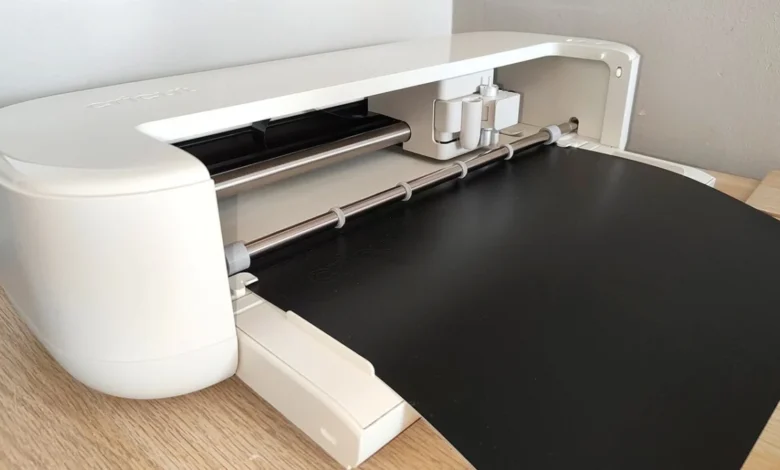
The digital crafting landscape has undergone a significant transformation over the last decade, transitioning from a niche hobbyist market into a multi-billion-dollar industry fueled by the "side-hustle" economy and the rise of platforms like Etsy and Shopify. At the center of this movement is Cricut, a company that has consistently bridged the gap between industrial-grade precision and home-based accessibility. With the release of the Cricut Explore 5, the manufacturer has introduced a refinement of its mid-range series, focusing on compact design, increased throughput speed, and a more intuitive user experience. While not a radical departure from the architecture of its predecessors, the Explore 5 represents a strategic move to capture the entry-level and intermediate market by addressing the primary pain points of previous generations: noise, size, and workflow complexity.
The Evolution of the Explore Series
To understand the positioning of the Explore 5, it is necessary to examine the chronology of the Cricut product line. The Explore series was originally conceived as the "everyday" alternative to the more robust Cricut Maker series. While the Maker line is designed for professional-grade materials—including wood, leather, and unbacked fabric—the Explore series specializes in the most common crafting media: vinyl, cardstock, iron-on (HTV), and paper.
The lineage of the series has seen incremental improvements over the years. The Explore Air 2 introduced "Fast Mode," while the Explore 3 eliminated the need for physical dials, opting for software-based material selection and introducing "Smart Materials" that could be cut without a mat. The Explore 4 continued this trend with improved motor technology. The Explore 5, however, focuses on the physical footprint and the "out-of-the-box" experience, signaling Cricut’s intent to lower the barrier to entry for new users while providing a more efficient secondary machine for established professionals.
Technical Specifications and Design Refinement
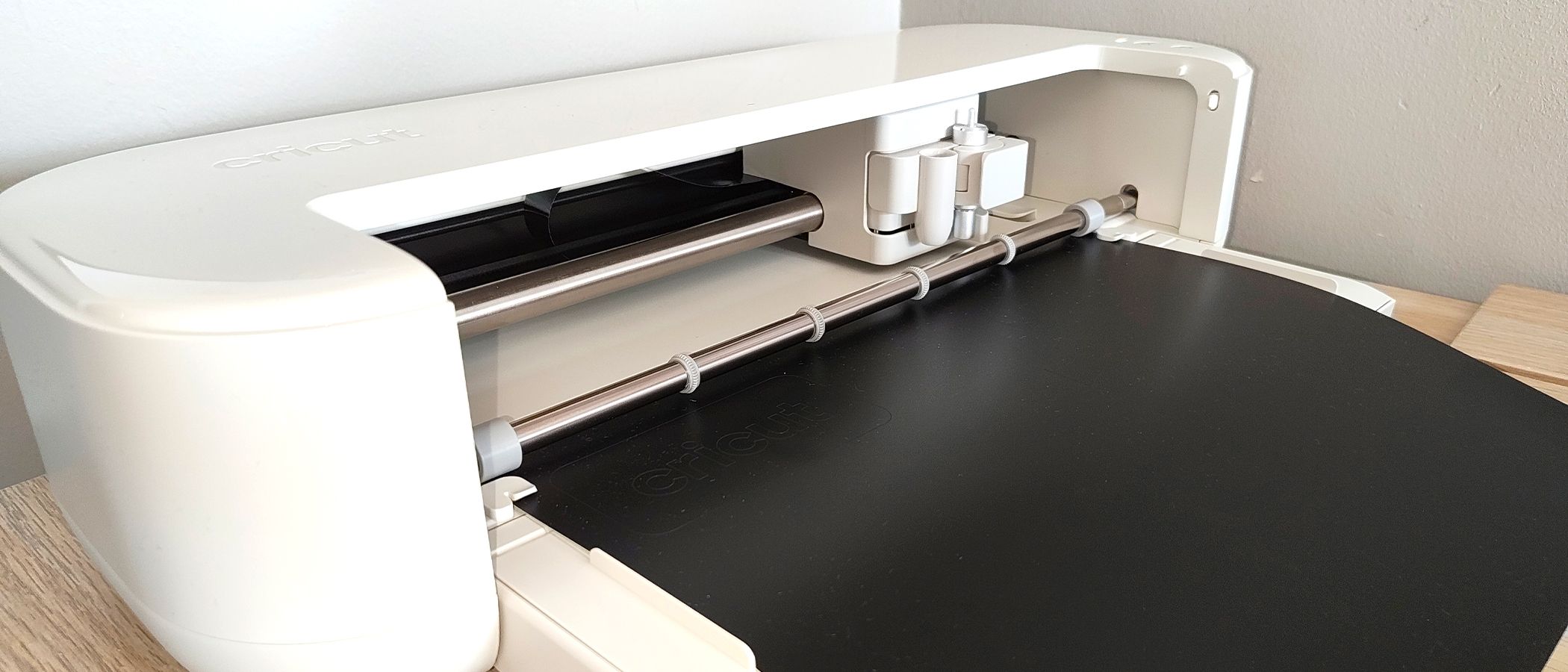
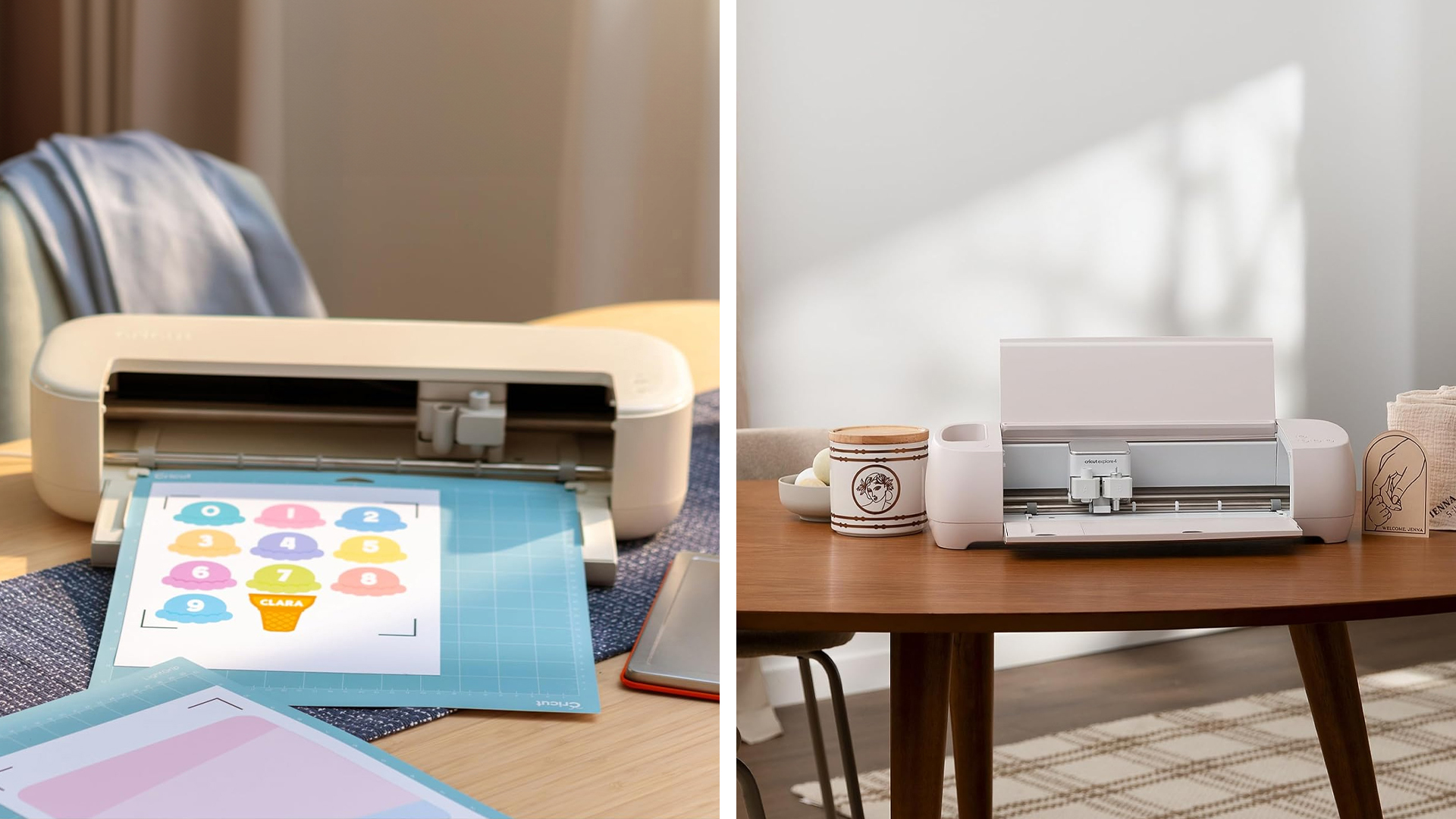
The most immediate physical change in the Explore 5 is its significantly reduced footprint. Measuring approximately 19.8 by 4.7 inches, the unit is notably more compact than the Explore 4 and Explore 3. This reduction in size is a direct response to consumer feedback regarding workspace management. In the modern home office or "craft room," desk real estate is at a premium. By shrinking the external casing without sacrificing the 12-inch cutting width, Cricut has made the machine more viable for permanent placement on a desk alongside other equipment like sewing machines or desktop computers.
The aesthetic of the Explore 5 also shifts toward a more minimalist, "Apple-esque" design. The cleaner lines and modern finish reflect a broader trend in consumer electronics where the tool is intended to blend into a professional home environment rather than look like a specialized industrial appliance.
Beyond aesthetics, the internal mechanics have been upgraded to provide a quieter and smoother operation. Previous iterations of the Explore series were known for a distinct mechanical "chug" during complex cuts. The Explore 5 utilizes refined motor drivers that reduce decibel levels significantly. This noise reduction is not merely a matter of comfort; for small business owners who operate machines for several hours a day, the lower acoustic output reduces fatigue and allows for a more integrated workspace environment.
Performance Metrics: Speed and Precision
In the world of digital cutting, speed is often the primary metric for productivity. The Explore 5 demonstrates a noticeable increase in cutting and drawing speeds compared to previous models. This is particularly evident when using "Smart Materials," which allow the machine to cut at higher velocities because it does not have to account for the shifting of a cutting mat.
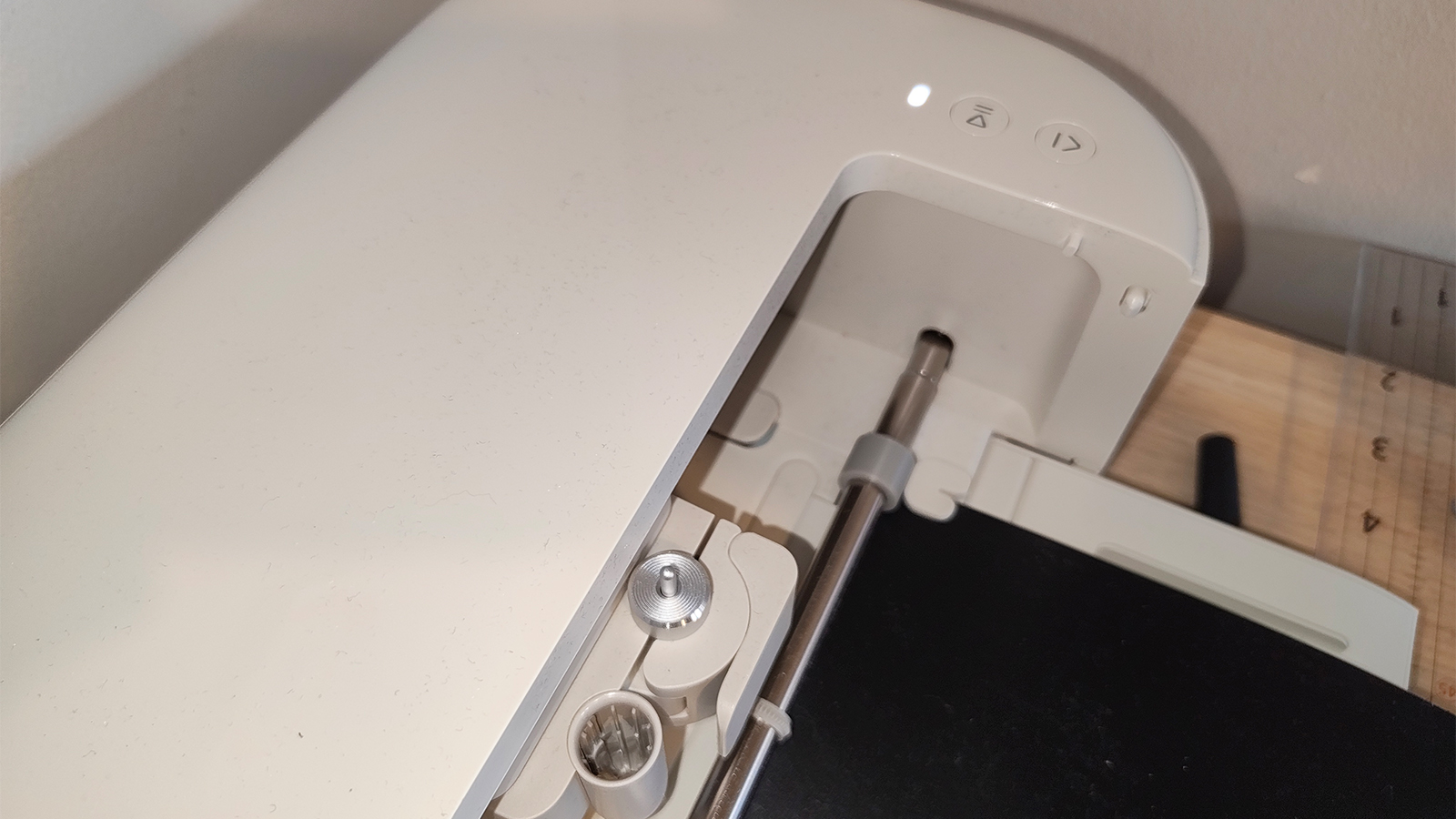
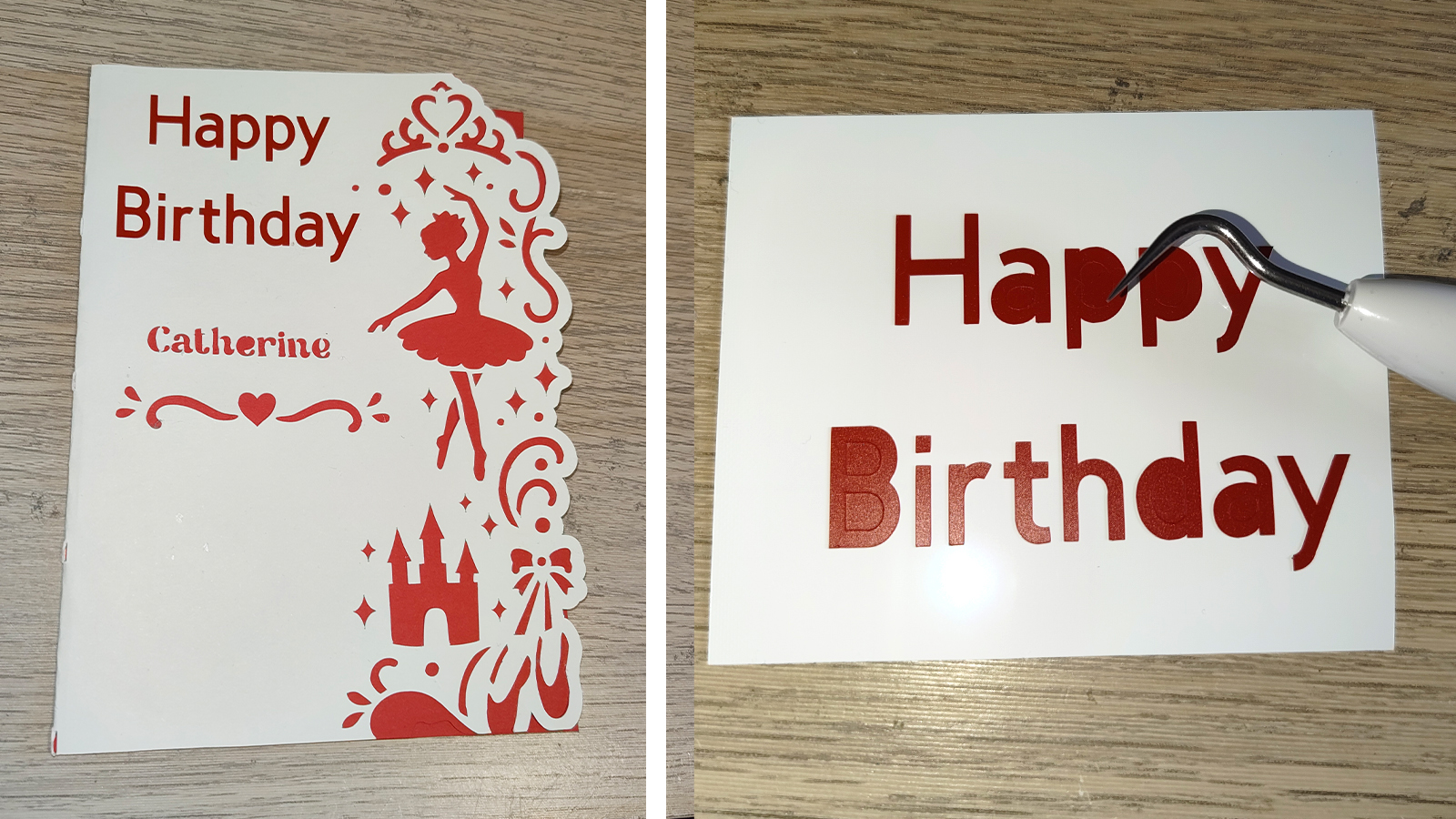
The precision of the cut remains a hallmark of the Cricut brand. During testing with intricate lettering and complex geometric patterns on Smart Permanent Vinyl, the Explore 5 maintained crisp edges and high alignment accuracy. This precision is driven by the machine’s dual-carriage system, which allows it to hold two tools at once—for example, a blade and a pen, or a blade and a scoring stylus. This allows the machine to complete multi-process projects (such as a card that requires both drawing and cutting) without requiring the user to manually swap tools mid-project.
The Starter Bundle: A Strategic Market Entry
One of the most significant aspects of the Explore 5 launch is the composition of its starter bundle. Cricut has historically offered various bundles, but the Explore 5 package is specifically curated to provide a comprehensive "Day One" experience. The inclusion of a scoring stylus is a notable addition that was often missing from previous entry-level bundles.
The scoring stylus expands the machine’s utility into paper engineering, allowing users to create clean, professional-grade folds in cardstock for boxes, 3D structures, and greeting cards. The full bundle includes:
- Cricut Explore 5 machine
- LightGrip cutting mat (for lighter materials like paper)
- Portable paper trimmer
- Double card mat (for high-volume card making)
- Fine-point pen and scoring stylus
- Essential tools: Spatula, weeder, and scraper
- Transfer tape and a variety of materials (Smart Vinyl, Iron-On, Printable Vinyl, and Cardstock)
By providing these tools upfront, Cricut is positioning the Explore 5 as a value-driven investment. This reduces the "hidden costs" often associated with digital crafting, where a consumer might purchase a machine only to find they need another $100 in accessories to complete their first project.
Software Integration: The Design Space Ecosystem
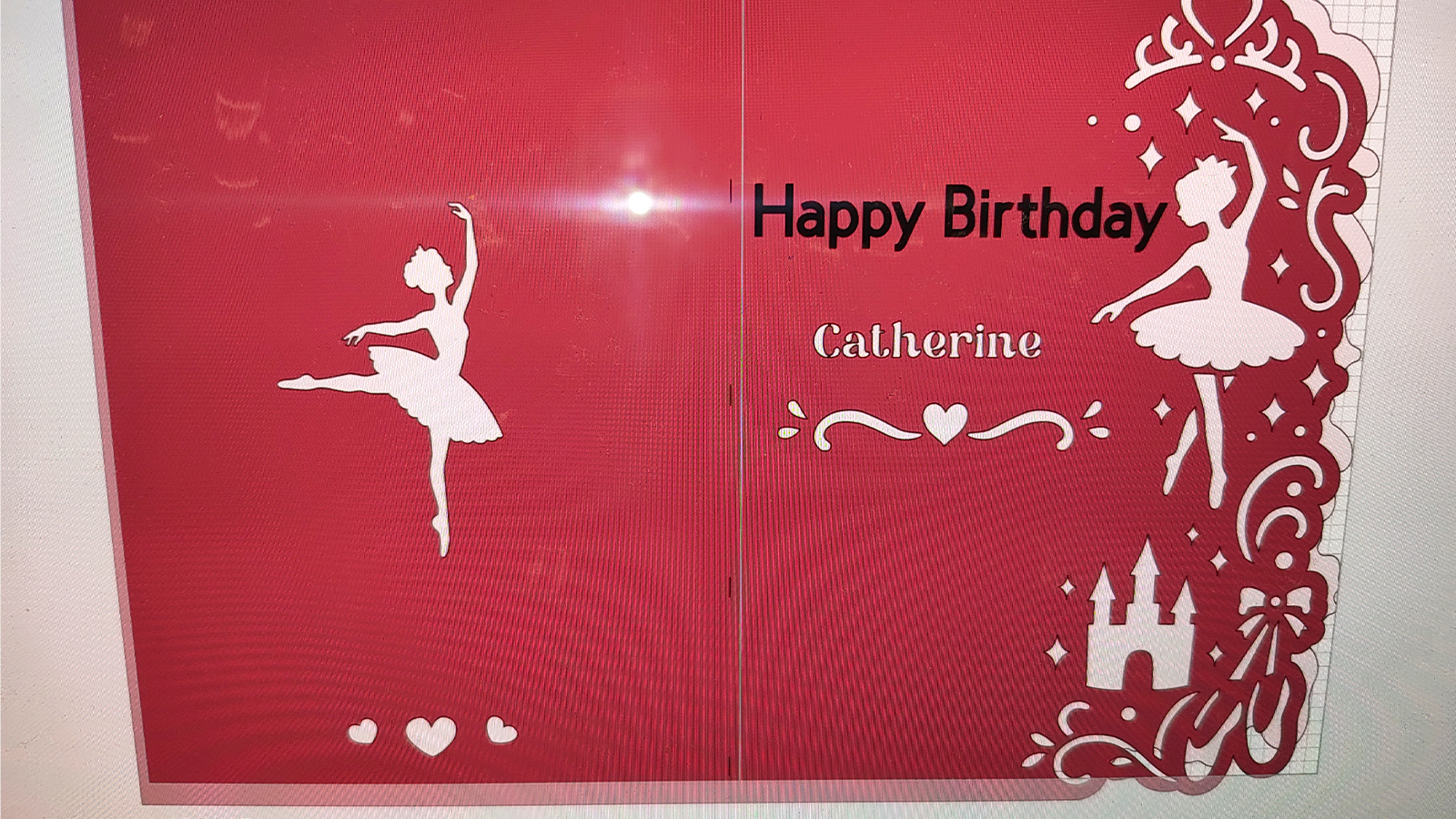
The hardware of the Explore 5 is managed through Cricut Design Space, a proprietary software available on Windows, macOS, iOS, and Android. Design Space remains the most polarizing aspect of the Cricut experience. For beginners, it offers a highly approachable interface with thousands of pre-made templates and a step-by-step guided workflow that simplifies the transition from digital design to physical product.
Recent updates to Design Space have introduced AI-assisted features, helping users generate graphics and layouts more efficiently. For many hobbyists, this ecosystem is an asset, providing a "one-stop-shop" for creativity. However, for professional designers, the software can feel restrictive. It lacks the advanced vector manipulation tools found in industry standards like Adobe Illustrator or Affinity Designer. Most professional users tend to create their assets in external software and import them into Design Space as SVG files.
While Design Space is the "weakest link" for power users, it is perfectly calibrated for the target audience of the Explore 5. The machine’s firmware works in tandem with the software to automate much of the process, guiding the user through material loading, tool checking, and the cutting sequence with minimal manual intervention.
Market Comparison: Explore 5 vs. Maker 4
A critical part of the purchasing decision for any crafter is determining whether to opt for the Explore series or the more expensive Maker series. The Explore 5 is designed for 90% of common crafting tasks. It is the ideal machine for:
- Sticker making: Using the "Print Then Cut" feature with printable vinyl.
- Apparel: Using Heat Transfer Vinyl (Iron-On) for custom t-shirts and bags.
- Organization: Creating labels for home or office use.
- Papercraft: Designing intricate cards and party decorations.
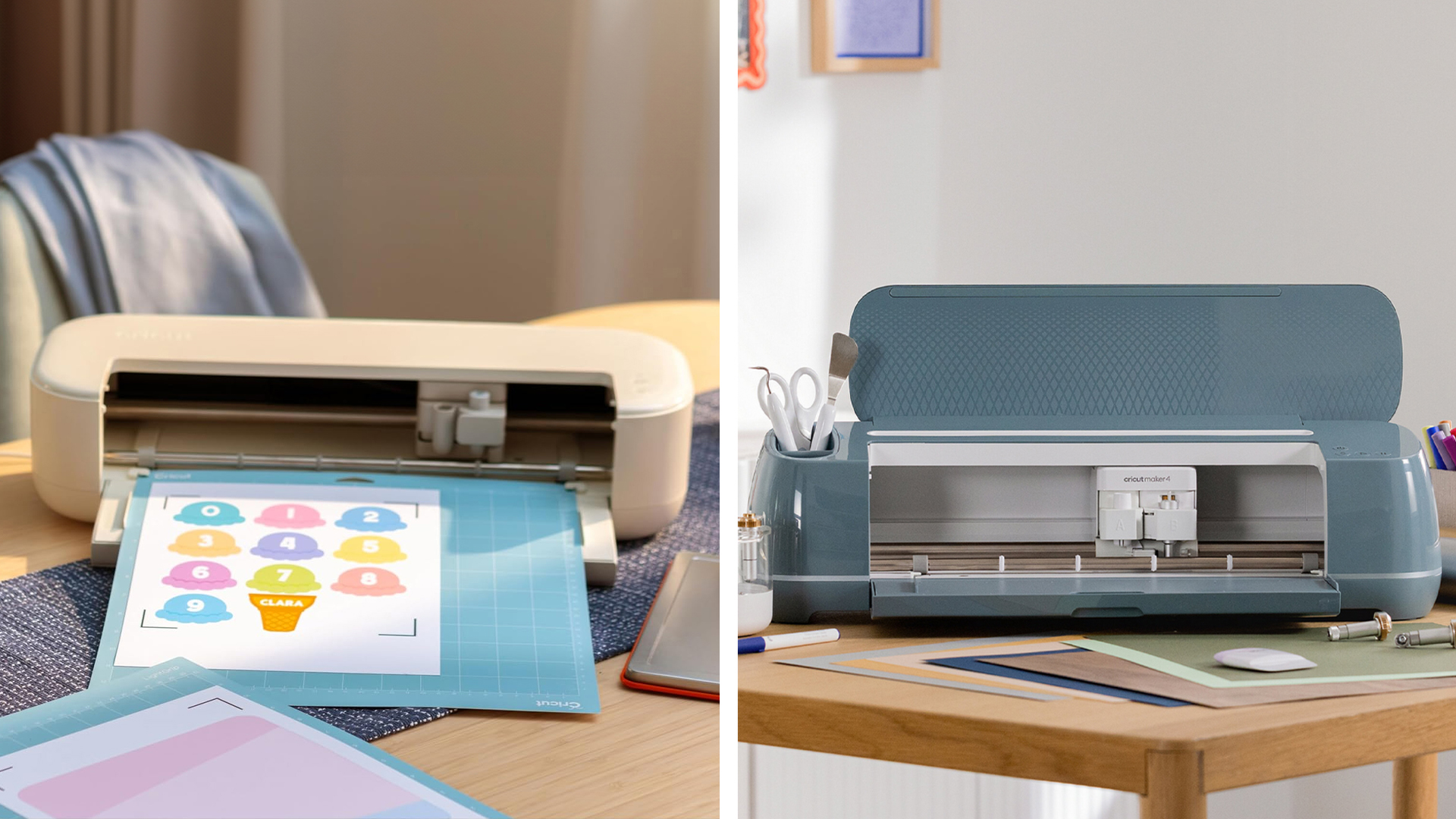
However, the Explore 5 lacks the "Adaptive Tool System" found in the Maker 4. The Maker 4 features a much higher cutting force (up to 4,000 grams) and a gear-driven carriage that allows it to use specialized tools like the rotary blade (for fabric), the knife blade (for balsa wood and chipboard), and engraving tips. For users like Julie Dean, who uses a Cricut Maker for bespoke memory quilts, the Explore 5 serves as an excellent companion machine for labels and cards, but it cannot replace the Maker’s ability to handle heavy-duty textiles.
Broader Implications for the Craft Economy
The release of the Explore 5 is a reflection of the maturing home-crafting market. We are seeing a shift from "complex and industrial" to "refined and integrated." As more individuals turn to crafting as a source of supplemental income, the demand for machines that are reliable, fast, and easy to store has increased.
Cricut’s strategy with the Explore 5 appears to be focused on retention and ecosystem lock-in. By making the machine more affordable at launch and bundling it with essential accessories, they are securing a new generation of users who will eventually subscribe to Cricut Access (the company’s monthly design library subscription) and purchase Cricut-branded materials.
From a sustainability and longevity standpoint, the move toward "Smart Materials" (which do not require a plastic cutting mat) is a positive step in reducing the environmental footprint of the hobby. The increased speed and reduced noise also make the machine more suitable for "micro-factories"—small home businesses that produce high volumes of custom goods.
Final Verdict
The Cricut Explore 5 does not reinvent the wheel, but it polishes it to a high shine. It is a machine defined by "thoughtful upgrades" rather than "revolutionary breakthroughs." For the first-time buyer, it is arguably the most logical entry point in the current market, offering a balance of performance and price that is difficult to beat. For those upgrading from an Explore Air 2 or an Explore 3, the improvements in speed, noise, and size provide a tangible quality-of-life upgrade.
While the software continues to be a point of contention for advanced designers, the hardware remains the gold standard for home-based digital cutting. The Explore 5 successfully maintains Cricut’s position as a leader in the space, proving that sometimes, the best way to move forward is to refine and perfect the existing formula. For the modern crafter, the Explore 5 is a faster, quieter, and more compact tool that makes the path from imagination to finished product shorter than ever before.