Redefining Accessible Luxury: How Janet Feldman’s AWEchair Bridges the Gap Between Mobility and High-End Interior Design

The intersection of luxury interior design and functional medical equipment has historically been marked by an uncompromising divide. For decades, consumers facing mobility challenges or seeking to age in place were forced to accept furniture that prioritized clinical utility at the direct expense of aesthetic harmony. Bulky silhouettes, exposed mechanical actuators, synthetic fabrics with an overtly institutional sheen, and awkward operational handles have long defined the standard lift chair market. This stark dichotomy—choosing between physical independence and a cohesive, beautifully curated home environment—served as the primary catalyst for a decade-long design odyssey undertaken by Janet Feldman, founder and chief executive officer of Assistance With Elegance.
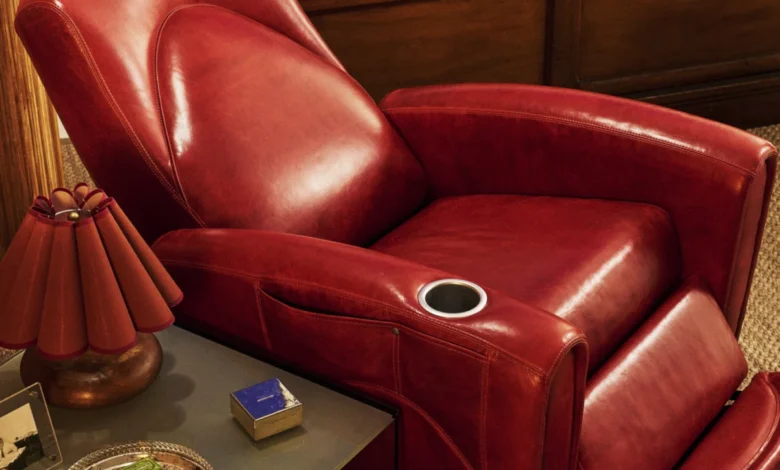
Feldman’s venture into the high-end furniture sector represents a significant paradigm shift. Eschewing traditional retirement plans after spending more than twenty years immersed in the family business, Feldman chose to channel her manufacturing and material expertise into solving a deeply personal family crisis. The result of this decade of multidisciplinary research, engineering, and iterative prototyping is the AWEchair: a sophisticated, premium lounge chair that seamlessly integrates advanced assistive technology within the refined proportions of a classic club chair. Retailing starting at $7,995 and crafted from globally sourced components, the chair challenges the medical supply industry to elevate its standards of design, proving that accessibility and elegance are not mutually exclusive.

The Genesis of Assistance With Elegance and Personal Motivation
The conceptual framework for Assistance With Elegance was forged out of necessity. When Feldman’s aging parents experienced sudden medical setbacks and progressive mobility impairments, she assumed the role of advocate and caregiver. In doing so, she encountered a frustrating void in the high-end residential marketplace. While the market offered robust medical recliners equipped with lift mechanisms, zero-gravity positioning, and lumbar support, none met the rigorous visual and tactile standards expected of luxury interior design.
Feldman recalls reviewing numerous options, consistently arriving at the conclusion that standard medical offerings were simply inadequate for a home environment curated with care. Drawing upon her extensive background in the footwear industry—where she spent decades mastering the nuances of design, material sourcing, manufacturing execution, and fine craftsmanship—she recognized an opportunity to disrupt an overlooked category. Feldman understood that if she felt alienated by the clinical aesthetic of existing options, a vast demographic of design-conscious consumers experiencing natural aging or temporary mobility constraints shared the same sentiment.

Rather than settling for an imperfect commercial product, Feldman committed herself to reimagining the lounge chair from the ground up. This decision marked a dramatic pivot in her professional life, transforming her from a veteran of the footwear sector into a pioneering entrepreneur in inclusive residential design.
A Decade-Long Interdisciplinary Development Timeline
Bringing the AWEchair from a conceptual sketch to a market-ready luxury product required a meticulous, ten-year development cycle. Recognizing that the integration of complex mechanical systems within a residential furniture silhouette demanded specialized expertise far beyond her background in footwear, Feldman assembled a diverse coalition of professionals. The collaborative team spanned industrial engineering, advanced industrial design, gerontology, and orthopedics.

Treating accessibility as a foundational design parameter rather than an afterthought, Feldman and her team established strict criteria: the chair had to facilitate independent entry and exit, offer superior ergonomic and orthopedic support, and maintain the clean, unbroken lines of a high-end club chair when at rest.
The chronology of the development phase was defined by rigorous iteration and global sourcing. Securing a manufacturing partner capable of executing her precise vision proved to be one of the most formidable hurdles. After years of consultations across multiple continents, Feldman partnered with an engineering and manufacturing facility in Germany renowned for precision mechanics.
The resulting product represents an international synthesis of specialized craftsmanship and manufacturing prowess. The chair relies on German structural engineering for its foundational integrity, integrates a sophisticated motor system developed in China for smooth, quiet transitions, and utilizes premium Italian leather for its primary tactile surfaces. Final upholstery and finishing processes are executed in North Carolina, ensuring adherence to exacting quality control standards before the product reaches the end consumer.

Anatomy of Innovation: Engineering Meets Aesthetics
The core innovation of the AWEchair lies in its ability to conceal complex mechanical operations beneath a facade of classic residential luxury. Standard lift chairs typically expose their motorized framework, remote controls, and operational joints, immediately signaling a medical function. In contrast, the AWEchair utilizes proprietary mechanisms that remain largely invisible when the chair is returned to its standard home position.
Working closely with orthopedic and gerontological specialists, the design team engineered movement sequences that support the natural kinematics of the human body. The chair features comprehensive back and lumbar support systems designed to alleviate pressure points and assist users with varying degrees of physical strength. Among its defining mechanical features is a patented retractable footrest system, developed in tandem with the primary upholstered shell to ensure that mechanical articulation does not compromise the chair’s refined proportions.

The relentless focus on functional refinement yielded eight distinct patents covering specific mechanical and ergonomic details, including specialized foot molds and seamlessly integrated cup holders. Upholstered in a curated selection of genuine Italian leathers or high-performance synthetic alternatives, the AWEchair marries tactile richness with rigorous mechanical dependability.
Broader Industry Implications and the Future of Aging in Place
The introduction of the AWEchair arrives at a critical juncture in the global housing and interior design markets. As demographic shifts point toward a rapidly aging population, consumer expectations regarding home environments are evolving. The concept of "aging in place"—the ability to live safely, independently, and comfortably in one’s independent residence regardless of age, income, or ability level—has moved to the forefront of architectural and interior design discourse.

Historically, aging in place required reactive retrofitting. Homeowners would wait until a debilitating medical event forced the introduction of clunky ramps, hospital-style beds, and institutional seating, often degrading the psychological comfort of the home. Industry analysts and inclusive design advocates argue that proactive environmental design—incorporating supportive features into standard residential furnishings long before they become strictly necessary—alleviates the stigma associated with physical decline.
By framing accessibility as an intrinsic component of good design, Feldman’s venture challenges manufacturers of luxury goods to expand their addressable markets to include individuals with diverse physical needs. The AWEchair posits that supportive furniture should not look or feel like medical equipment; rather, it should represent high-end residential furniture that happens to offer advanced ergonomic and mechanical assistance.
Legacy and Ongoing Impact

Although Feldman’s parents passed away before the extensive development and final production of the AWEchair were completed, their influence remains embedded in the core identity of the company. The product stands as both a monument to a daughter’s dedication to improving the daily lives of her family and a broader commercial contribution to the evolving landscape of inclusive design.
Reflecting on the journey from a personal caregiving challenge to a globally sourced luxury product, Feldman notes the duality of her creation’s purpose. What began as a personal gift intended to restore dignity and independence to her parents has evolved into an accessible solution for a broader demographic of consumers seeking uncompromising quality.
As the market for luxury inclusive design continues to mature, products like the AWEchair establish a new benchmark for what consumers can expect from assistive technologies. By refusing to compromise on aesthetics, craftsmanship, or mechanical performance, Assistance With Elegance demonstrates that the future of home design is inclusive, sophisticated, and fundamentally dignified.