The Evolution of the Phoney Baloney Project
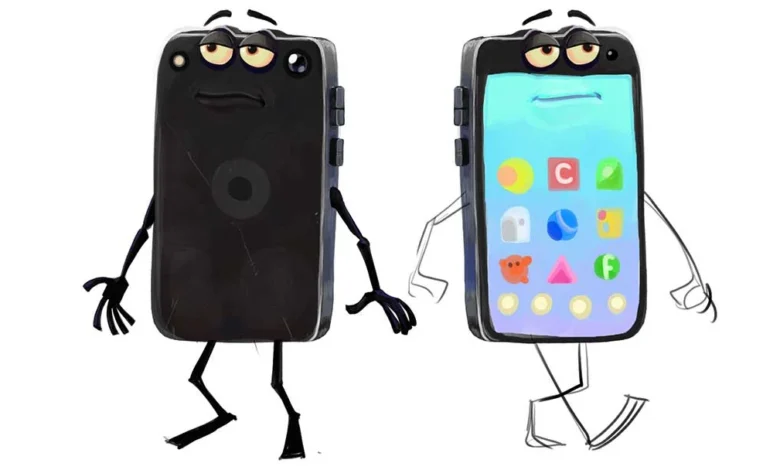
The journey of the Phoney Baloney character began with a desire to personify the omnipresent nature of smartphone culture. When Like and Follow premiered, it resonated with audiences globally, not merely for its biting social commentary on digital vanity, but for the sophisticated execution of its protagonist: a smartphone brought to life.
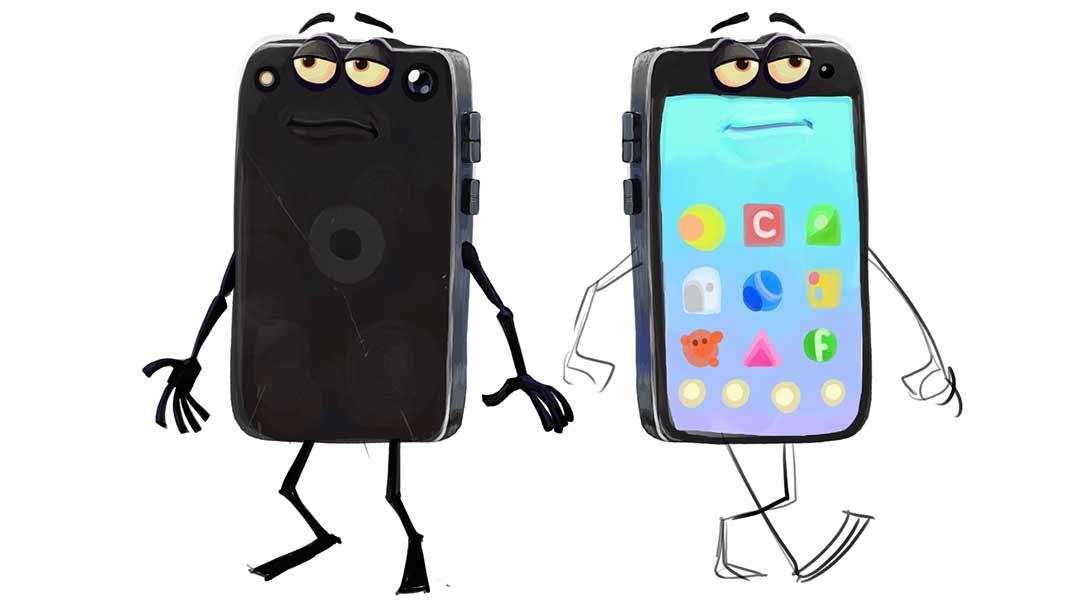
The rig was designed to facilitate "broad cartoon acting," a specific subset of animation that requires extreme fluidity and deformation capabilities. Unlike standard humanoid rigs, which rely on established anatomical conventions, Phoney Baloney required a bespoke skeletal structure that could simulate the rigid, rectangular geometry of a phone while simultaneously allowing for the organic, "squash and stretch" physics necessary for expressive character animation.
The technical development spanned several months of iterative testing. Forrest and Schlage focused on creating a rig that was "production-tested," meaning it had to survive the rigors of a professional animation pipeline. This included ensuring that the rig could handle high-frame-rate performance, complex lighting scenarios, and integration into various rendering engines without breaking or losing its stylistic consistency.
Marketplace Shifts and the Distribution Dilemma
The availability of the Phoney Baloney rig coincides with a period of transition in the digital creative industry. For years, the FlippedNormals marketplace served as a primary hub for independent artists to monetize their professional assets, tools, and tutorials. However, recent strategic changes at FlippedNormals—which involved a significant downsizing of its third-party marketplace—left a vacuum for many creators who relied on the platform to distribute their specialized assets.
This shift has forced creators like Brent Forrest to pivot toward decentralized distribution models, such as Gumroad. While the move represents a loss of a centralized community hub, it also highlights the growing independence of high-level asset creators. These artists are increasingly opting for direct-to-consumer models, which allow for greater control over pricing, updates, and direct engagement with their user base.
The implications for the industry are twofold. First, it signifies that the "digital asset economy" is maturing. Creators are no longer solely reliant on third-party aggregators to gain visibility; instead, they are leveraging their established reputations and viral film success to drive traffic directly to their own storefronts. Second, it highlights the fragility of digital marketplaces. As platforms shift their business models to refocus on core services or proprietary content, the independent contributors who built those platforms are often forced to re-establish their workflows, illustrating the importance of platform diversification for professional 3D artists.
Technical Specifications and Performance Standards
The Phoney Baloney rig is engineered specifically for Autodesk Maya, the industry standard for feature film and television animation. Its architecture is notable for several key features that set it apart from generic character rigs available on open-source platforms:
- IK/FK Stretchy Limbs: This allows animators to switch seamlessly between Inverse Kinematics (IK) and Forward Kinematics (FK) for complex movement, while the "stretchy" functionality enables the extreme deformation required for high-energy, comedic, or fast-paced animation.
- Global Scalability: The rig is built to function correctly regardless of the scale of the scene, ensuring that the character can be dropped into various environments without requiring tedious re-scaling or technical troubleshooting.
- Facial and Eyeball Controls: Perhaps the most critical component for a character with no mouth is the eye animation. The rig includes an advanced facial setup that allows for subtle, emotive control over the "screen" interface, which serves as the character’s primary expression surface.
- Production-Ready Workflow: The package includes not just the rig, but the necessary shaders and support files. This is a crucial distinction for professional studios; providing a "clean" file that integrates into existing lighting and rendering pipelines saves production teams dozens of hours of setup time.
The Impact of High-End Rigs on Independent Animation
The accessibility of professional-grade rigs like Phoney Baloney represents a democratization of animation quality. In the past, such specialized assets were often locked within studio pipelines or high-priced training courses. By making these tools available to the public, Forrest and Schlage are contributing to a raising of the bar for independent animators.
Data suggests that the demand for high-quality, pre-built rigs is surging as the barrier to entry for animation continues to lower. With tools like Blender and Maya becoming more accessible to freelancers, there is a corresponding need for "hero assets"—characters that are ready to animate immediately. A rig that has been tested in a viral film provides a level of quality assurance that amateur models cannot match. When an animator purchases this rig, they are essentially buying the result of months of problem-solving, rigging, and animation testing.
Analysis: The Future of Digital Asset Distribution
The transition of the Phoney Baloney rig to a direct distribution model offers a case study in the current state of digital content creator economics.
- Direct-to-Consumer Efficiency: By bypassing the middleman, creators capture a higher percentage of revenue. This allows them to invest more time into developing high-quality assets rather than managing the complexities of a third-party marketplace interface.
- Community-Driven Validation: The success of the Phoney Baloney rig is intrinsically linked to the success of the film it originated from. In the modern creative economy, a "proven" asset—one that has already been seen on screen by millions—carries significantly more value than a generic, purpose-built asset.
- The Shift Toward Specialized Tools: As the industry becomes more competitive, the demand for hyper-specific tools will likely increase. Generic humanoids are ubiquitous; however, rigs that solve specific narrative problems, such as bringing inanimate objects to life, represent a niche that high-end creators are perfectly positioned to fill.
Concluding Perspectives
The release of the Phoney Baloney rig serves as a reminder of the symbiotic relationship between artistic production and technical engineering. Brent Forrest’s assertion that this is "one of the strongest character rigs I’ve built" carries weight within the animation community, where the technical pedigree of a rig is often the difference between a project that succeeds and one that suffers from technical bottlenecks.
As the industry moves forward, the availability of such assets will likely continue to influence how independent short films are produced. By providing a professional foundation, creators like Forrest and Schlage allow the next generation of animators to focus on storytelling rather than the often-tedious process of skeletal binding and skinning. While the loss of established marketplaces like FlippedNormals presents a logistical hurdle, the robust response from independent creators proves that the demand for high-quality, production-tested assets remains stronger than ever. The Phoney Baloney rig is not merely a tool; it is an invitation to explore the limits of character-driven animation using a template that has already proven its mettle in the demanding arena of viral media.