SHOTIME: A Cinematic Deconstruction of Athletic Prowess and Digital Artistry

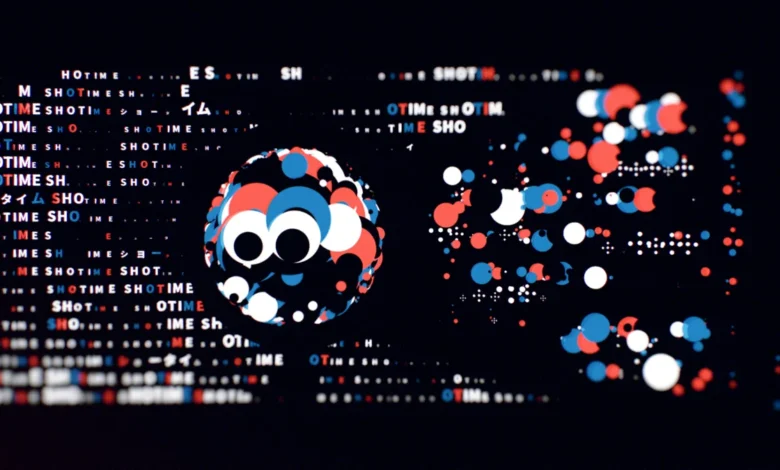
Barry Chapman’s latest masterwork, "SHOTIME," emerges as a profound motion study, delving into the intricate science of performance through the lens of digital artistry. This ambitious project serves as a compelling homage to the unparalleled dual-threat capabilities of Japanese baseball sensation Shohei Ohtani, transcending conventional sports documentation to offer a high-fidelity digital stage for athletic deconstruction. By meticulously stripping away the traditional stadium broadcast aesthetic, Chapman redefines the visual narrative of elite sport, isolating the "hyper-dilated" window where raw physical instinct converges with data-driven precision.
The Ohtani Phenomenon: Inspiration for Innovation
At the core of "SHOTIME" lies the extraordinary figure of Shohei Ohtani, a player whose unprecedented talent has reshaped the landscape of modern baseball. Ohtani’s designation as a "dual-threat mega-star" is no exaggeration; he stands alone in contemporary professional sports, excelling as both an elite starting pitcher and a prodigious power hitter. Since his Major League Baseball debut in 2018, Ohtani has captivated audiences worldwide, earning multiple MVP awards and setting records that echo those from the earliest, formative years of the sport, when two-way players like Babe Ruth were common but modern specialization had not yet taken hold. His unique ability to dominate from the mound with triple-digit fastballs and devastating breaking pitches, while simultaneously launching towering home runs, presents a compelling paradox of athleticism.
This singular mastery makes Ohtani an ideal subject for a study like "SHOTIME." His every movement, whether on the pitching mound or at the plate, is a complex interplay of biomechanics, kinetic energy, and strategic execution. Chapman’s decision to focus on Ohtani is not merely a tribute to a celebrity athlete, but a deliberate choice to examine peak human performance at its most statistically significant and visually captivating. The project seeks to answer, or at least explore, the fundamental question: what does it look like when a human being pushes the boundaries of athletic possibility, and how can digital art illuminate this phenomenon?
Beyond the Broadcast: A New Visual Language for Sport
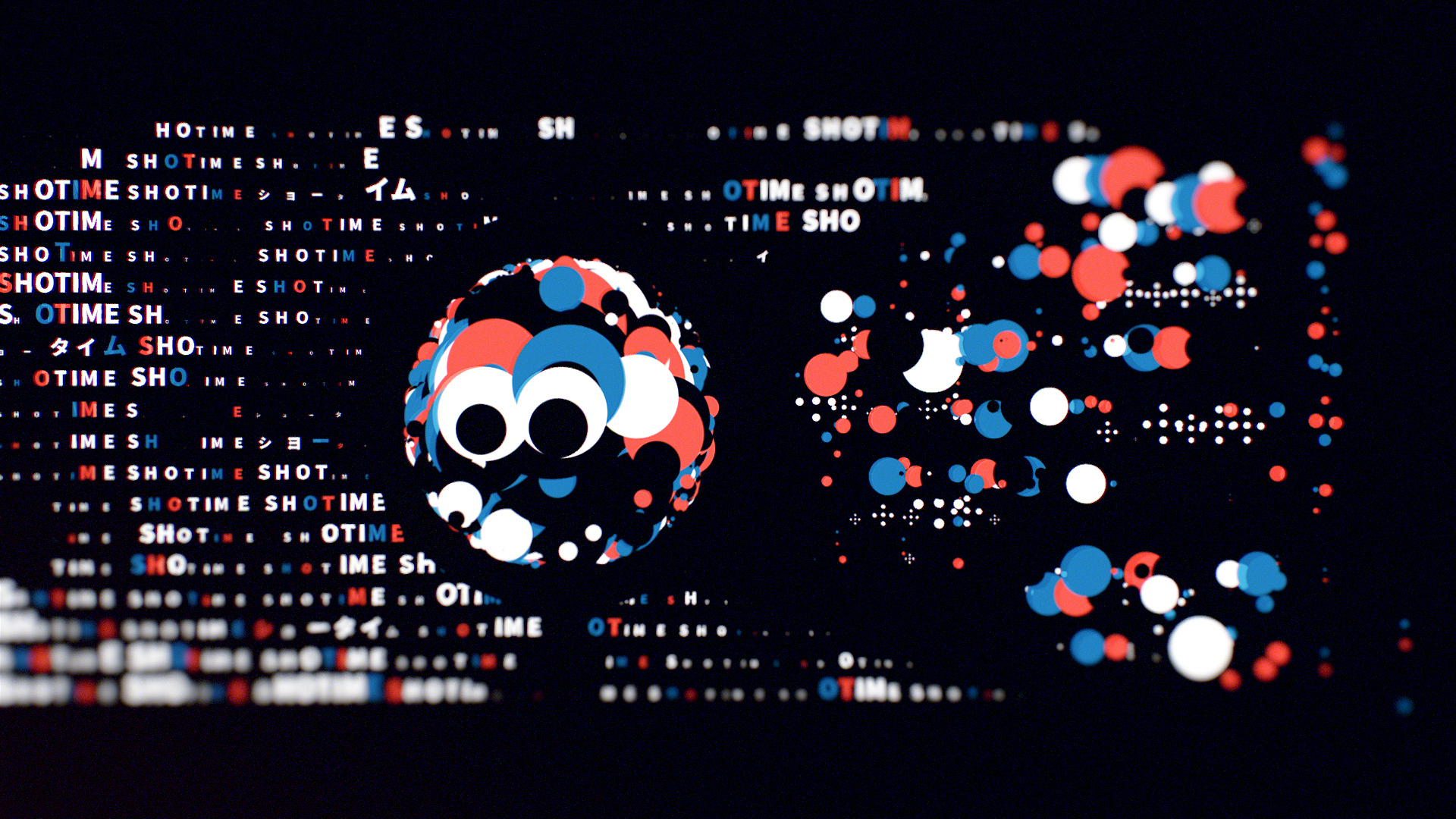
"SHOTIME" consciously departs from the visual vernacular of live sports broadcasting. While traditional broadcasts prioritize immediate action, wide angles, and close-ups that follow the ball, Chapman’s vision treats the baseball diamond not as a venue for competition, but as a "high-fidelity digital stage." This transformation involves stripping the environment back to a "technical void," an abstract space where distractions are eliminated, and the focus shifts entirely to the physics and biomechanics of the athlete. This minimalist approach allows the viewer to concentrate on the nuanced movements and underlying data that define an elite performance.
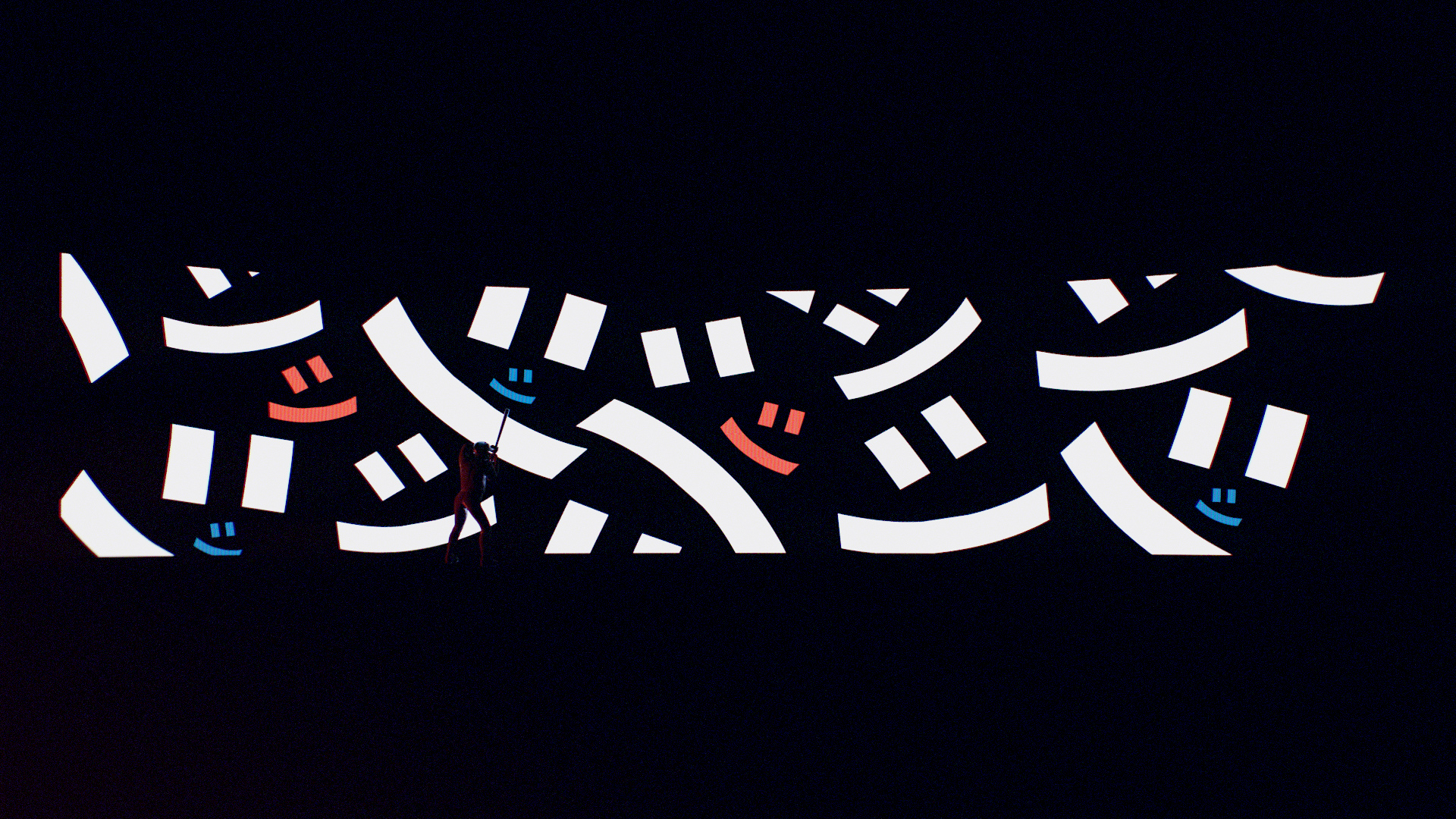
The film’s aesthetic is profoundly cinematic, composed in a native 2.39:1 anamorphic aspect ratio. This widescreen format, typically associated with epic dramas and grand narratives, serves a crucial purpose in "SHOTIME." It provides ample "negative space," allowing the procedural elements and data visualizations to "breathe" within the frame. More importantly, it emphasizes the horizontal power and momentum inherent in Ohtani’s baseball swing. Unlike the verticality often highlighted in pitching motions, the swing is a powerful rotation and extension across a horizontal plane. The anamorphic ratio visually reinforces this dynamic, transforming a fleeting athletic moment into an expansive, almost mythological spectacle. It elevates the act of hitting a baseball from a simple sporting event to a monumental display of human engineering and grace, reminiscent of the dramatic compositions found in classic films.
The Digital Forge: Crafting "SHOTIME" with Advanced Tools
The sophisticated visual language of "SHOTIME" is a testament to Barry Chapman’s mastery of cutting-edge digital tools and his innovative approach to motion graphics. The project’s development relied on a powerful combination of software, each contributing a distinct layer to the final "Technical Noir" aesthetic.
Central to the creation of the intricate data visualizations and kinetic dynamics was Cavalry. Chapman leveraged Cavalry’s procedural speed and robust capabilities to generate complex vector trails and data-viz elements. These elements are not mere graphical embellishments; they are visual representations of the invisible forces at play during Ohtani’s swing. Imagine lines tracing the arc of the bat head, arrows indicating force vectors, numerical readouts displaying exit velocity, launch angle, and spin rate, or dynamic graphs illustrating the distribution of power throughout the swing sequence. Cavalry’s ability to handle these complex, animated data streams procedurally meant that these visualizations could be generated and refined with unparalleled efficiency and precision, allowing Chapman to explore numerous iterations and articulate the physics of the swing with scientific accuracy and artistic flair.
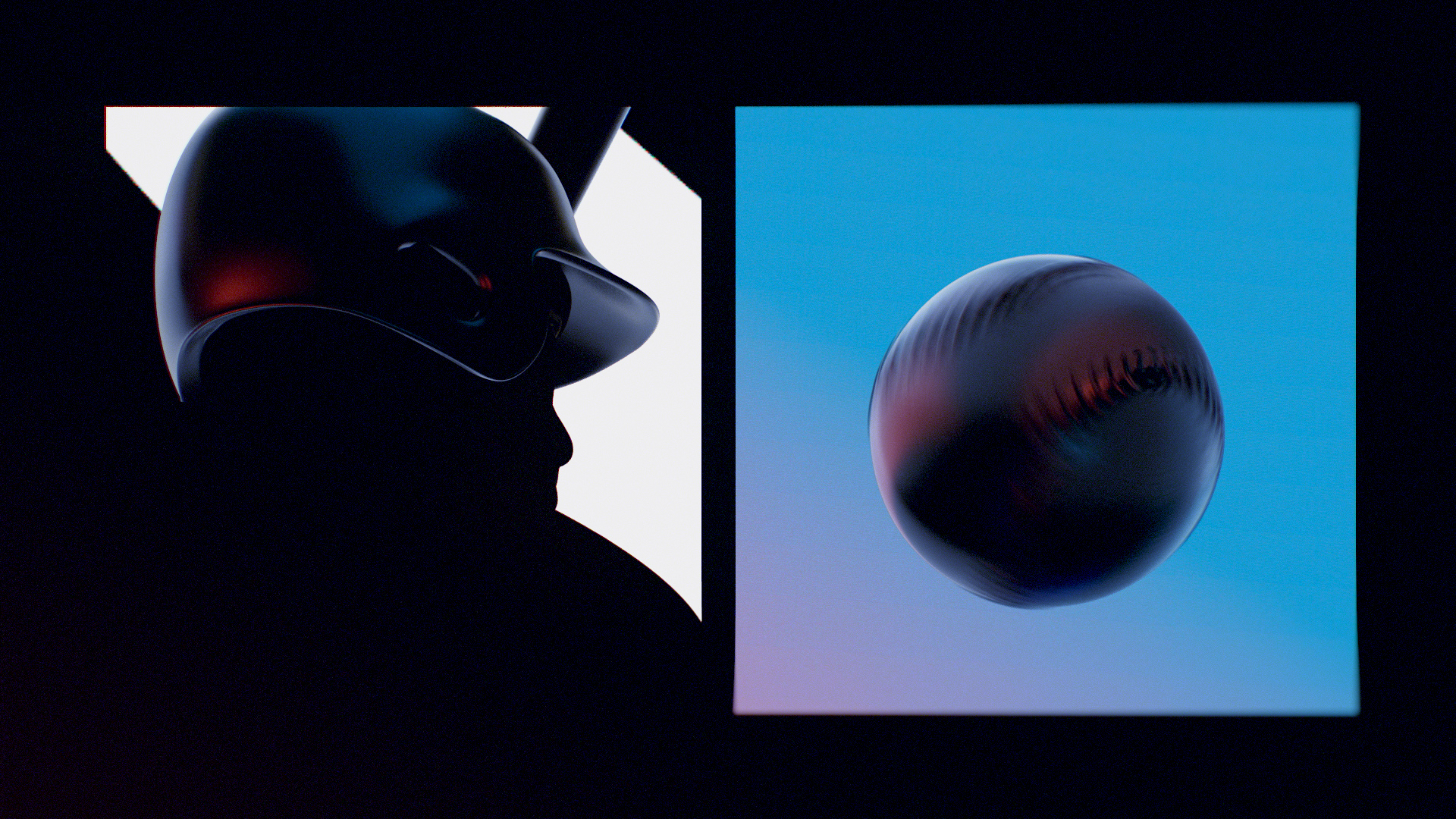
For the core structural elements, including lighting, "hero character integration," and further infographic explorations, Cinema 4D and Redshift were indispensable. Cinema 4D provided the robust 3D modeling and animation environment necessary to render the athlete’s form and the minimalist digital stage. The "hero character integration" refers to how Ohtani’s movements—likely captured through motion tracking or rotoscoping from existing footage—were meticulously translated into a digital model, allowing for precise manipulation and integration within the abstract environment. Redshift, a powerful GPU-accelerated renderer, was crucial for achieving the desired lighting conditions, creating realistic shadows, reflections, and atmospheric effects that lend depth and dimension to the technical void. It allowed for rapid iteration and high-quality output, essential for a project with such a specific aesthetic vision. The infographic explorations likely involved creating bespoke 3D graphs, charts, and textual overlays that seamlessly integrate with the digital environment, providing contextual data points without disrupting the immersive visual experience.
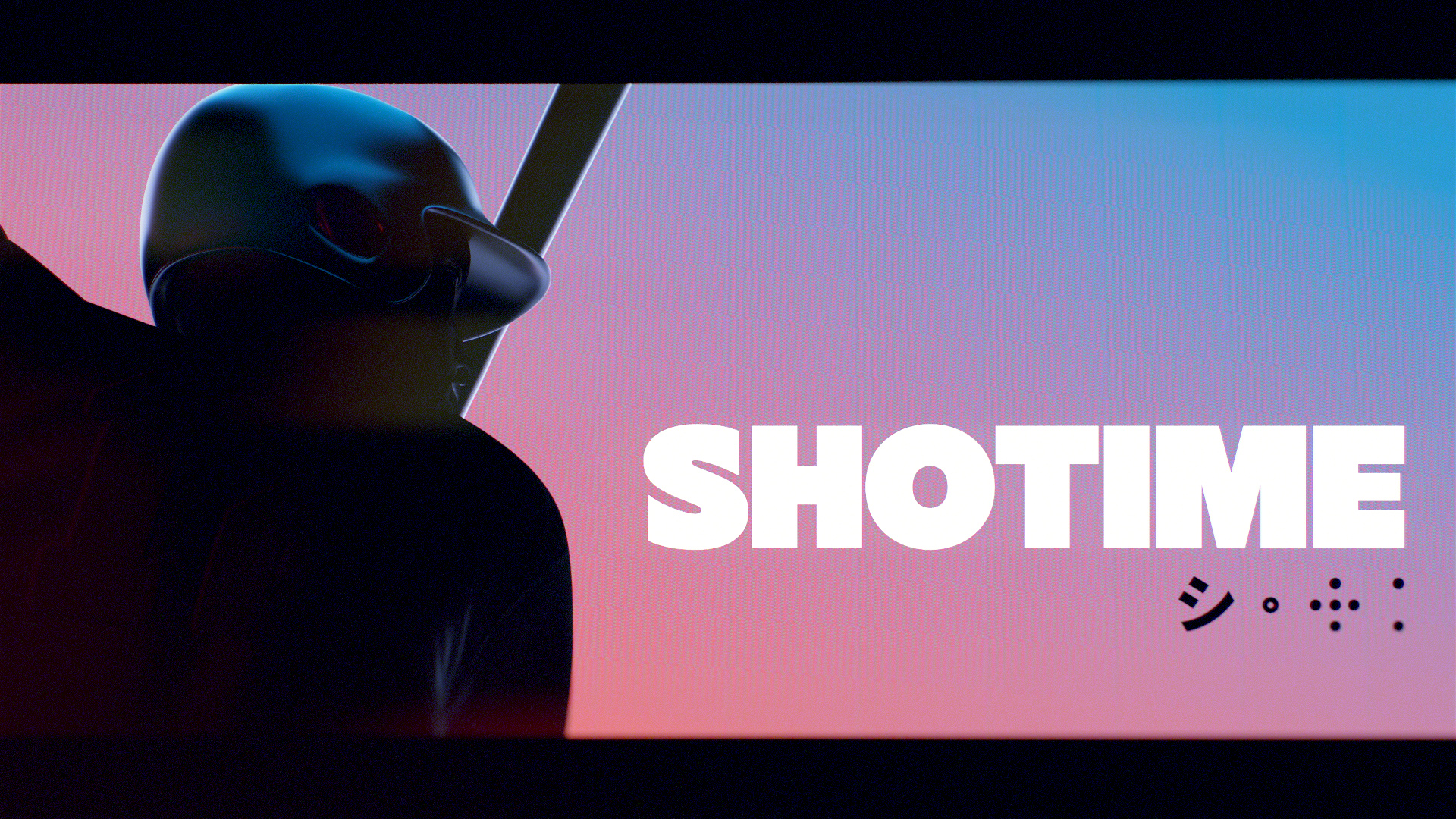
The final look, described as "Technical Noir," was meticulously achieved in After Effects. This post-production phase involved layering various visual textures and motifs. CRT textures were applied to evoke the nostalgic glow and slight imperfections of cathode ray tube monitors, a nod to vintage technological aesthetics. Glitch motifs were incorporated to suggest momentary disruptions in data streams or the raw, unfiltered nature of digital information. This combination of digital precision with analogue grit creates a unique visual signature, blurring the lines between futuristic data visualization and a more tactile, almost gritty reality. The "Technical Noir" finish suggests a clandestine exploration, a deep dive into the hidden mechanics of performance, bathed in an atmospheric, often stark, visual palette.
The Rhythmic Heartbeat: Sound Design by Folding Waves
The immersive experience of "SHOTIME" extends beyond its striking visuals, owing significantly to its meticulously crafted sonic architecture. Developed in close collaboration with Dublin-based studio Folding Waves, the film’s sound design plays an integral, non-traditional role, replacing conventional foley with a "tactile, percussive score."
Traditional foley sound effects aim to realistically reproduce everyday sounds, such as the crack of a bat, the thud of a ball, or the roar of a crowd. In "SHOTIME," Folding Waves eschews this literal approach, opting instead for an abstract, rhythmic soundscape. This percussive score serves as the "literal heartbeat of the film," meaning it provides a foundational rhythm that underpins and synchronizes with the visual movements. Each beat, each percussive element, is carefully placed to emphasize the kinetic energy, the tension, and the release inherent in Ohtani’s swing.
This deliberate choice elevates the auditory experience from mere background noise to an active narrative element. The sounds are not just heard; they are felt. They reinforce the cinematic tension of the movement, building anticipation as Ohtani prepares his swing, peaking with a powerful, almost industrial thud at the moment of impact, and resonating as the energy dissipates. One can imagine metallic clangs, deep resonant thrums, sharp digital clicks, and swirling atmospheric textures that mimic the flow of data or the wind resistance against the bat. By creating a score that is both tactile and percussive, Folding Waves effectively translates the physical forces and data points visualized on screen into an equally compelling auditory language, making the invisible forces of physics palpable.
A Chronology of Creation (Inferred)
While a precise project timeline is not explicitly provided, the development of "SHOTIME" can be inferred through several distinct phases:
- Conceptualization (Early 2020s, potentially 2023-2024): Barry Chapman, inspired by Shohei Ohtani’s extraordinary abilities and the growing sophistication of sports analytics, envisions a motion study that would deconstruct athletic performance in a novel, artistic manner. The core idea of moving beyond traditional broadcast aesthetics and treating the diamond as a digital stage would have been formed.
- Research and Development (Mid-2024): This phase would involve extensive research into Ohtani’s biomechanics, gathering relevant sports science data (e.g., bat speed, launch angles, body rotation data), and exploring various visual metaphors for kinetic energy and data visualization. Initial software tests and aesthetic explorations for the "Technical Noir" look would commence.
- Pre-Production and Design (Late 2024 – Early 2025): Detailed storyboarding and animatics would be created. The specific visual style, including the 2.39:1 anamorphic aspect ratio, negative space utilization, and the integration of procedural elements, would be finalized. Collaboration with Folding Waves for sound design would begin, with discussions on the desired emotional tone and rhythmic structure.
- Production (Mid-2025 – Early 2026): This intensive phase would see the primary digital asset creation. Chapman would leverage Cavalry for data-viz and vector trails, Cinema 4D and Redshift for 3D modeling, lighting, and character integration. The initial animation sequences of Ohtani’s swing would be developed and refined. Folding Waves would simultaneously be composing and producing the tactile, percussive score, iteratively aligning it with the evolving visual narrative.
- Post-Production and Refinement (Mid-2026): The visual elements would be brought into After Effects for final compositing, color grading, and the application of CRT textures and glitch motifs to achieve the "Technical Noir" finish. The sound design from Folding Waves would be meticulously integrated, ensuring perfect synchronization and emotional resonance. Final edits, mastering, and quality control would complete this stage.
- Release and Exhibition (July 2026, as per image date): "SHOTIME" would be prepared for its intended release, likely for online showcasing on platforms like Instagram and Chapman’s website, potentially for film festivals or art installations focusing on motion graphics and digital art. The embedded image dates suggest a release around July 2026.
The Convergence of Disciplines: Art, Science, and Athleticism
"SHOTIME" stands as a powerful exemplar of the growing convergence between art, science, and elite athleticism. In an era dominated by advanced analytics and biometric data in sports, Chapman’s work translates abstract numerical information into a visceral, aesthetic experience. This project bridges the gap between the objective, quantitative analysis of sports science and the subjective, qualitative interpretation of art.
The implications of such a fusion are far-reaching. For the motion graphics community, "SHOTIME" demonstrates innovative applications of tools like Cavalry, Cinema 4D, and After Effects, pushing the boundaries of what is possible in data visualization and abstract animation. It inspires practitioners to consider sports data not just as information, but as a source of artistic inspiration.
For sports enthusiasts and analysts, the film offers a fresh perspective on performance. Instead of merely watching the outcome, viewers are invited to appreciate the intricate processes, the subtle shifts in balance, the precise timing, and the immense power generation that constitute an elite baseball swing. This analytical-artistic approach could deepen appreciation for the complexity of athletic feats, providing insights that traditional broadcasts might overlook.
Furthermore, "SHOTIME" contributes to the cultural narrative surrounding Shohei Ohtani. By elevating his performance to an artistic study, it solidifies his status not just as a sports star, but as a phenomenon worthy of scientific and artistic deconstruction. It positions him as an icon whose physical capabilities transcend mere competition, becoming a subject of intellectual and aesthetic fascination.
Shaping the Future of Sports Visualization
"SHOTIME" offers a glimpse into the potential future of sports visualization. As technology advances, the ability to capture, analyze, and render athletic performance will only grow more sophisticated. Chapman’s project suggests that future sports media might move beyond simple replays and statistics, incorporating more immersive, data-rich, and artistically interpretive experiences.
Imagine training simulations where athletes can see their own movements deconstructed in a "technical void," with real-time vector trails and force data providing immediate feedback. Consider fan engagement experiences that allow viewers to explore the biomechanics of their favorite players with unprecedented detail, interacting with data visualizations in a cinematic environment. "SHOTIME" is not just a film; it is a proof-of-concept for how digital art can enhance understanding, appreciation, and engagement with the world of elite sports. It prompts a re-evaluation of how we consume and interpret athletic achievements, suggesting a future where the beauty of performance is as much about its underlying science and artistic representation as it is about the final score.
Project Credits and Artistic Footprint
The visionary "SHOTIME" project is the result of dedicated collaboration. Barry Chapman served as the sole force behind the Design and Direction, bringing his distinctive artistic vision and technical prowess to every frame. The crucial sonic landscape was meticulously crafted by Folding Waves, who are credited for the evocative Music and Sound Design. Both Chapman and Folding Waves maintain a robust online presence, allowing enthusiasts and industry peers to explore their portfolios further. Barry Chapman’s work can be followed via Instagram at @barrychapmanmotion and on his official website, barrychapmanmotion.com. Similarly, Folding Waves can be found on Instagram at @folding.waves and through their website, foldingwaves.com. "SHOTIME" stands as a significant addition to their respective bodies of work, pushing the boundaries of motion graphics and sound design in contemporary digital art.