Illuminating Meiji-Era Kyoto: Inside Kyoto Animation’s Visual and Technical Triumph on Netflix’s Sparks of Tomorrow

While manga typically dominates the global conversation surrounding anime adaptations, light novels continue to serve as a fertile and distinct creative foundation for the medium. A notable addition to this literary translation lineage is Hiro Yuki’s light novel series 20 Seiki Denki Mokuroku (translated as 20th Century Electricity Catalog). Brought to the global screen through a collaborative production between Kyoto Animation and director Minoru Ota as the Netflix original series Sparks of Tomorrow, the project represents a significant milestone in modern television animation. Set against the atmospheric backdrop of early 20th-century Kyoto during the Meiji era, the narrative merges historical fiction, industrial evolution, and deeply personal human drama.
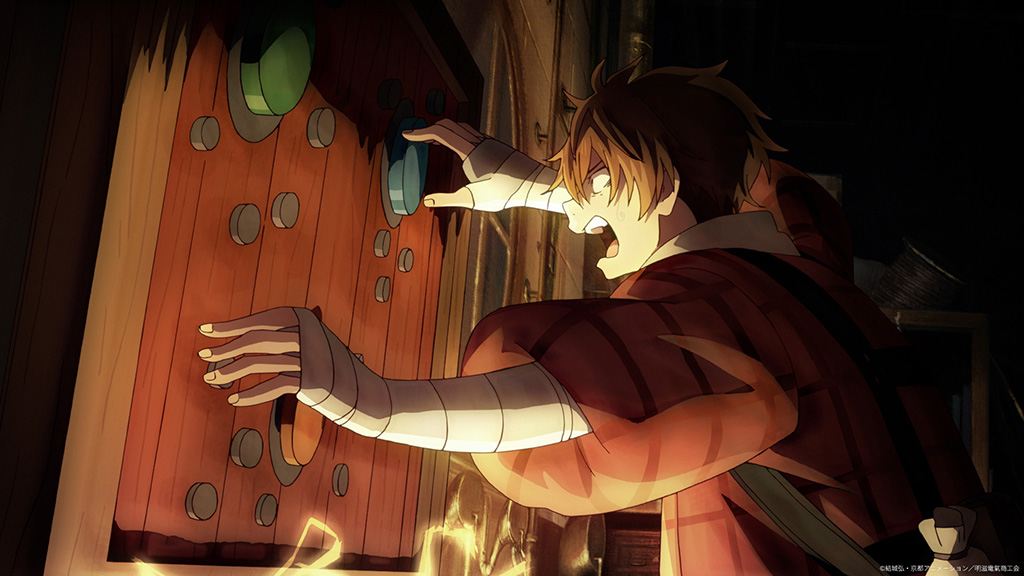
The story traces the ambitions of two brothers whose modern vision—replacing conventional steam power with the nascent, revolutionary force of electricity—is abruptly derailed when one brother departs for military service and perishes on the battlefield. The surviving brother, Kihachi Sakamoto, finds his ambition entirely snuffed out until a fateful encounter at a local shrine brings him face-to-face with a young girl bearing an unexpected, profound connection to his late sibling. This catalyst reignites Kihachi’s drive to challenge the stagnant technological status quo of his society, setting off a kinetic and emotional journey that explores the intersection of human grief, innovation, and progress.
The Genesis of a Steampunk Meiji-Era Kyoto
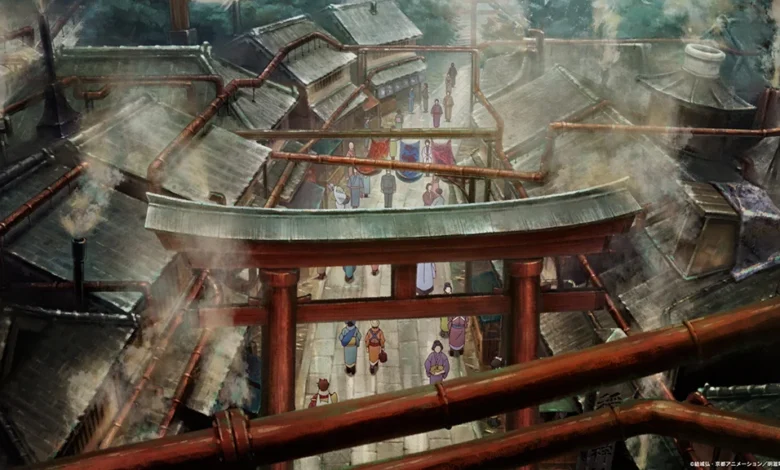
The historical setting of Sparks of Tomorrow is not merely a passive backdrop; it functions as an active thematic and visual participant in the narrative. The Meiji period (1868–1912) in Japan was characterized by rapid modernization, Westernization, and a complex negotiation between traditional heritage and industrial imposition. For the creative team at Kyoto Animation, capturing this era required an extensive empirical approach to architectural and environmental design.
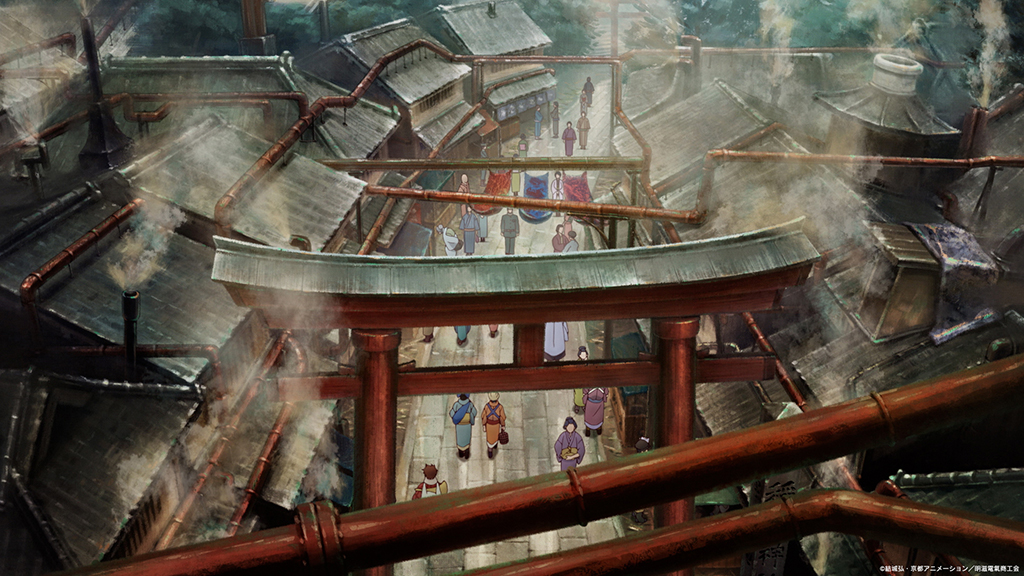
Director Minoru Ota and Art Director Takayama undertook rigorous on-site research to ground the animation in tangible authenticity. The team studied historic Kyoto architecture, visiting traditional townhouses, long-established sake breweries, and preserved commercial establishments. For instance, Kihachi’s workshop was designed around a real-world Buddhist altar shop, providing an organic repository of wood, metal, and rudimentary chemical tools essential for an inventor. Similarly, the fictional Momokawa sake brewery and the sprawling Mizoe Firm headquarters drew direct inspiration from preserved historical estates and institutional buildings such as the historic Chourakukan.
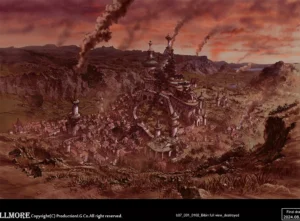
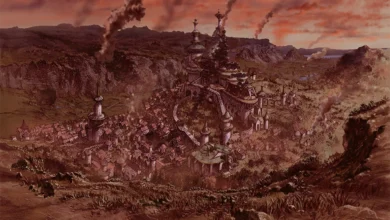
However, the creative team deliberately diverged from strict historical recreation to evoke an alternate, stylized steampunk atmosphere. The city’s familiar layout was overlaid with an intricate, suffocating labyrinth of industrial steam pipes. Initial concept art was dominated by heavy brown and monochromatic tones, which Ota ultimately found lacking in artistic resonance.
To rectify this, the palette was restructured around a cool blue base for the main cityscape. By pairing the natural pale wood and gray roof tiles of traditional Japanese architecture with a dominant blue sky and visible, painterly brushstrokes, the production team achieved a melancholic, cool-toned impression. This aesthetic choice successfully communicated the societal stagnation of a world stubbornly bound to the limitations of steam engines.
Technical Innovations in 2D Animation and Aesthetic Dichotomy
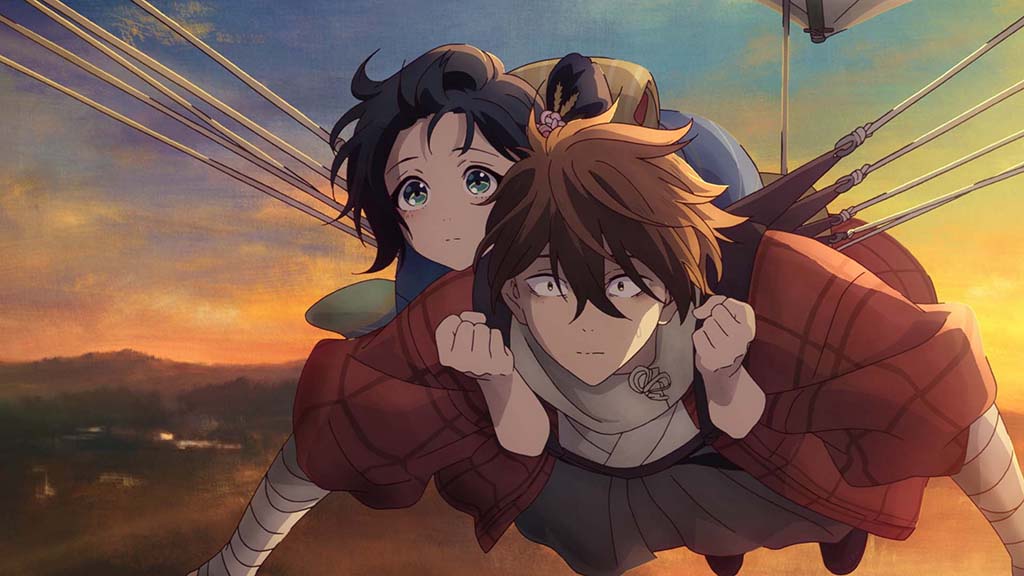
Achieving the distinct visual identity of Sparks of Tomorrow required pushing the boundaries of traditional cel animation while minimizing digital intrusion. Ota and his team deliberately avoided heavy reliance on 3D computer-generated imagery (CGI), noting that angular 3D assets frequently clashed with the fluid, painterly brushstrokes of the 2D background art. When digital animation was deployed—such as during complex spatial sequences like the rooftop kite escape—it was handled exclusively by a select few specialized technicians through meticulous mathematical calculations to ensure spatial continuity.
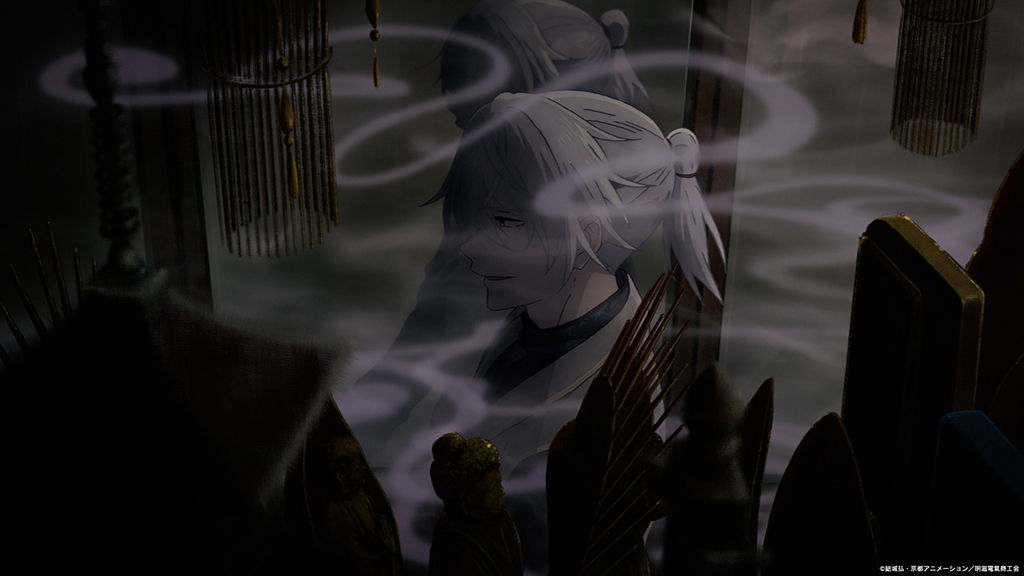
The series relies heavily on a thematic and visual dichotomy between two primary energy sources: the suffocating, dense presence of steam and the clarifying, hopeful radiance of electricity.
Steam was utilized to symbolize industrial and personal stagnation, as well as the psychological entrapment of characters like Yosuke, whose unfulfilled potential is mirrored in the hazy, clouded environments of the steam-driven city. To achieve high visual impact, the backgrounds team generated distinct material patterns for steam and smoke, which the compositing team subsequently layered and subtly color-graded to harmonize with surrounding environments. In sequences where characters experience profound dread—such as Inako’s harrowing descent in the Horai Buddhist Altar Shop—animators physically intensified the analog density of the scenes by drawing frame-by-frame with the flat side of a pencil.

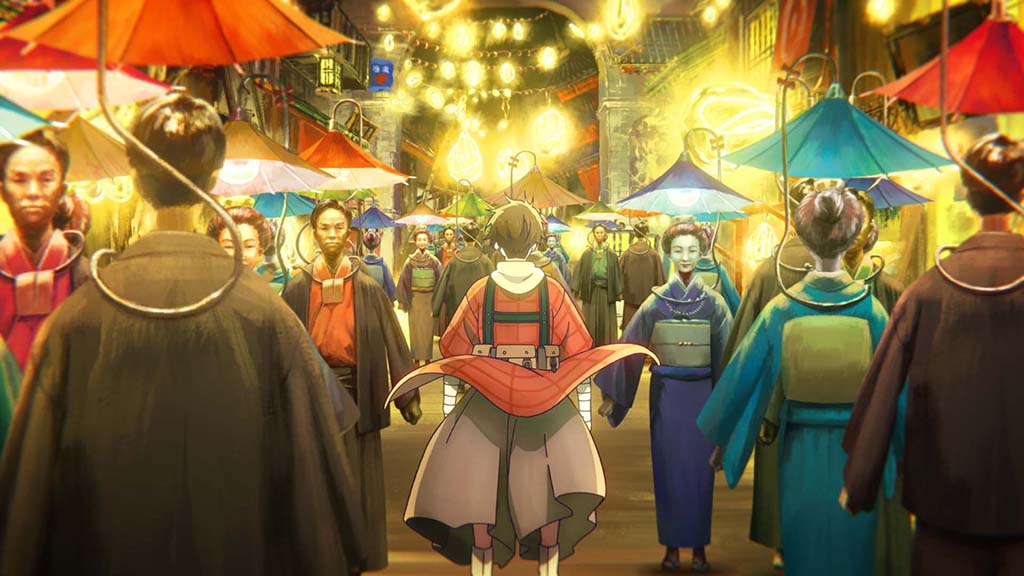
In sharp contrast, electricity is framed as an active vector of hope and emotional clarity. Whenever electrical lightbulbs or currents enter the frame, they project warm yellow hues onto characters and architectural elements. This visual motif is structurally reinforced by audio cues and subtle prop details, consistently positioning electricity as a catalyst for human optimism and forward momentum.
Experimental Direction and Creative Freedom
The production methodology behind Sparks of Tomorrow emphasized abstract instruction and deep collaborative dialogue between the director and the animators. Rather than imposing rigid, micro-managed constraints, Ota maintained an open communicative pipeline, encouraging artists to develop and inject their own interpretive ideas into character motion and framing.

This collaborative freedom is particularly evident in the handling of secondary characters, whose dynamic movements push the boundaries of the series’ designated realism. Figures such as Inako’s resourceful companion, Suzu Harashima—capable of extracting nearly any tool from her purse with ninja-like agility—provided animators with a heightened canvas for comedic and kinetic expression. Similarly, Noriko Momokawa’s martial arts proficiency, showcased through unexpected physical counter-maneuvers against her fiancé and father, adds a layer of vibrant character agency.
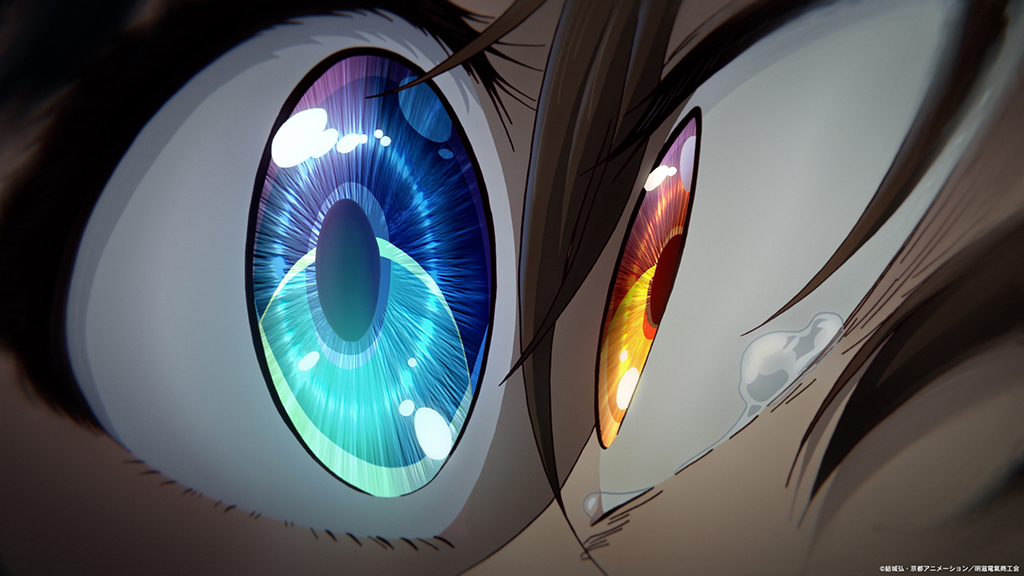
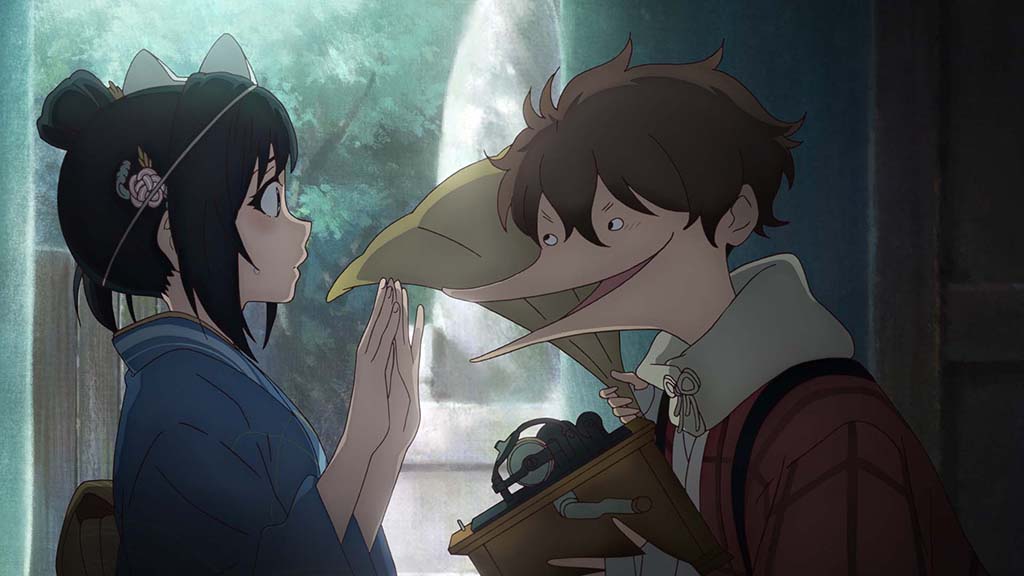
To further anchor emotional resonance, the production team utilized deliberate shot compositions. Normal camera lenses were frequently employed to establish spatial realism, while tactical close-ups on Inako served a dual purpose: highlighting her earnest, innocent nature while visibly externalizing the mounting pressure resting on Kihachi’s shoulders. Furthermore, character eyes were utilized as a direct narrative barometer of sincerity. By overlaying transparent character art onto the eyes to reflect who—or what—was genuinely capturing their attention, the compositing team established a visual language of psychological focus.
Visualizing Genius: The Animation of the Intellect
Among the most technically demanding sequences in Sparks of Tomorrow are those illustrating the internal workings of Kihachi’s genius intellect. Expressing abstract genius visually presented a monumental hurdle for the studio. To solve this, the production team broke standard anime conventions by turning the background art itself into the primary visual centerpiece of these psychological sequences.
Utilizing harmony cels executed directly by the art department rather than the standard painting division, these sequences frequently integrated over a hundred unique visual assets per cut. The resulting collages and fantasy cutouts drew direct visual inspiration from traditional Japanese oil paintings of the Meiji period and the cultural iconography of the Obon festival—a time when younger generations gather, mirroring Kihachi’s youthful developmental stage.
This ambitious approach was not without operational friction. Allowing background art to dominate the screen triggered compounding difficulties, including balancing lighting values for night scenes, ensuring backgrounds did not overshadow character performances, and maintaining historical architectural integrity. Despite these hurdles, the resulting sequences stand as a bold structural experiment in modern anime production.
Broader Impact and Industry Implications
The release and reception of Sparks of Tomorrow underscore a growing appetite for sophisticated light novel adaptations that lean into artistic risk-taking over formulaic commercial trends. By pairing Kyoto Animation’s renowned dedication to hand-drawn aesthetic fidelity with a nuanced historical narrative, the series bridges the gap between traditional craftsmanship and contemporary streaming distribution models.
As the narrative reaches its culmination in its final episodes—highlighted by the activation of Kihachi’s master invention and the convergence of complex character arcs—the series leaves an indelible mark on how industrial and personal revolutions are portrayed in modern animation. Through its meticulous manipulation of light, shadow, steam, and electricity, Sparks of Tomorrow successfully transforms a historical era of transition into a timeless exploration of human resilience and the relentless pursuit of progress.