Gibson Victory Baritone Review: A Heavy-Hitting Evolution for the Modern Metal Guitarist

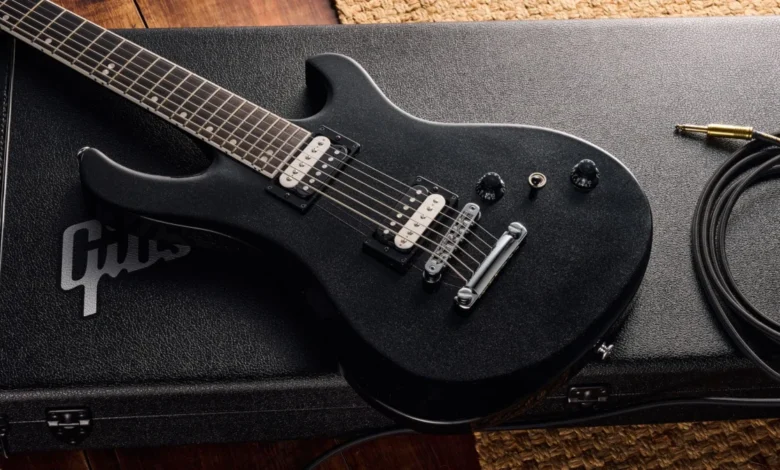
Two years following the unexpected resurrection of the iconic 1980s Gibson Victory line, the Nashville-based instrument manufacturer has expanded its contemporary catalogue with the introduction of the Gibson Victory Baritone. Since bringing back the forgotten relic, Gibson has pursued a diversified approach to the model, releasing iterations featuring satin finishes with Dirty Fingers pickups, figured-top variants, and shred-oriented editions equipped with Floyd Rose tremolo systems. The latest baritone variation scales up the platform significantly, boasting an extended 28-inch scale length configured specifically for heavy, down-tuned performance anchored around B-standard tuning.
Background and Evolution of the Victory Line
Originally introduced in the early 1980s during a tumultuous period for traditional guitar manufacturers competing against rising superstrat trends, the original Gibson Victory struggled to find a permanent foothold in the mainstream market and was subsequently discontinued. Decades later, Gibson’s product development teams recognized an opening to reintroduce offset and angular designs tailored to contemporary players who operate outside the boundaries of vintage blues and classic rock aesthetics.
The revival began with standard-scale models aimed at hard rock and heavy metal players, utilizing high-output electronics and sleek hardware appointments. By transitioning the platform into the baritone category, Gibson directly addresses a growing market segment of modern guitarists who demand extended range and structural stability for lower registers without migrating entirely to multi-scale or eight-string instruments.
Anatomy and Construction Specifications
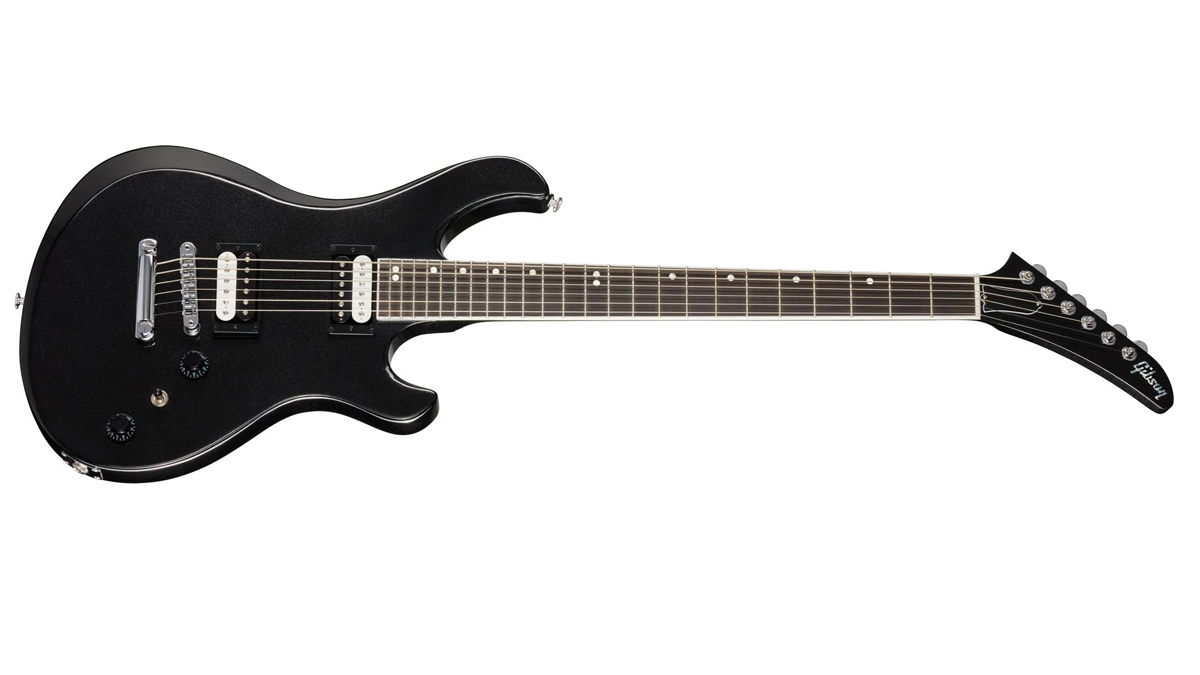
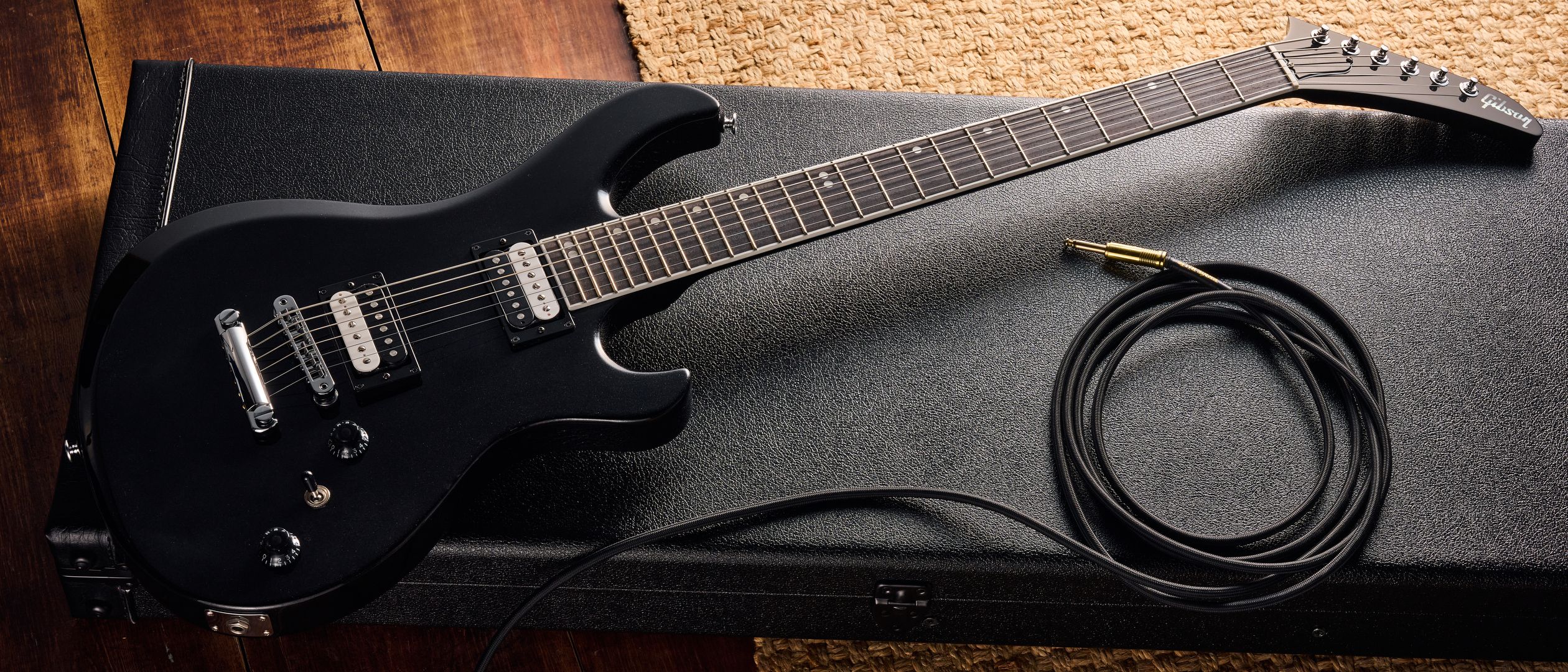
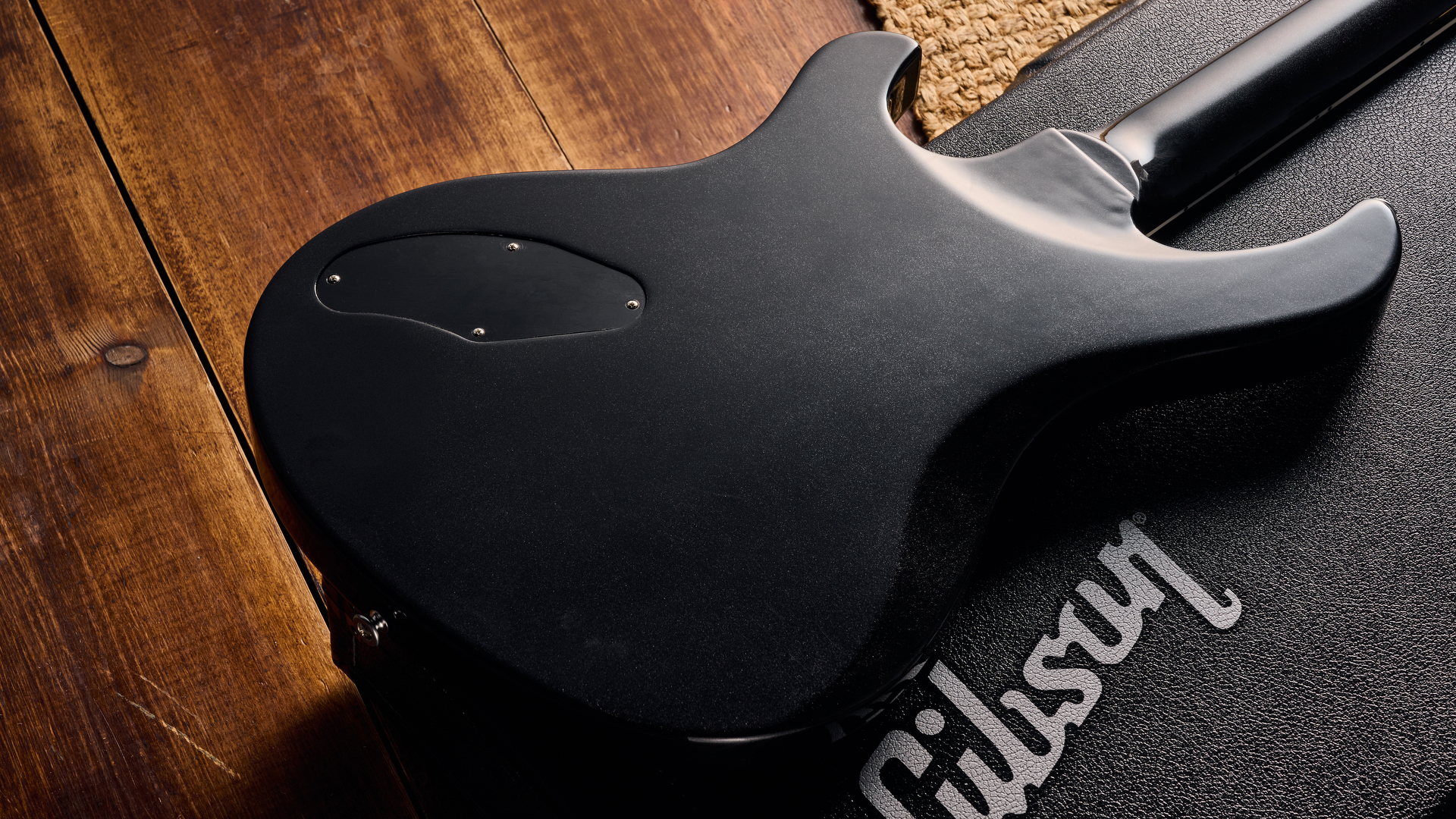
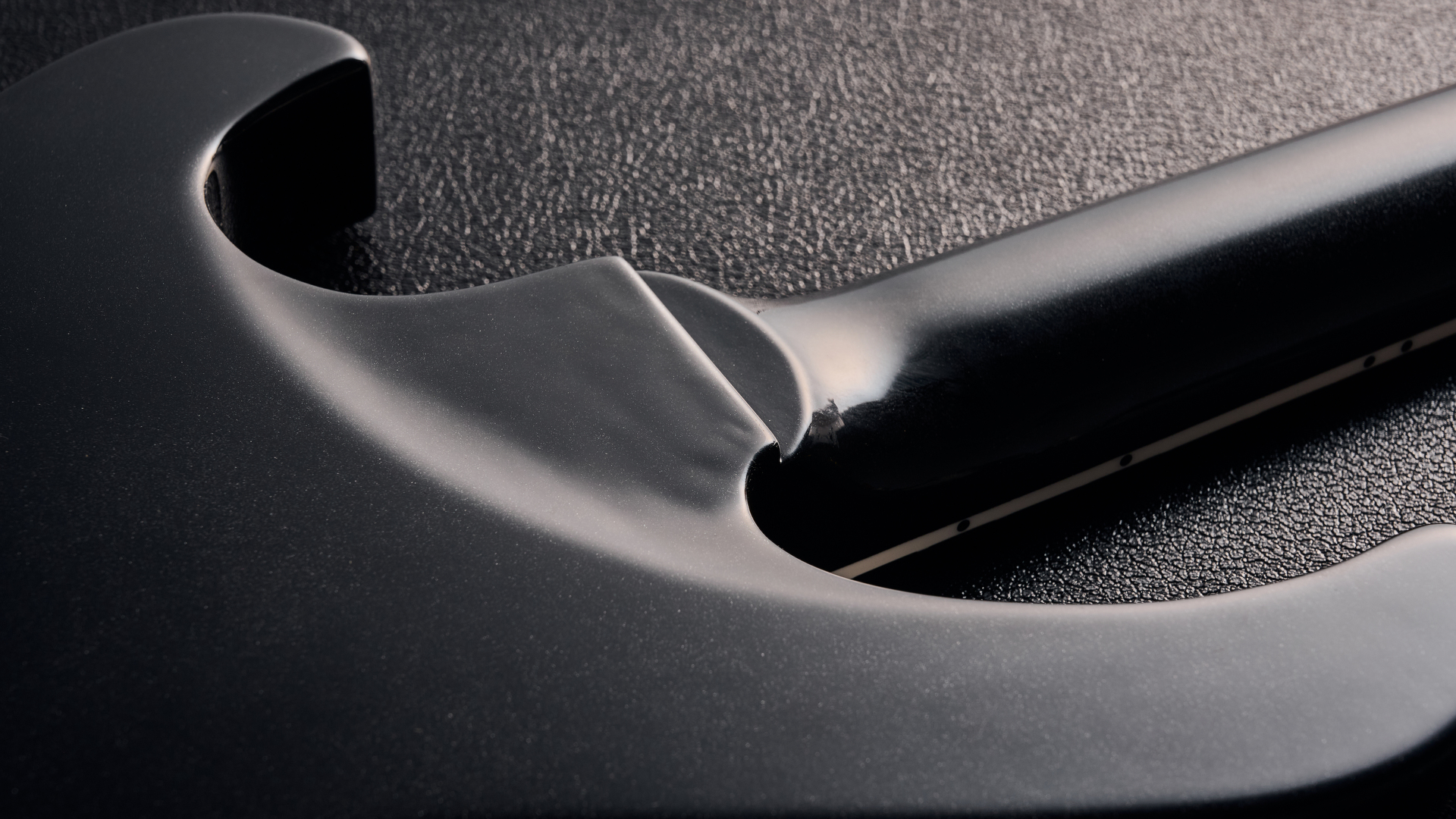
The Gibson Victory Baritone retains the foundational double-cutaway mahogany body shape characteristic of its modern lineage, yet introduces critical physical modifications to accommodate the longer scale. Most notably, the instrument eschews the traditional pickguard found on earlier Victory releases, shifting all electronic routing and component housing to a rear control cavity. This modification yields a cleaner, more streamlined aesthetic across the gloss nitrocellulose-finished body, which is presented here in an arresting Graphite Metallic finish.
Weighing in at approximately 8.2 pounds, the guitar carries a substantial physical presence. However, the ergonomic offset contours ensure that the weight remains well-distributed when worn on a strap. The neck is fashioned from mahogany with a comfortable rounded C profile, paired with a 28-inch scale length that bridges the gap between standard electrics and baritone models.
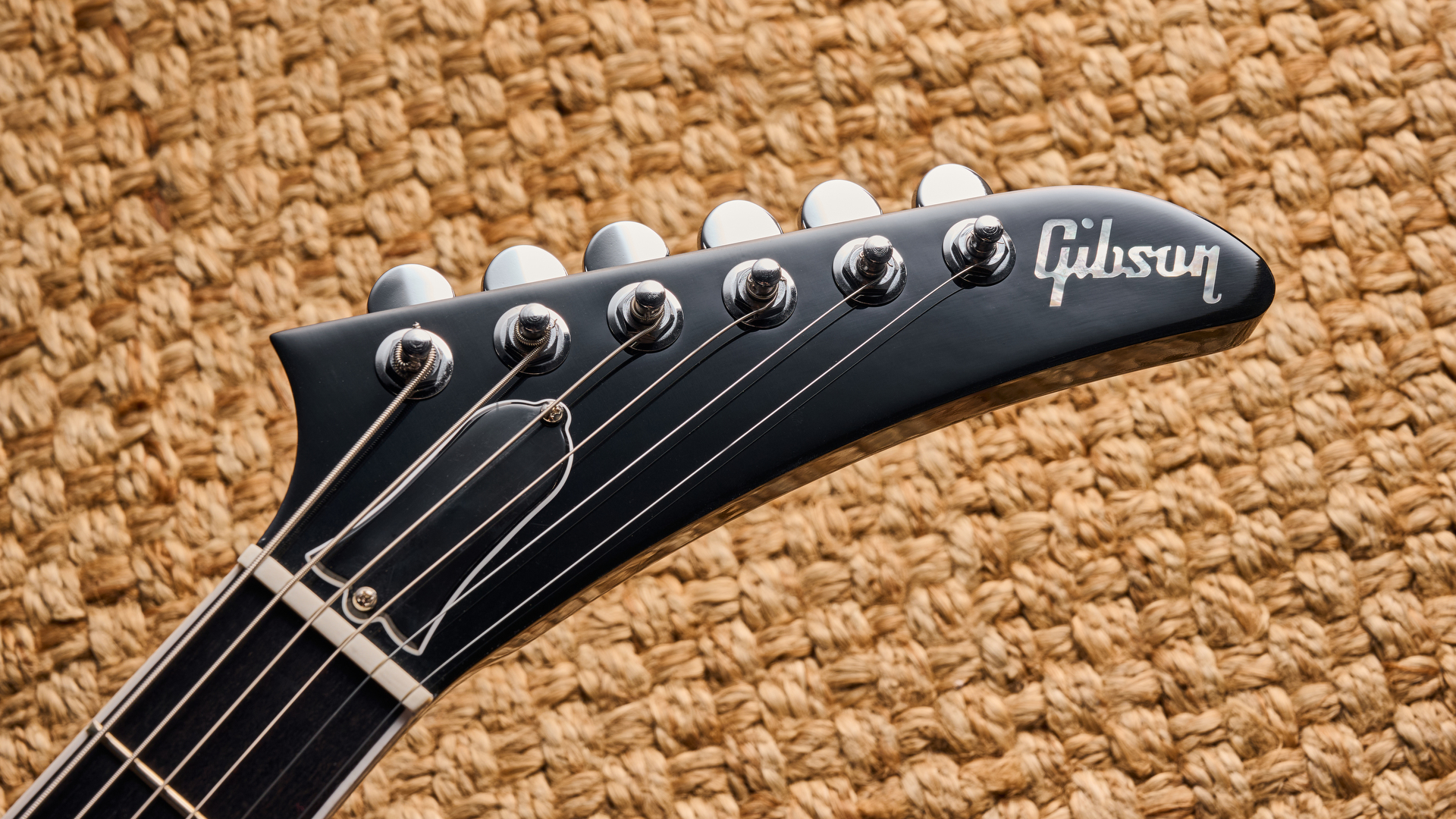
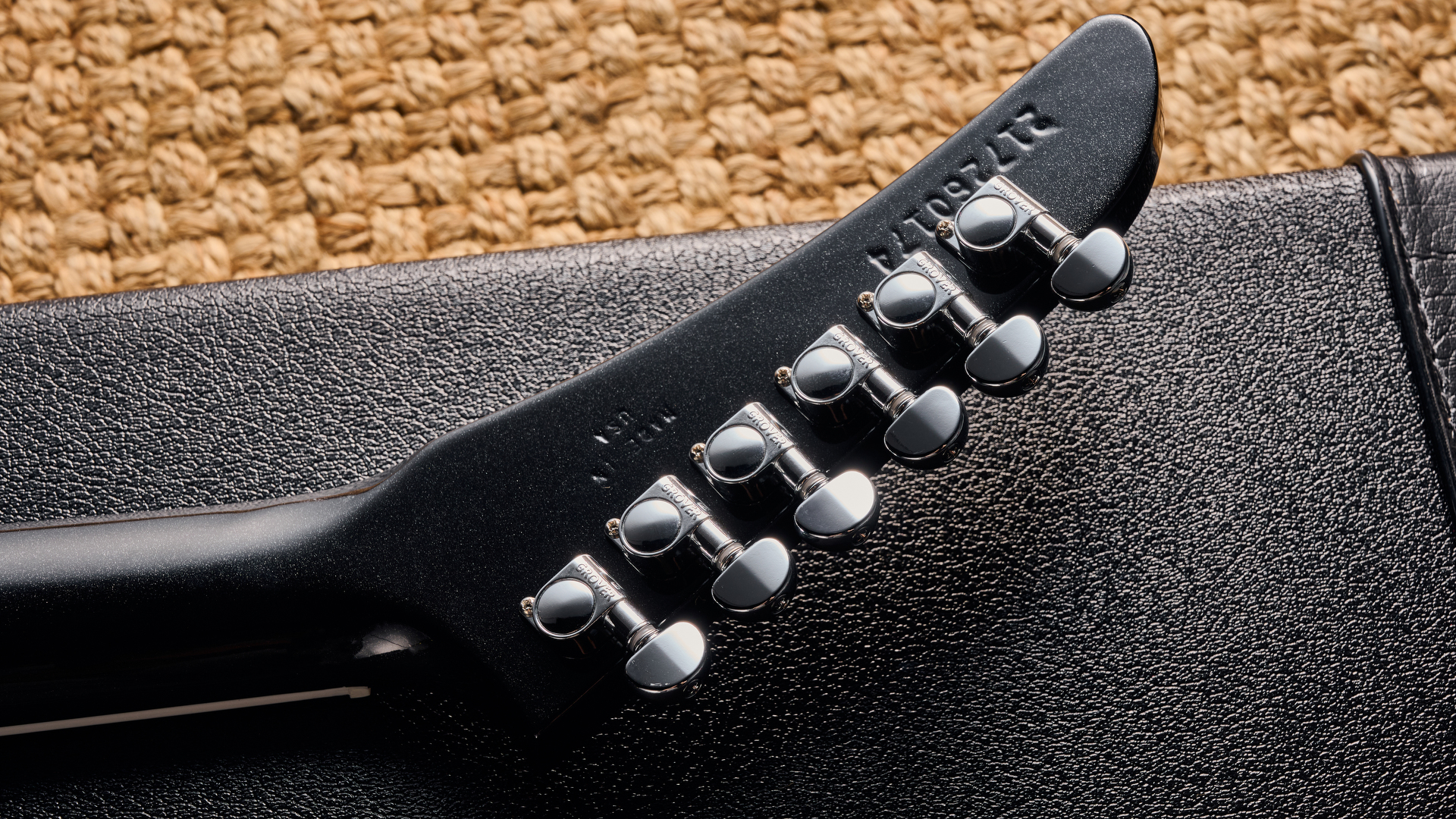
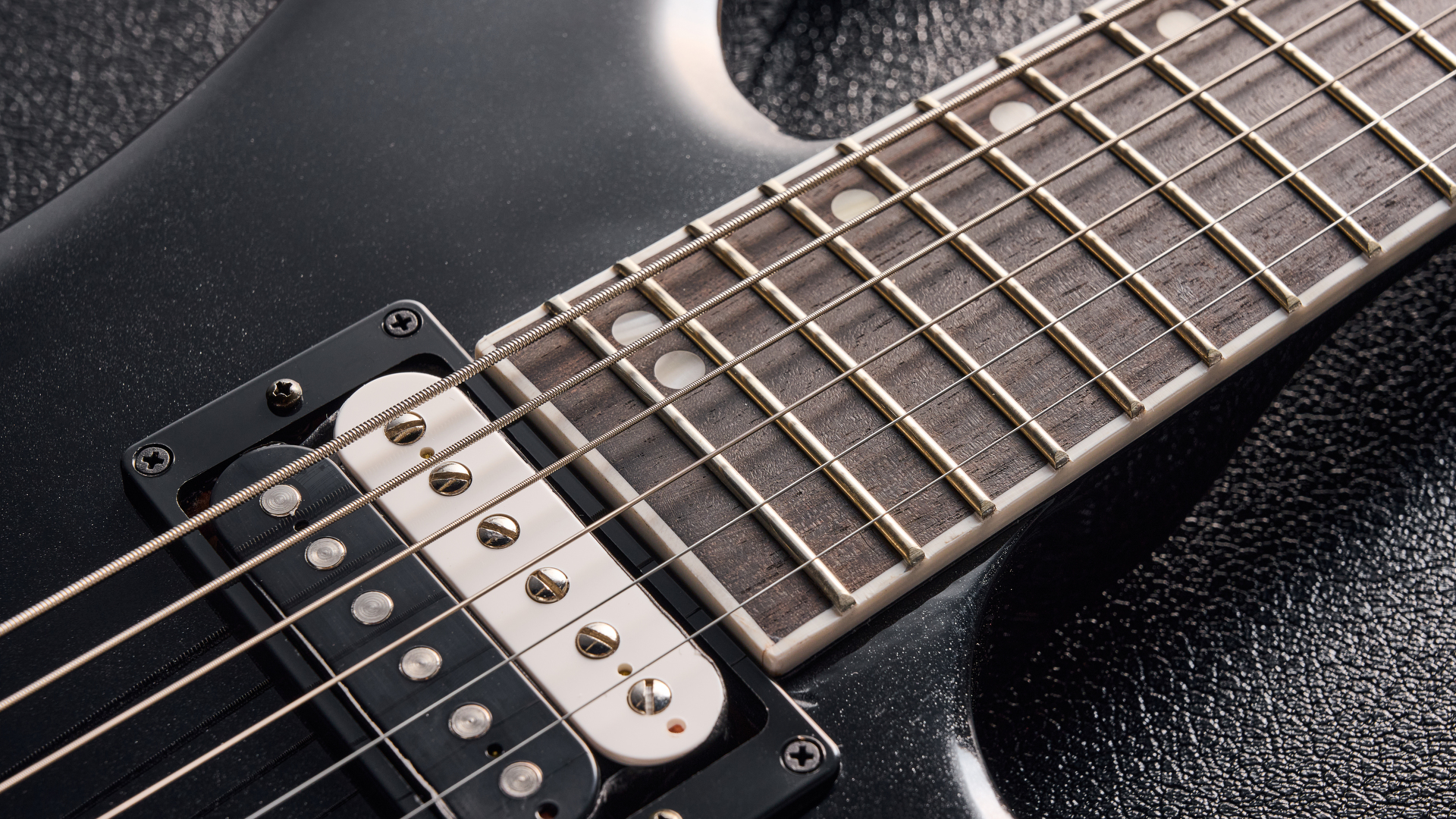
The fingerboard is constructed from jet-black ebony featuring a compound radius ranging from 10 inches at the nut to 16 inches near the body joint. It is populated with 24 medium-jumbo frets and acrylic dot inlays. Unlike traditional vintage Gibson instruments, the Victory Baritone omits traditional fret-nib binding, leaving the fret edges bare and smoothly rounded to prevent string snagging during aggressive performance. Hardware appointments include a Graph Tech nut, Grover Mini-Rotomatic tuners, and the iconic Explorer-style hockey stick headstock. Out of the box, the instrument is strung with a factory gauge of .013–.062 inches, optimized for B-standard tuning.
Electronics and High-Output Performance
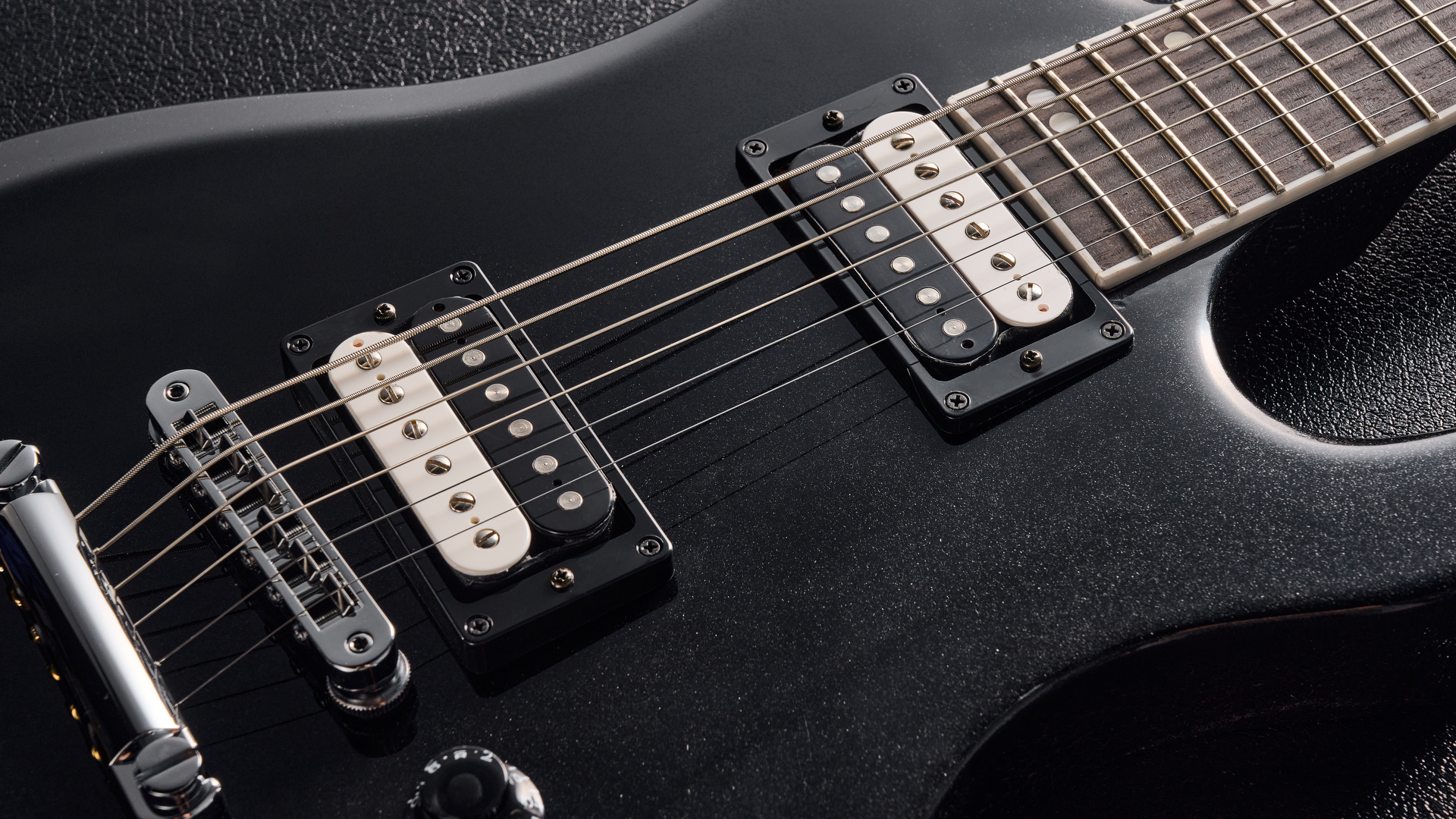
At the core of the Victory Baritone’s sonic identity are Gibson’s newly developed ELEV8 humbucking pickups. Powered by Alnico 8 magnets and utilizing custom-gauge wire, these pickups are engineered to deliver high-output, focused performance without sacrificing harmonic clarity or dynamic control.
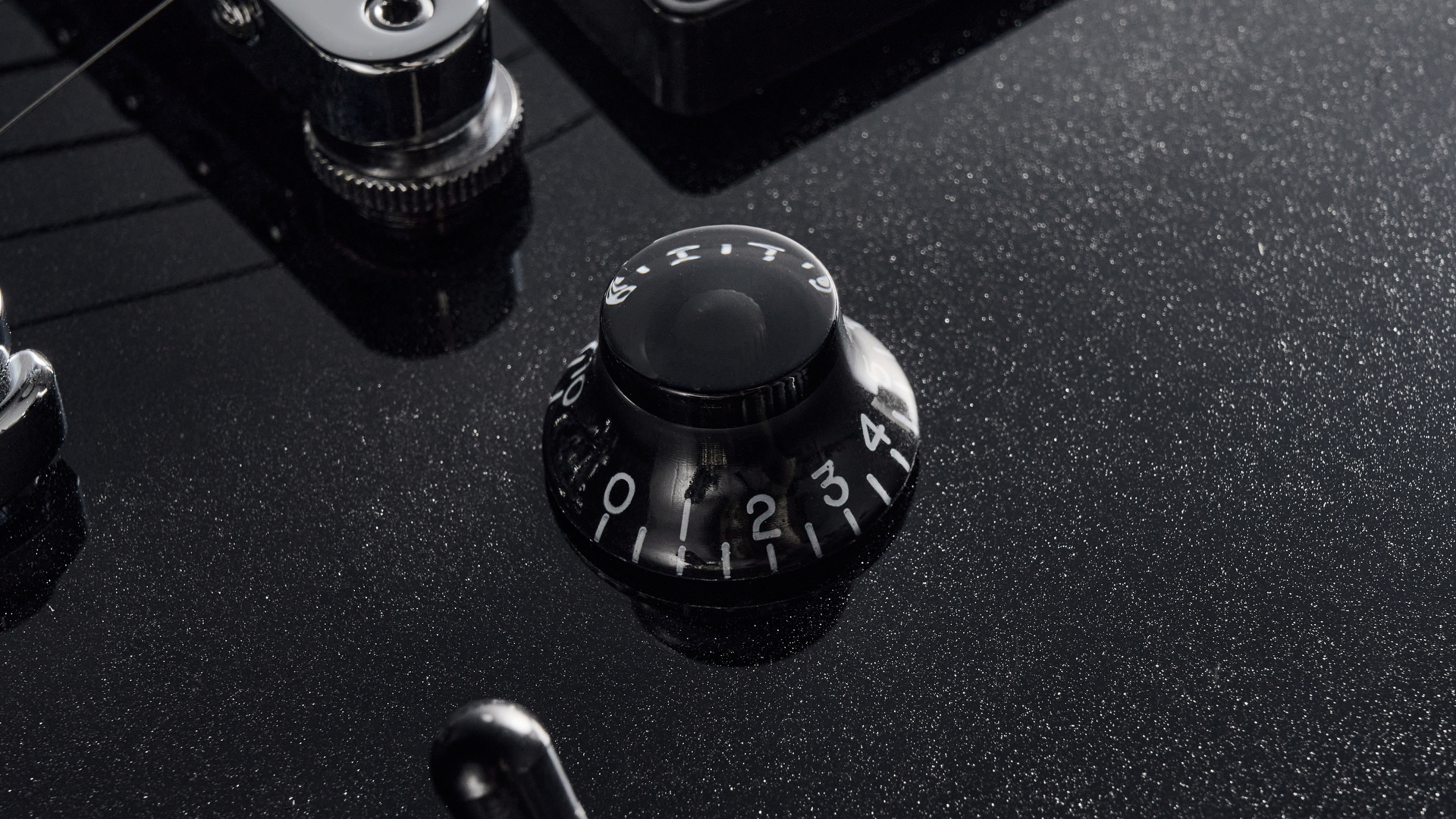
Control routing mirrors the versatility of the standard Victory series, incorporating a push-pull volume control for coil-splitting functions and a push-pull tone potentiometer that allows players to select between inner and outer coil combinations. When operating in full humbucker mode, the ELEV8 pickups exhibit tight low-end tracking and high-definition high-frequency articulation, avoiding the muddy or "flubby" response that often plagues extended-range instruments under high gain. When split, the pickups yield glassy, articulate single-coil cleans suitable for atmospheric textures and ambient passages.
Playability and Ergonomic Assessment
Navigating a 28-inch scale length can frequently present ergonomic challenges, often requiring unnatural finger stretches in the lower registers. Gibson mitigates this through the geometry of the rounded C neck profile, which fills the hand naturally and maintains a familiar feel for players transitioning from standard-scale instruments.
The compound-radius fingerboard facilitates distinct advantages across the playing surface: the rounder 10-inch radius near the nut accommodates clean chord voicings and complex baritone inversions, while the flatter 16-inch radius near the 24th fret permits fluid lead lines and high-register articulation. Factory setup specifications on review models demonstrated precise action—measured at approximately 1.5mm on the low E string—providing sufficient clearance for heavy picking dynamics without inducing fret buzz.
Market Implications and Industry Analysis
The release of the Gibson Victory Baritone signals a calculated shift in Gibson’s product strategy, reflecting a willingness to cater directly to extreme metal, progressive rock, and modern studio musicians. By positioning the Victory as a dedicated platform for aggressive musical styles, Gibson diversifies its portfolio beyond heritage models like the Les Paul and SG.
Industry analysts note that the demand for factory-spec baritone guitars has risen steadily as genres utilizing drop-A and drop-B tunings achieve greater commercial prominence. By offering a high-end, studio-ready instrument with proprietary high-output pickups and robust hardware, Gibson successfully captures a demographic that historically looked toward specialized alternative brands for extended-range solutions.
Verdict and Market Reception
The Gibson Victory Baritone successfully translates the retro-modern design ethos of the Victory line into a heavy-duty, long-scale format. Combining professional-grade build quality, thoughtful ergonomic refinements, and the articulate high-gain performance of the ELEV8 pickups, the instrument stands as one of Gibson’s most progressive contemporary releases. While carrying a notable physical heft, its playability and tonal flexibility position it as a formidable tool for professional recording environments and live performance alike.